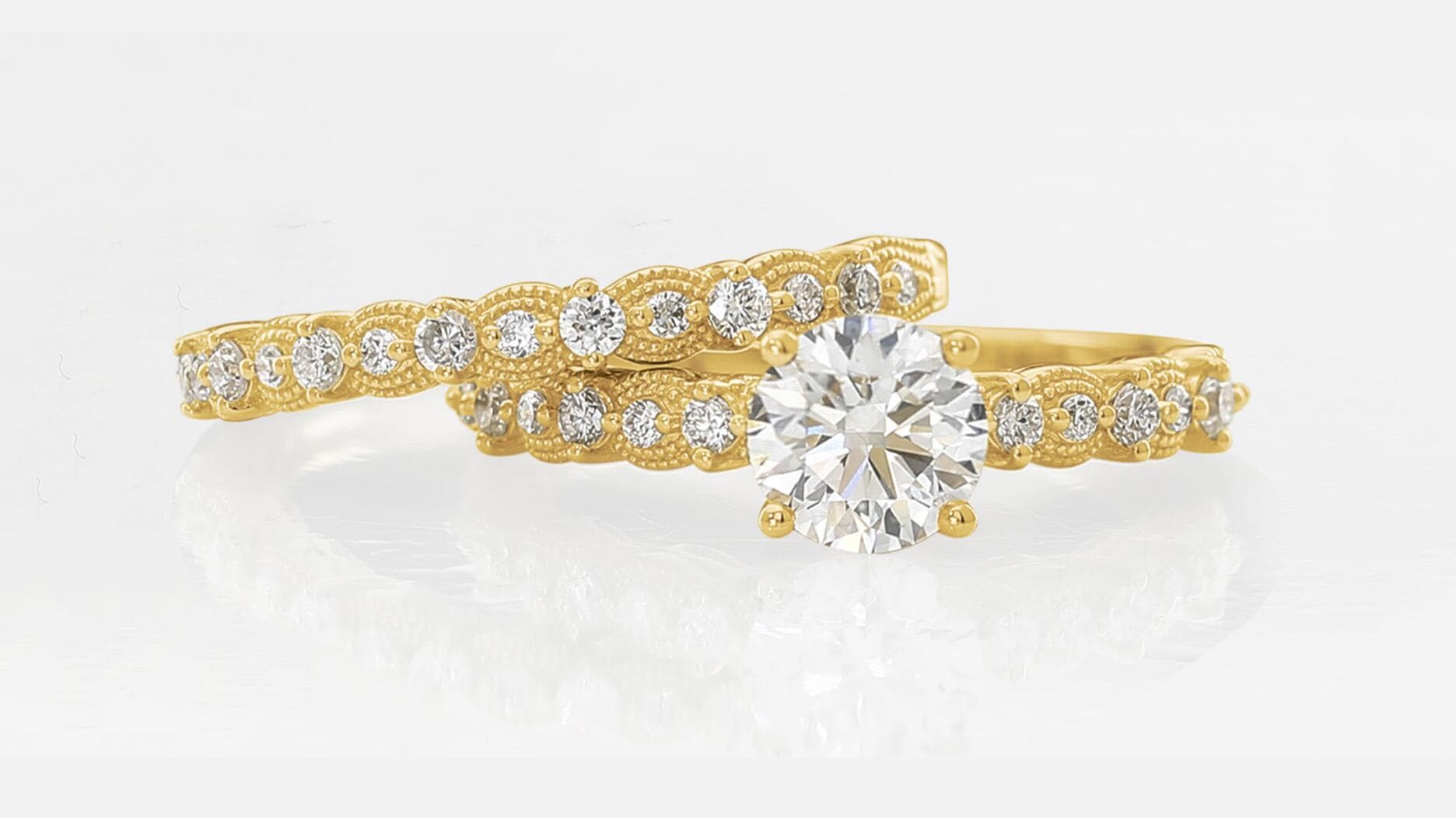
Vintage Jewelry Market Surges as Buyers Seek Sustainability and Individuality
AIDI's March 2026 analysis found vintage jewelry's appeal now crosses all buyer demographics, driven by provenance, sustainability, and the irreplaceable pull of a one-of-a-kind piece.
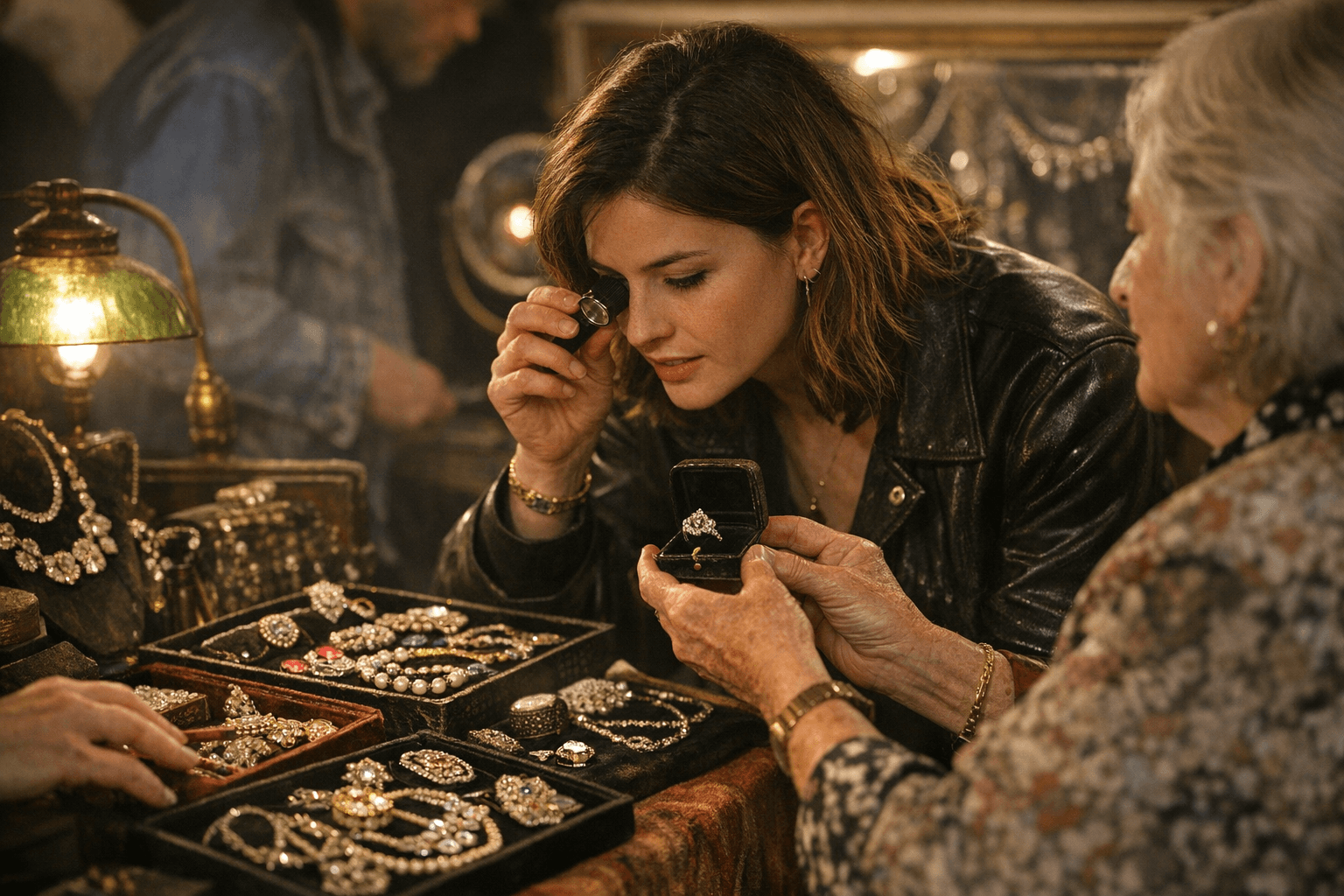
Vintage pieces offer something newly mined jewelry cannot: a chain of custody, a fingerprint of another era, and a conscience. An AIDI analysis published March 19, 2026 traced a pronounced spike in demand for vintage and estate jewelry directly to two buyer priorities that have reshaped the broader luxury market: sustainability and individuality.
The case for vintage has always existed among collectors who could read a hallmark or date a Georgian closed-back foil setting by sight. What AIDI's analysis documents is a meaningful demographic expansion. Demand for antique and estate pieces has moved beyond connoisseurs into mainstream purchasing behavior, cutting across age groups and income brackets in ways the category had not previously seen.
The sustainability argument is straightforward but worth stating precisely. Every recirculated Art Deco platinum filigree ring or mid-century cabochon brooch is a piece that required no new mining, no fresh processing of ore, no additional ecological cost at the point of extraction. AIDI frames sustainability explicitly as "a driving force" behind the trend, and the logic compounds: vintage jewelry carries provenance, that documented or traceable history of ownership and origin, which functions as a form of transparency that newly produced pieces, even ethically sourced ones, can rarely match with the same density of narrative.
The individuality argument is equally concrete. A diamond solitaire produced in volume today shares its proportions, its prong geometry, its millimeter weight with thousands of identical rings in inventory. A 1930s platinum mount with old European cut stone does not. AIDI's analysis notes that consumers are actively seeking pieces with "character, history, and a story to tell," language that reflects a purchasing logic as much about self-expression as environmental concern.
For retailers, the growing demand arrives with real operational weight. Authentication, provenance verification, and pricing remain the central challenges AIDI identifies for dealers hoping to capitalize on the trend. Getting those three elements right requires gemological expertise, access to period reference materials, and in many cases third-party verification: none of which scales easily. Dealers who have built that infrastructure, whether through in-house expertise or established relationships with auction house specialists, are better positioned to serve buyers who are increasingly sophisticated about what they are acquiring.
The outlook AIDI describes is durable rather than cyclical. As long as buyers continue to weigh the environmental cost of newly mined materials against the richness of recirculated pieces with documented histories, the case for vintage holds. The category's allure, as the analysis frames it, is likely to endure for generations, sustained by the same qualities that made heirloom jewelry worth keeping in the first place.
This article was produced by Prism’s automated news system from verified source data, official records, and press releases, then run through automated quality and moderation checks before publishing. The system is built and supervised by the people who set the standards it runs under. Read our full AI policy.
Did this article answer your question?