What Makes Jewelry Heirloom-Worthy, and How to Preserve, Professionally Conserve, Repurpose
Solid materials, clear provenance, and careful conservation determine whether a piece becomes an heirloom; preserve routine care, seek professional conservation for structural work, and repurpose only with documentation intact.
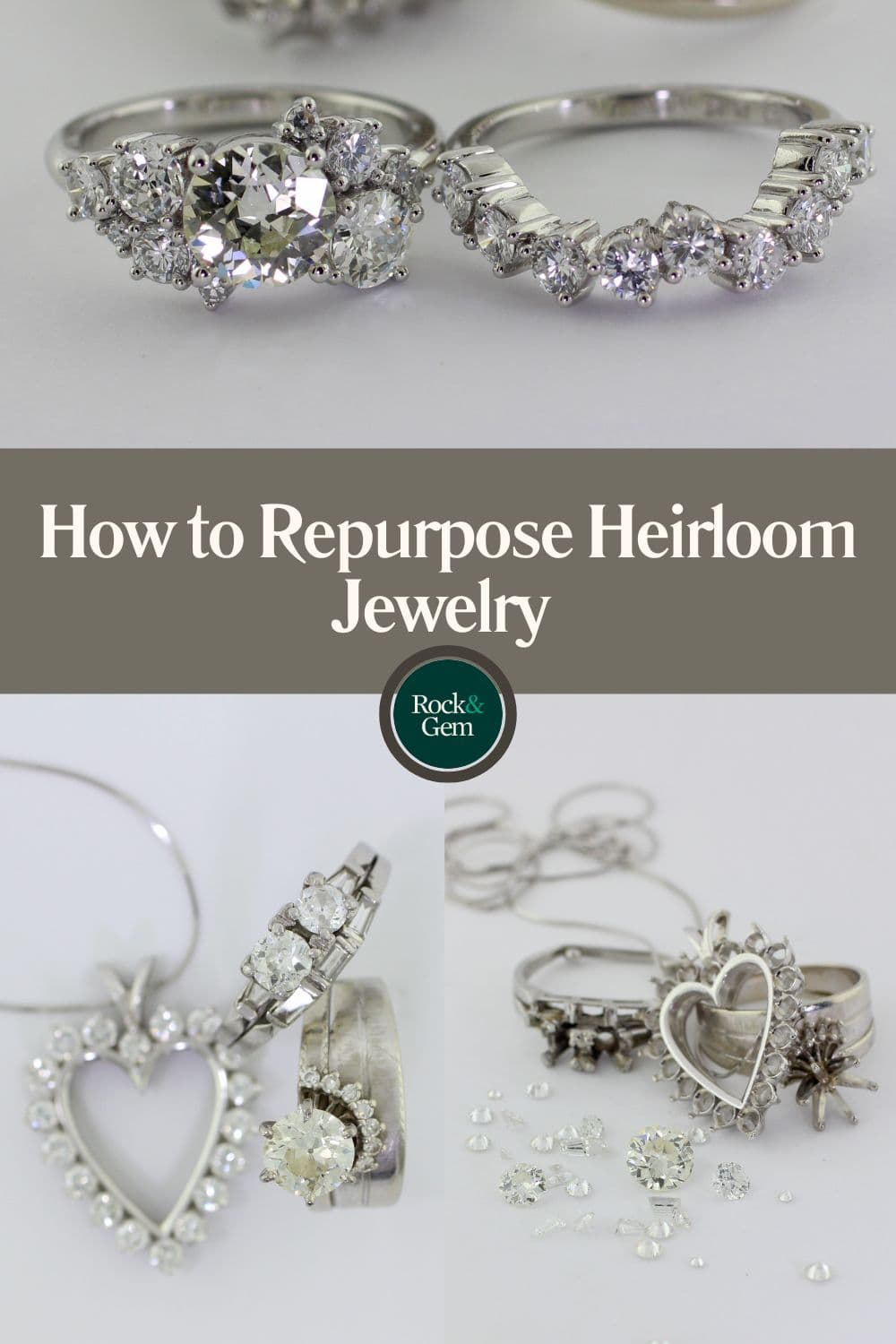
Solid 18k gold, a tight prong setting, and visible assay marks are the physical signals that a piece was built to last. Heirloom-worthy jewelry combines material integrity, fine craftsmanship, timeless design, and proven provenance; when those four elements line up, a ring, necklace, or brooch can survive generations rather than a single season.
What counts as material integrity
Material integrity begins with the metal and the stone. Solid gold, typically 14k or 18k for fine pieces, resists bending and fatigue far better than gold-filled or plated metals; hallmark stamps such as 750 for 18k gold or an assay office mark are practical identifiers at a glance. For platinum pieces, look for 900 or 950 stamps that indicate high-purity alloy used in settings where durability and low wear are priorities. For gemstones, laboratory grading reports from established laboratories such as GIA add a layer of objective information: weight, cut, clarity, and, for colored stones, whether any treatments were applied. When a seller offers provenance or sustainability claims, expect named certifications: Fairmined or Fairtrade Gold for responsibly sourced artisanal gold, the Responsible Jewellery Council for chain-of-custody standards, and the Kimberley Process for conflict-free diamond traceability. If claims are vague or unaccompanied by documentation, call that out as a red flag.
Why craftsmanship and setting matter
A well-made setting protects stones and allows future servicing. Look for tight prongs with even wear, bezel settings that shield fragile gems, and well-finished interiors with no sharp solder seams. Precision soldering and hand-finished joints are not decorative extras; they keep shanks from cracking and pavé settings from losing stones. Timeless design matters as much as technique: balanced proportions, unadorned silhouettes, and classic motifs tend to age visually while overly trendy constructions date themselves. When assessing a piece, weigh whether the clasp, jump rings, and pin mechanisms are replaceable without altering the piece’s character; modular maintenance is part of longevity.
Provenance and documentation
Provenance is the narrative that converts a beautiful object into a family legacy. Clear paperwork should include original receipts, appraisals, gemstone and metal reports, and any certification like Fairmined or GIA. Chain-of-possession records that trace ownership back one or more generations add market value and ease disputes in probate. If a designer name or maison mark is present, photograph and record it; designer stamps often affect collectability. Skepticism is warranted when provenance is verbal only: insist on physical or digital documentation before treating a piece as an heirloom.
Preserve: daily care and storage
Preservation begins in daily habits and ends in safe storage. Clean gently with a soft brush, warm water, and mild soap for routine maintenance; avoid ultrasonic cleaners for fracture-prone gems such as emeralds or composite stones. Store jewelry individually in padded compartments or soft pouches to prevent abrasion and tangling; keep pearls in a slightly humid environment because they can dry out. For travel, choose a small hard case with separate chambers.
- Keep chemical exposure to a minimum: chlorinated pools, household cleaners, and cosmetic products accelerate metal wear and degrade certain treatments.
- Photograph pieces from multiple angles and store copies of documentation offsite.
• Check prongs and clasps monthly for movement.
Professional conservation: when and how to proceed
Some work requires a conservator rather than a typical bench jeweler. Professional conservation focuses on stabilizing original materials, documenting interventions, and using reversible techniques whenever possible. Seek a conservator when dealing with antique alloys that modern soldering could damage, fragile enamels, or historically important pieces where minimal intervention is the priority. Reputable conservation labs will provide a treatment proposal, a record of materials used, and before-and-after photography. For structural repairs such as resetting a cracked stone or rebuilding a worn shank, choose a bench jeweler with proven experience on comparable work; ask for references, a breakdown of methods, and whether they will preserve hallmarks and maker’s marks.
Steps to a responsible conservation intervention:
1. Document the piece thoroughly with high-resolution photos and written condition notes.
2. Request a written treatment plan that specifies materials and whether changes are reversible.
3. Approve the plan, retain copies of all paperwork, and keep treated pieces in separate storage for a short monitoring period.
Repurpose with restraint and records
Repurposing can keep a beloved stone in everyday rotation, but it risks erasing provenance. If resetting a stone from a grandmother’s cluster ring into a modern solitaire, preserve the original setting as a photograph and, if possible, retain a portion of the original metal or a small label with its assay marks. When commissioning remounting, specify that maker’s marks and any hallmark impressions be preserved in the new design or documented thoroughly. For ethical transparency, disclose whether stones are natural, treated, or lab-grown at the point of sale or transfer between family members. If replacing a stone with a lab-grown alternative for daily wear, label the change in the documentation so future owners understand the history.
Valuation, insurance, and succession planning
An up-to-date appraisal by a qualified appraiser is the practical backbone of stewardship. Appraisals should state replacement value for insurance, list all certifications, and note unusual features such as bespoke settings or designer provenance. Insure based on replacement cost and update the policy after any conservation or repurposing work. For passing jewelry through generations, create a successor file: appraisals, certification copies, treatment records, photographs, and a brief narrative about the piece’s meaning. Place originals or certified copies in a safe deposit box and give an executor clear instructions to avoid pieces becoming lost in estate transitions.
Avoiding greenwashing and preserving the story
Not all sustainability claims are equal. Certifications such as Fairmined and Fairtrade Gold are verifiable, and laboratory reports from GIA or equivalent labs are objective; vague phrases like ethically sourced, small-batch, or sustainably mined without named standards are insufficient. Demand named standards and retain documentation that ties the material to those standards. The story behind a piece matters only if it can be substantiated: a documented artisanal origin increases emotional and market value; an unverifiable anecdote does not.
A practical inheritance
Heirlooms survive because choices were made to document, maintain, and sometimes adapt them without erasing their past. Solid materials and precise craftsmanship provide physical longevity. Clear provenance and certifications protect value and ethics. Routine preservation plus judicious professional conservation will keep pieces wearable; thoughtful repurposing can extend usefulness while preserving identity. Treat paperwork as part of the jewelry and pass that record along: a well-documented necklace or ring becomes easier to protect, insure, and love for generations.
This article was produced by Prism’s automated news system from verified source data, official records, and press releases, then run through automated quality and moderation checks before publishing. The system is built and supervised by the people who set the standards it runs under. Read our full AI policy.
Did this article answer your question?