Yellow Gold, Bezel Settings, and Thicker Bands Define 2026 Engagement Ring Trends
Yellow gold is nearing parity with white metals in engagement ring sales, a seismic shift reshaping what bridal buyers expect in 2026.
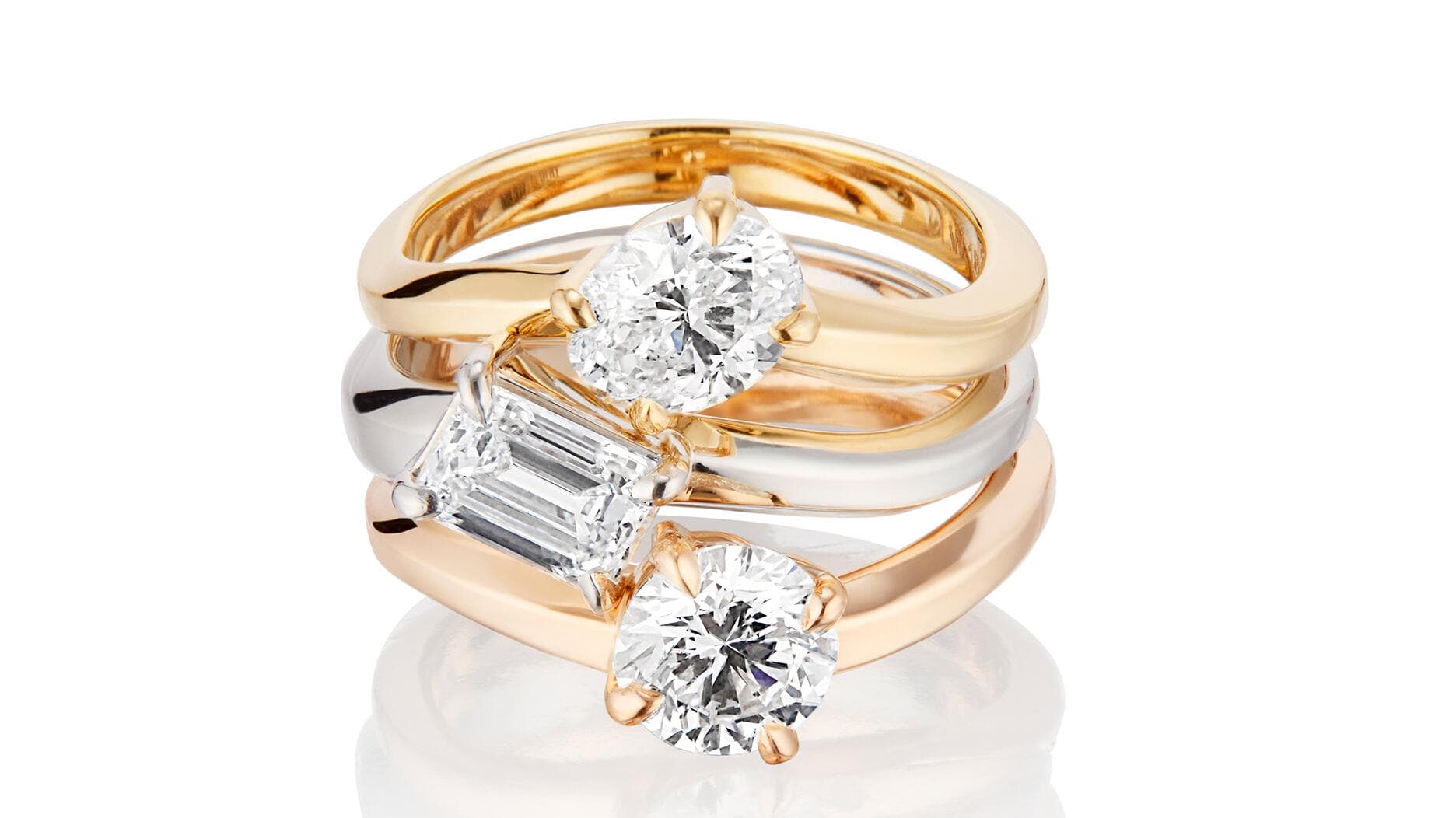
Yellow gold has not simply returned. According to jewelry historians, designers, and bridal-retail experts tracking the 2026 market, it has arrived with enough force to nearly match white metals in buyer preference, a realignment that would have been difficult to predict even five years ago when platinum and white gold held near-total dominance over the engagement ring category.
The shift is not happening in isolation. It arrives alongside two other structural changes in how buyers are choosing rings: a preference for thicker bands and a pronounced move toward bezel and burnish settings over the traditional prong. Together, these three tendencies describe a buyer who is choosing architecture over sparkle maximization, security over display.
The bezel and burnish shift deserves particular attention from anyone who understands how settings function. A bezel, which encircles the stone completely in a rim of metal, protects the girdle of the gem and eliminates the prong snag risk that makes many buyers anxious about everyday wear. A burnish setting, in which the metal is pressed flush over the stone's edge, achieves a similar low-profile effect. Neither setting is new. What is new is their momentum in a category that spent decades fetishizing the six-prong solitaire and its capacity to lift a diamond into as much light as possible. The buyers now choosing bezels are making a deliberate trade: slightly less brilliance return, considerably more wearability and a silhouette that reads as sculptural rather than traditional.
Thicker bands reinforce that same logic. A substantial band carries visual weight that complements a bezel-set stone naturally, and it signals a durability-minded aesthetic that aligns with how younger buyers think about jewelry as an object built to last rather than a ceremonial piece worn carefully. In yellow gold, a wider band also reads differently than it would in white metal. The warmth of 18-karat yellow gold against skin gives a thick band an almost architectural presence, closer to a signet tradition than to the fine, delicate bridal styles that defined the 2010s.
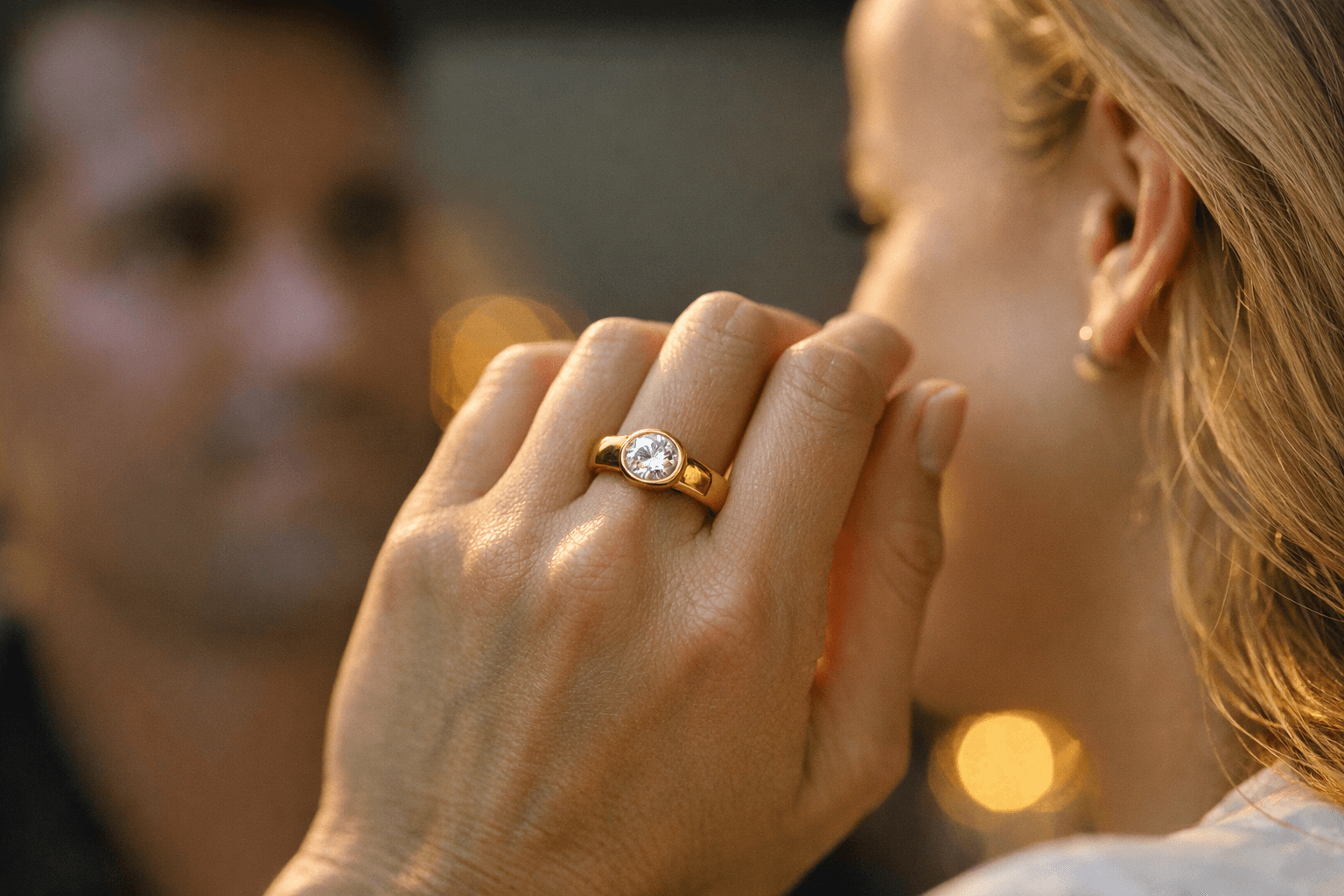
The yellow gold resurgence has a gemological dimension worth noting. Yellow gold flatters warm-toned diamonds in the I-to-M color range by absorbing rather than reflecting any yellow in the stone, allowing buyers to purchase a lower color grade without visible compromise. That practical benefit, combined with a broader cultural appetite for gold's warmth over white metal's cool precision, has pushed yellow gold toward parity in a category it once dominated before the late 20th century platinum boom displaced it.
What the 2026 data describes, collectively, is an engagement ring buyer who has done the research. They know what a bezel setting protects against, why band width affects comfort over time, and what yellow gold does to a stone's apparent color. The ring they are choosing is not a departure from tradition so much as a return to jewelry as something made to be worn every day without apology.
This article was produced by Prism’s automated news system from verified source data, official records, and press releases, then run through automated quality and moderation checks before publishing. The system is built and supervised by the people who set the standards it runs under. Read our full AI policy.
Did this article answer your question?