Certified moissanite, the engagement ring choice with lasting value
Certified moissanite pairs diamond-like sparkle with a verifiable paper trail, making it a sharper engagement-ring choice for buyers who want beauty, durability and clarity about what they are buying.

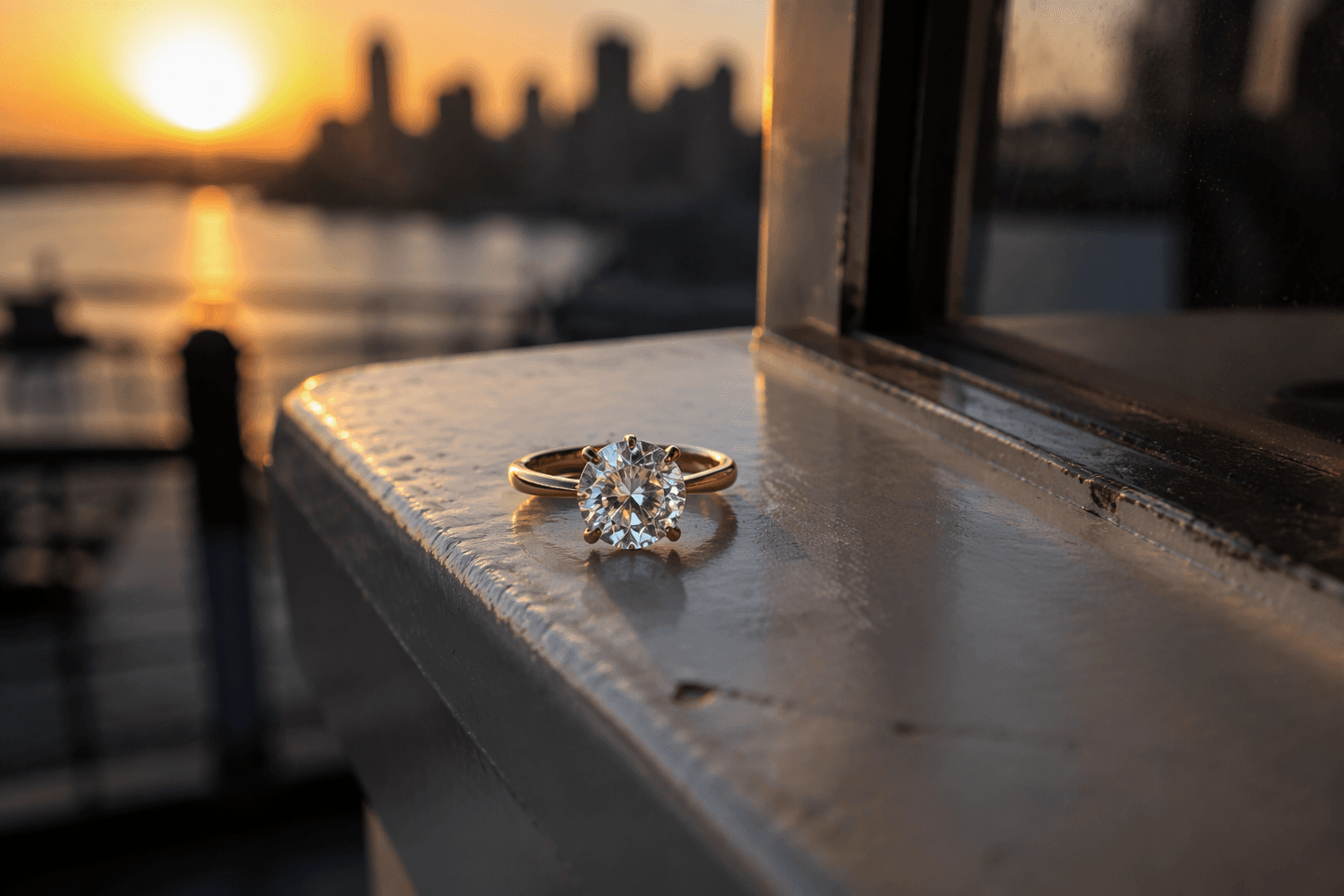
A moissanite engagement ring can come with a grading report you can verify after the purchase. Certified moissanite is a lab-grown gemstone with a scientific pedigree and a sparkle profile all its own. If the ring has to balance symbolism, durability and budget, the smartest buy starts with how you want the stone to look, wear and identify itself over time.
What moissanite actually is
Henri Moissan, the French chemist who identified the mineral in Paris, won the 1906 Nobel Prize in Chemistry, and the stone that bears his name has traveled a long way from laboratory curiosity to jewelry case staple. Natural moissanite is silicon carbide, while the material used in rings today is synthetic moissanite. It entered the jewelry market as a diamond substitute in the 1990s.
Its gemological profile explains the appeal. GIA lists a refractive index of 2.648 to 2.691, dispersion of 0.104, hardness of 9¼ on the Mohs scale and specific gravity of 3.22. In plain terms, that means it is bright, durable and substantial enough for daily wear, with the kind of optical life that makes people pause under store lights. Moissanite is not limited to a diamond lookalike; it can appear in yellow, black and blue as well as colorless.
Why the paperwork matters
What shoppers often call a certificate is technically a grading report, and IGI issues reports that grade and authenticate loose diamonds, gemstones and finished jewelry. A ring should come with a document that says exactly what the stone is.
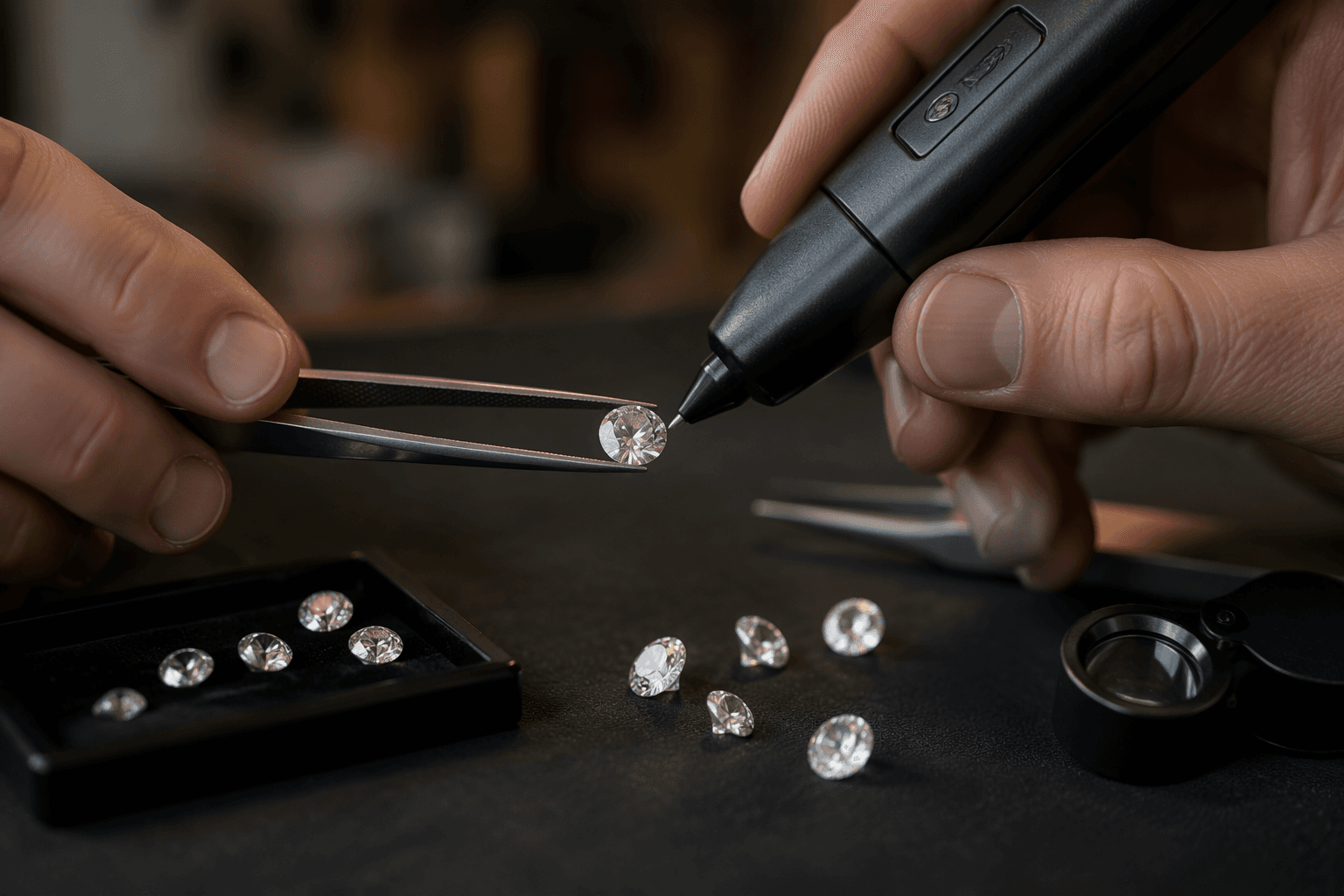
On December 16, 2022, IGI said it would issue Certificates of Authenticity for lab-grown moissanite from Roseco Inc. Those certificates verify that the gemstone is lab-grown moissanite and state the stone’s shape, weight and colorless characteristics. IGI also offers online report verification, which lets buyers confirm authenticity and accuracy after the purchase.
Moissanite versus diamond, in ring terms
Diamond still carries the strongest cultural shorthand for an engagement ring, but moissanite brings its own credentials: a high refractive index, strong dispersion and hardness that holds up in everyday life. If you want a stone that delivers serious sparkle without tying the entire purchase to a mined diamond, moissanite deserves to be weighed on the same terms, not dismissed as an imitation.
Budget changes the calculus too. Choosing moissanite can leave more room for a better setting, a heavier band or a more considered design around the center stone. That leaves room to spend where the eye lands first, whether that is a larger stone, a finer mounting or a ring that will live comfortably through years of ordinary wear.
Choose the ring around the life you actually live
The smartest ring choice starts with the relationship between the stone and the wearer’s routine. If the ring needs to read classic and restrained, a colorless moissanite with verified shape, weight and colorless characteristics will keep the look close to the traditional engagement-ring language. If the wearer wants something more expressive, moissanite also comes in yellow, black and blue, which opens a cleaner path to color than vague talk of being “different.”
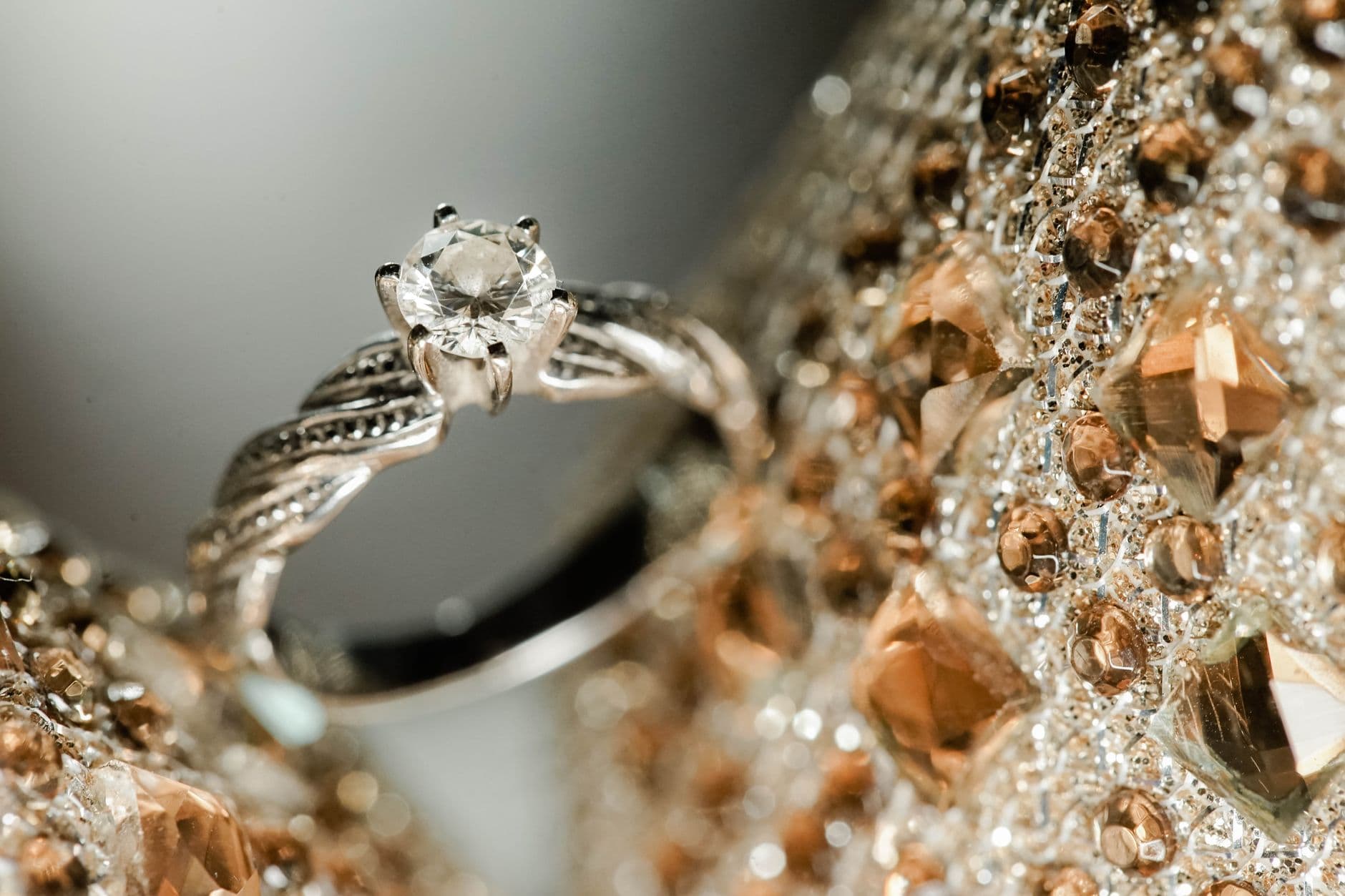
The setting should match the stone’s daily life. Moissanite’s 9¼ Mohs hardness makes it suitable for regular wear, but no center stone is immune to hard knocks if the mounting is careless. A secure prong setting or a lower-profile bezel gives the ring a better chance of staying beautiful on a commute, at a desk or in the middle of an active week.
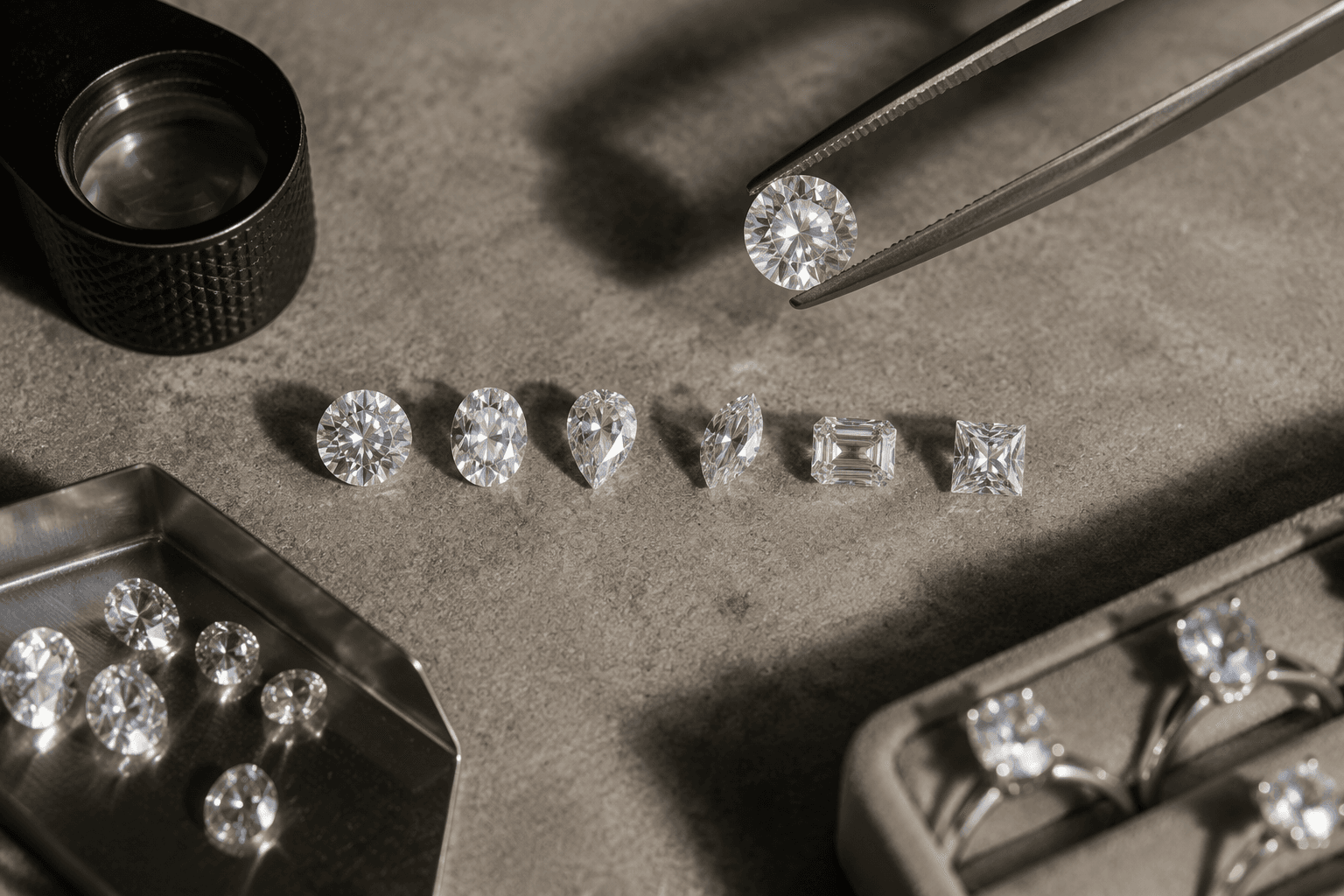
Cut still matters because it controls how the stone returns light, and certification helps you compare one stone to another without relying on showroom language. A report that names the shape and weight gives you a firmer basis for judging whether the stone has the presence you want on the hand.
This article was produced by Prism’s automated news system from verified source data, official records, and press releases, then run through automated quality and moderation checks before publishing. The system is built and supervised by the people who set the standards it runs under. Read our full AI policy.
Did this article answer your question?