Moissanite rings tested, real-world sparkle and wearability after months of use
Seven months in, moissanite’s real test is lighting, not showroom polish. The millimeters, setting and metal matter more than the sparkle pitch.
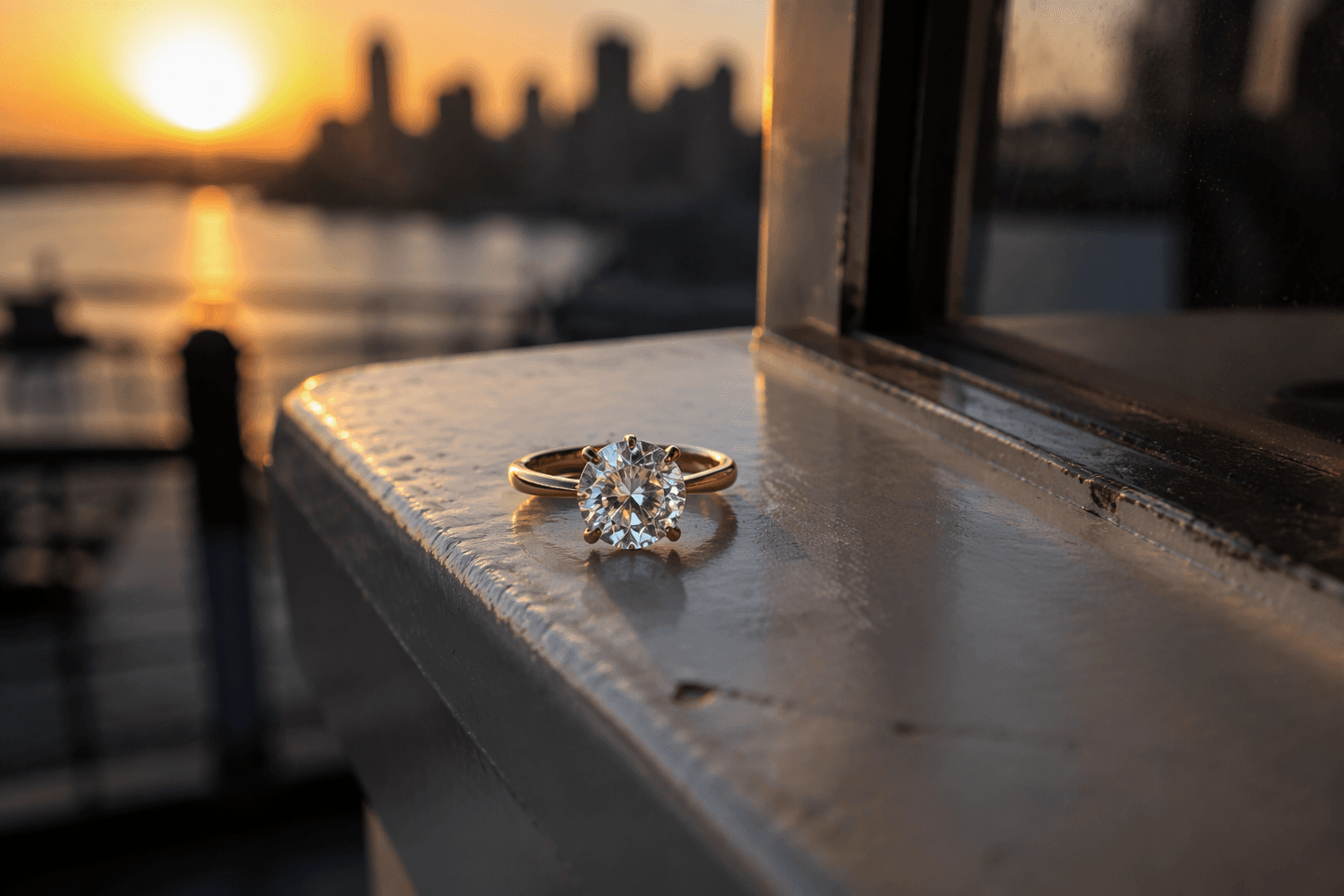
With flash photography, moissanite can turn theatrical enough to make diamond shoppers blink twice. In daylight it can throw broad flashes, under office fluorescents it looks crisp and lively, and in a restaurant it can seem warmer and more concentrated. Months of wear show whether the cut, the setting and the way you live with the ring make that sparkle feel luxurious or a little too loud.
What moissanite actually is, and why the label matters
Moissanite began as a mineral story, not a jewelry one. Henri Moissan first identified naturally occurring silicon carbide in meteorite fragments in 1893, and the modern ring market grew much later, when Charles & Colvard was founded in 1995 and became closely associated with synthetic moissanite jewelry. A 2000 paper described synthetic moissanite as a new man-made jewel developed and marketed by Charles & Colvard’s former corporate name, C3 Inc., and noted that it is second in hardness only to diamond and lacks diamond’s pronounced cleavage.
The Federal Trade Commission finalized revisions to its Jewelry Guides on July 24, 2018, and those rules took effect immediately, reinforcing the need for clear gemstone descriptions and non-misleading diamond-related claims.
The global moissanite market was USD 48.90 million in 2024, with an 8.0% compound annual growth rate projected from 2024 to 2031. The global moissanite jewelry market was $1.2 billion in 2025, rising to $2.3 billion by 2034 at 8.5% annual growth, driven by demand for sustainable, ethically sourced and more financially accessible luxury than mined diamonds.
The light test: where moissanite earns its reputation, and where it can overperform
In bright daylight, especially outdoors, the stone’s fire can read more obviously than a diamond’s, with color flashes that feel deliberate rather than restrained. In office lighting, where many buyers expect a softer look, moissanite often stays alert and clean, which is why some people fall in love with it at work long before they see it at dinner.
Restaurant lighting is the most revealing test. Under warm low light, moissanite can compress into smaller, sharper flashes that look intimate rather than flat, but very bright stones may still pull more attention than a shopper who wants subtlety expects. In photos with flash, that doubled sparkle is either the whole point or the reason to choose a more tempered cut and a more protective setting.
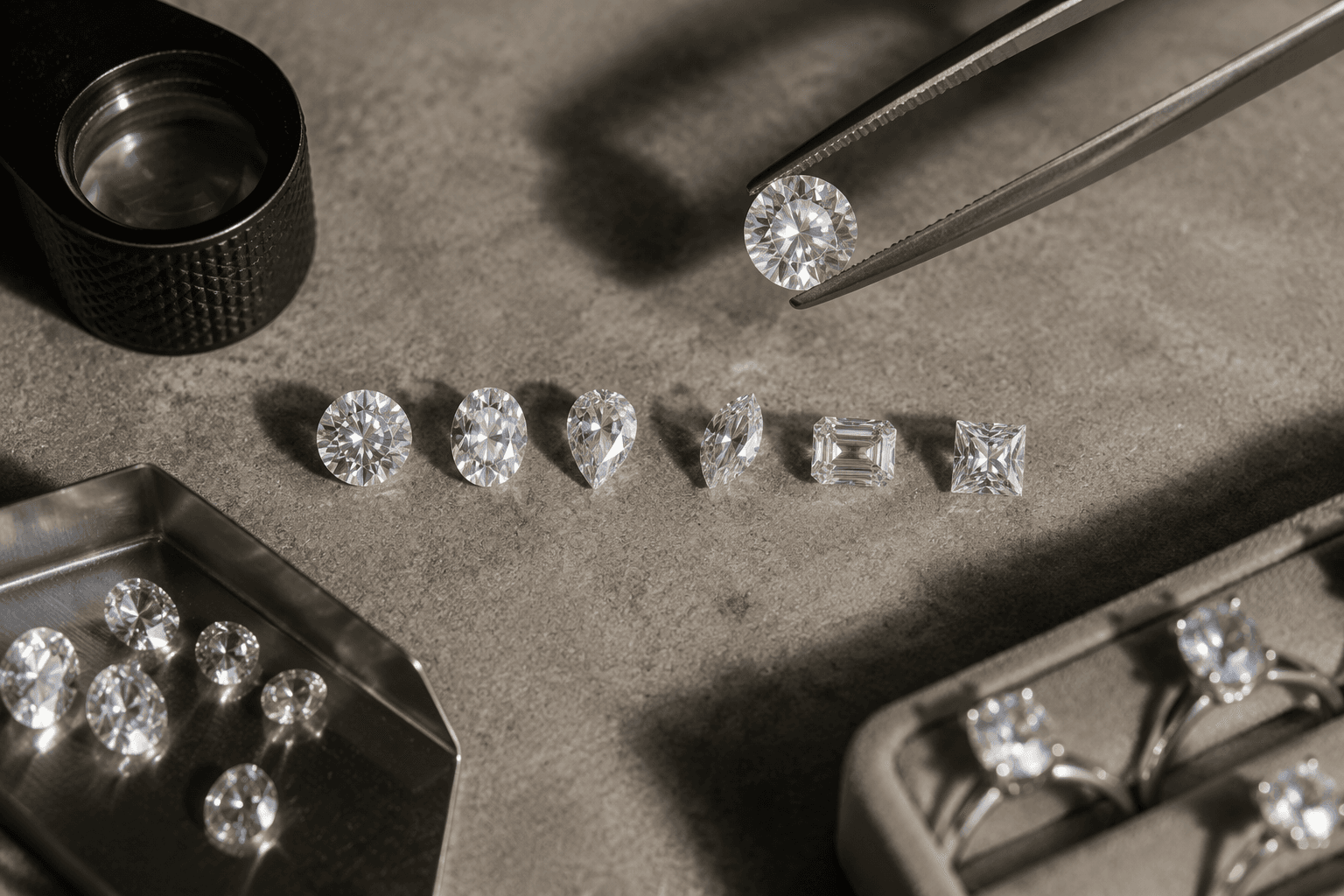
Cut choice shapes that impression more than most shoppers realize. Round brilliants usually deliver the most obvious fire, while step cuts such as emerald shapes read quieter and more architectural. If you love a lively stone but do not want the center of your hand to look like a mirror ball after sunset, the answer is often not a smaller carat look, but a more measured cut.
The setting changes the story as much as the stone
Prongs and bezels do not just change style, they change performance. A prong setting exposes more of the moissanite to light, which usually maximizes sparkle, while a bezel wraps the stone in metal for more security against daily bumps and snags. The tradeoff is real: a bezel can slightly calm the visual noise, but it also gives you a cleaner profile and a ring that is easier to live with if you are hard on your hands.
Hidden halos and pavé details add another layer of brilliance, but they also add maintenance points. More small stones mean more places for grime to collect and more surfaces to inspect over time, especially if the ring is worn every day. If you want a moissanite ring to feel substantial without demanding constant attention, a well-made solitaire or a carefully finished bezel can be more wearable than an ornate setting that looks dazzling only in a display case.
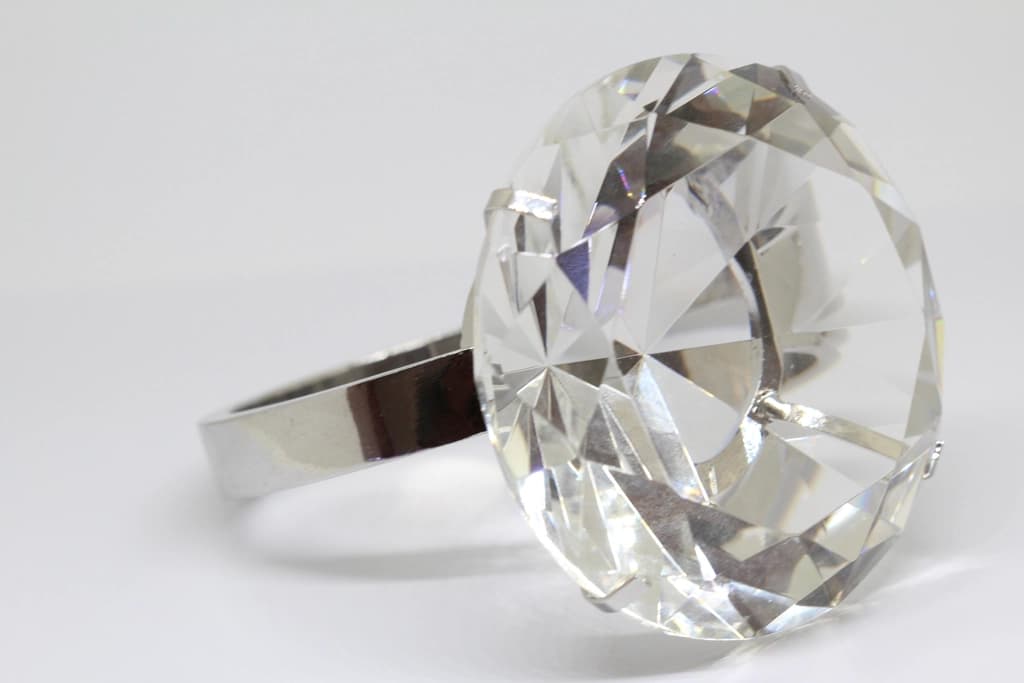
What months of wear reveal about durability
Moissanite itself tends to stay visually consistent. The stone’s structure, which that 2000 paper placed just below diamond in hardness and noted for lacking pronounced cleavage, is part of why the center stone can remain visually sharp after months of regular wear. What changes first is usually everything around it: the metal, the prongs, the rhodium finish and the thin film of skin oil that dulls sparkle before the gem itself looks tired.
If a ring starts to look less vivid, it is often a cleaning issue or a setting issue, not a stone failure. A quick wash with gentle soap and water, plus a soft brush and a careful look at the prongs, can restore the look dramatically, especially on rings with halos or pavé shoulders where residue gathers fastest.
Charles & Colvard, the longtime synthetic-moissanite specialist, built its business around moissanite since its founding in 1995, but the company filed for bankruptcy citing price pressures.
Before you buy, verify these details
- Ask for the millimeter measurement, not just the diamond-equivalent weight. A listing that leans on DEW can make a stone sound larger than it will read on your hand, so verify the face-up diameter.
- Confirm the setting type and how much metal protects the girdle. A bezel, prong or hidden-halo layout changes both sparkle and daily wear.
- Check the metal and finish. Rhodium-plated white gold, yellow gold and platinum all age differently, and the finish around the head can affect how bright the center stone appears.
- Make sure the gemstone description is clear and compliant with FTC jewelry guidance. The label should leave no room for confusion about what the stone is and is not.
- Look closely at the return and resizing policy, because the best moissanite ring is still a fit-and-proportion decision, not just a stone decision.
This article was produced by Prism’s automated news system from verified source data, official records, and press releases, then run through automated quality and moderation checks before publishing. The system is built and supervised by the people who set the standards it runs under. Read our full AI policy.
Did this article answer your question?