Charles & Colvard refocuses on moissanite as lab-grown diamond sales fade
Charles & Colvard is back to the stone that made it famous as lab-grown diamond pricing and online competition squeezed margins and pushed the company into Chapter 11.
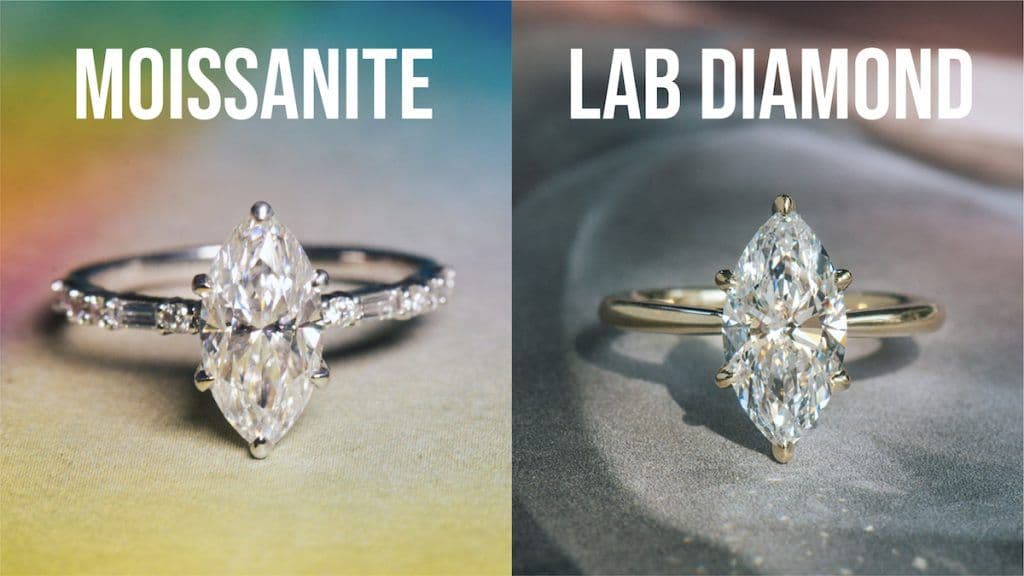
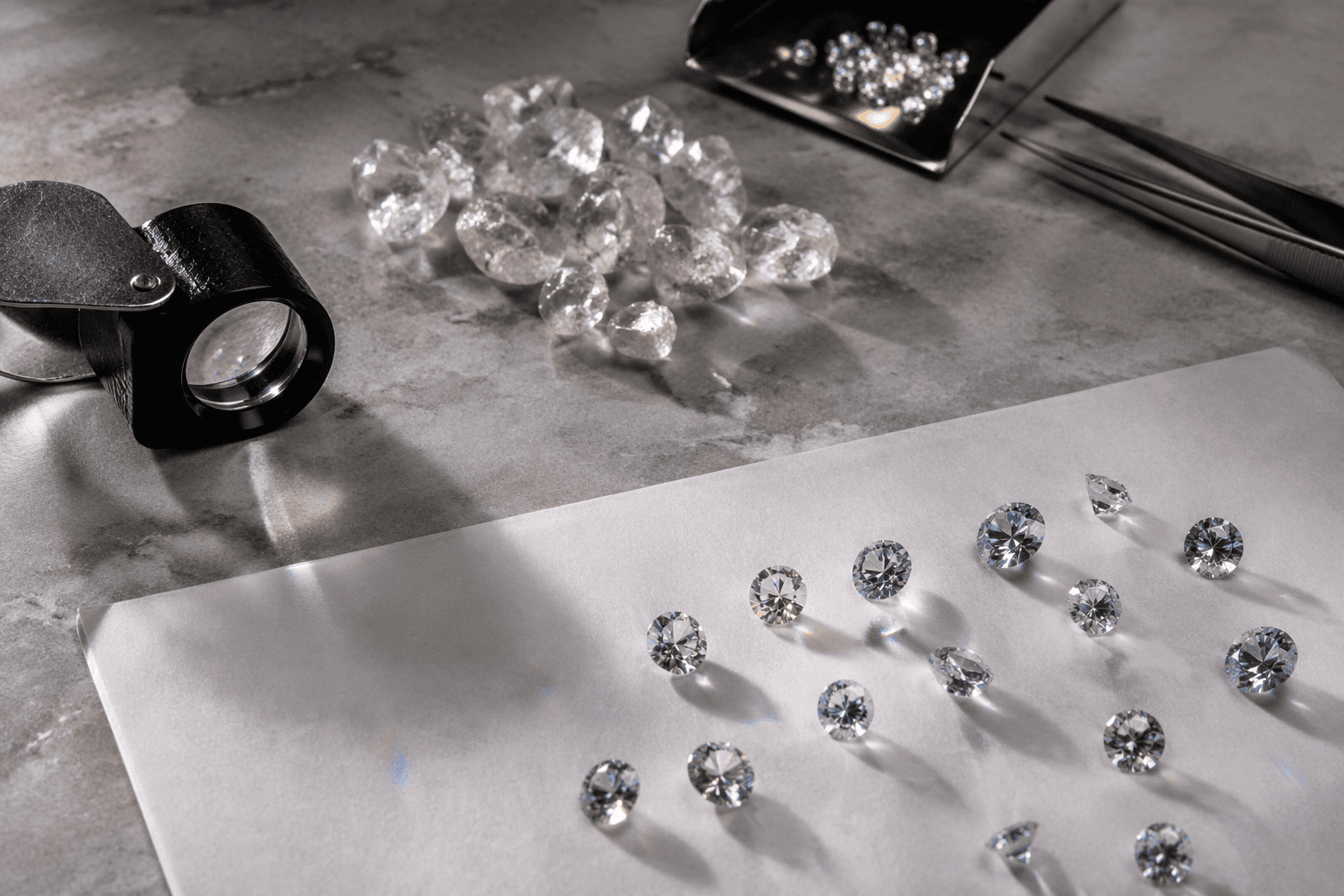
Charles & Colvard filed for Chapter 11 protection on March 2, 2026, after years of chasing lab-grown diamonds and then turning back to moissanite, the silicon-carbide gemstone that built its name. The reversal is a sharp reminder that not every sparkle sells on the same terms: diamonds may command attention, but moissanite still offers a clearer identity and, for Charles & Colvard, a business the company knows better than the crowded diamond arena.
Founded in 1995 in North Carolina’s Research Triangle Park, Charles & Colvard says it was the first to introduce lab-grown moissanite to the market. The company has long treated the stone as more than an imitation, and its premium Forever One line, introduced in 2015, helped frame moissanite as a distinct category rather than a stand-in. In April 2024, CEO Don O’Connell said, “Moissanite is our core business,” and said the company would sell moissanite directly to independent jewelers through an online access portal while re-emphasizing its Forever Bright and Forever One brands.
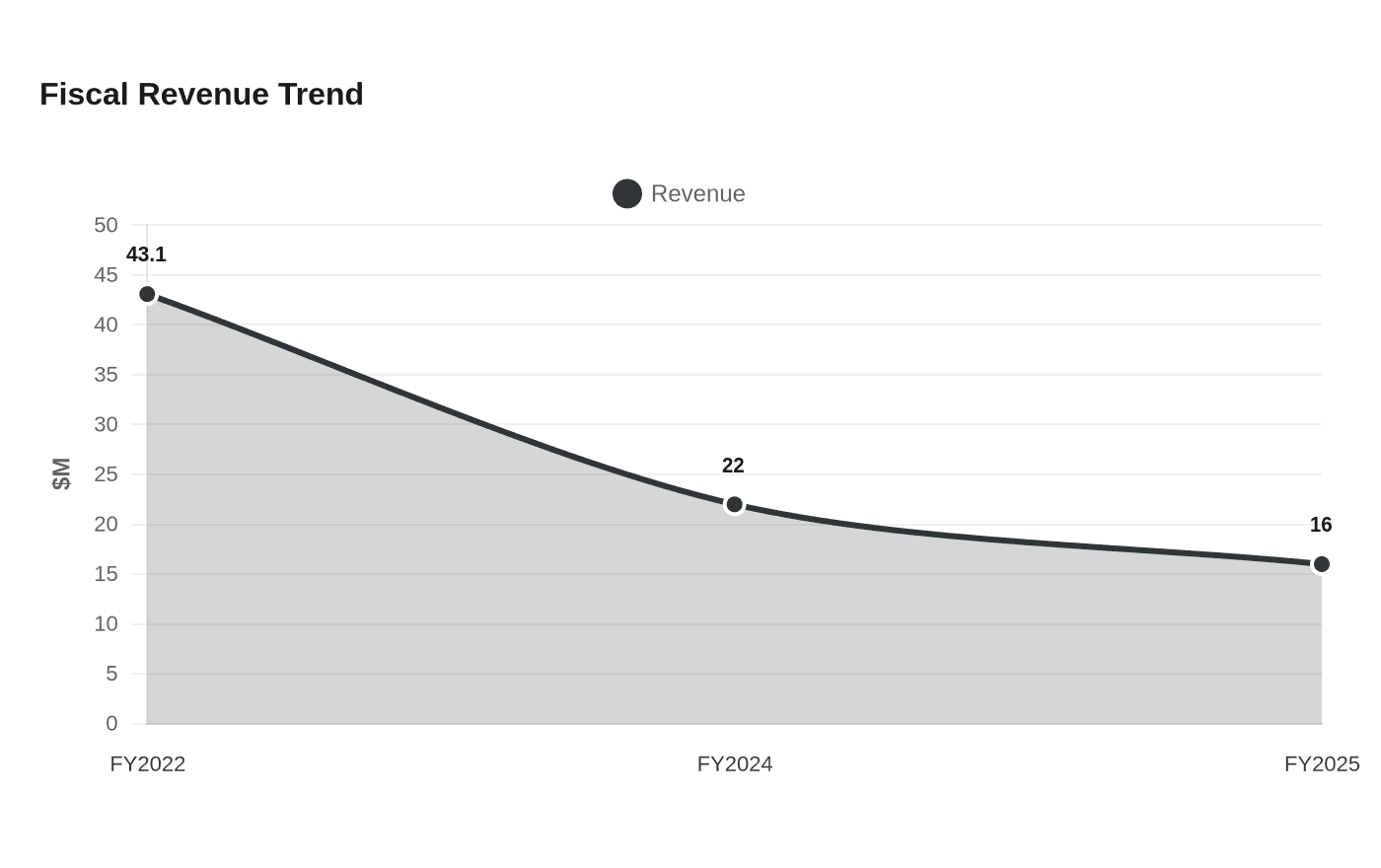
The financial picture behind that pivot was already darkening. Charles & Colvard’s 2025 annual report said about 15% of fiscal 2024 revenue came from moissanite gemstones and finished jewelry. The company said fiscal 2025 revenue fell to $16 million from $22 million the year before, after reaching an all-time high of $43.1 million in fiscal 2022. That kind of slide suggests not just softer demand, but a business struggling to hold pricing power in categories where shoppers can compare stones, settings and costs with a few clicks.
Charles & Colvard’s troubles widened in April 2025, when Nasdaq said it would delist the company’s common stock because it had not timely filed quarterly reports for the periods ended September 30 and December 31, 2024. Court filings in the Chapter 11 case cited falling prices for both moissanite and lab-grown diamonds, higher precious-metals costs and heavy competition from online sellers such as Blue Nile and Brilliant Earth. The company has said it is pursuing a comprehensive restructuring to position the business for long-term success, but its return to moissanite reads as both a reassertion of heritage and a bet that a smaller, more defined niche may be sturdier than the price war around lab-grown diamonds.
This article was produced by Prism’s automated news system from verified source data, official records, and press releases, then run through automated quality and moderation checks before publishing. The system is built and supervised by the people who set the standards it runs under. Read our full AI policy.
Did this article answer your question?