Does moissanite tarnish? How to keep it bright long term
Moissanite itself does not tarnish. When it looks dull, the cause is usually buildup, the setting, or worn metal, and the fix is often simple cleaning.

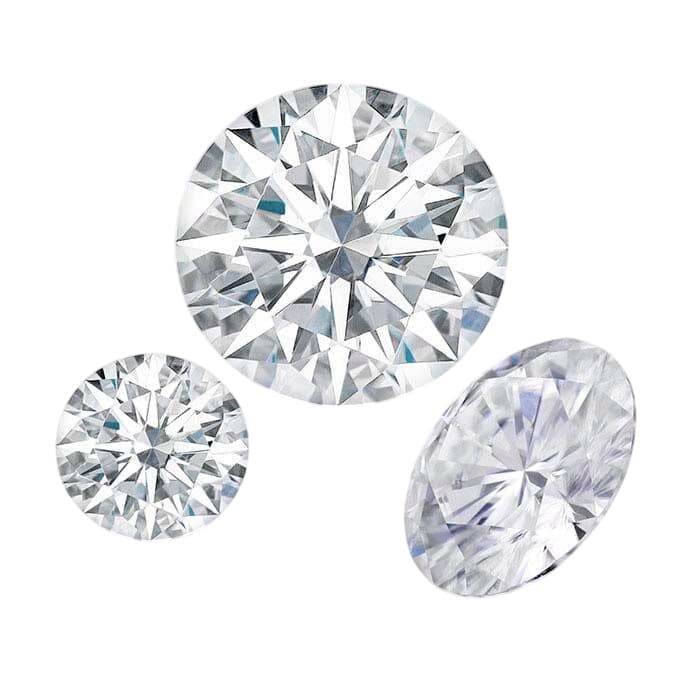
Moissanite does not tarnish. The stone is silicon carbide, and because natural moissanite is extremely rare, most jewelry-grade gems are lab-created. When a ring starts to look yellow or flat, the problem is usually residue on the stone, grime around the setting, or wear in the surrounding metal, not the moissanite itself.
What moissanite actually is
Moissanite entered the jewelry market nearly 30 years ago through Charles & Colvard, but the gem’s story goes back more than 120 years to Henri Moissan’s discovery of the mineral. Natural moissanite has turned up in meteorites, upper mantle rock, and even as inclusions in diamonds, which helps explain why the natural material is so scarce. A lab-created stone is the norm for rings, pendants, and earrings, and that is not a compromise so much as the only practical way the gem reaches fine jewelry cases.
Moissanite is incredibly durable, second only to diamond in hardness, with resistance to scratches, chips, and cracks. That durability is why moissanite earns a place in everyday pieces, especially engagement rings that see constant contact with skin, soap, sleeves, and hand lotion. The stone’s fire and brilliance are meant to hold, so if a piece seems to fade, the culprit is usually external.
Why a bright stone can look dull
The most common confusion around moissanite is mistaking surface buildup for color change. Lotions, perfume, hairspray, household cleaners, and chlorinated pools can affect precious metals and some gems, and jewelry should be checked about every six months while being cleaned frequently. A moissanite ring is never just a stone in isolation: the prongs, basket, and band all influence how much light reaches the gem and how much sparkle reaches the eye.

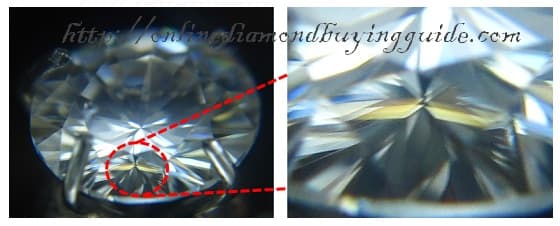
The "oil slick" effect is a rainbow-like residue that can sit on the surface and mute brilliance until it is removed. That dull, slightly hazy look is a maintenance issue, not a sign that the gem has gone bad. In practice, the quickest diagnosis is simple: if the stone brightens after a wash, the moissanite was never the problem.
How to clean moissanite without harming it
For routine care, warm water and mild dish soap are the standard starting point. Moissanite should be cleaned monthly, or more often if the piece is worn every day. That cadence keeps skin oil, cosmetics, and everyday grime from building into the kind of film that steals sparkle.
A quick at-home cleaning is often enough for rings and pendants that have simply collected residue. If the jewelry still looks tired after a gentle wash, the issue is likely not the stone itself but the mounting around it, especially where dirt can lodge beneath the center stone or where metal has lost its polish. At that point, cleaning stops being the answer and inspection becomes the next move.
When the problem is the setting, not the stone
A moissanite can remain perfectly sound while the surrounding jewelry needs attention. Prongs can loosen, settings can trap buildup, and metal can lose its crisp finish, all of which make a bright gem look less lively. A check about every six months can catch a mounting issue before it becomes a repair.
If you are choosing an engagement ring, ask what the setting is made from, how it should be cleaned, and how often it will need professional checkups.
What to ask before you buy
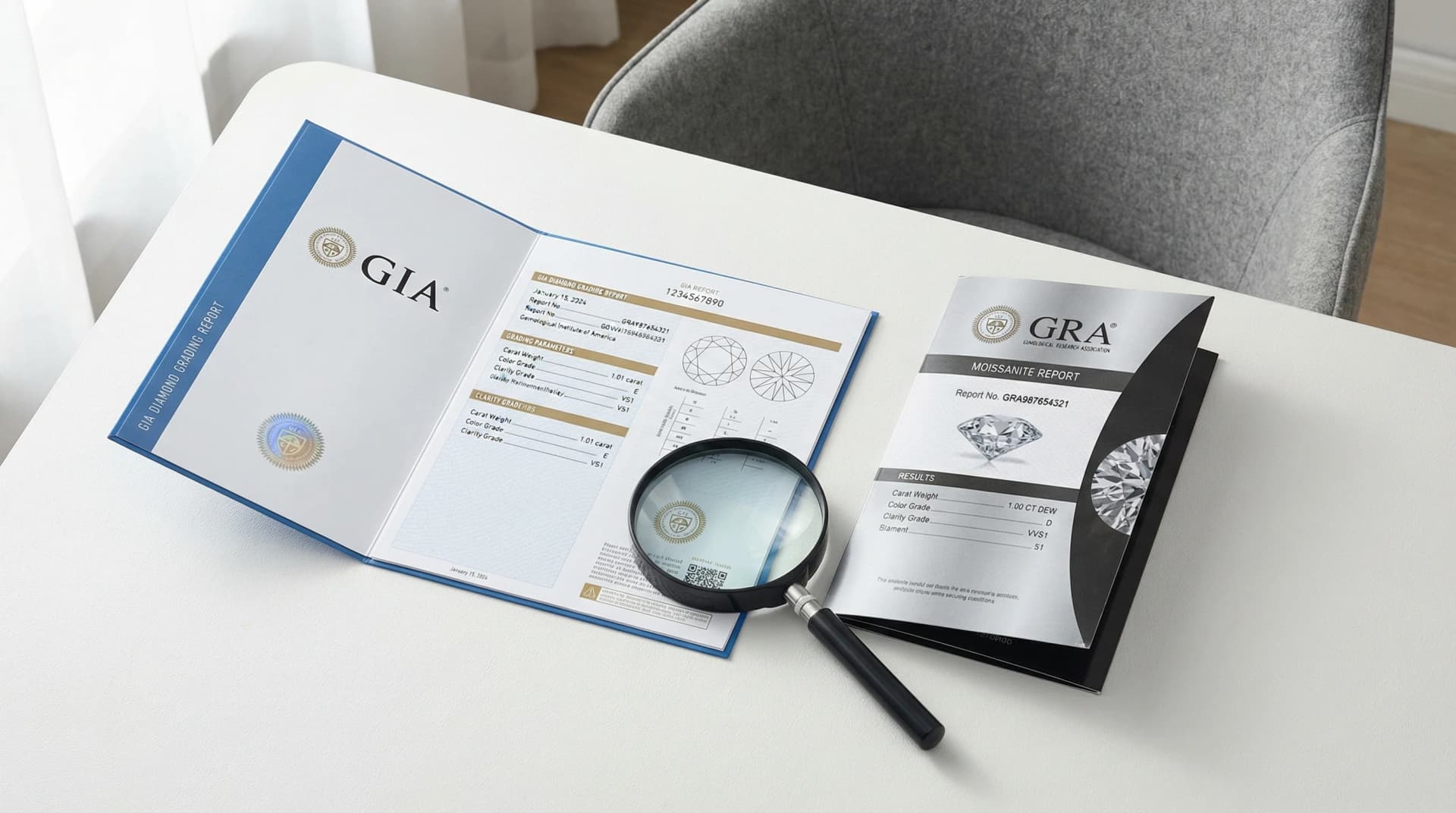
Moissanite sits in the same conversation as diamond because both are prized for brilliance, but the comparison only works when the materials are named honestly. The Federal Trade Commission’s Jewelry Guides apply to gemstones and their laboratory-created or imitation substitutes, which means descriptions should be clear, specific, and not dressed up in vague language. If a seller cannot plainly say that the stone is moissanite, that it is lab-created, and what metal holds it, the claim is too fuzzy to trust.
This article was produced by Prism’s automated news system from verified source data, official records, and press releases, then run through automated quality and moderation checks before publishing. The system is built and supervised by the people who set the standards it runs under. Read our full AI policy.
Did this article answer your question?