Natural moissanite's rare origins reshape how buyers see jewelry
Moissanite began in a meteor crater, but the jewelry market runs on lab-grown silicon carbide. Knowing that split protects buyers from vague origin language and inflated rarity claims.
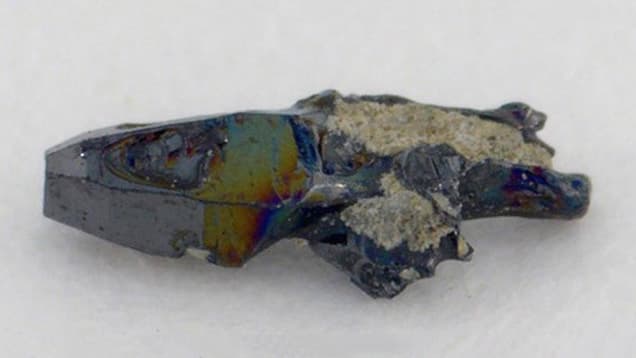
Moissanite has a crater-born origin story, but the stone in a ring case is usually something else entirely. Henri Moissan identified the mineral in 1893 in a meteorite crater, and Gemological Institute of America later highlighted record-size natural crystals discovered in Israel. For shoppers, the crucial distinction is simple: almost all moissanite sold in jewelry is synthetic silicon carbide grown for the gem trade.
A mineral with a meteorite name
Natural moissanite earned its name from a scientist, not a marketing team. The mineral was first identified by French chemist Henri Moissan in 1893, when he found it in a meteorite crater, and the name stuck because the material itself was such a rarity. That origin still gives moissanite its mystique, but it also explains why the natural form never became a mainstream jewelry supply.
GIA’s Summer 2014 Gem News International report, Record-Size Natural Moissanite Crystals Discovered in Israel, matters because it reminds buyers that natural moissanite is real, not fictional. Related mineral references place the locality in the Kishon River area of the Haifa District in northern Israel, where record-size natural crystals were documented. Even so, the find underscores scarcity rather than availability: natural moissanite is found only in trace amounts in meteorites and certain geological formations.
What buyers actually encounter in the jewelry case
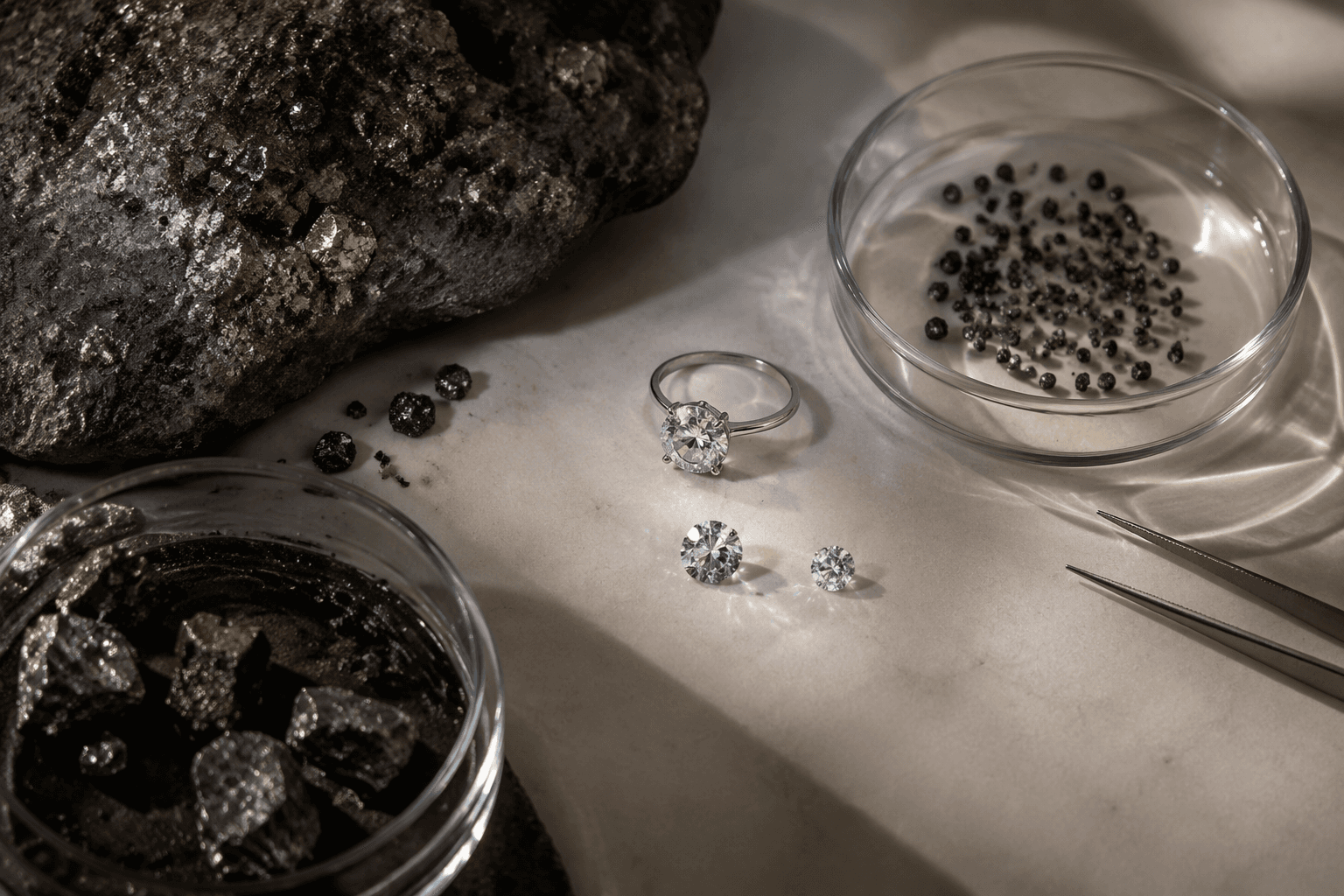
The moissanite most people see in rings, earrings, and pendants is not mined from the earth. It is synthetic silicon carbide, grown under controlled conditions so gem-quality stones can be produced consistently and in usable sizes. That shift from rare mineral to engineered gemstone is why moissanite became a jewelry category at all.
Trade sources credit Charles & Colvard as the original creator and marketer of synthetic moissanite jewelry, and a U.S. patent record for Silicon carbide gemstones lists a priority date of August 31, 1995 and a filing date of October 30, 1996. Kurt Nassau described synthetic moissanite as a new man-made jewel, which captures the modern reality better than the romantic mineral lore does. When a seller leans on the meteorite story, the buyer still needs to ask the practical question: is this a natural specimen, or the lab-grown material that dominates the market?
Why the stone wears like a serious daily gem
Moissanite earns its place in jewelry because it is durable and bright. Jewelry and education sources commonly place its Mohs hardness around 9.25 to 9.5, just below diamond, which makes it suitable for everyday wear in rings and other frequently handled pieces. Its high refractive properties also give it strong brilliance, one reason many buyers like it for center stones where sparkle matters.
That durability and optical life are part of the value equation, but they do not make moissanite rare in the way a mined gemstone can be rare. Pricing tends to reflect controlled production, consistent quality, and size availability rather than the scarcity that drives natural gem markets. If a description suggests that moissanite should command diamond-like prices because of a dramatic origin story, the claim deserves skepticism.
How to read the label without being misled
The most useful moissanite purchase starts with clear disclosure. Ask whether the stone is natural moissanite or synthetic silicon carbide, and expect the answer to be direct rather than wrapped in meteorite language. A seller who uses words like natural, rare, or ancient without stating how the stone was identified is relying on romance, not clarity.
A careful buyer can keep the conversation grounded with a few simple questions:
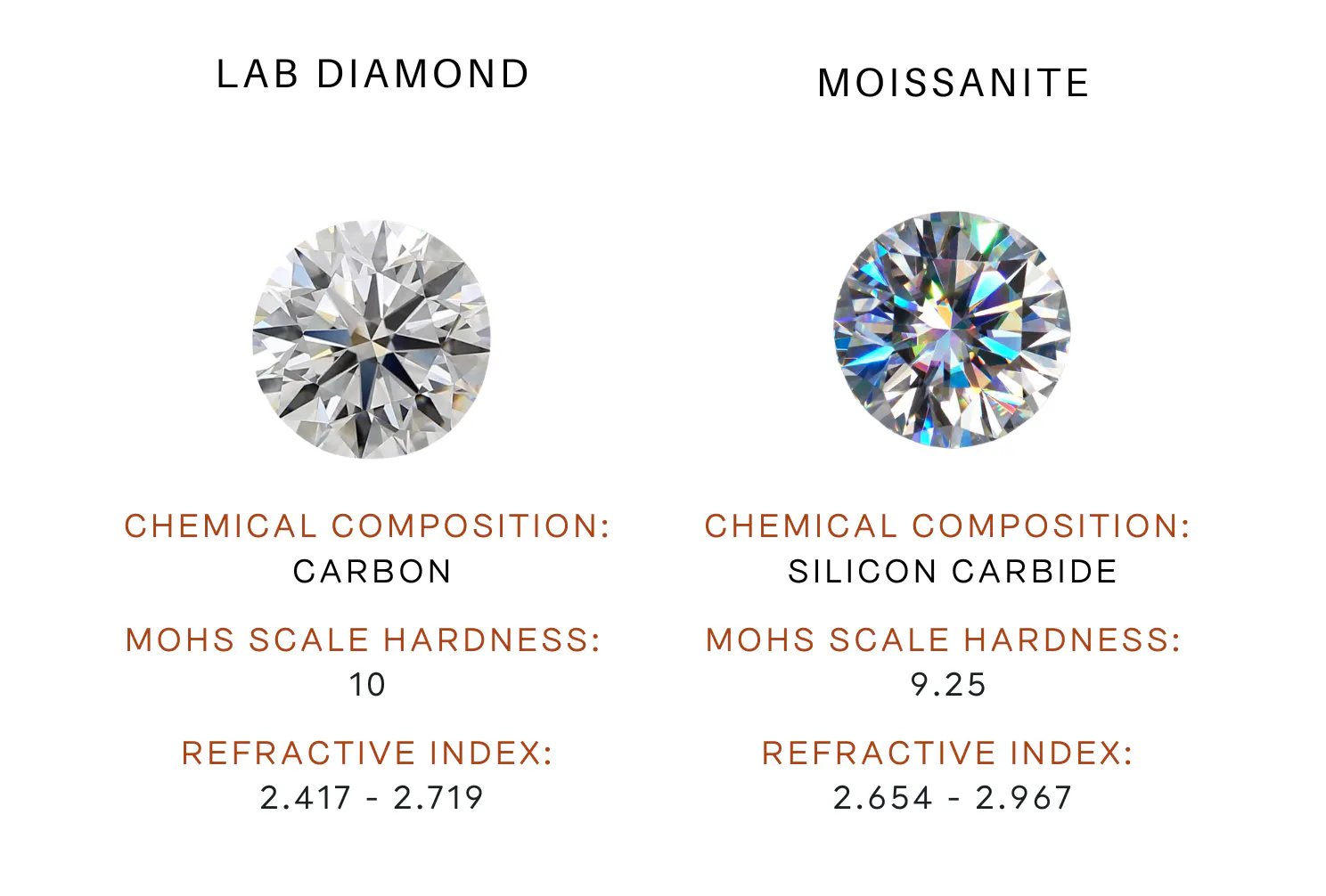
- Is the stone natural moissanite or lab-grown silicon carbide?
- Does the documentation identify the material clearly, rather than relying on a marketing term alone?
- If the piece is described as natural, what evidence supports that claim, given how rarely natural moissanite occurs outside meteorites and certain geological formations?
- Does the price reflect a manufactured gem or an allegedly rare natural specimen?
Those questions matter because the category carries two different stories at once. Natural moissanite belongs to mineral history, with Henri Moissan’s 1893 discovery and the 2014 Israeli crystal find marking real scientific milestones. Jewelry moissanite belongs to modern gemmaking, where synthetic growth, reliable sizing, and strong brilliance turned a once-obscure mineral into a practical alternative for buyers who want beauty, durability, and a clearer value story.
The smartest way to shop moissanite is to separate the legend from the label. When the origin is disclosed honestly, the stone can be judged for what it actually is: a lab-grown silicon carbide gem with real sparkle, real strength, and no need for exaggerated natural rarity to justify its place in fine jewelry.
This article was produced by Prism’s automated news system from verified source data, official records, and press releases, then run through automated quality and moderation checks before publishing. The system is built and supervised by the people who set the standards it runs under. Read our full AI policy.
Did this article answer your question?