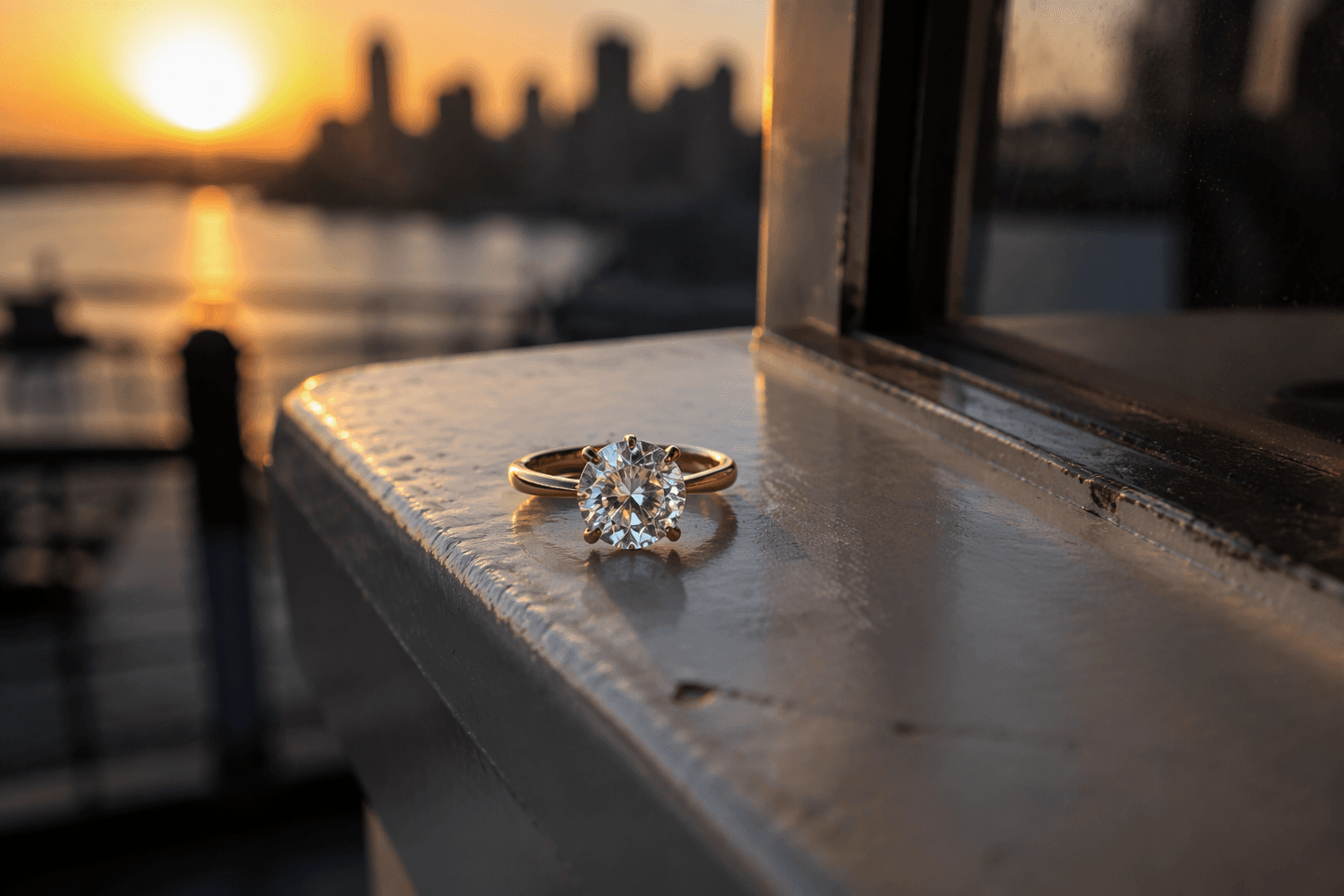
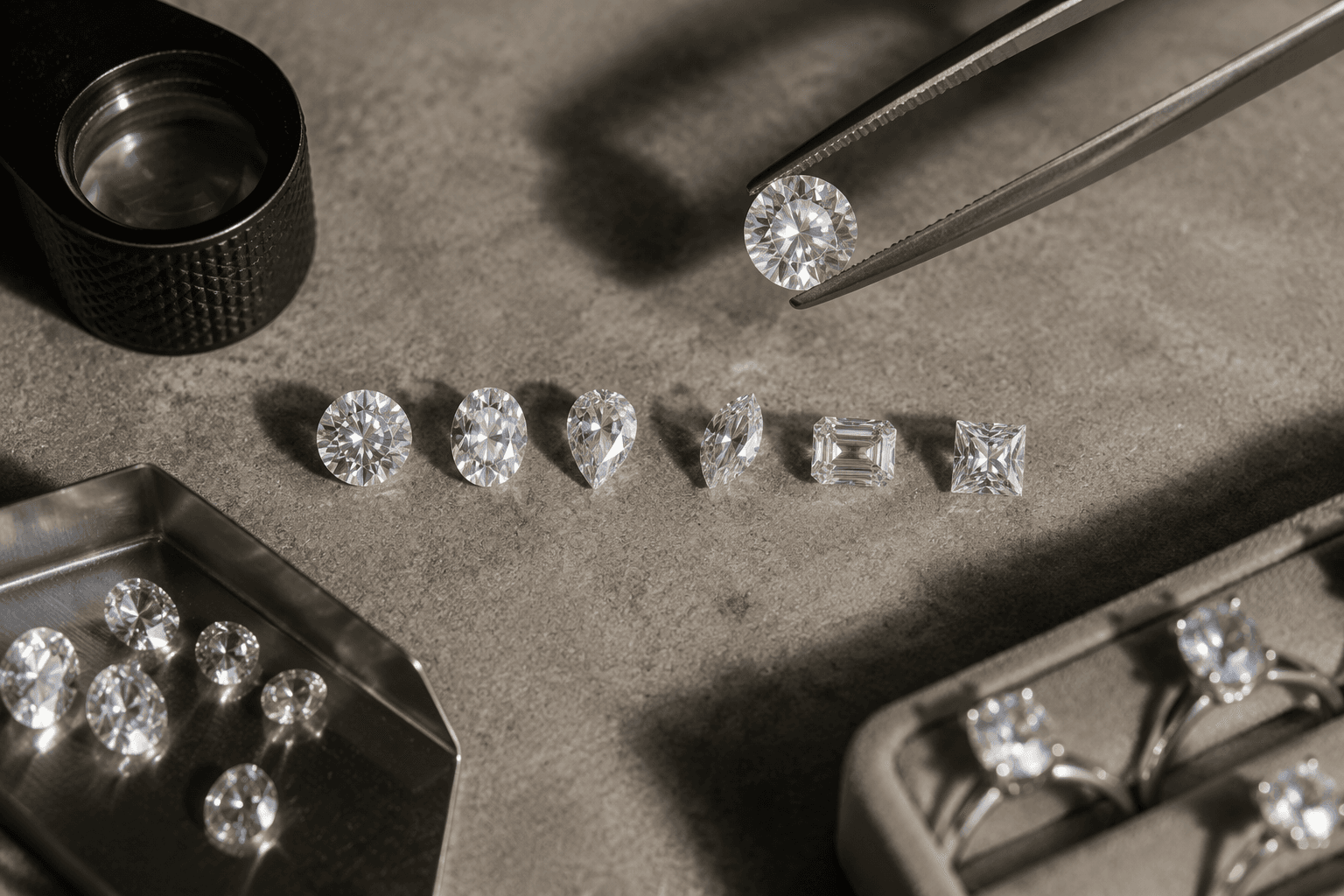
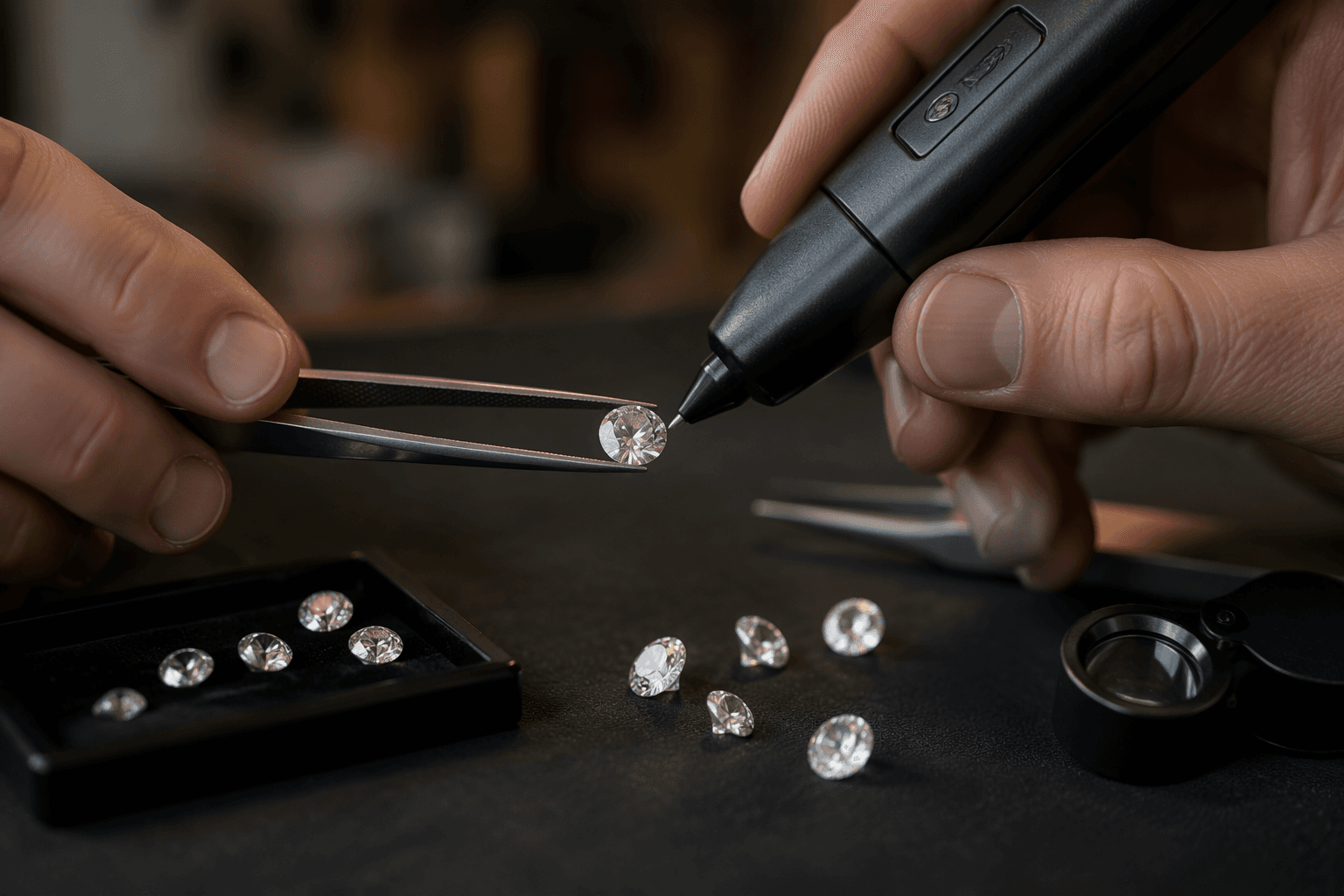
Ring Come True reframes moissanite as a serious jewelry choice
Ring Come True is selling moissanite as a design choice, not a stand-in, and the real test is whether the cut, setting, price and disclosure justify that pitch.

Ring Come True is betting that moissanite can stand on its own, not just borrow credibility from diamonds. The Toronto-based online store, which sells moissanite and lab diamond engagement rings and jewellery, frames the stone around love, ethics and everyday wear, and that pitch lands in a market that is already warming to alternative center stones.
Moissanite’s appeal is not subtle sparkle, it is a different kind of brilliance
Moissanite’s case starts with its physical properties. The stone is widely described as durable, with a Mohs hardness of 9.25, and it has a higher refractive index than lab-grown diamond, at roughly 2.65 to 2.69 versus 2.42. In practice, that means a moissanite ring throws a lot of light back to the eye, with a bright, fiery look that reads immediately on the hand.
That optical punch is part of why the stone has moved beyond the old imitation framework. CustomMade describes moissanite as lab-made, all fire and brilliance, and affordable even in large sizes, which is the core value proposition buyers keep returning to. If you want a ring that can handle daily wear and still give you a strong visual return for the money, moissanite makes a different kind of argument than diamond does.
Ring Come True’s branding shows how far the category has shifted
Ring Come True is not selling moissanite as a compromise. Its Instagram bio says it is “shifting the focus back to love, one ethical ring at a time,” and notes that worldwide shipping is available. That language matters because it moves the story from substitution to intention: the point is not that moissanite looks enough like a diamond, but that it deserves to be chosen on purpose.
The company’s broader positioning reinforces that shift. It presents itself as an online store for moissanite and lab diamond engagement rings and jewellery in Toronto, with in-person visits by booking and online ordering built into the model. That combination of digital reach and physical access is now common among bridal jewelers, but it also raises the bar: if a brand is promising ethics and romance, the materials and workmanship need to be spelled out clearly.
The market is already making room for nontraditional center stones
Ring Come True is not pushing against the current. WWD has also covered couples ditching diamonds for alternative gemstone engagement rings, and separate coverage has shown cluster engagement rings rising as alternatives to solitaires. Together, those shifts point to a consumer who is less attached to the idea that one stone shape, one material or one hierarchy of value has to define an engagement ring.
That helps explain why moissanite is increasingly sold as a standalone style rather than a diamond substitute. MoissaniteCo says it offers 2,300-plus handcrafted engagement-ring designs, and Charles & Colvard has published content titled Why Moissanite Engagement Rings Are A Smart Investment as well as Trendsetters Paradise Stay Ahead With The Latest Moissanite Jewelry Trends. Those are vendor claims, but they signal a market with enough depth to support design variety, education and a more ambitious sales pitch than “looks like a diamond.”
How to tell real value from repackaged marketing
If you are weighing moissanite as a serious purchase, the difference between value and branding usually shows up in four places: the stone, the setting, the price and the disclosure.
- Cut quality matters first. Moissanite’s fire can look beautiful in a well-proportioned round brilliant, but an overly busy faceting pattern or a shallow setting can make the stone flash in a way that feels chaotic rather than refined.
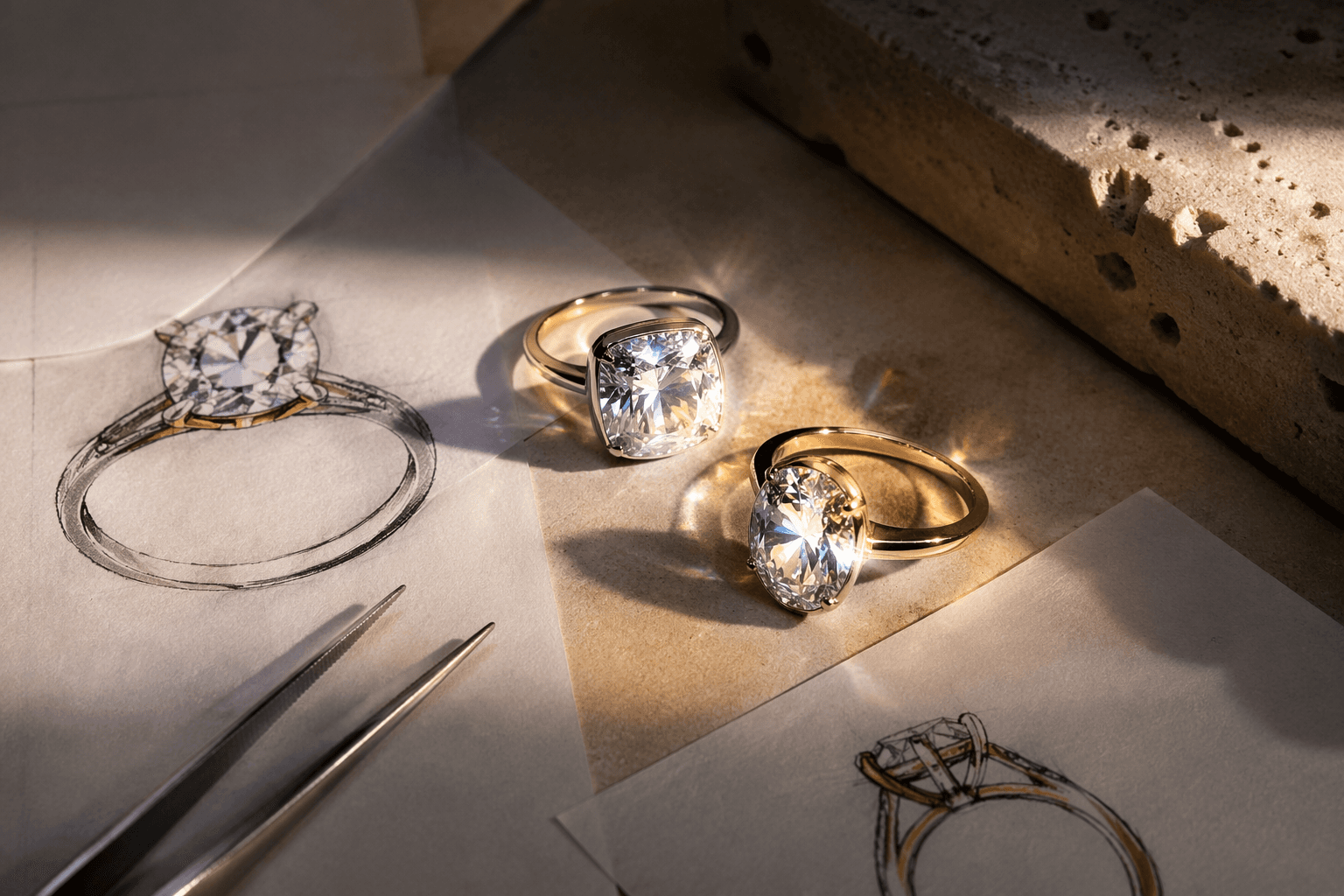
- Setting design matters just as much. Solitaire settings keep the focus on the center stone, while cluster and halo designs can amplify spread and sparkle. If you are buying for daily wear, look closely at prong security, basket height and how much the ring sits above the finger.
- Pricing logic should make sense. A moissanite ring should not be priced like a diamond ring simply because it is being sold with luxury language. Compare the cost against other moissanite sellers, including collections as broad as MoissaniteCo’s 2,300-plus handcrafted designs, and ask what you are paying for beyond the center stone.
- Disclosure should be explicit. The listing should clearly say moissanite, not bury the material in small print or vague “ethical” language. If the ring includes a lab diamond or another gemstone, that should be named separately so you know exactly what is in the setting.
Where certifications and ethics need the most scrutiny
This is the part of the category where shoppers need to stay sharp. Lab-grown diamonds are often sold with IGI or GIA grading paperwork, and some retailers use that documentation as a trust signal. Moissanite itself is a different material, so if a seller leans on certification language, make sure the paperwork matches the actual stone in the ring and does not blur moissanite, lab diamond and diamond into one soft claim.
The word ethical also deserves precision. A lab-grown stone is not automatically a complete sustainability story, and world shipping does not tell you anything about sourcing. What matters is whether the seller is clear about the stone’s identity, the metal used in the setting, the quality of the workmanship and the distinction between marketing language and verifiable product detail.
Ring Come True is reading the moment correctly: buyers are open to beauty that is affordable, durable and not pretending to be something else. The brands that will win this category are the ones that back up that promise with cleaner design, clearer disclosure and a more honest explanation of why moissanite belongs in the conversation at all.
This article was produced by Prism’s automated news system from verified source data, official records, and press releases, then run through automated quality and moderation checks before publishing. The system is built and supervised by the people who set the standards it runs under. Read our full AI policy.
Did this article answer your question?