Russia tightens synthetic gem labeling, signaling stricter moissanite rules
Russia will force lab-grown stones to be sold as synthetics in grams, not carats, a shift that could change how buyers read moissanite and diamond labels.
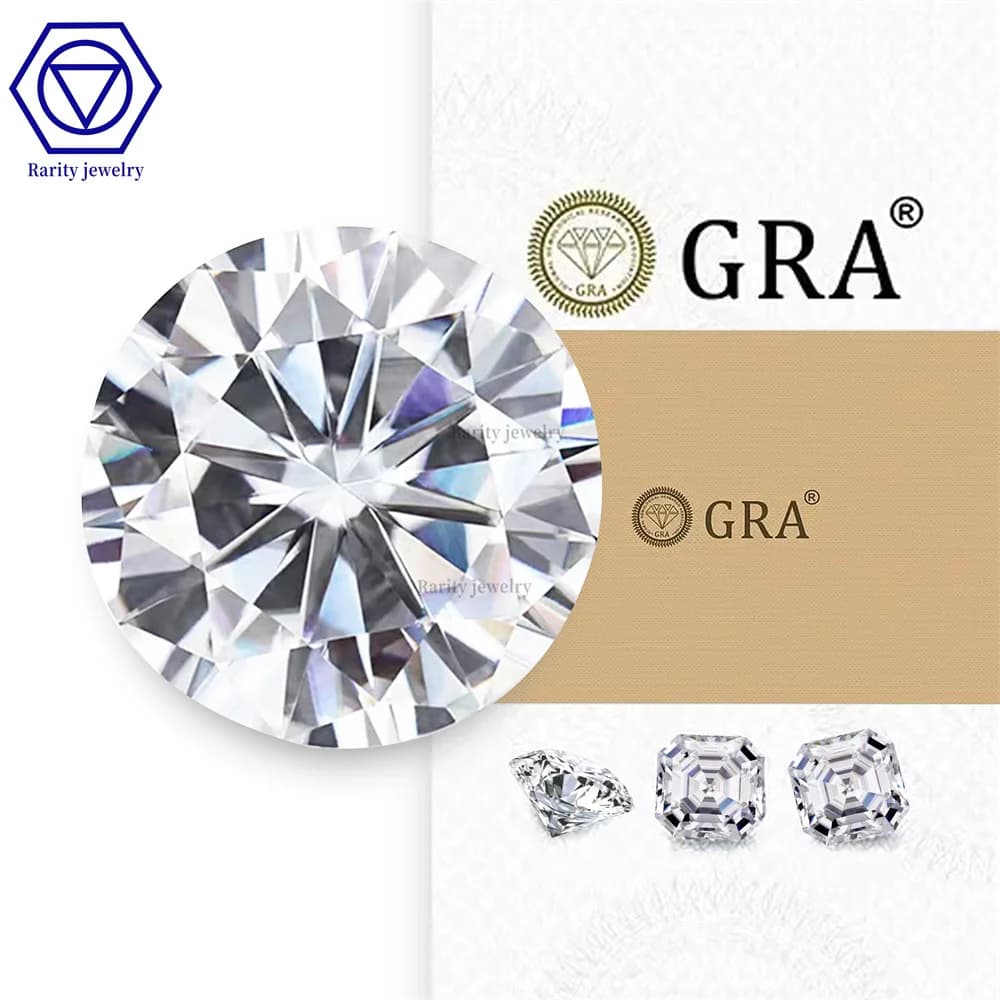
Russia will require synthetic stones in jewelry to be labeled “synthetic” or “Synth.” starting Sept. 1, 2026, and to be sold by grams rather than carats. The new rules, set out in Government Resolution No. 657 dated May 30, 2026, also forbid sellers from using “diamond” or its derivatives for man-made stones and extend to ads and marketing copy.
For shoppers comparing moissanite, lab-grown diamond and natural diamond listings online, the change is about more than vocabulary. Carats signal gemstone retail in much of the market; grams signal mass, and Russia now wants synthetic goods measured in the language of weight rather than diamond prestige. ALROSA-linked material says some wholesale synthetic stones already trade below $70 per 0.2 grams, or 1 carat, in certain categories, a price gap that makes precise labeling matter.
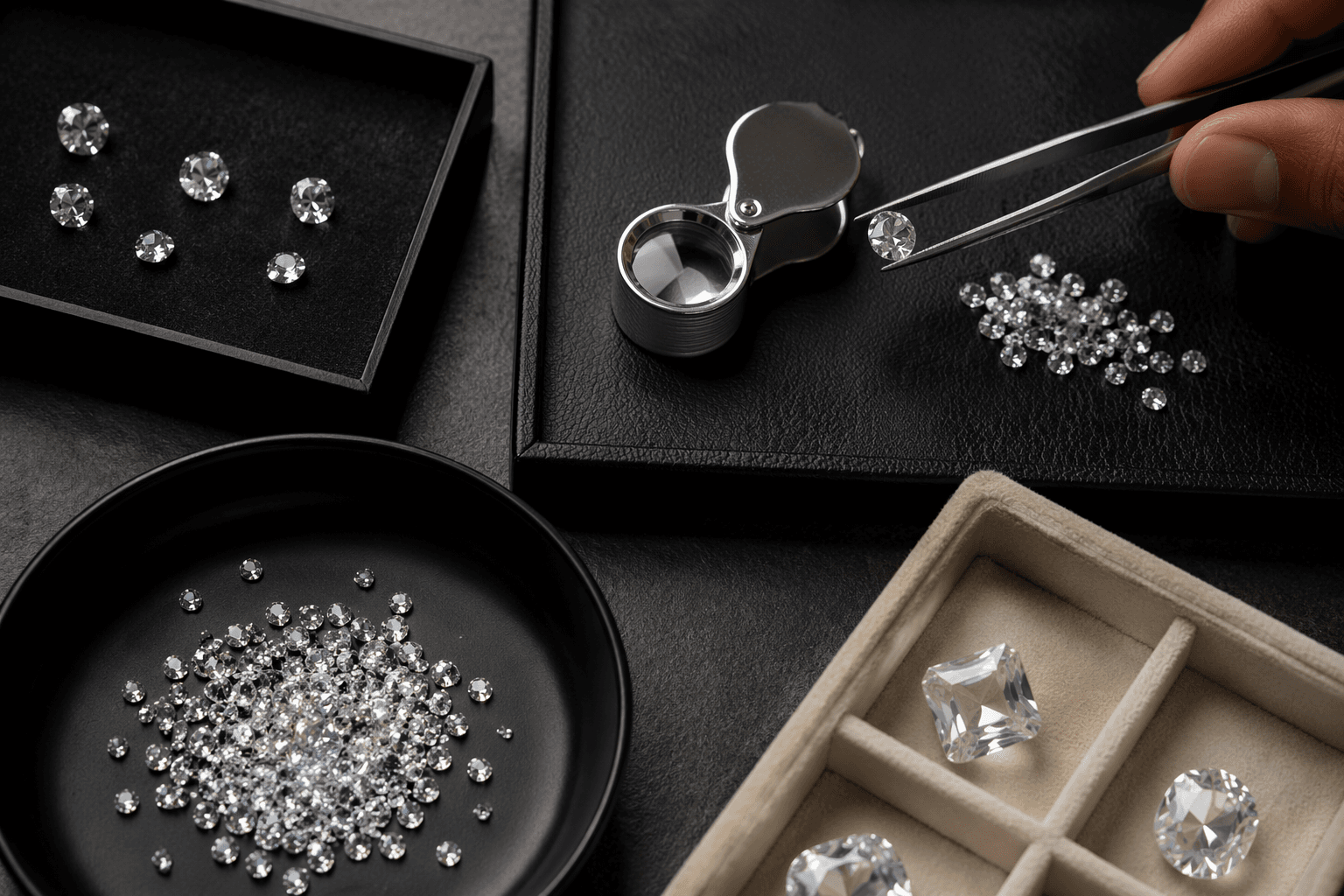
The Russian government says the goal is consumer protection and a clearer distinction between natural and synthetic stones. The ban reaches consumer-facing information beyond tags and labels, including advertising and marketing materials, and it also bars quality and color descriptors that are normally tied to natural diamonds. Terms such as “precious,” “real,” “genuine,” “natural,” “mined,” “mineral” and “eco-friendly” are off the table for synthetic stones under the new standard.
The move lands in a country that ALROSA says remains the world’s largest producer of natural diamonds by volume, which gives Russia unusual weight in the terminology fight. It also lines up with a broader tightening: France required man-made diamonds to be labeled synthetic at the start of 2024, and India and the African Diamond Producers Association have also moved to rein in synthetic-diamond descriptors. When it takes effect on Sept. 1, only “synthetic” or “Synth.” will satisfy Russia’s new standard.
This article was produced by Prism’s automated news system from verified source data, official records, and press releases, then run through automated quality and moderation checks before publishing. The system is built and supervised by the people who set the standards it runs under. Read our full AI policy.
Did this article answer your question?