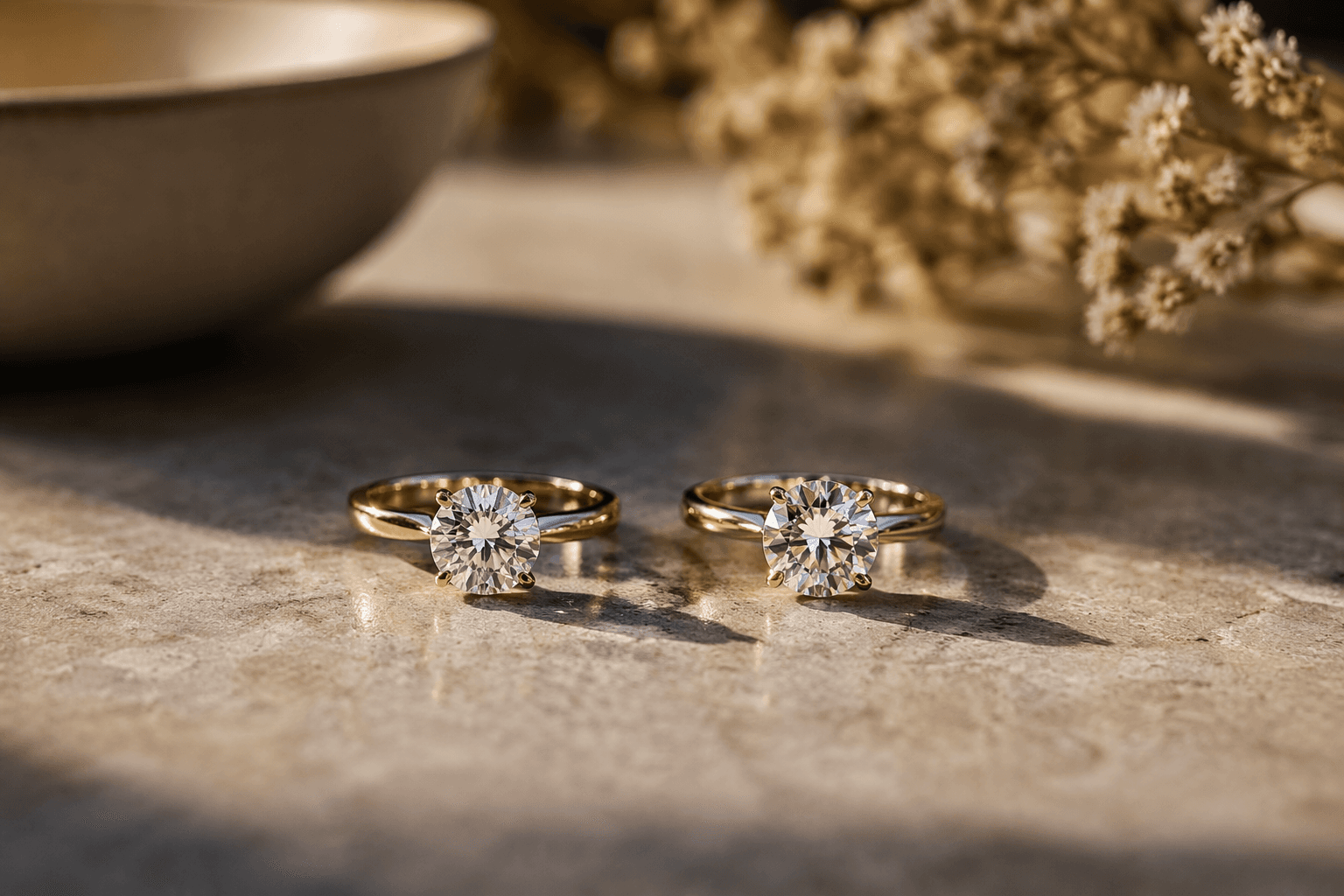
Yehuda upgrades Sherlock software to detect moissanite and lab-grown diamonds
Yehuda’s Sherlock AI now flags moissanite, CZ, and lab-grown diamonds with color-coded results, sharpening trust at the counter.
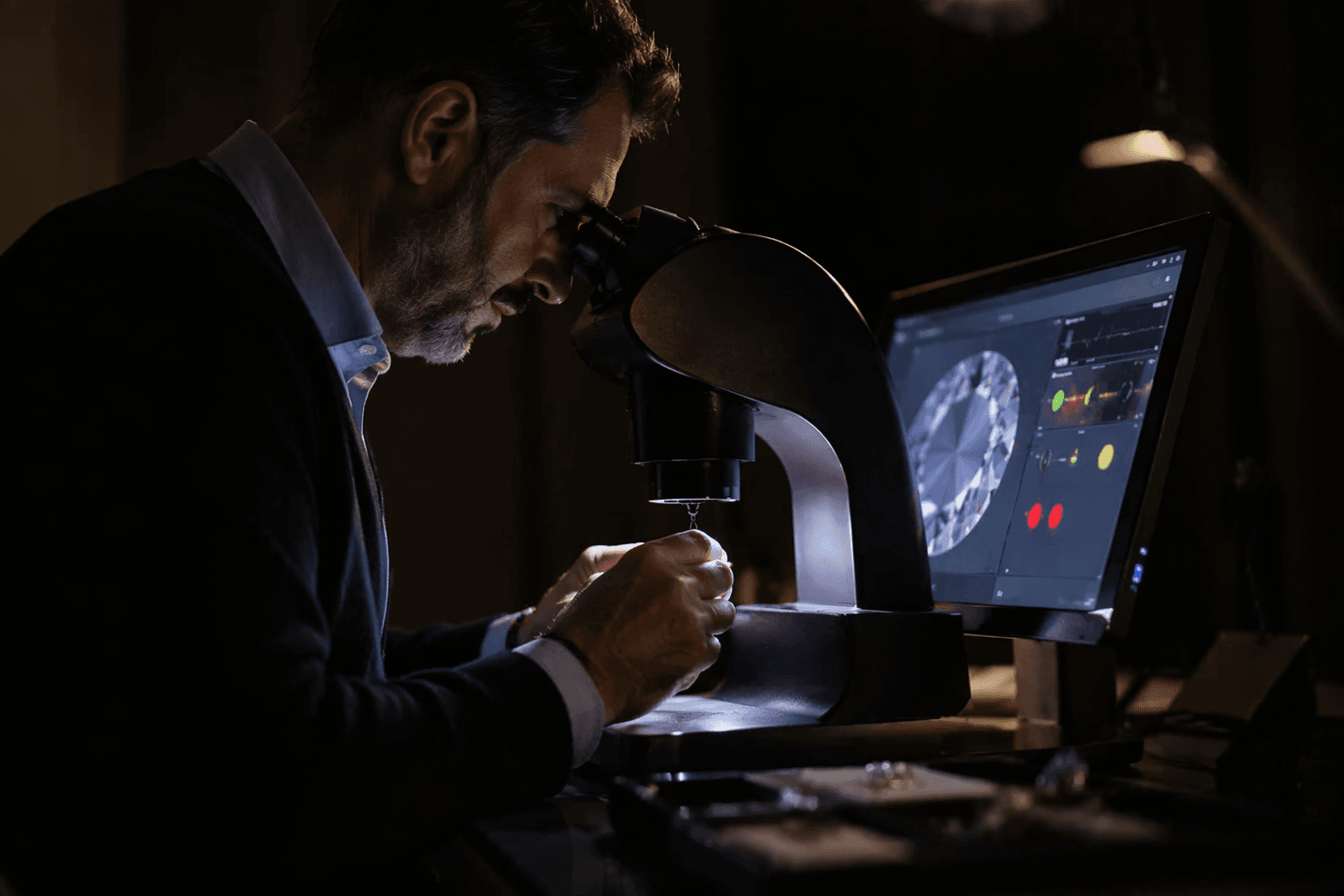
Yehuda has upgraded its Sherlock AI software to separate natural diamonds from HPHT and CVD lab-grown diamonds, moissanite, and cubic zirconia with color-coded results, a practical shift for jewelers selling in a market where lookalike stones increasingly test the eye and the loupe.
The system assigns natural diamond a blue result, HPHT lab-grown diamond red, CVD lab-grown diamond green, cubic zirconia pink, and moissanite orange. Yehuda says cubic zirconia is identified through distinctive pink fluorescence, while the software uses AI-powered stone identification to make each category clear at a glance. For retailers, that kind of readout changes the selling conversation: moissanite can be presented on its own merits rather than lumped together with diamond substitutes, and appraisals can move from guesswork to a more defensible, documented identification process.
Sherlock Holmes 4.0 also posted a 100% lab-grown diamond detection rate in the Natural Diamond Council’s ASSURE 2.0 testing, according to Yehuda’s materials. The assessment report was received on March 11, 2024, ran from June 11, 2024 to Aug. 16, 2024, and was dated Aug. 22, 2024. Yehuda says the testing covered primary loose, small loose, primary mounted, and small mounted samples, which matters because mounted stones are often where screening becomes more difficult on the sales floor.
The Natural Diamond Council’s ASSURE directory describes Sherlock Holmes 4.0 as a portable desktop diamond verification instrument for loose and mounted stones designed to separate natural diamonds from synthetic diamonds. That positioning puts the machine squarely in the daily workflow of jewelry stores, where speed, portability, and clear output matter as much as analytical depth. Yehuda says it will continue to enhance the product as new detection capabilities are developed.
The timing is telling. GIA has long noted that simulants such as cubic zirconia and moissanite have been popular for decades, can resemble diamonds, and differ sharply in composition and physical properties. As moissanite jewelry continues to gain ground as an affordable alternative, especially in bridal and engagement pieces, the ability to distinguish it cleanly from both lab-grown and natural diamond becomes part of the value proposition itself. In a display case, that means less confusion. At the counter, it means greater confidence in every stone sold, insured, and appraised.
This article was produced by Prism’s automated news system from verified source data, official records, and press releases, then run through automated quality and moderation checks before publishing. The system is built and supervised by the people who set the standards it runs under. Read our full AI policy.
Did this article answer your question?