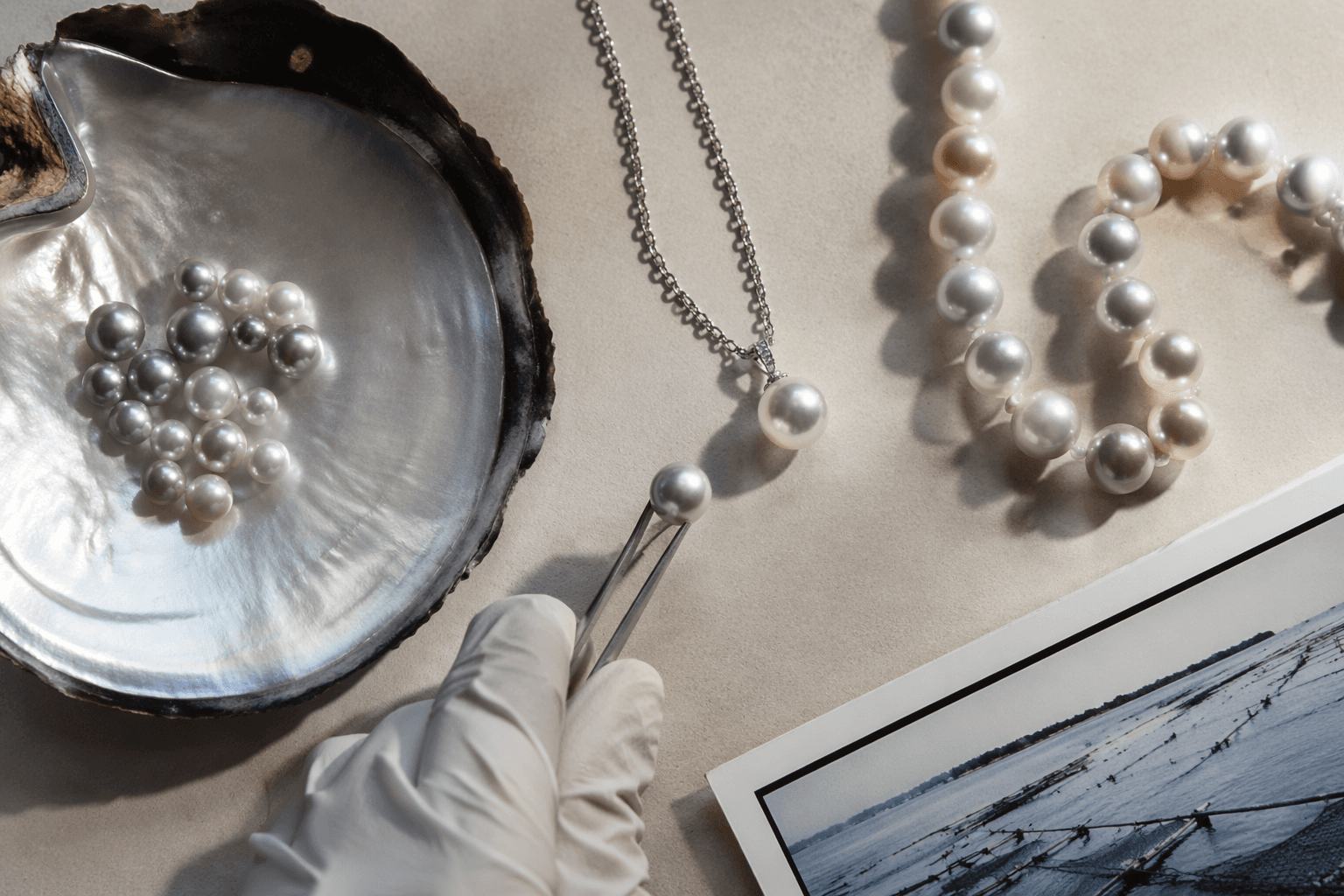
Canadian Family's Belpearl Linked to Myanmar Military Through Blood Pearl Trade
Belpearl harvested roughly 80,000 pearls in Myanmar in 2024-2025, handing 25% to a state enterprise now controlled by the country's military junta.
A Canadian-linked pearl company operated a farm in Myanmar under a revenue-sharing arrangement with a state enterprise that has fallen under the authority of the country's military-controlled government, according to corporate and government records examined by a CBC News investigation published March 11, 2026.
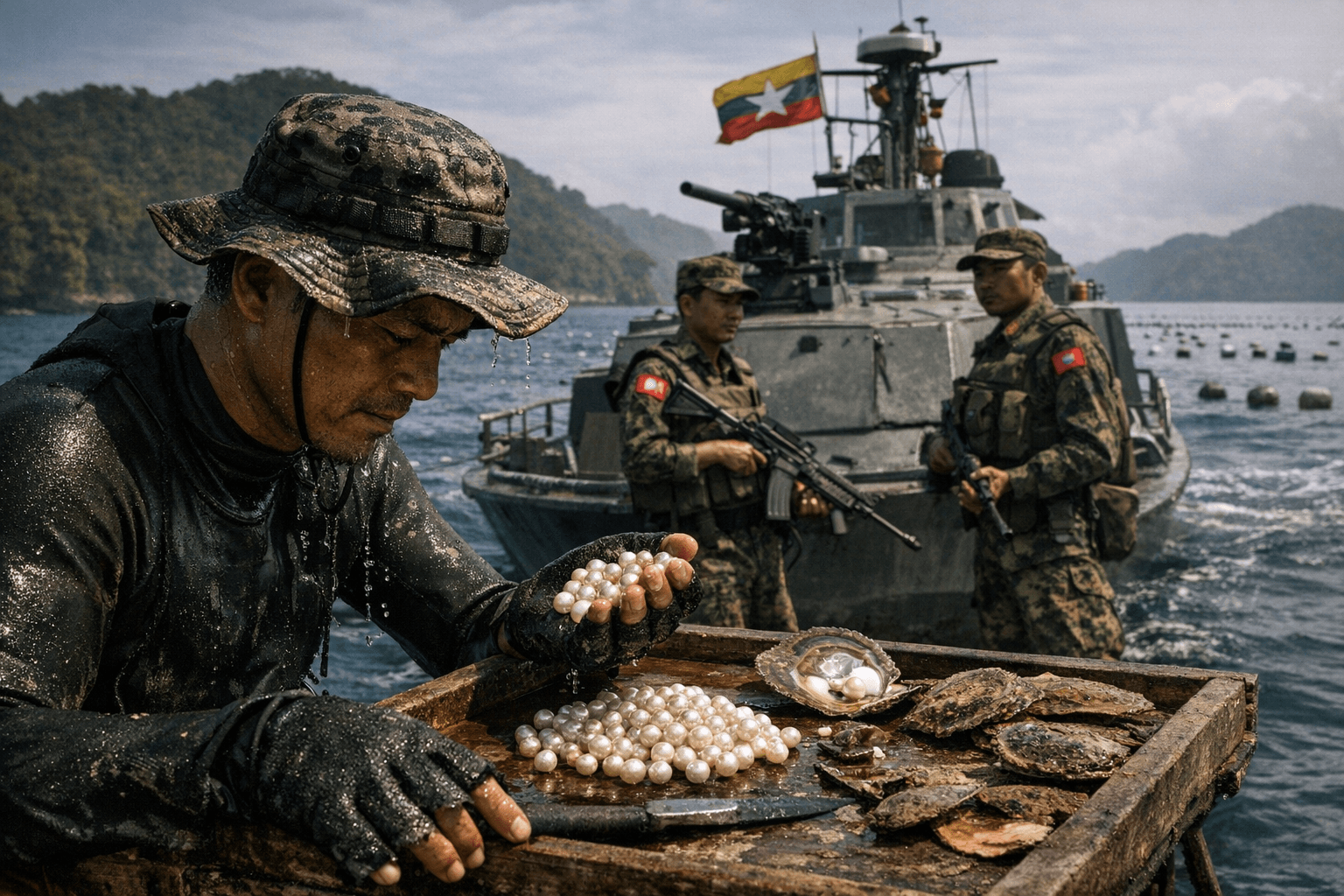
Belpearl, structured as a network of related entities registered in Toronto, Hong Kong, Singapore, Japan and Myanmar, operates a pearl farm through its subsidiary Belpearl Myanmar at two adjacent locations in the country. Documents reviewed by CBC show that in 2024-2025 the operation harvested roughly 80,000 pearls. Under the terms of a production-sharing agreement with the Myanmar Pearl Enterprise (MPE), a state-owned body, Belpearl Myanmar retained 75 percent of that harvest while MPE received the remaining 25 percent, a split confirmed by the Myanmar Extractive Industries Transparency Initiative as standard for such arrangements. MPE's portion is then sold through state-run auctions.
The arrangement has drawn scrutiny because MPE, since Myanmar's military coup, has fallen under the authority of the military-controlled government. That chain of ownership places a share of every Belpearl Myanmar harvest in the hands of a regime CBC described as having "direct ties to the country's murderous military regime."
The pearls at the center of this supply chain are among the most coveted in the world. Myanmar's South Sea golden pearls, harvested from the Mergui Archipelago, command premium prices for their intense, natural deep-gold color and large size. That desirability has made the country a significant player in the global pearl market and, critics argue, made the trade difficult for brands and buyers to walk away from.
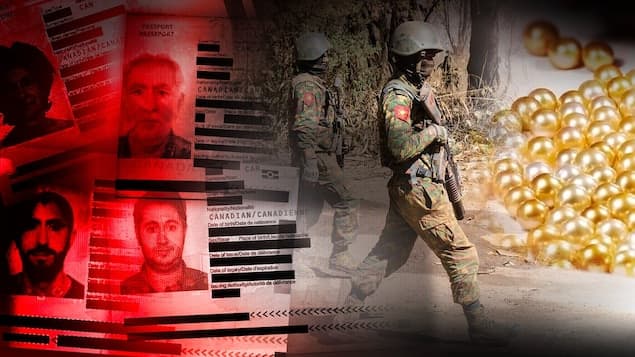
Following CBC's investigation, four Canadians removed themselves as directors of the firm, citing what the reporting described as a "mounting crisis." A graphic published alongside the investigation showed pearls alongside the redacted passports of the Hajjar family, though the CBC reporting did not explicitly confirm in its published text that the family members held formal director roles.
Eric Braunwart, founder of Columbia Gem House, a Vancouver, Washington firm that specializes in responsibly sourced gems, framed the consumer knowledge gap bluntly: "There's probably a lot of consumers that don't even know that Burma has a military government, that don't even know it's in the civil war, and maybe if they knew that, they would look at things differently."
CBC's visual investigations team and national security reporter built the investigation using corporate filings, shipping records, satellite imagery and undercover reporting. Critical questions remain unanswered in the public record: the names of the four Canadian directors who resigned have not been disclosed, no auction revenue figures have been published, and neither Belpearl nor any of its related entities had offered public comment as of the investigation's publication date. Whether the proceeds from state-run pearl auctions flow directly into military coffers has not been documented in the materials made public so far.
For buyers drawn to the deep-gold luster of a Mergui South Sea pearl, the trade's supply chain now carries questions that no amount of beauty can simply dissolve.
This article was produced by Prism’s automated news system from verified source data, official records, and press releases, then run through automated quality and moderation checks before publishing. The system is built and supervised by the people who set the standards it runs under. Read our full AI policy.
Did this article answer your question?