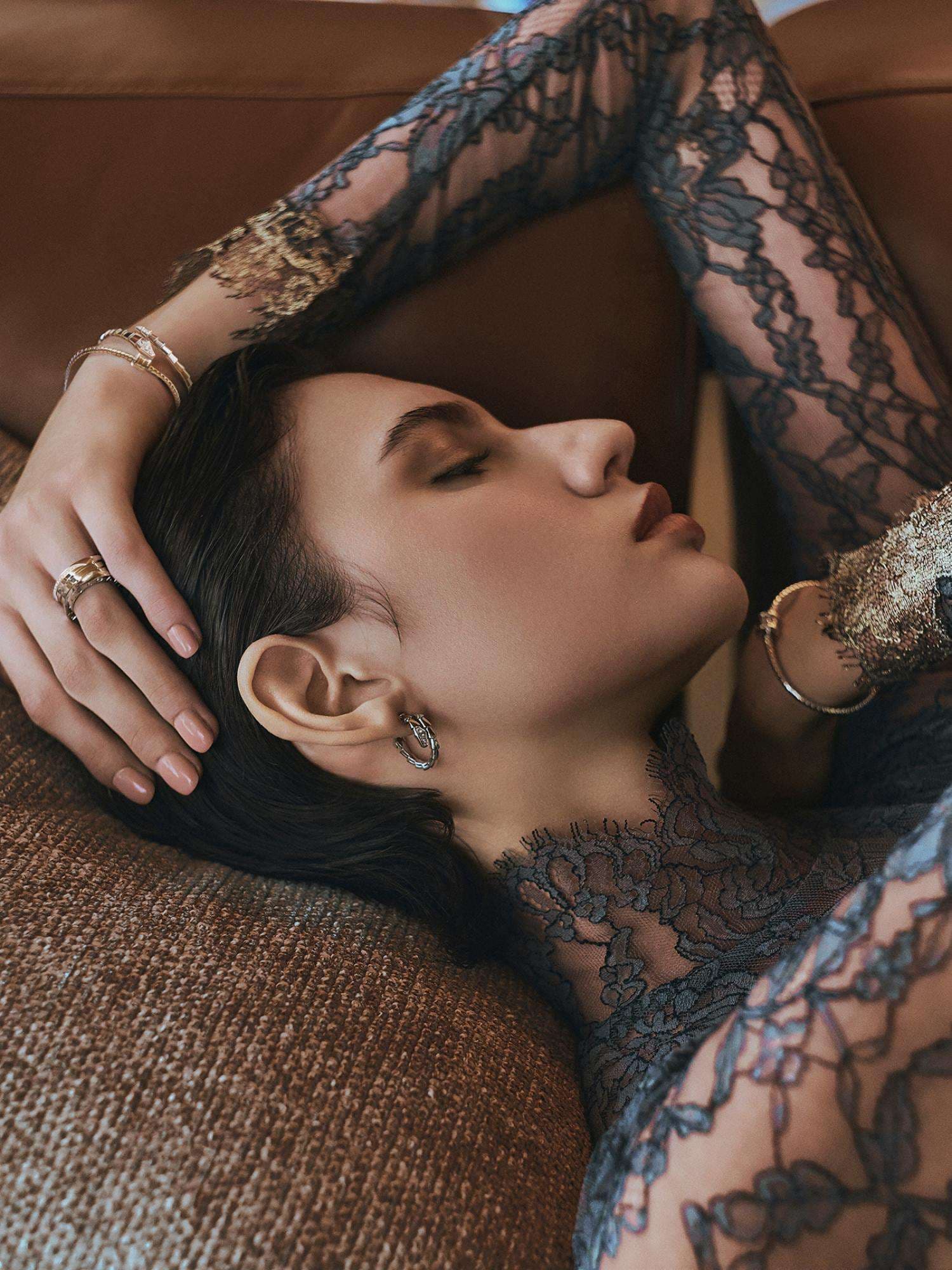
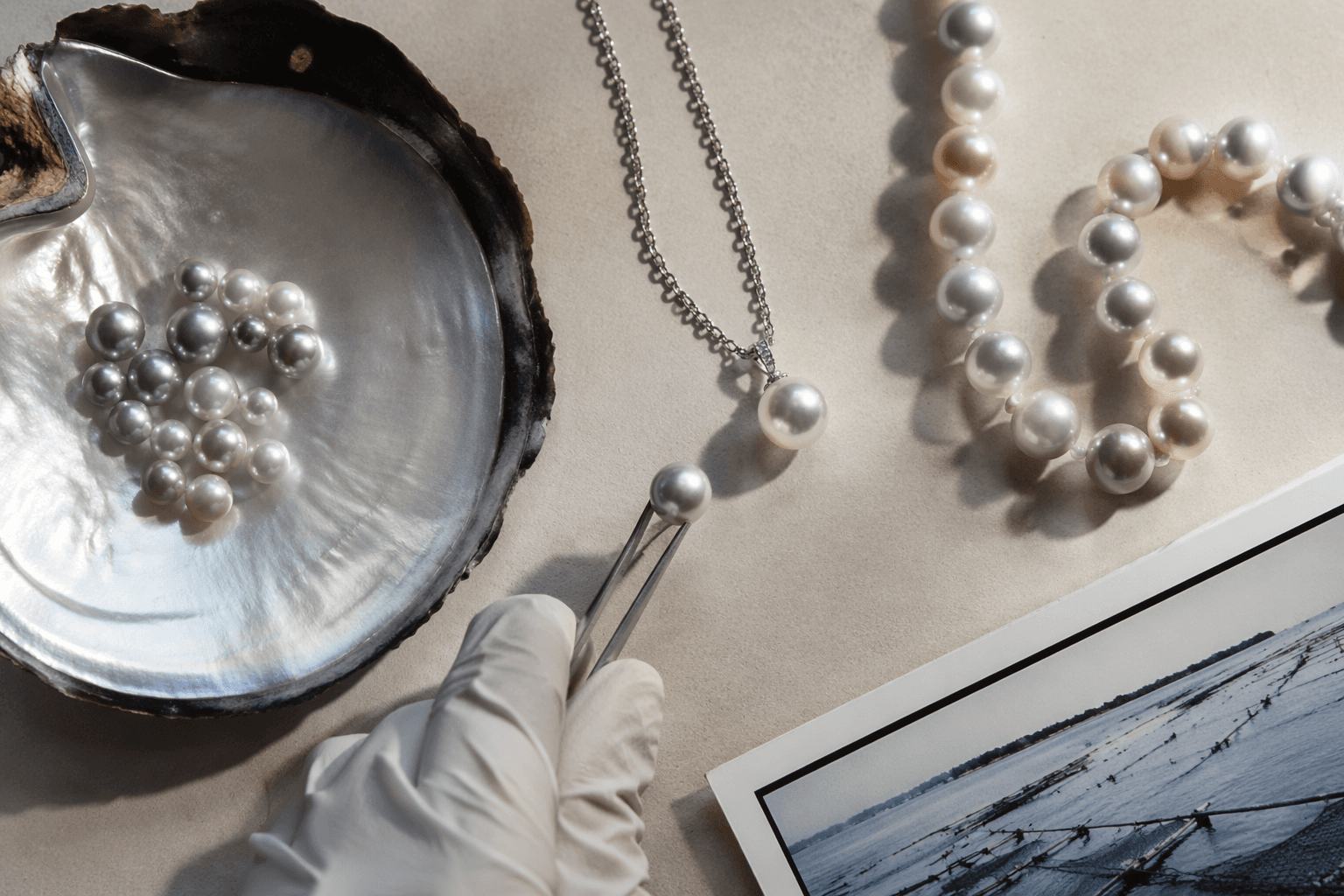
Pearls shed old-fashioned image as fashion insiders embrace them
Pearls are moving from heirloom only to everyday style, and the winning retail formula is mixed metals, flexible silhouettes, and a clearer case for why they feel modern now.
Pearls are losing the museum-glass glow
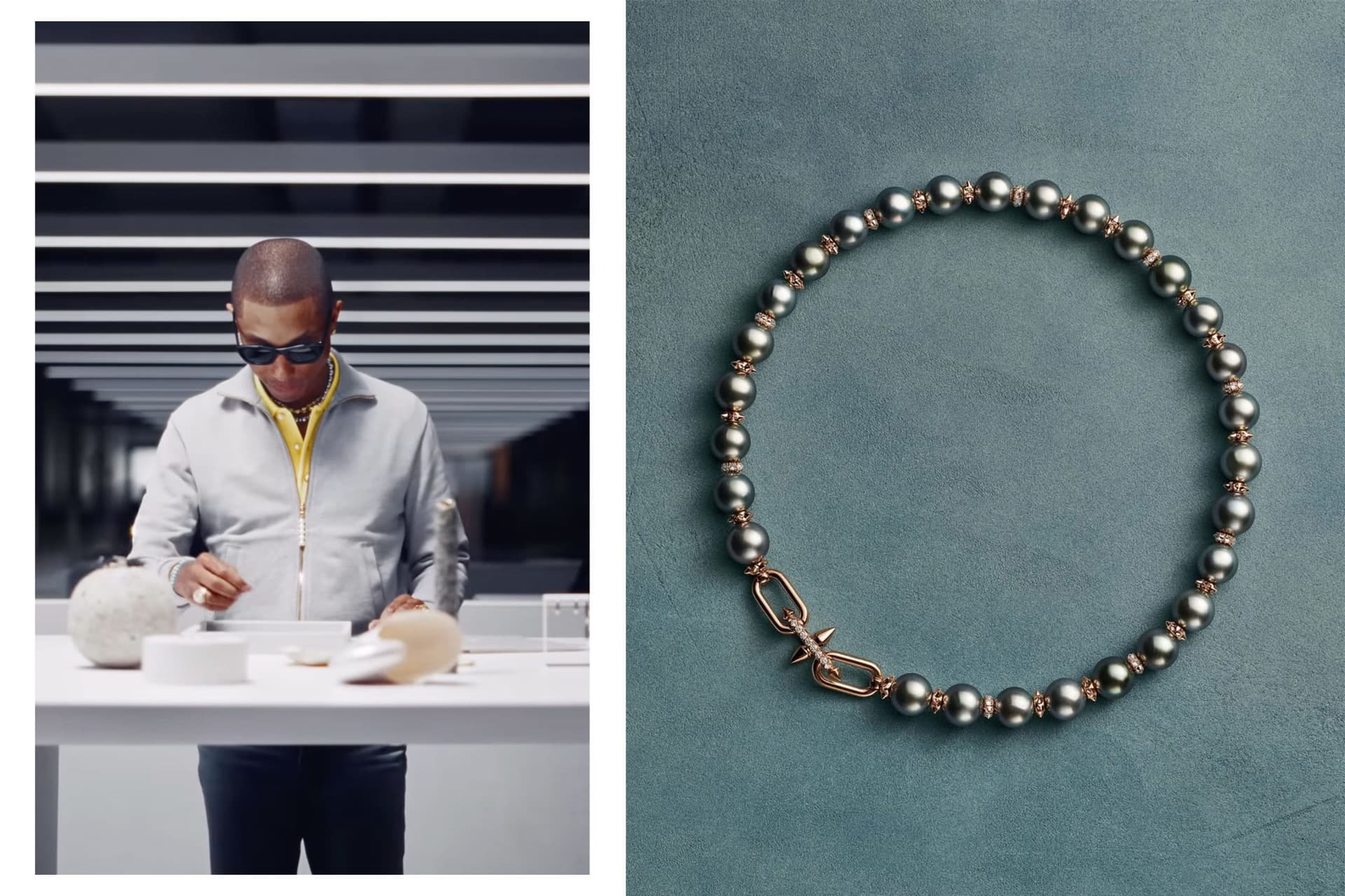
The pearl story has changed from polished tradition to visible style signal. Tiffany & Co.’s pearl-infused update to Tiffany Titan by Pharrell Williams made that shift plain: the strongest pearl looks now pair organic luster with harder-edged metal, not with stiffness. That contrast is exactly why pearls are reading as fresh again.
The timing matters. When Hirotaka Inoue launched Gossamer in 2010, pearls did not carry the same designer cachet they do now. Today, they are showing up in high jewelry, in fashion-led collections, and in wardrobes that want softness without sentimentality. WWD’s Paris Couture coverage put pearls alongside the season’s most talked-about luxury ideas, and the renewed attention around Kamala Harris’ pearl jewelry, including the revived “chucks and pearls” look during the 2024 campaign, gave the category a cultural shorthand far beyond bridal dressing.
What is actually selling: mixed materials, not old rules
The retail opportunity is not in convincing shoppers that pearls are precious. It is in showing them that pearls can be worn differently. Styles that pair sterling silver and pearls, along with festive capsule collections, do the most work here because they lower the formality barrier and make pearls feel like a styling choice instead of a special-occasion obligation.
That matters because pearls have long carried an upscale, upper-class reputation. For many shoppers, the barrier is not price alone but perception: strands can still feel too “proper,” too formal, or too close to inherited jewelry. Mixed-material pieces answer that objection immediately. A pearl set into silver, a pearl dropped from a sharp link, or a pearl cluster arranged in a looser silhouette feels easier to wear with denim, tailoring, or evening clothes that are not black-tie.

- Everyday jewelry, not only ceremonial pieces
- Modern silhouettes with clean lines or asymmetry
- Sterling silver and pearl combinations that feel accessible and current
- Seasonal capsule edits that keep pearls in the conversation without making them feel dated
Retailers should be especially alert to this shift in assortment. The category is strongest when it is shown as:
The best sales argument is cultural, not nostalgic
Pearls are working because they now sit at the intersection of individuality, sustainability, and social-media discovery. That combination speaks directly to younger shoppers who want jewelry with a point of view, not just a pedigree. The old pearl script was about inheritance and polish; the new one is about personal style and visible intention.
That is also why pearls keep turning up in places that shape taste before they shape sales. Paris Couture gives the category fashion authority. Celebrity wear, including Harris’ long-running association with pearls, gives it recognition. Designers give it a new form language. Together, those signals tell a hesitant shopper that pearls are not a category frozen in time, but one that can move between luxury, streetwear, and daily dressing.
What still blocks conversion at retail
The biggest objection is not whether pearls are beautiful. It is whether they feel relevant. Shoppers who associate them with their mother’s jewelry box or with formal events need a reason to see them differently, and that reason has to be visible on the sales floor or on the product page.

There is also a pricing story to tell carefully. Pearls are often treated as high-dollar purchases, but the category is broader than a top-end strand. Cultured pearls made the material far more accessible, and Akoya cultured pearls were already being used in fine jewelry in Europe by the late 1920s and early 1930s. That history matters because it reminds shoppers that pearls have always lived between luxury and reach, not in one fixed tier.
- A pearl on a more angular metal setting for the shopper who wants edge
- A smaller, lower-commitment pearl piece for first-time buyers
- A festive edit that suggests pearls can move beyond weddings and graduations
- Styling that places pearls beside other contemporary fine-jewelry shapes instead of isolating them in a bridal case
For retailers, the most effective response is to show range without diluting the message. Keep a polished strand for the traditional buyer, but surround it with pieces that solve the modern objection:
Why this comeback has real commercial weight
This is not a minor trend story. Third-party estimates put the pearl jewelry market at roughly $13 billion to $14 billion in 2024, with expectations for continued growth. Even if those figures vary by source, the scale alone shows why pearl merchandising deserves more than a token case in the back of the store.
The broader luxury market is also rewarding uniqueness, whether in design, technique, or gemstone choice. That gives pearls an opening, because no other material delivers quite the same mix of softness, history, and instant recognition. The retailers who convert that into sales will be the ones who stop selling pearls as a lesson in tradition and start presenting them as a living design language.
This article was produced by Prism’s automated news system from verified source data, official records, and press releases, then run through automated quality and moderation checks before publishing. The system is built and supervised by the people who set the standards it runs under. Read our full AI policy.
Did this article answer your question?