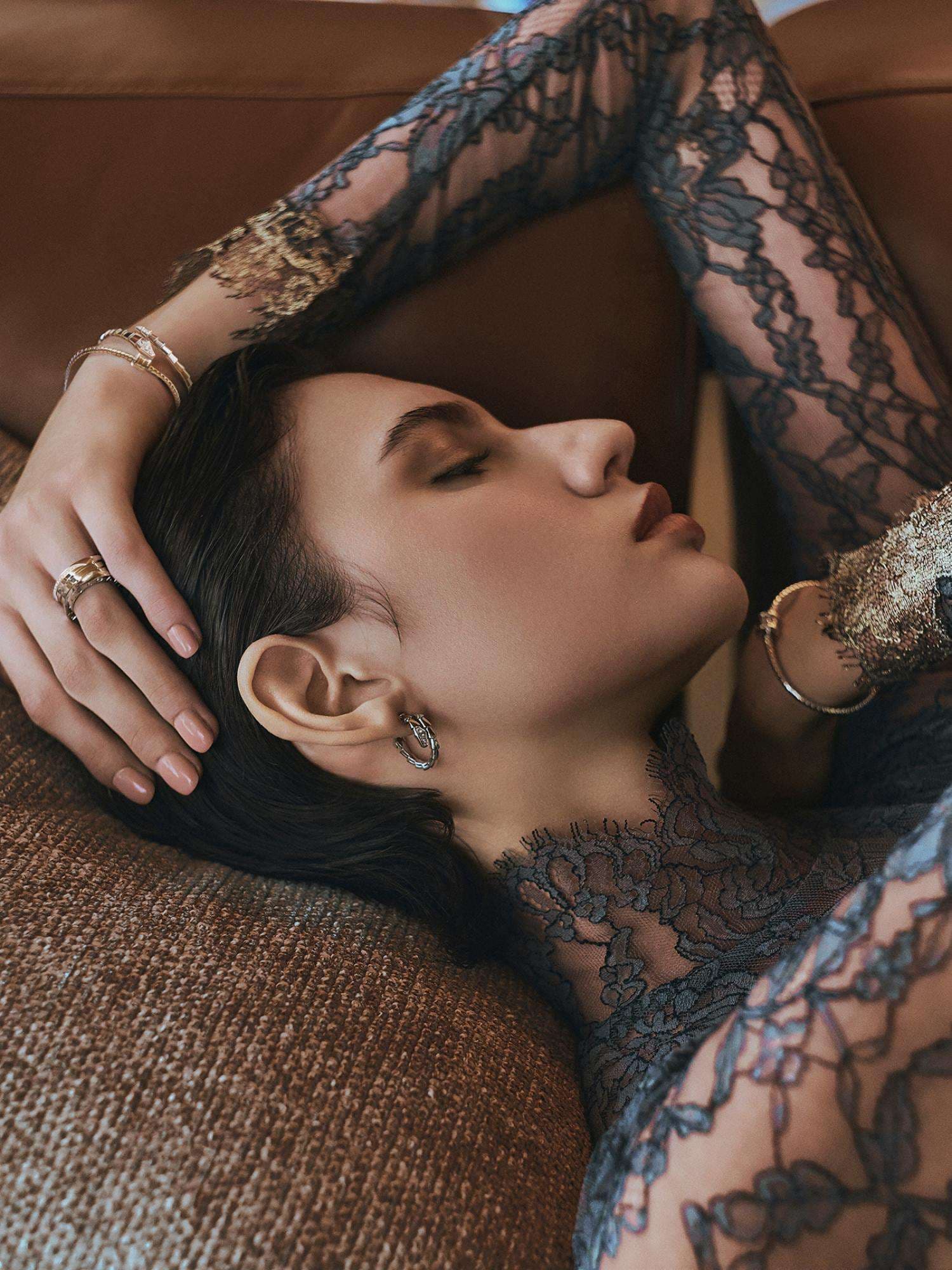
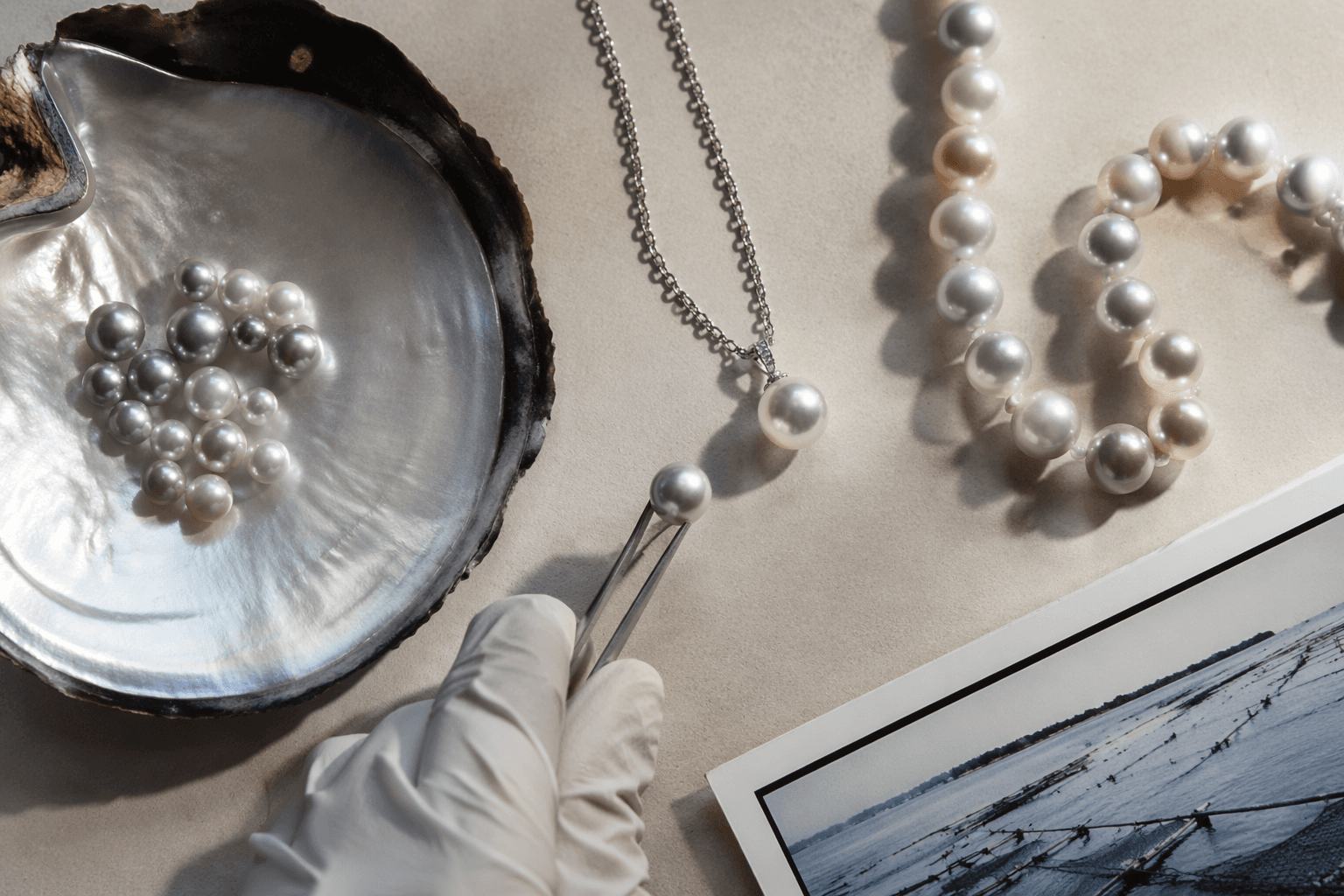
Pearls reset for 2026, from formalwear to everyday self-expression
Pearls are shedding formalwear baggage in 2026. The strongest pieces are baroque, mixed-metal, and genderless, not precious-looking styles that feel locked in one era.

Pearls are losing the old rules. The best 2026 designs treat them less like ceremonial jewelry and more like a daily material for self-expression, with enough movement and irregularity to feel current without becoming disposable.
The pearl reset is real
What makes this shift matter is that it is not coming from a single runway mood board. WWD’s spring 2026 jewelry coverage in Paris singled out “not-your-grandma’s pearls” alongside self-expression, chunky volumes, and minimal lines, then the fall 2026 round of Paris jewelry again leaned into bold, playful ideas rather than pearl formality. That matters for buyers because it signals a category-wide change in styling language, not a one-season novelty.
The old pearl script was built around polish, symmetry, and ceremonial use. The new one is built around contrast: pearls with edge, pearls with texture, pearls paired with metals and silhouettes that make them feel less precious in the fragile sense and more valuable in the lived-in sense. That is the difference between a piece that waits for an occasion and one that earns repeat wear.
What design shifts actually hold up
Not every pearl trend deserves equal weight. The shifts that are likely to last are the ones that improve versatility and change how a piece sits in a wardrobe.
- Baroque shapes: JCK has described baroque pearls as symbols of individuality and natural elegance. Their irregular form is exactly why they work now. A baroque pearl reads as intentional even when it is imperfect, which gives it more visual life than a perfectly matched strand.
- Mixed metals: Gold with silver, or warmer metal with cooler pearl tones, makes pearl jewelry easier to wear across outfits and seasons. Mixed metals also loosen the old association between pearls and strictly formal dressing.
- Asymmetry: A single drop, mismatched earrings, or off-balance composition gives pearls movement. This is a useful design signal because it tends to age better than overly themed styling.
- Genderless styling: One of the clearest clues that pearls have escaped the old dress code is the 16-inch strand. In a JCK interview, Constance Polamalu pointed out that the classic strand is increasingly something men are wearing. That matters because it pushes pearls into a wider cultural lane, where they feel less like inherited etiquette and more like personal adornment.
These are the pearl pieces with staying power because they broaden use, not narrow it. A buyer can wear them with tailoring, knitwear, denim, or evening clothes and still feel current.
What is trend bait
Some pearl styling will date quickly because it relies too heavily on novelty. Hyper-themed looks that lean on a single runway gimmick, overly polished strands with no visual tension, or pearls used only as a nostalgic reference can feel fixed to this moment in a way that won’t age gracefully.
The same goes for pieces that look interchangeable with costume jewelry, even if the materials are real. If the design is too dependent on a specific outfit formula, its perceived value drops the moment the trend shifts. Pearls work best when the setting and silhouette do some of the style work, not when the stone is forced to carry all of it.
That is why the most compelling 2026 pearl pieces are not the ones trying hardest to look like pearls of the past. They are the ones that let the material be tactile, slightly unexpected, and easy to live with.
Why pearls feel more accessible now
Market context helps explain the momentum. International Gem Society says most pearls on the market today are cultured freshwater pearls, and it also notes that freshwater pearls are becoming more popular than Akoyas as consumers compare price and quality. For buyers, that means the modern pearl market is less dependent on ultra-traditional high-lustre strands and more open to shapes and finishes that feel personal.
This is where value gets interesting. Freshwater pearls can offer a more approachable entry point, especially when the design is strong enough to make the stone feel intentional rather than merely inexpensive. When the shape is baroque or the setting is sharply edited, the piece can look more distinctive than a classic strand at a higher price point. In other words, the design can carry perceived value even when the material mix is more accessible.
Pearls still carry history, but the story has changed
Pearls are not newly meaningful. Britannica notes that jewelry has long signaled social rank, and it describes pearls as prized for their translucence and lustre. The Met places them in a lineage that runs from Cleopatra and Queen Elizabeth I to Coco Chanel and Elizabeth Taylor. That history still shapes how pearls read, which is exactly why the current reset is so effective: it takes a material associated with status and ceremony and makes it feel personal again.
That cultural shift explains why pearls can now move between formalwear and everyday styling with less friction. A pearl no longer has to announce rank. It can signal taste, restraint, wit, or a willingness to break a polished rule.
What to buy now
The smartest 2026 pearl purchases are the ones with enough structure to outlast the trend cycle.
- Choose baroque pearls if you want something that feels less expected and more individual.
- Look for mixed-metal settings if you wear both silver and gold, or want the piece to work across more of your wardrobe.
- Favor asymmetrical designs if you want movement and a slightly modern edge.
- Consider a 16-inch strand if you want the classic form but with new styling range, especially if you want a piece that can move across genders and dress codes.
- Pay attention to freshwater pearls when value matters, especially if the shape, surface, and setting elevate the piece beyond basic strand jewelry.
For shoppers, the right question is no longer whether pearls are formal enough. It is whether the design feels adaptable enough to stay in rotation. The pieces worth buying now are the ones that make pearls look less like inherited ceremony and more like a contemporary signature.
Why the broader industry is paying attention
This is not just an editorial mood. Forbes identified modern pearls as one of the jewelry trends shaping Collect London at Somerset House, which reinforces that the shift is visible beyond a single city or designer circle. When pearls show up as a defining trend in both runway coverage and a major jewelry gathering, the category is clearly doing more than cycling through nostalgia.
That breadth is what gives the pearl reset its staying power. The best 2026 pearl jewelry is not trying to return pearls to the formalwear closet. It is turning them into a flexible, less precious, more personal language of dress, and that is exactly why they feel newly relevant.
This article was produced by Prism’s automated news system from verified source data, official records, and press releases, then run through automated quality and moderation checks before publishing. The system is built and supervised by the people who set the standards it runs under. Read our full AI policy.
Did this article answer your question?