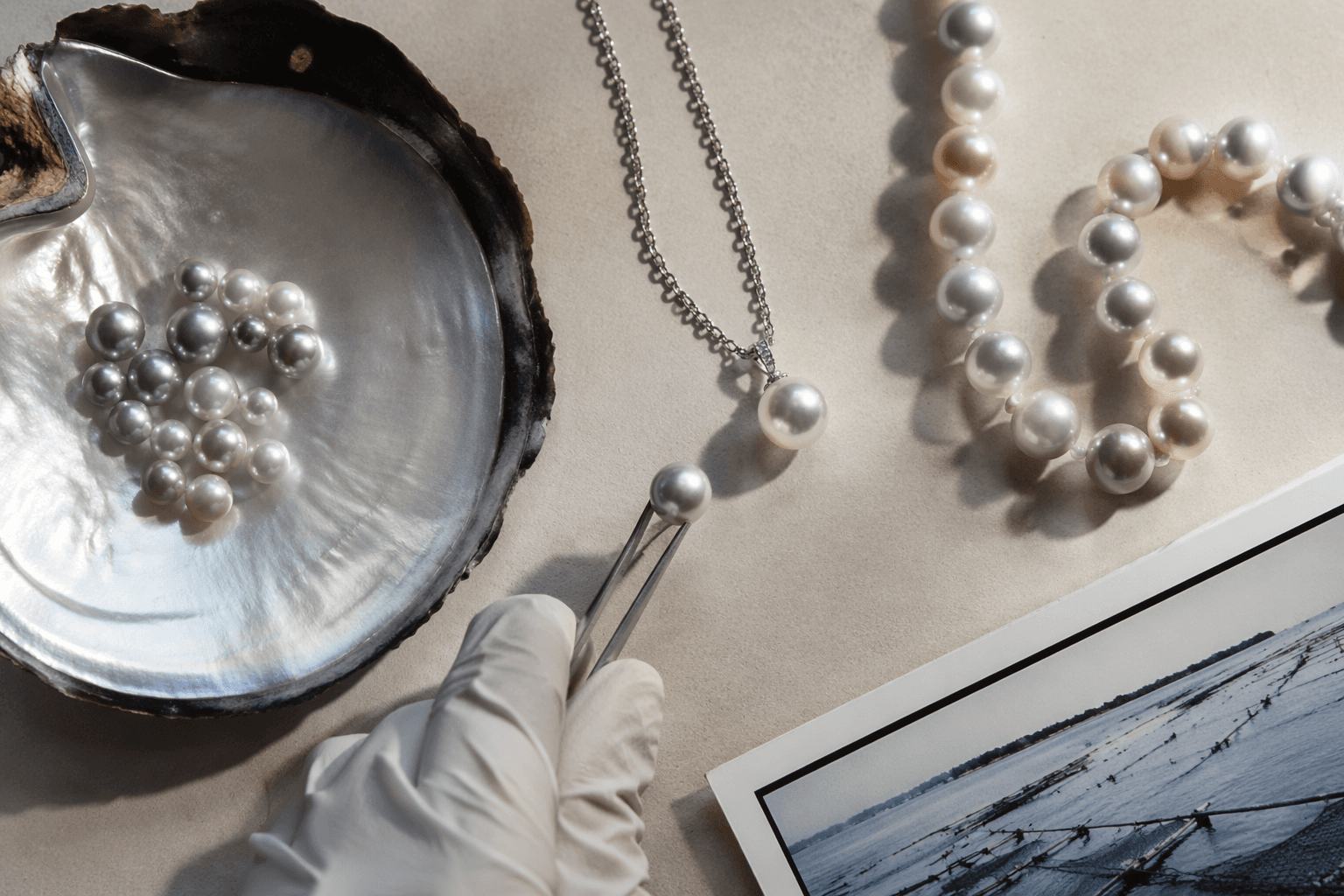
GIA Explains Pearl Analysis and Classification to Guide Buyers and Collectors
GIA uses X-ray techniques such as RTX and μ-CT and independent double-team analysis to distinguish natural from cultured pearls and to certify their value for buyers.
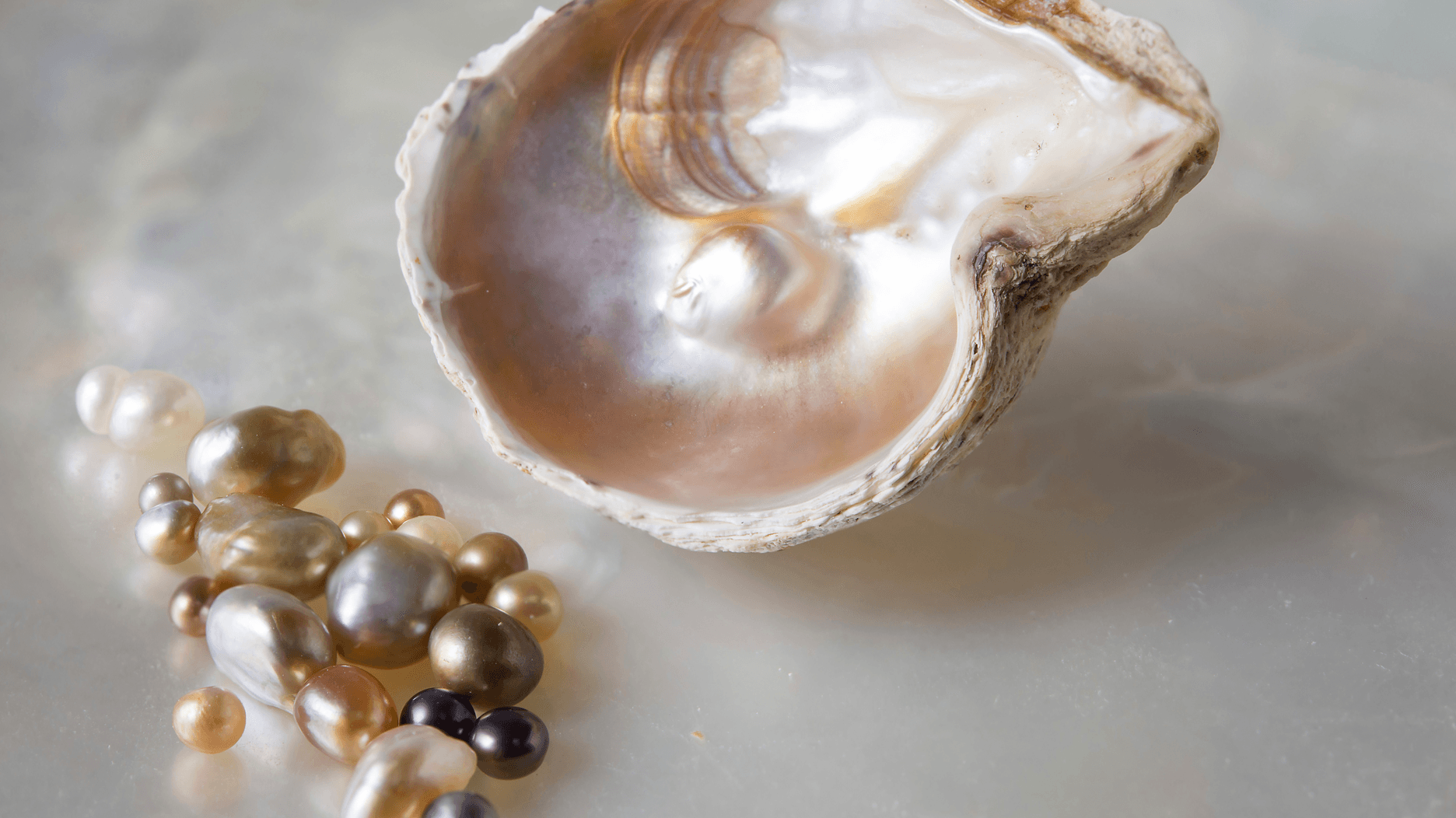
To separate a natural pearl from a cultured one requires more than surface inspection; GIA scientists identify pearls by using X-ray techniques such as real-time microradiography (RTX) and X-ray computed microtomography (μ-CT) to analyse a pearl’s internal structure. GIA offers three distinct reports, the GIA Pearl Identification Report, the GIA Pearl Identification and Classification Report, and the GIA Cultured Pearl Classification Report, so buyers and collectors can request laboratory-backed documentation of identity and quality.
The laboratory work is aimed at more than simple identification. "The pearl’s mysterious beauty can be complex to analyse," JewelleryNet observed while reporting on GIA procedures, and GIA’s imaging supports that complexity: the NationalJeweler feature includes an image file titled Pearl XRay.jpg, captioned "seen here through X-ray computed microtomography," illustrating how μ-CT reveals internal features invisible to the naked eye. GIA Pearl Reports note that telling natural and cultured pearls apart often requires testing in a gemmological laboratory with sophisticated instruments.
Once identity is established, GIA applies a systematic classification to nacreous pearls using the GIA 7 Pearl Value Factors™: size, shape, colour, lustre, surface, nacre and matching. Colour assessment itself has subcomponents, bodycolour, overtone and orient, and specialists "compare pearls to a set of carefully pre-selected pearl masters to determine colour and classify other value factors," JewelleryNet reports. That comparative process is part of why GIA emphasizes consistent, repeatable grading.
Objectivity is built into the workflow. "All pearls submitted to our laboratories are independently analysed by two different teams of GIA pearl experts to ensure a precise and objective evaluation," GIA said in comments carried by JewelleryNet. The double-team review is intended to catch subtle distinctions in structure and treatment that affect market value, from layer thickness to indications of bead nucleation in cultured varieties.
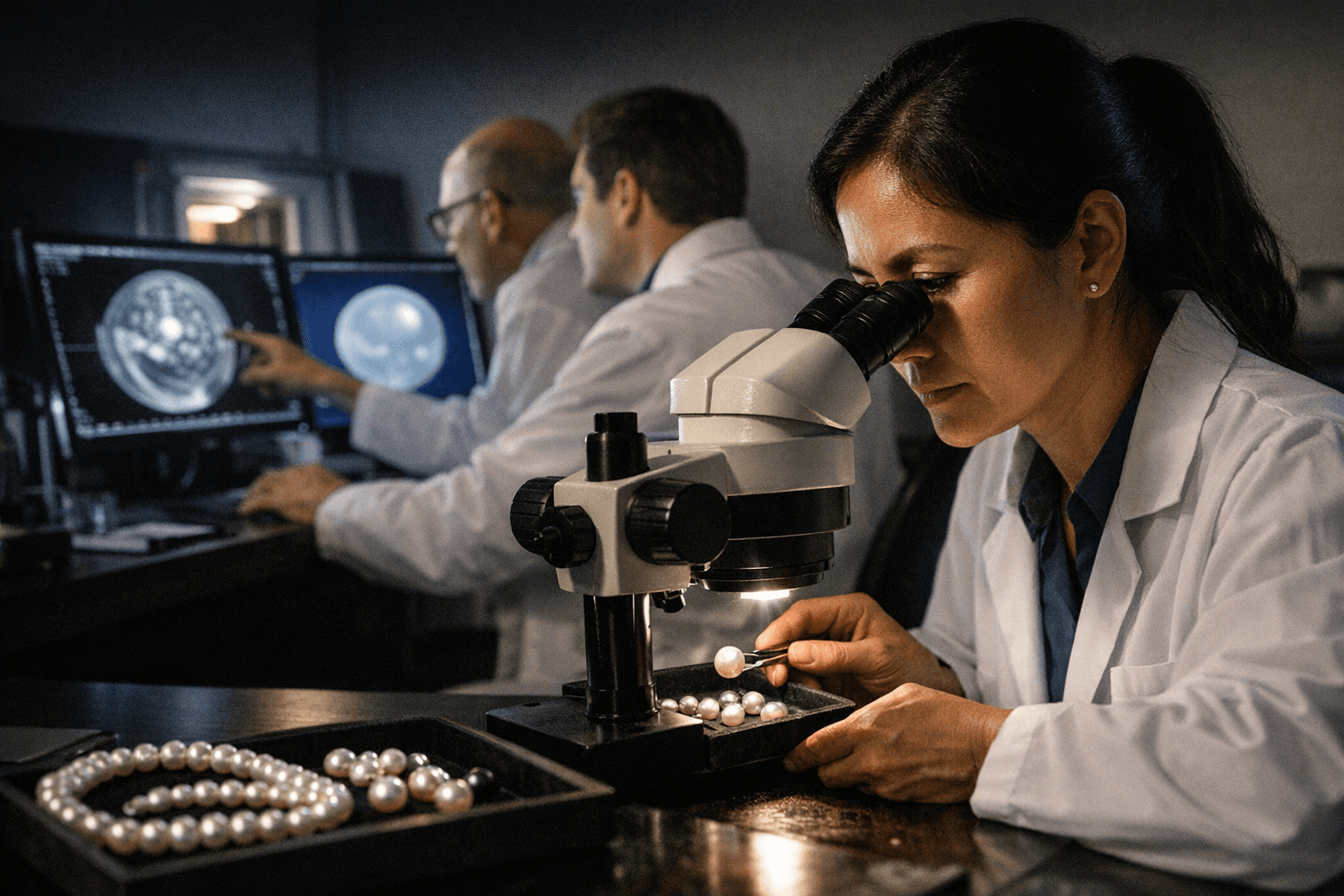
Market context matters: GIA notes that nacreous pearls are the most popular type in the market, while natural non-nacreous pearls such as melo and conch remain rare and highly treasured. Buyers should also be alert to treatments; "Whether natural or cultured, pearl quality can vary widely. Some pearls undergo treatments like dyeing that can affect their value dramatically," GIA Pearl Reports warns, and the report material advises that such risks are precisely why laboratory analysis matters.
Beyond the lab, GIA advances expertise through education. "Discover how the world’s foremost experts determine the quality of akoya, freshwater, South Sea, and Tahitian pearls. Explore GIA’s 7 Pearl Value Factors™," reads the Pearl Grading Lab course description. Independent outlets such as ThePearlExpert underscore the payoff: "GIA training provides a pearl expert with a precise and comprehensive skill set rooted in advanced gemology," a credential example that retailers have used when hiring GIA-trained staff such as Lauren.
Armed with a GIA report, clients can rest assured that they know the identity and quality of their pearls, a concise promise of clarity that ties the institute’s imaging, classification, double-team review, and training into a single proposition for buyers and collectors seeking documented confidence.
This article was produced by Prism’s automated news system from verified source data, official records, and press releases, then run through automated quality and moderation checks before publishing. The system is built and supervised by the people who set the standards it runs under. Read our full AI policy.
Did this article answer your question?