GIA Finds Cultured-Like Dents on 9-Carat Undrilled Saltwater Pearl
GIA found surface dents and wrinkles typical of cultured pearls on an undrilled, white semi-baroque saltwater pearl weighing about 8.98 carats.
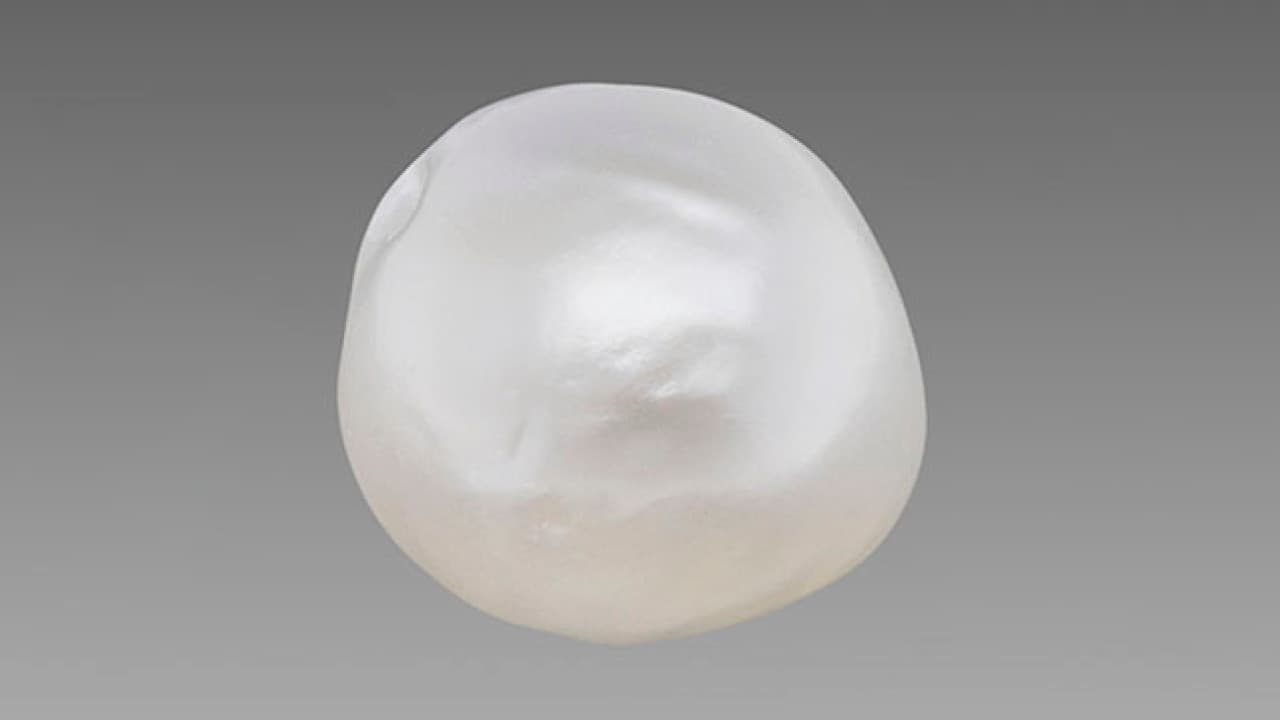
The Gemological Institute of America examined an undrilled, white semi-baroque nacreous saltwater pearl weighing about 8.98 carats and recorded surface dents and wrinkles more commonly associated with cultured pearls. The inspection took place on February 12, 2026, and the specimen was reported as approximately 9 carats in weight.
Physically, the pearl presented as semi-baroque rather than perfectly round, its nacreous luster intact despite the irregularities. The undrilled condition meant there was no through-hole to allow direct visual access to an internal bead or nucleus, so the surface morphology - small dents and minute wrinkling - became the primary basis for questioning origin. Those surface features are specifically noted as being characteristic of cultured production rather than classic natural-formation textures.
During the February 12 examination, GIA employed X-ray imaging to investigate internal structure; the notes from that session emphasize the juxtaposition of an undrilled exterior with cultured-like surface indicators. Using radiography alongside visual and luster assessment is a routine lab approach for saltwater material of this size, and in this case the lab’s procedural combination framed the central puzzle: a nearly 9-carat pearl that looks externally undrilled yet bears morphology associated with cultured processes.
For collectors, jewelers, and appraisers, this case underlines how a single object can challenge straightforward classification. An undrilled, nacreous saltwater pearl of 8.98 carats normally invites assumptions about natural provenance because drilling often reveals nucleus evidence; here, the presence of dents and wrinkles typical of cultured pearls forces a re-evaluation of those assumptions. The GIA’s February 12 analysis demonstrates that weight, surface character, and imaging must be read together rather than in isolation when establishing origin.
The finding closes on a clear practical note: even sizable, undrilled saltwater pearls can present cultured-like surface characteristics, and laboratory imaging remains essential to interpret such contradictions. The GIA’s recorded observations from February 12, 2026, will inform subsequent assessments of similar nacreous specimens and the market conversations that follow.
This article was produced by Prism’s automated news system from verified source data, official records, and press releases, then run through automated quality and moderation checks before publishing. The system is built and supervised by the people who set the standards it runs under. Read our full AI policy.
Did this article answer your question?