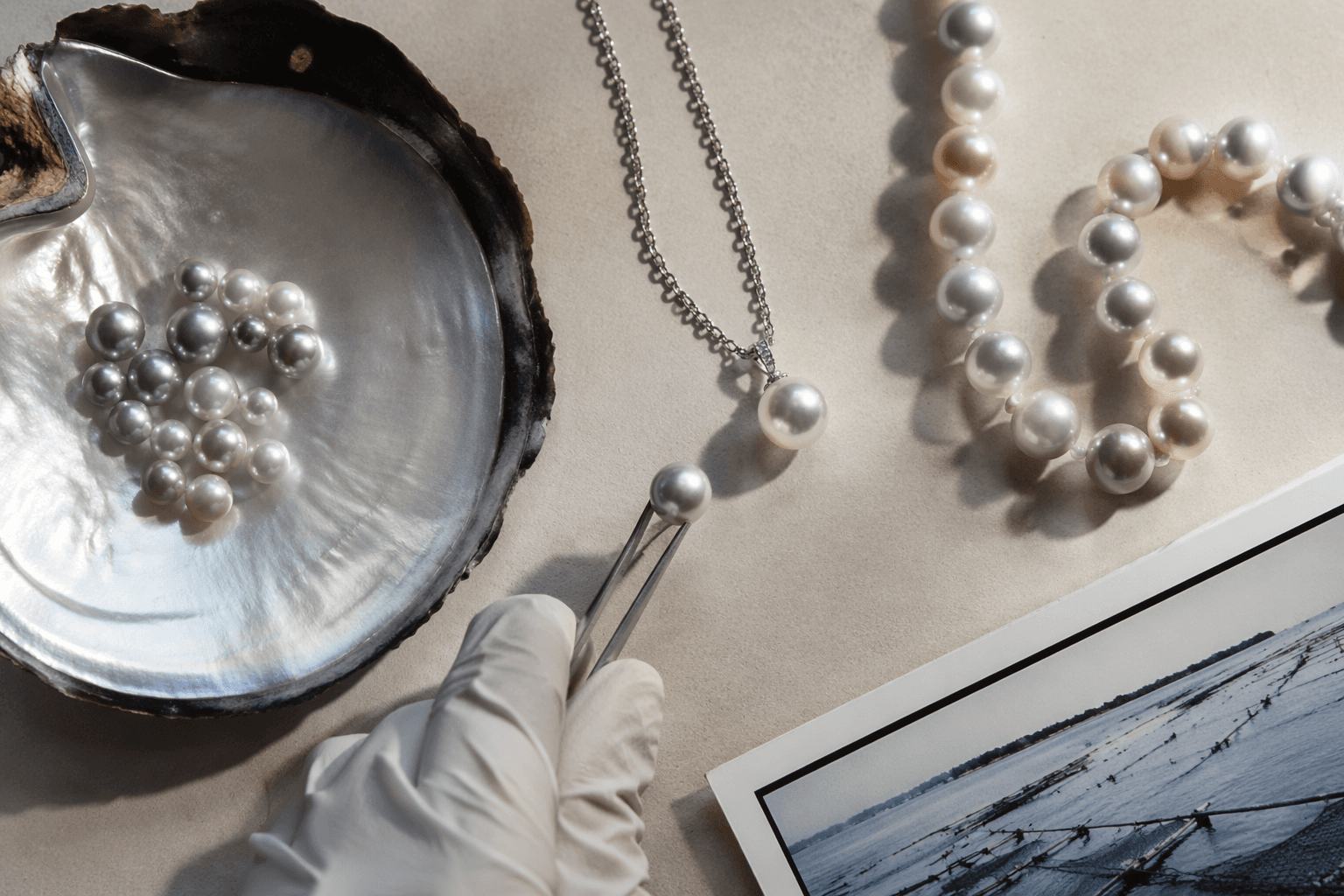
Life-cycle Analysis Shows Pearls May Be First Nature-Positive Gem
Life-cycle assessments from Japan and Australia (2023) are cited as showing "low CO2-" as industry bodies, certifiers and producers push pearls toward a nature-positive narrative.
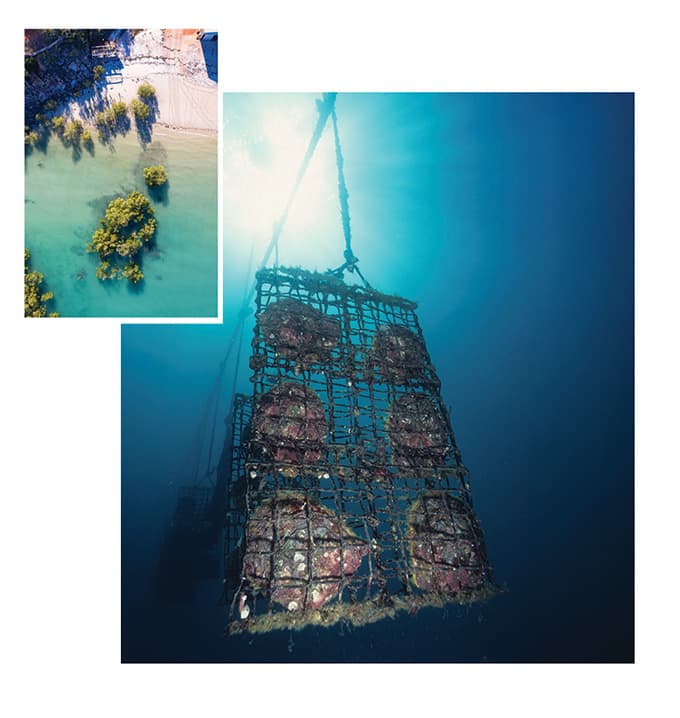
Pearls are uniquely well-positioned to claim a sustainability narrative - potentially becoming the first 'nature positive' gem," an industry analysis states, citing Life Cycle Assessment results from Japan and Australia (2023) described as showing "low CO2-." The claim has rippled through trade circles even as the referenced LCA figures and system boundaries have not been published alongside that statement.
The institutional breadcrumbs are concrete. Australia achieved Marine Stewardship Council-certified sustainable pearl fisheries status in 2017, and in 2018 J Hunter Pearls, Jewelmer and Paspaley Pearling Company launched "The Blue Pledge - Sustainable Pearls," promoting responsible pearl farming to support conservation and social enterprise. The World Jewellery Confederation (CIBJO) is adding a 10-page section on sustainability initiatives by pearl-producing countries to its Pearl Guide, building on material introduced in Shanghai in 2024.
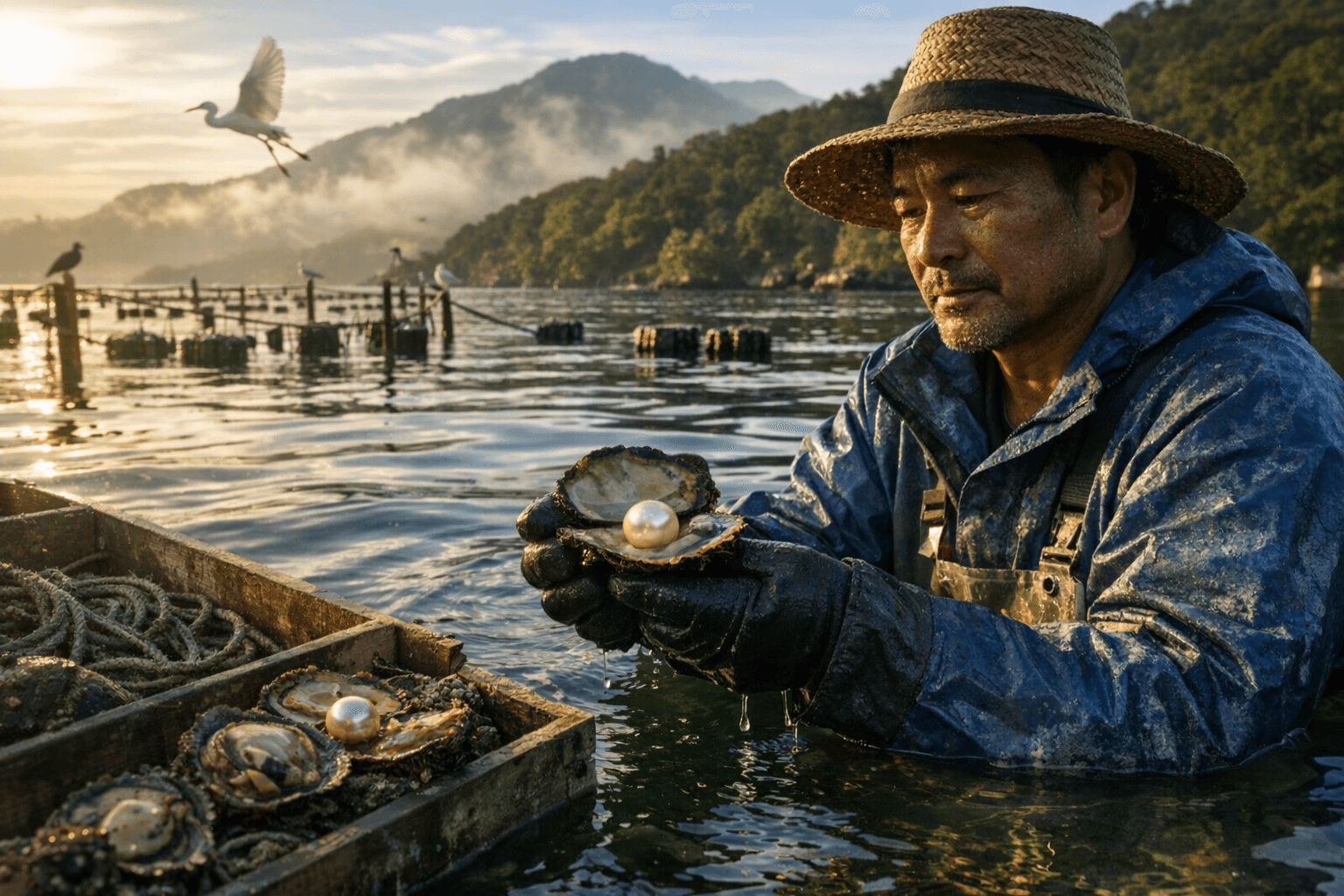
Industry commentary has tightened around traceability and social licence. "Pearls are traditionally valued based on physical attributes that reflect the journey of the mollusc it grew within. Therefore, there is a natural incentive for pearling companies to look after their people and the molluscs, which will grow the pearls," trade reporting notes, and it adds that "Most producing countries have exceeded their compliance requirements and created voluntary social and environmental codes of practices to guide responsible pearlers and farmers." Code of Practice and Chain of Custody protocols are being described as standard across supply chains.
Technical and retail tools are arriving to give those claims teeth. JewelleryNet reporting says "Industry players and stakeholders acknowledge that increased transparency around geographical origin and social and environmental impact can deliver substantial value, ranging from social licence to operate to enhanced natural capital - all of which may also amplify storytelling at retail level." The Gemological Institute of America reinforced its pearl evaluation capabilities by unveiling a nacre continuity scale in May 2025; the scale "refers to the thickness and evenness of layers that form on a pearl," a metric that links biology to market grading for the first time in GIA practice.
Commercial precedents point to monetization strategies. The Magnolia Pearl case study reported by Spencer Hulse on February 20, 2026, shows how "Authentication stabilized value," "Centralized listings created benchmarks" and that "a portion of each transaction was tied to charitable giving, folding resale into the brand’s broader ethic of service." Those tactics, authentication, centralized marketplaces, and impact-linked transactions, offer an analog for pearl houses seeking to capture provenance premiums and extend lifecycle value.
The combination of MSC certification (2017), the 2018 Blue Pledge, national voluntary CoPs, product-level credentials and the GIA nacre metric creates the framework for a nature-positive claim. The verdict now hinges on full disclosure of the Japan and Australia LCAs and on whether Chain of Custody systems and product credentials can scale; if those pieces align, pearl jewellery may become the first gem class that credibly pairs beauty with demonstrable nature-positive performance.
This article was produced by Prism’s automated news system from verified source data, official records, and press releases, then run through automated quality and moderation checks before publishing. The system is built and supervised by the people who set the standards it runs under. Read our full AI policy.
Did this article answer your question?