Ocean Acidification Disrupts Oyster Biomineralization, Threatening Pearl Nacre Quality
A Nature Communications study found ocean acidification breaks down calcium signalling in oysters, putting the luster and thickness of cultured pearl nacre at risk.

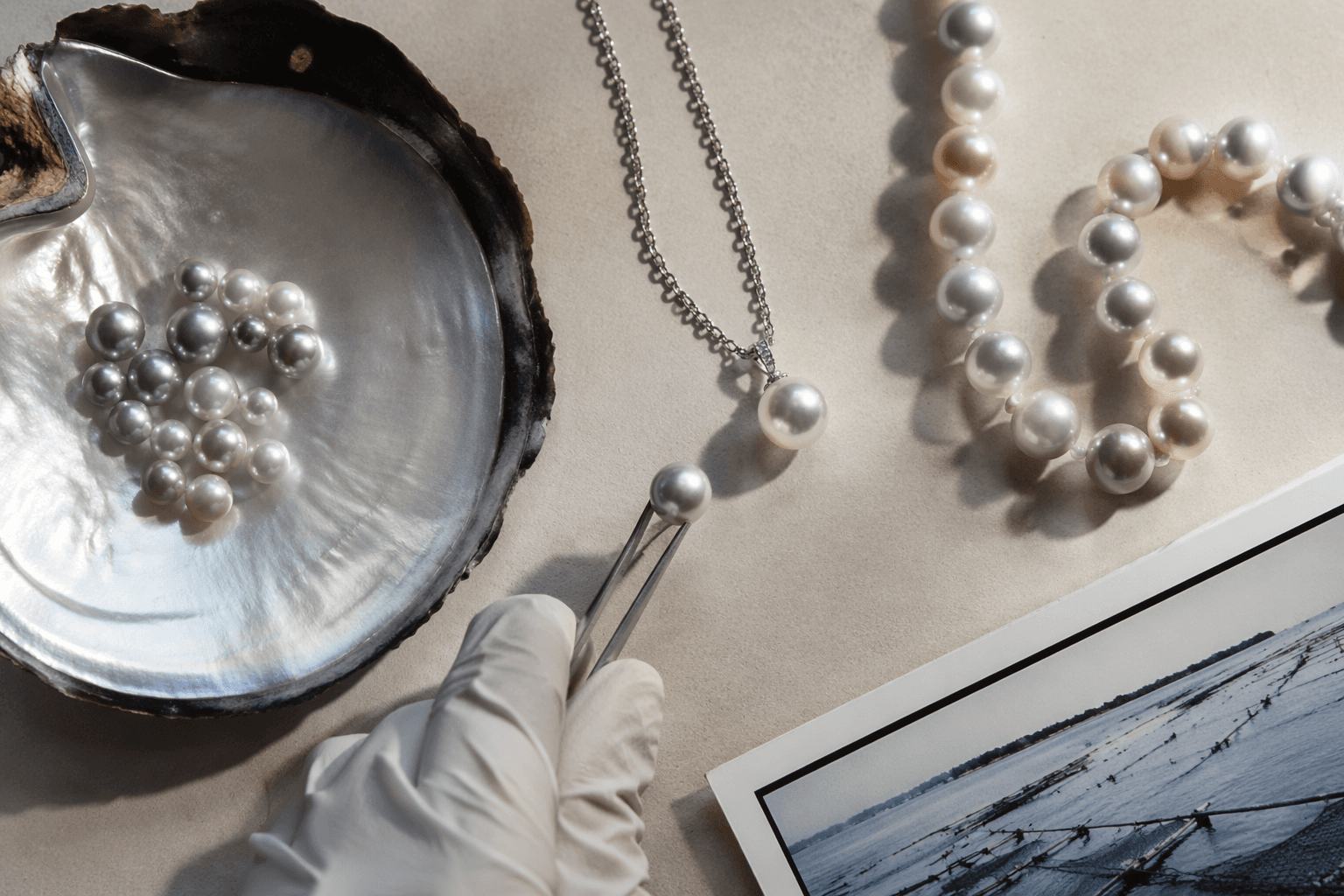
The luster of a cultured pearl depends on something invisible to the naked eye: the precise, layer-by-layer deposition of nacre, a crystalline aragonite structure built by a mollusk's calcifying tissues through a process called biomineralization. A study published in Nature Communications has demonstrated how ocean acidification attacks that process at its cellular root, with consequences that reach from hatchery tanks to the jewelry counter.
The research, conducted on the Eastern oyster Crassostrea virginica, found that ocean acidification disrupts intracellular calcium signalling, the mechanism that governs how calcifying tissues construct shell. Under acidified conditions, oysters showed reduced calcification efficiency, altered calcium transport across cell membranes, and measurable metabolic stress markers in the tissues responsible for mineralization. Although Crassostrea virginica is not itself a pearl-producing species, the biomineralization pathways it shares with pearl oysters of the genus Pinctada make the findings directly relevant to cultured pearl production.
The mechanistic link to nacre is pointed: when calcium signalling falters, nacre deposition slows and layers thin. Pearl quality is fundamentally a function of nacre thickness and uniformity; thinner, less consistently deposited nacre produces pearls with diminished luster and increased susceptibility to surface cracking. The study's authors positioned this cellular disruption not as a future risk but as an unfolding one, noting that ocean acidification compounds with concurrent stressors including warming and hypoxia.
Those combined pressures extend the threat beyond individual pearl quality. Hatchery success rates, seedstock viability, and the nacre deposition rates of grafted mollusks all sit in the crosshairs. A hatchery producing physiologically stressed larvae is already compromising the nacre potential of pearls that won't be harvested for two or three years.

The study urged pearl producers to incorporate physiological stress markers into farm monitoring rather than relying solely on water temperature and salinity readings. Calcium signalling disruption leaves biological traces detectable in tissue samples before damage becomes visible in the pearl itself. Tracking those markers could give farmers an earlier warning system. Practical adaptations flagged by the research include selective breeding for physiological resilience to acidification, rigorous water chemistry monitoring, and strategic timing of both grafting and harvest to minimize exposure during peak stress periods.
For the pearl trade, which has long absorbed the romantic framing of nature's role in creating its most iconic material, this research makes that nature impossible to sentimentalize. The ocean is chemically changing, and the cellular machinery that makes a Tahitian or Akoya pearl what it is was not built to adapt at the pace it is now being asked to.
This article was produced by Prism’s automated news system from verified source data, official records, and press releases, then run through automated quality and moderation checks before publishing. The system is built and supervised by the people who set the standards it runs under. Read our full AI policy.
Did this article answer your question?