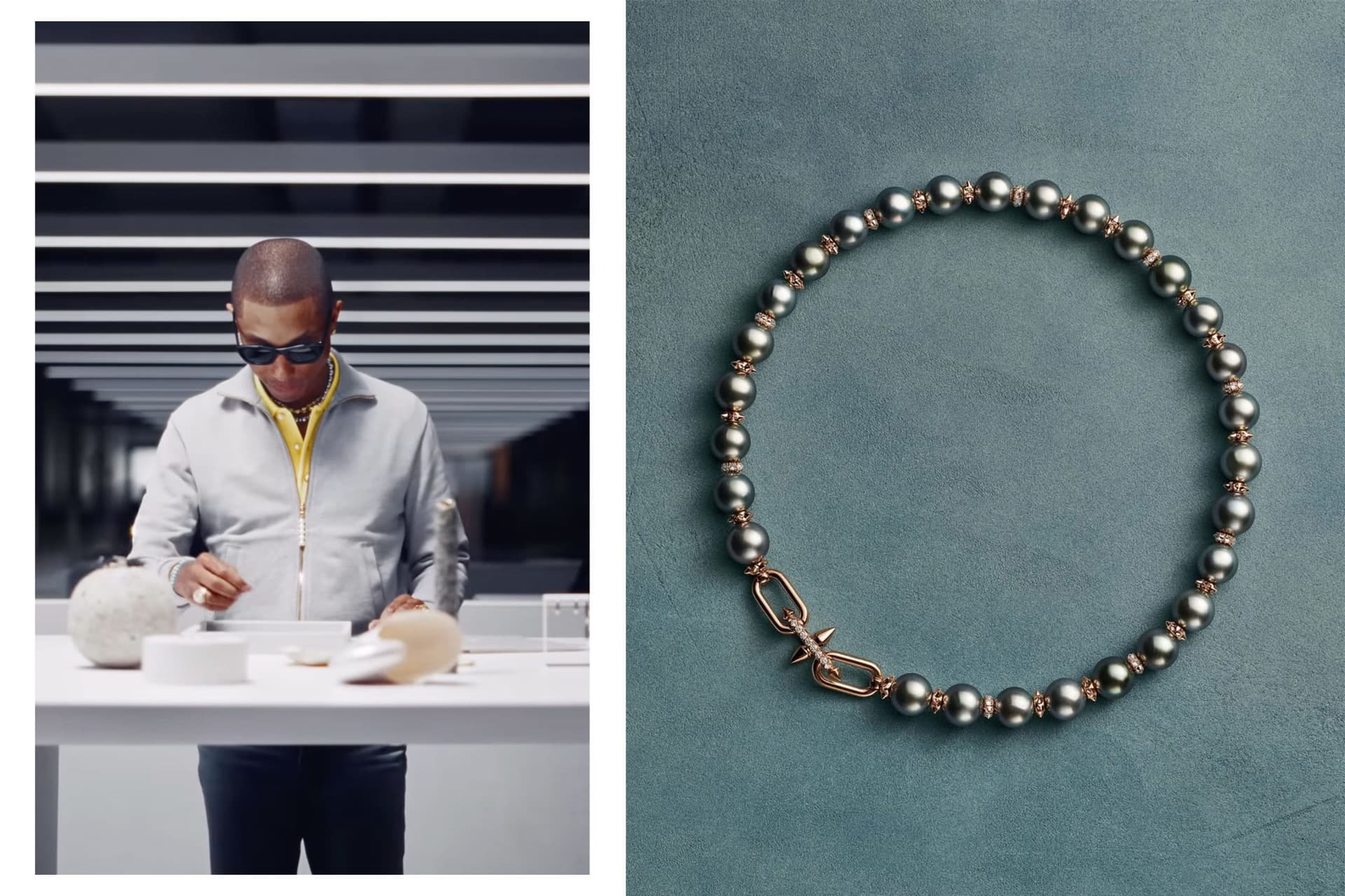
Parcelle Jewelry Unveils Spring Collections Featuring Rare Black Tahitian Keshi Pearls
Parcelle Jewelry's Shinjuku store launched spring collections built around black Tahitian keshi pearls, prized for their rare irregular, sculptural forms.
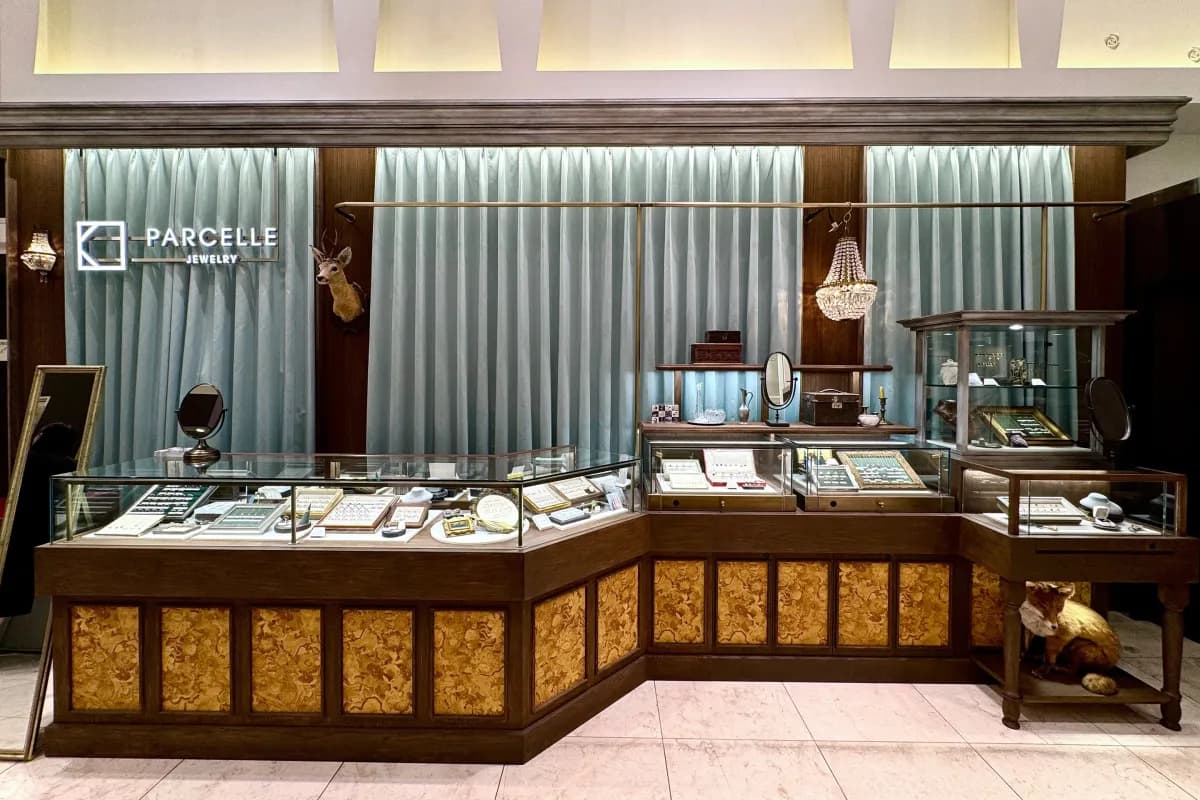
Parcelle Jewelry introduced two new spring collections at its Shinjuku store this month, anchoring the seasonal program around one of the pearl world's most compelling rarities: black Tahitian keshi pearls.
Keshi pearls occupy a distinctive place in fine jewelry. Unlike nucleated cultured pearls, which form around an implanted bead, keshi develop as byproducts of the culturing process, entirely without a nucleus. The result is a pearl composed wholly of nacre, often with exceptional luster. Tahitian keshi push this further still: formed in the black-lipped oyster Pinctada margaritifera, they carry that species' famously rich body color, ranging from deep charcoal to green-tinged black, with overtones that can shift from peacock to aubergine depending on the light. Their irregular, sculptural forms, no two alike, make them prized by designers who want organic movement rather than the uniformity of round cultured pearls.
Parcelle's spring program introduced the Nature and Mimosa collections alongside the limited-edition keshi pieces. The Nature collection's name suggests an embrace of organic asymmetry, a fitting context for keshi, whose free-form silhouettes reward settings that let the pearl's own contours drive the design rather than subordinating them to geometric precision. Mimosa evokes a lightness and warmth consistent with the brand's apparent seasonal direction.
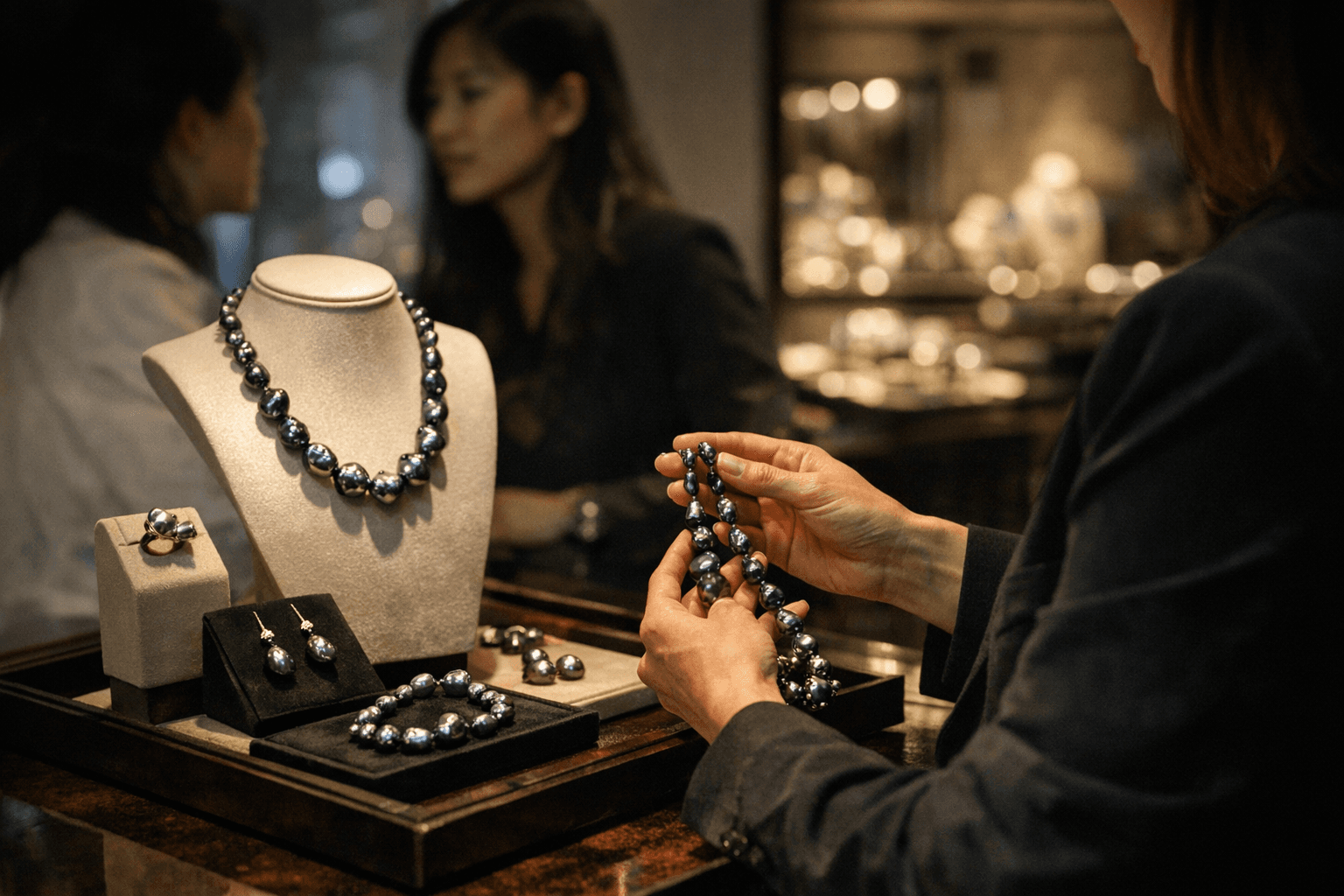
The Shinjuku location serves as an appropriate stage for this kind of launch. Tokyo's jewelry market has long shown sophisticated appetite for cultured pearl design, with buyers who understand the difference between a Hanadama Akoya and a Tahitian baroque, and who recognize why a keshi's all-nacre composition is worth the premium it commands over a standard nucleated pearl of similar size.
Limited-edition releases built around pearls of this specificity carry real weight. Black Tahitian keshi are not produced in volume; their formation is incidental, and the supply of matched or designer-selected pieces is genuinely constrained. Parcelle's decision to center a spring collection on them reflects a considered material choice rather than trend-chasing.
Know something we missed? Have a correction or additional information?
Submit a Tip