Pearl Necklaces Return, Chanel Style Meets Modern Everyday Dressing
Pearl necklaces feel fresh when they’re layered, not ceremonious. Mikimoto, Chanel, and smart length choices explain why the look works now.
Why the strand feels newly relevant
Pearl necklaces are back because they no longer insist on ceremony. In a global luxury jewelry market worth about 31 billion euros in 2024, pearls now compete not as relics of formal dressing but as one of the easiest ways to make a T-shirt, blazer, or dress look finished.
Pearls have always carried two histories: one scientific, one style-driven. Mikimoto says Kokichi Mikimoto was the first in the world to successfully culture a pearl in 1893, and the brand still treats that breakthrough as the beginning of the modern cultured-pearl era. Chanel brings the other half of the story, because Gabrielle Coco Chanel helped make costume jewelry feel like a deliberate part of a woman’s wardrobe rather than a consolation prize beside precious jewels.
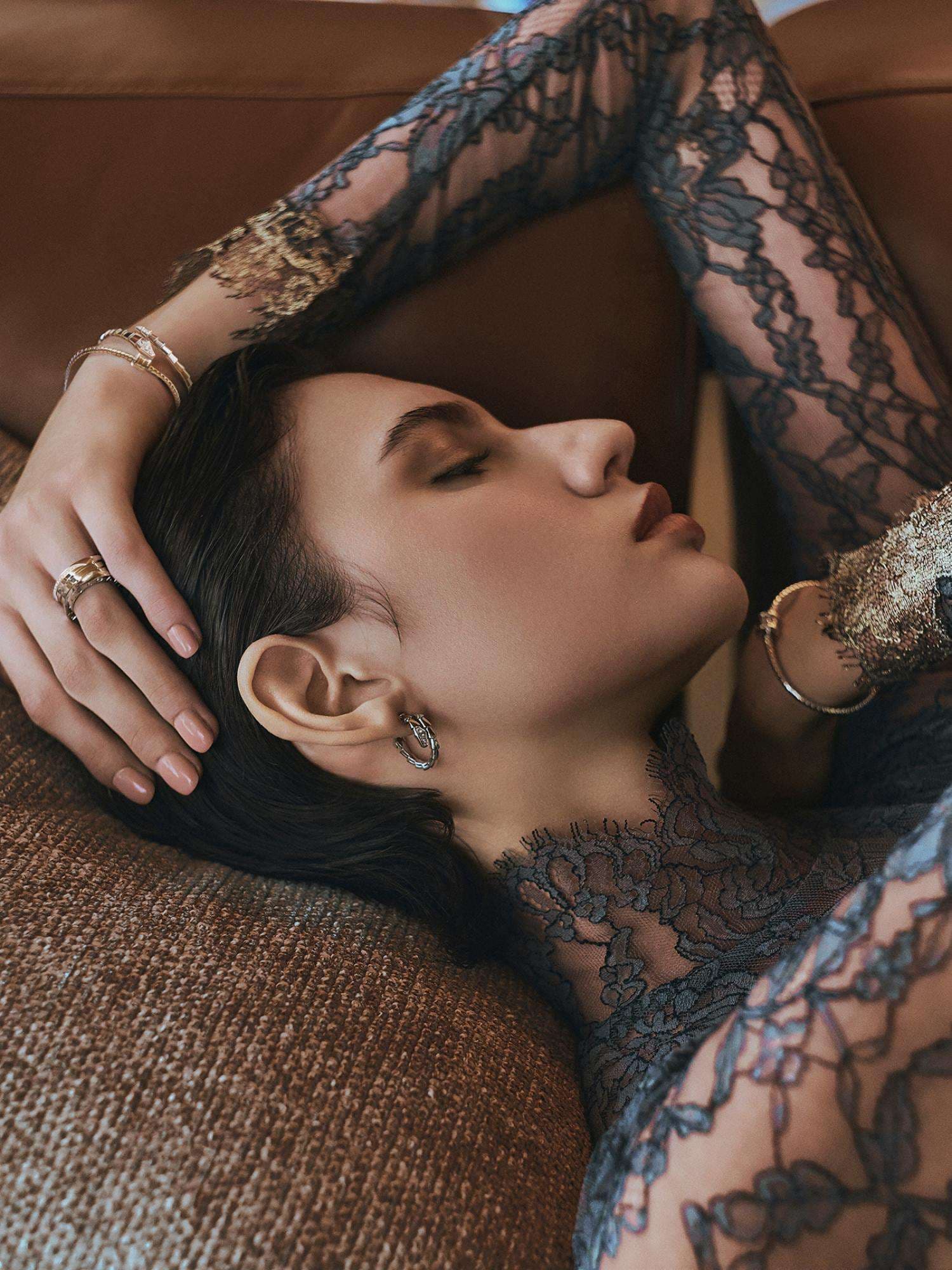
That dual legacy matters now because the current pearl mood is not about stiffness. Recent fashion coverage has leaned toward expressive, nostalgic accessories, with jewelry at fashion week taking on more sculptural shapes, mixed metals, and movement. Pearls are being worn with denim, leather, and layered chains, which changes their meaning completely. Instead of reading as proper or prim, they read as personal.
Start with the pearl itself
The type changes the entire mood
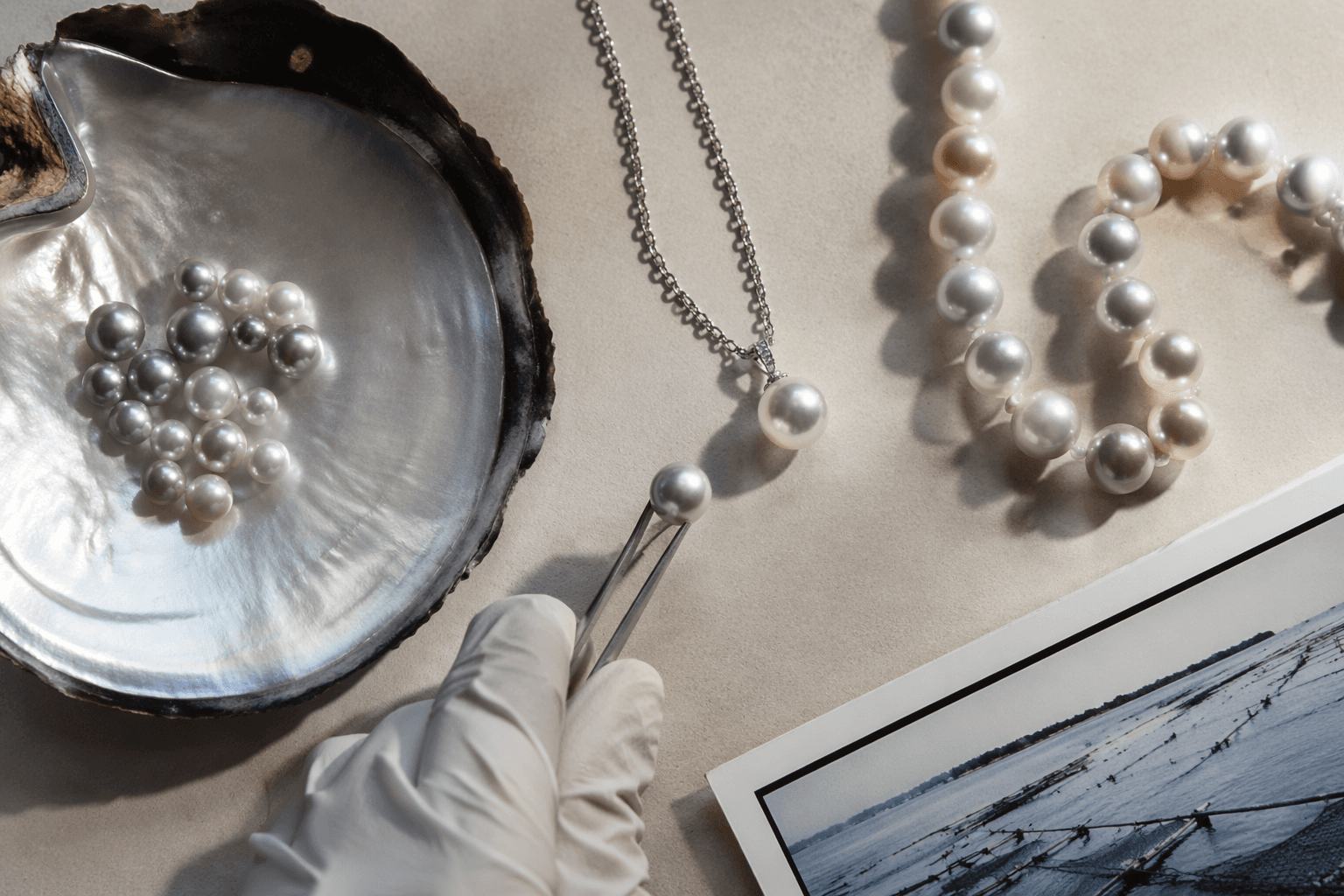
If you want pearls that feel modern, begin with the pearl type, not the brand name. Akoya pearls are the classic reference point for roundness and bright luster, which is why they still read as the most familiar strand. Freshwater pearls often deliver the most accessible entry price and more visual variety, while Tahitian pearls bring darker, moodier color and South Sea pearls offer larger scale with a softer, satiny glow.
What matters most is not simply whether the pearls are white or dark, but how they perform on the neck. Luster, nacre, surface quality, and matching determine whether a strand looks luminous and expensive or flat and dated. A smaller strand with excellent sheen will usually look better, and cost better, than a bigger one that lacks life.
Mikimoto still sets the benchmark
Mikimoto remains the name that frames the category because it gave cultured pearls their modern identity. The company’s own history places the first successful cultured pearl in 1893, and that milestone still shapes how serious buyers talk about quality. When a strand is compared to Mikimoto, the standard is not just glamour. It is precision, consistency, and the kind of polish that makes pearls look inevitable rather than decorative.
How to wear pearls now
Length decides whether the look feels formal
The quickest way to make pearls feel current is to choose the right length. Short collar and choker lengths sit higher and feel sharper with a crewneck, a crisp shirt, or a clean black top. Princess and matinee lengths sit lower, where they can soften tailoring or layer more naturally with chains and pendants.
This matters because a single strand can look very different depending on where it lands. Close to the neck, pearls can still evoke occasion dressing. A little longer, especially when worn with a blazer or knit, they begin to feel less ceremonial and more like an everyday finishing move.
Layering is what makes pearls look lived-in
Marie Claire UK made a useful point in recent styling coverage: pearls are easy to wear because they complement all metals. That flexibility is what keeps them from feeling trapped in an old dress code. A strand can sit beside yellow gold, white gold, or silver-toned chains without looking confused, and it can move from a white shirt to denim to leather with very little effort.

The best current pearl looks rarely rely on a strand alone. They pair a pearl necklace with a chain, stack multiple lengths, or offset a classic strand with something harder-edged and more modern. That contrast is the point. Pearls stop looking precious in the museum sense and start looking polished in the wardrobe sense.
The Chanel lesson is really about attitude
Sotheby’s has described Coco Chanel as an arbiter of change who encouraged women to free the body and embrace costume jewelry alongside precious pieces. That idea still governs the best pearl styling today. Pearls are most compelling when they are not trying too hard to announce refinement, but instead bring a note of intention to otherwise ordinary clothes.
That is why the Chanel reference still feels so potent. The house’s long history gives pearls authority, but the styling lesson is the opposite of formality. Pearls should move with the body, not pin it in place.
How to buy without overpaying
Read the pearl before you read the label
A pearl necklace should be judged first by the pearls themselves. Look for strong luster, clean surfaces, substantial nacre, and even matching across the strand. If the pearls look chalky, overly uniform in a synthetic way, or strangely flat under light, keep moving. Real pearls have tiny natural variations, and their glow should seem to come from within the bead rather than sitting on top of it.
This is also where consumer protection matters. Fakes often look too perfect, while a well-made strand will show enough individuality to feel alive. The safest rule is simple: buy the cleanest luster and the best nacre you can afford, not the largest bead size you can find.
Price tier should follow quality, not hype
There is no single correct price for a pearl necklace, only a hierarchy of value. Freshwater strands can be an excellent entry point for the modern look, especially if you want to layer without making the necklace the entire outfit. Akoya sits higher when you want classic roundness and sharper luster, while South Sea and top-tier branded pieces rise with size, rarity, and finish.
Mikimoto and Chanel occupy the luxury end of the conversation, but for different reasons. Mikimoto signals expertise in cultured pearls and meticulous quality control, while Chanel sells a broader style proposition, where pearls are part of a fashion language built over decades. That distinction helps you decide what you are paying for: the pearl, the design, the name, or all three.
Specialists can save you from a costly mistake
Pearl Paradise shows how seriously this category has become online. The company says it was founded in 1996, went online in 2000, and now positions itself as one of the world’s largest online pearl companies, with virtual appointments through Certified Pearl Specialists. For anyone comparing strands at different price points, that kind of expertise can be useful because pearls are notoriously hard to judge from a single photograph.
The broader market makes the point even sharper. Statista places the global luxury jewelry market at about 31 billion euros in 2024, and Signet Jewelers generated more than 7.1 billion dollars in revenue in the same year, which shows how competitive the jewelry field remains. In that environment, pearls are not returning as nostalgia. They are returning as one of the few accessories that can still bridge heritage, fashion, and everyday dressing without losing their edge.
That is why pearls feel new again: not because they have shed their history, but because they now wear it lightly.
This article was produced by Prism’s automated news system from verified source data, official records, and press releases, then run through automated quality and moderation checks before publishing. The system is built and supervised by the people who set the standards it runs under. Read our full AI policy.
Did this article answer your question?