Scotland's Abernethy Pearl tops $100,000, a rare freshwater record
A 43.6-grain Scottish river pearl called Little Willie just brought £93,951, proving that provenance and natural origin can push a pearl into six-figure territory.
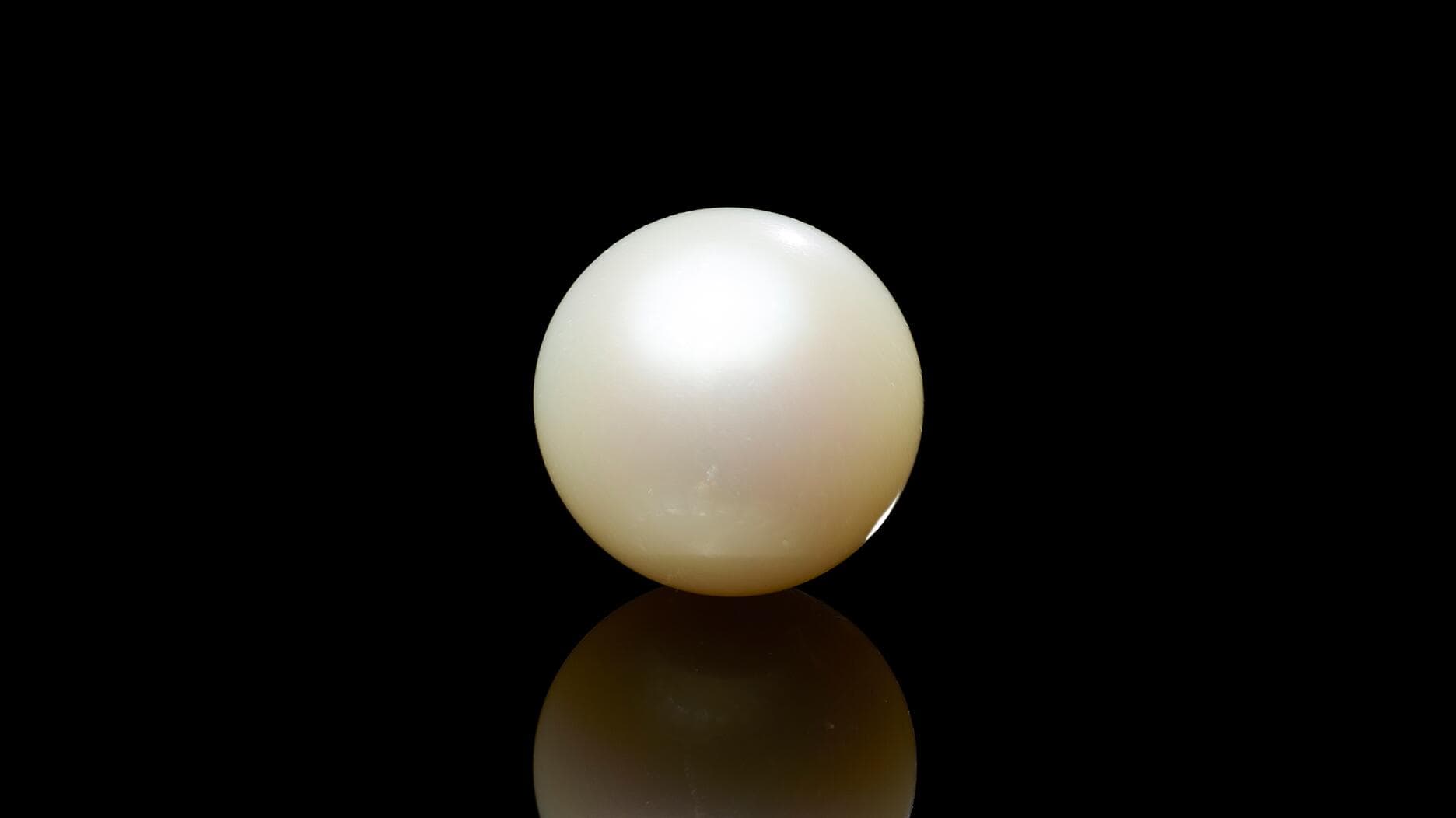
A 43.6-grain Scottish river pearl known as Little Willie has done what most pearls never do: it crossed the six-figure threshold, bringing £93,951, about $123,000, and setting a world record for a Scottish freshwater pearl. The result is a vivid lesson in why pearl value is built on scarcity, not just shine.
The Abernethy Pearl was found in 1967 by William, or Bill, Abernethy near the River Tay, when Scotland still had a living tradition of river pearl fishing. National Museums Scotland describes it as the largest freshwater pearl found in Scotland in modern history, and the largest known Scottish pearl since the Kellie Pearl of 1621. That kind of historical continuity matters: in the pearl market, a stone with a story, a date, and a place can be worth far more than an attractive but undocumented gem.
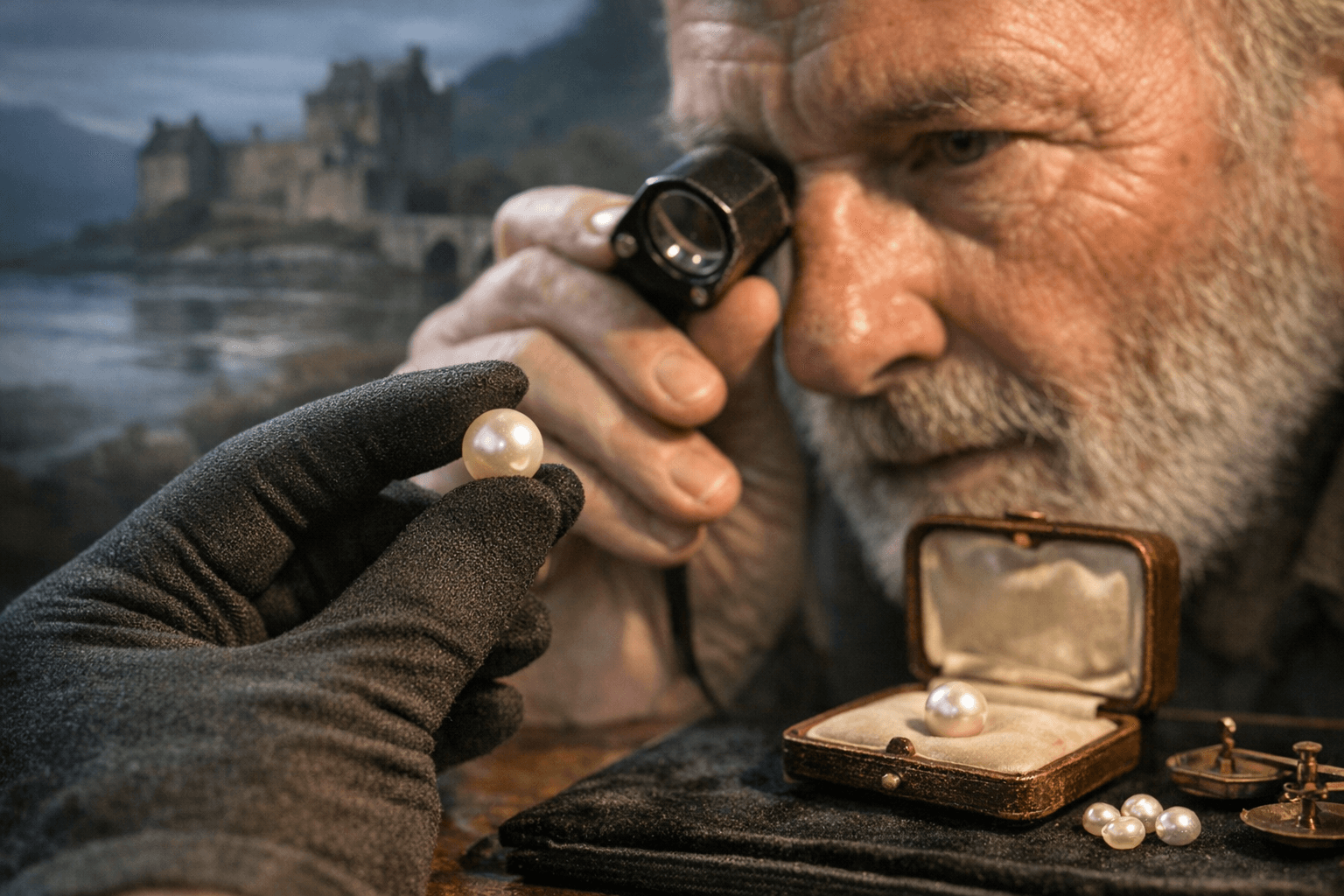
Bill Abernethy, known as Scotland’s last pearl fisherman, learned the trade from his father, Robert, and was said to identify likely pearl-bearing mussels by their size and shape. The pearl’s exact find spot was never revealed, a move meant to discourage fortune hunters, but its path from riverbed to sale is unusually well documented. Abernethy reportedly wrapped it in a dock leaf to protect it from scratching before taking it to Cairncross of Perth, the family jeweler established in 1869 that became the only business licensed to sell Scottish freshwater pearls.
That chain of custody is the kind of provenance collectors pay for. Natural freshwater pearls from Scottish rivers are exceptionally scarce, with roughly one in 5,000 mussels containing a pearl, and the species involved, Margaritifera margaritifera, is now dangerously close to extinction and protected. Pearl fishing was banned in Scotland in 1998 after mussel populations became severely threatened, which means the supply of genuine Scottish river pearls is effectively closed. In a market full of cultured pearls, that is the dividing line that matters most: natural versus cultivated, documented versus anecdotal, rare versus replaceable.
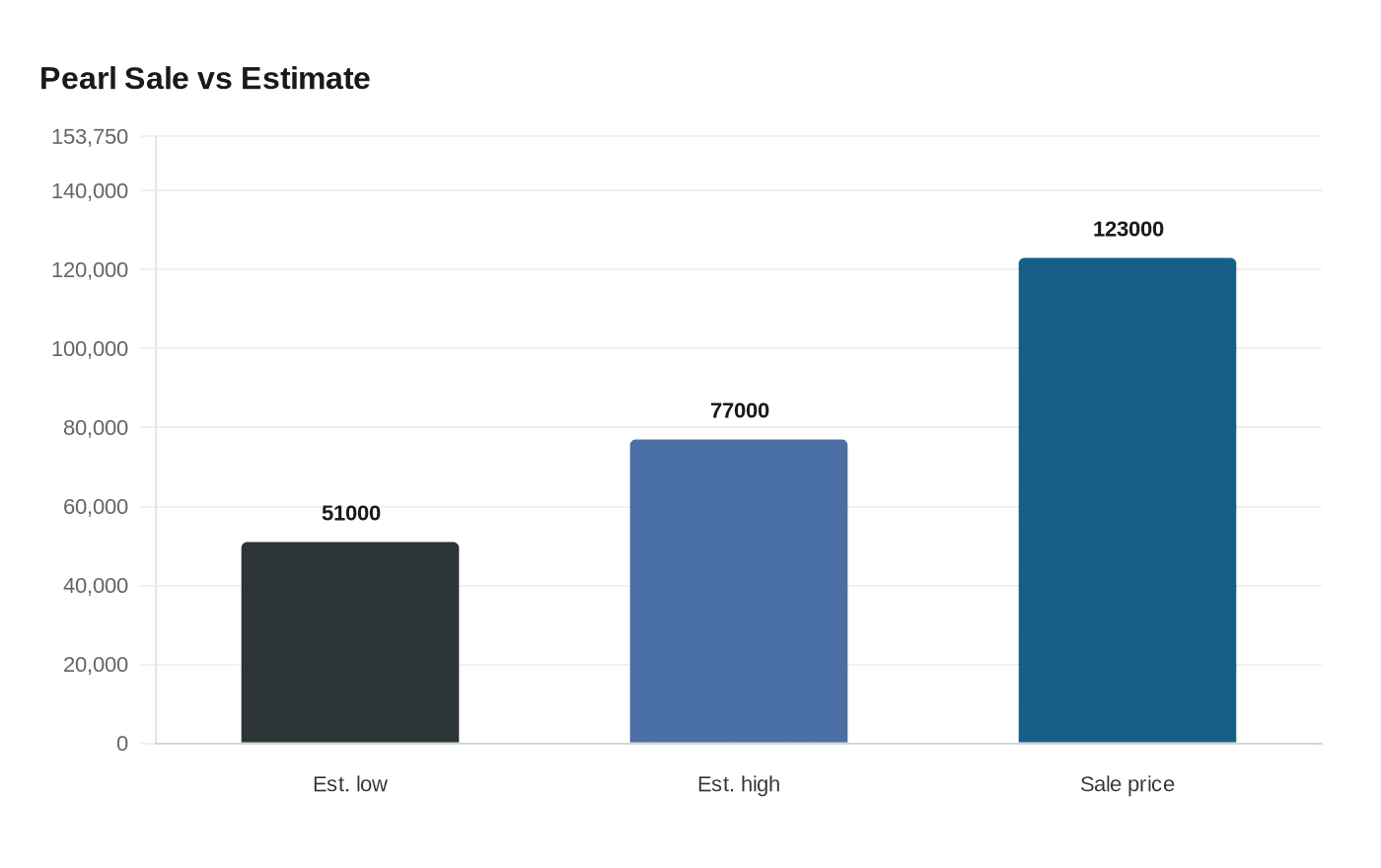
At Lyon & Turnbull’s Cairncross Collection sale in Edinburgh on August 21, 2024, the pearl sold above its $51,000 to $77,000 estimate and helped produce a white-glove result, with all 173 lots selling for £242,567, or $318,103. The buyer was from Scotland, and the pearl will remain in Scottish hands. For collectors, the checklist is clear: confirm origin, verify provenance, establish natural rather than cultured status, study size and shape, and trace sale history. Little Willie answers every one of those questions with unusual force, which is exactly why a river pearl with modest weight can command a record price.
This article was produced by Prism’s automated news system from verified source data, official records, and press releases, then run through automated quality and moderation checks before publishing. The system is built and supervised by the people who set the standards it runs under. Read our full AI policy.
Did this article answer your question?