Pearls dominate the 2026 Met Gala in sculptural red-carpet statements
Pearls did not play supporting cast at the 2026 Met Gala. From heirloom strands to baroque bodies, they became the night's sharpest signal.
Pearls as the evening’s clearest signal
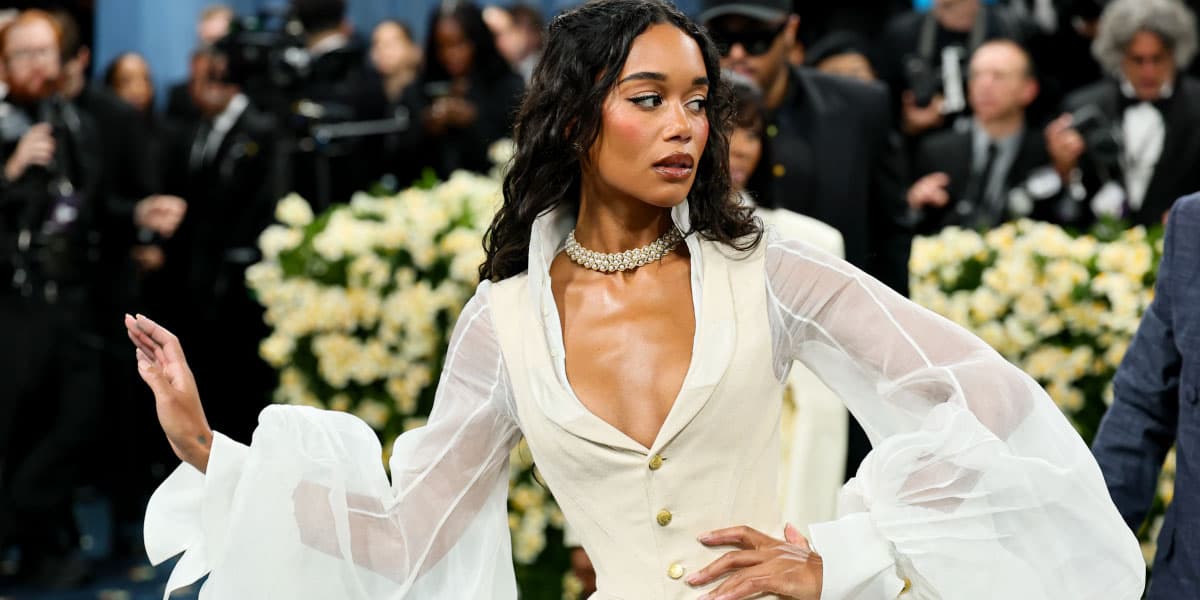
Pearls did not arrive at the 2026 Met Gala as a polite classic. They arrived as architecture. With the Costume Institute’s spring exhibition titled “Costume Art” and the dress code set as “Fashion is Art,” the Met’s most visible night asked jewelry to do more than decorate a neckline, and pearls answered by wrapping the body, not just sitting on it.
That mattered because the gala, held on Monday, May 4, 2026, was framed around the dressed body as an art form. The Met announced the exhibition and gala details on February 23, 2026, and the institution’s new Condé Nast Galleries added another layer of cultural weight to the evening. In that context, the strongest pearl looks read less like accessories and more like sculptural punctuation.
Why the pearl story feels different now
The pearl conversation was not limited to one silhouette or one kind of strand. The clearest red-carpet pattern was variety with intent: Akoya, baroque, and heirloom pearls all appeared in sculptural styling that made the category feel newly expansive. Akoya’s roundness brought purity and brightness; baroque pearls offered irregular form and movement; heirloom strands carried the emotional charge of inheritance and memory.
That mix is what makes the 2026 moment commercially interesting. Pearls are no longer functioning only as the expected answer to eveningwear, bridal dressing, or heritage jewelry boxes. They are moving into the language of body jewelry, statement proportion, and couture-scale styling, which gives brands far more room to experiment with shape, placement, and scale.
Emily Blunt made pearls feel architectural
Emily Blunt provided one of the night’s most striking examples of that shift with a Mikimoto pearl body necklace reportedly worth $500,000, worn with an Ashi Studio look. The piece mattered not only because of its price, but because of its placement. A body necklace turns pearls into a line that traces the torso, which is a far more contemporary gesture than the familiar single strand at the collarbone.
Mikimoto’s presence also signaled that high jewelry pearls can still feel luxurious without being conservative. The message was not about restraint. It was about precision, surface, and the way a necklace can become part of the garment’s architecture rather than a finishing touch.
Kylie Jenner pushed the baroque pearl story further
If Emily Blunt showed how pearls could become body work, Kylie Jenner showed how excess and irregularity can make them feel directional. Schiaparelli said her custom look featured 10,000 natural baroque pearls, along with matching chandelier earrings adorned with pearls and crystal stones. That is not a quiet pearl statement. It is a forceful argument for abundance, texture, and deliberate asymmetry.
Baroque pearls have always carried a more experimental energy than perfectly matched rounds, and that irregularity is exactly what made Jenner’s look feel current. The effect was couture, but not precious in the old sense. It suggested that pearls can be dramatic, almost volatile, when they are allowed to break from symmetry and multiply across a silhouette.
Heirloom references gave the trend its depth
The most compelling pearl looks were not only about novelty. They also drew strength from lineage. Gauravi Kumari’s Met Gala debut, built around a Prabal Gurung gown made from Maharani Gayatri Devi’s pink chiffon saree, added historical and familial depth to the evening’s pearl-heavy story. Her look was linked to royal-inspired Gem Palace heirlooms, which gave pearls a lived-in authority that no amount of surface shine can manufacture.
That connection between jewelry and inheritance is central to why pearls felt so powerful this year. When a pearl strand carries the memory of family, region, or craft tradition, it becomes more than a style choice. It becomes a narrative object, one that can sit comfortably beside couture but still speak in the language of legacy.
What brands should watch next
The larger takeaway from the 2026 Met Gala is that pearls are shifting from “classic” to “composed.” The next meaningful designs will likely favor body necklaces, elongated collars, layered heirloom strands, and mixed compositions that let round Akoya pearls play against the irregularity of baroque forms. Chandelier earrings, especially when paired with sculptural garments, will continue to feel relevant because they extend the pearl story beyond the throat and into motion.
For buyers, the most important change is not that pearls have become trendy. It is that they now read as a design medium with range. The best pieces still depend on the fundamentals, strong luster, clean nacre, and thoughtful proportion, but the red carpet made something else unmistakable: pearls are at their most persuasive when they look inhabited by the body, not simply worn on it.
The 2026 Met Gala did more than validate a pretty comeback. It confirmed that pearls are now one of the most modern ways to make jewelry look like art.
This article was produced by Prism’s automated news system from verified source data, official records, and press releases, then run through automated quality and moderation checks before publishing. The system is built and supervised by the people who set the standards it runs under. Read our full AI policy.
Did this article answer your question?