Roseate’s Odyssey collection puts pearls at the center of storytelling
Roseate turns pearls into a narrative object, pairing Odyssey imagery with saltwater pearls, mother-of-pearl, and traceable materials. The result feels cinematic, not sentimental.
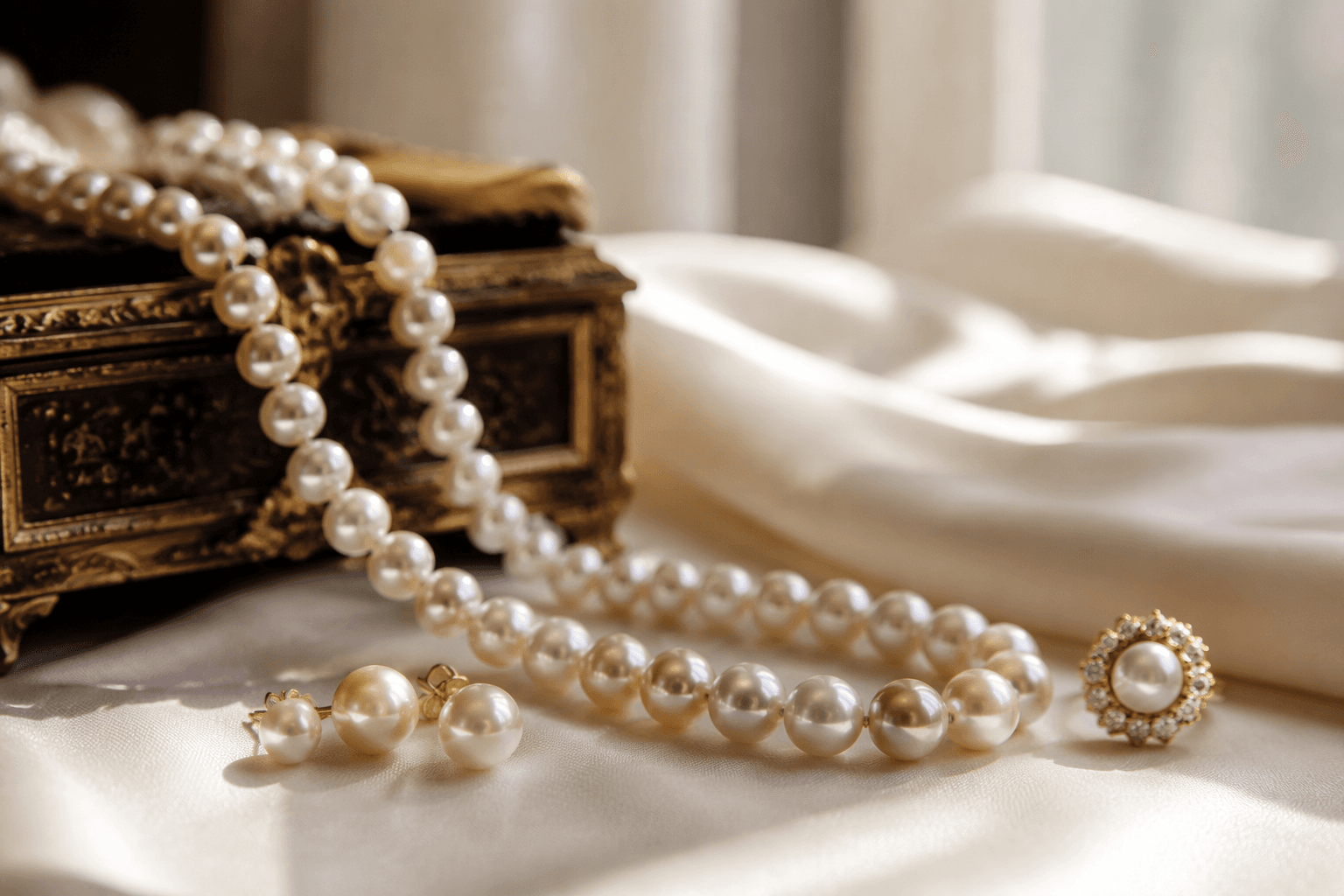
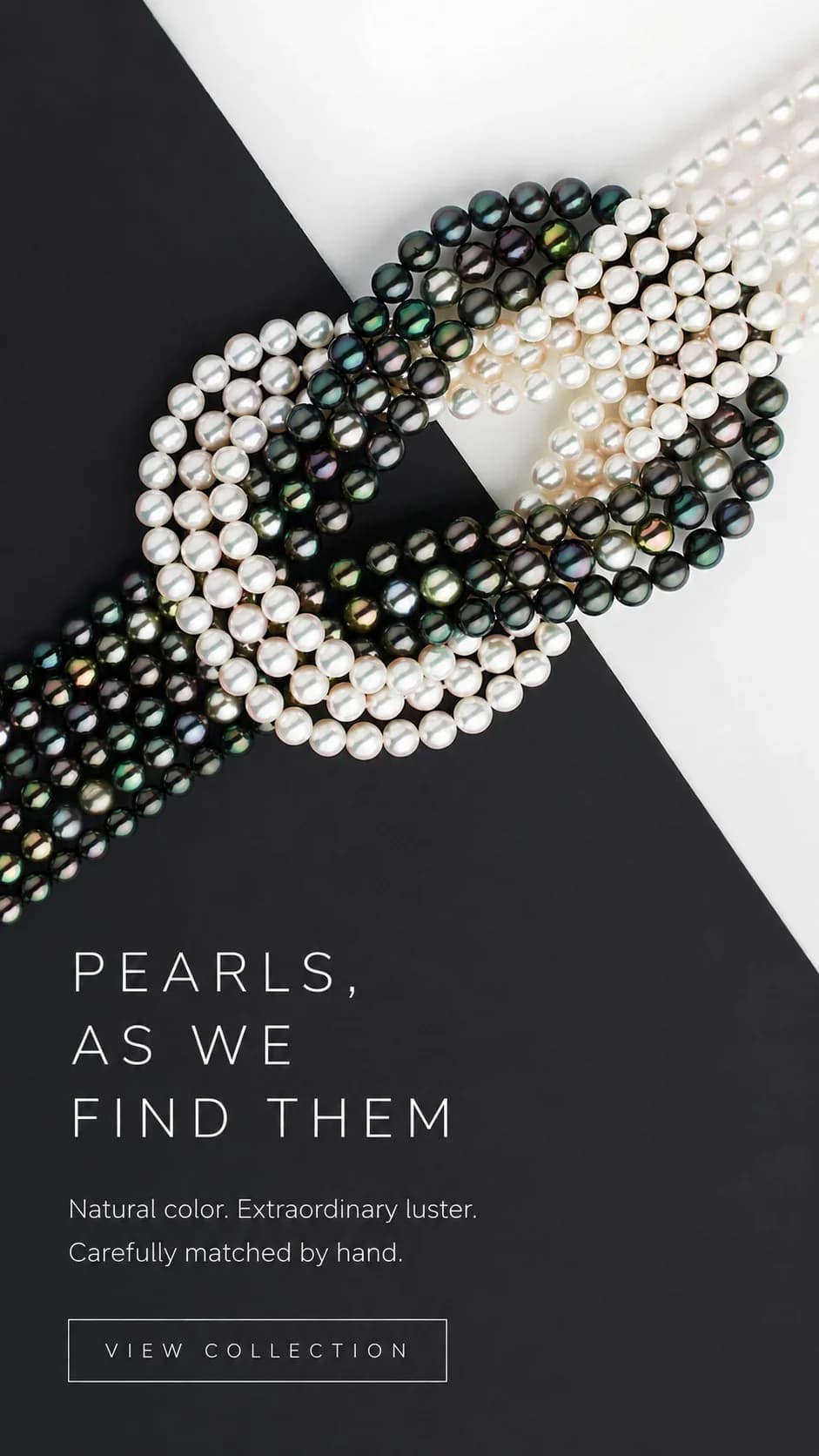
Pearls have been stuck in the heirloom box for years, but Roseate’s Odyssey collection pulls them into a more narrative, more collectible space. The line uses travel imagery, hope-filled motifs, and an emotional framework to make pearls feel less like tradition for tradition’s sake and more like design objects with a point of view.
Pearls as a story, not just a classic
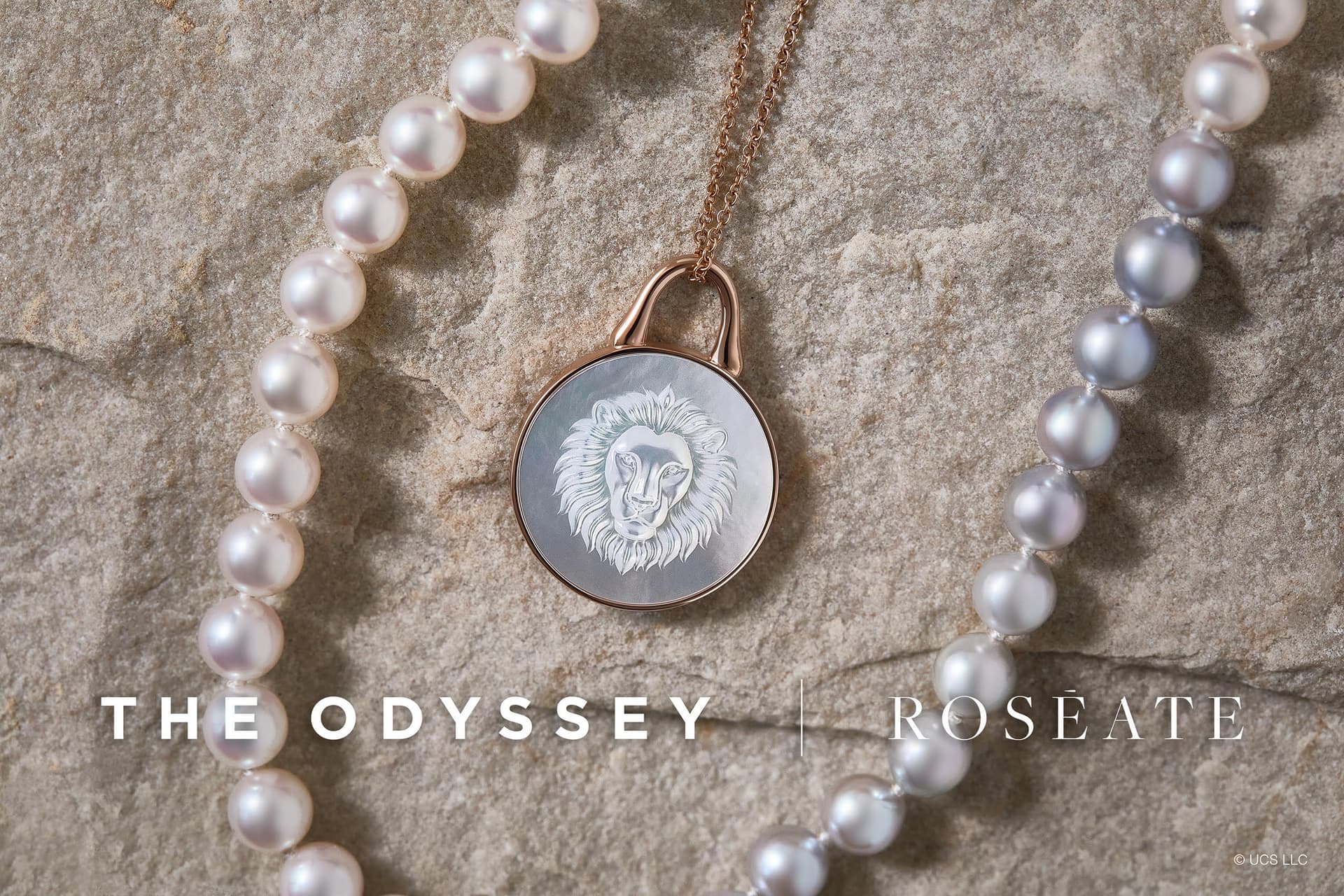
Roseate positions The Odyssey as an exclusive fine jewelry collection created in partnership with Christopher Nolan’s epic film, and that cinematic link gives the line immediate momentum. The brand’s own language is direct: “MODERN PEARLS. TRACEABLE GEMS. ICONIC DESIGN.” That is a sharper brief than the usual pearl pitch, because it makes the case that pearls can belong to contemporary fine jewelry without leaning on nostalgia.
The collection is built around pearls, but it is not limited to a single ceremonial format. Roseate’s assortment includes pearl necklaces, pendants, earrings, strands, and bracelets, which matters because it suggests a wardrobe of forms rather than one formal showpiece. In other words, the design language is not about locking pearls into a single kind of occasion. It is about giving them multiple points of entry, from easy-to-wear pieces to more statement-driven silhouettes.
What makes The Odyssey feel contemporary
The materials do a lot of the work here. Roseate brings together sterling silver, gold, saltwater pearls, and mother-of-pearl, a combination that gives the collection contrast and keeps it from reading as overly precious or predictable. Sterling silver can cool the brightness of pearls, while gold adds warmth and weight; mother-of-pearl extends the visual language without forcing the eye toward an obviously matched set.

That mix is one reason the collection feels current rather than sentimental. The pearls are not being presented as isolated heirlooms but as part of a broader design system, where surface, reflection, and color work together. The Odyssey theme adds symbolism without flattening the pieces into costume jewelry, and the hope-filled motifs give the line a narrative frame that contemporary shoppers understand quickly: this is jewelry with a plot, not just polish.
Roseate’s own positioning sharpens that argument. The brand says it sees pearls “anew,” with designs that span age and gender and move beyond formality and status. That language reflects a broader shift in pearl buying, where the appeal is no longer limited to traditional bridal or special-occasion use. Pearls are being recast as versatile objects that can sit comfortably on different bodies and across different dress codes.
Why provenance matters in a pearl story
The sustainability conversation around fine jewelry has changed what buyers notice. A pearl collection now has to do more than look luminous; it has to say something credible about where the materials come from and how they move. Roseate’s strongest provenance claim is its super-short supply chain, a traceability advantage that JCK has highlighted as central to the brand’s appeal.
That matters because pearls already carry a strong material story. Saltwater pearls and mother-of-pearl are not anonymous fashion inputs, and a brand that wants to sell them as modern luxury has to meet the moment with clearer sourcing language. Roseate’s traceable-gems positioning does that more cleanly than many pearl brands that rely on vague natural-beauty messaging. It does not solve every transparency question on its own, but it gives the collection a concrete claim rather than a soft promise.

The traceability angle also changes how the jewelry reads aesthetically. When provenance is part of the pitch, the design does not have to shout to prove value. Instead, the materials, the short chain, and the considered mix of metals and pearl surfaces become the persuasive details. That is a more credible luxury argument than simply calling pearls classic and leaving it there.
Why this pearl moment feels different
Pearls are moving because brands are treating them as cultural objects, not just status symbols. Roseate’s emphasis on age, gender, and a broader emotional register shows how far the category has drifted from its old formal codes. The Odyssey collection leans into that shift by using travel symbolism and cinematic collaboration to give pearls a sense of movement.
That is also why the collection reads as collectible. The combination of strands, pendants, earrings, bracelets, and necklaces suggests a story that can expand over time, rather than a single one-off launch. For shoppers who want novelty in fine jewelry, that narrative approach offers something more useful than seasonal trend language: it gives pearls a contemporary identity built on design, traceability, and meaning.
Roseate’s Odyssey succeeds because it treats pearls as a starting point, not an ending point. In a market that now asks for provenance as well as beauty, that is the kind of pearl story that feels newly relevant.
This article was produced by Prism’s automated news system from verified source data, official records, and press releases, then run through automated quality and moderation checks before publishing. The system is built and supervised by the people who set the standards it runs under. Read our full AI policy.
Did this article answer your question?