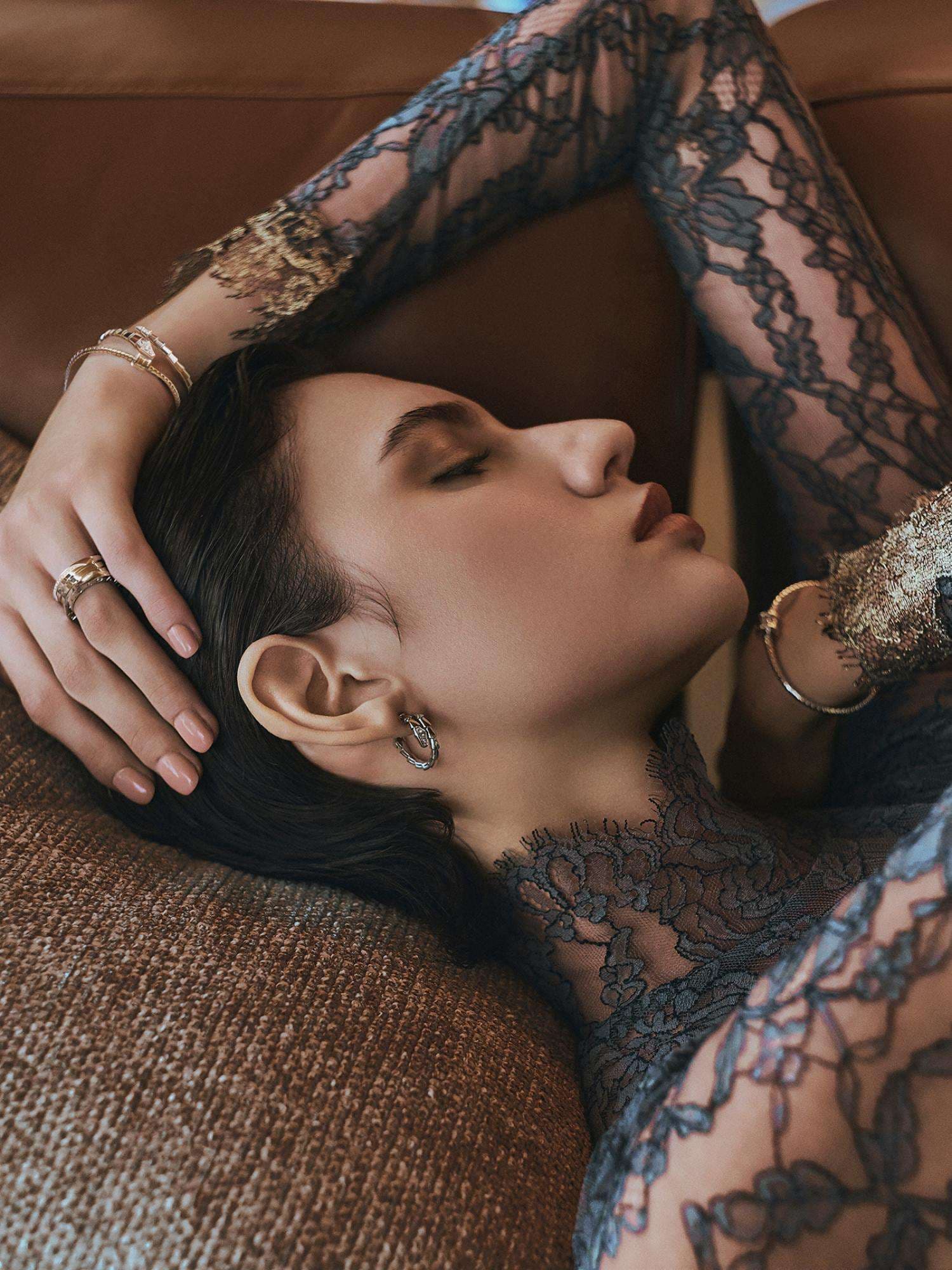
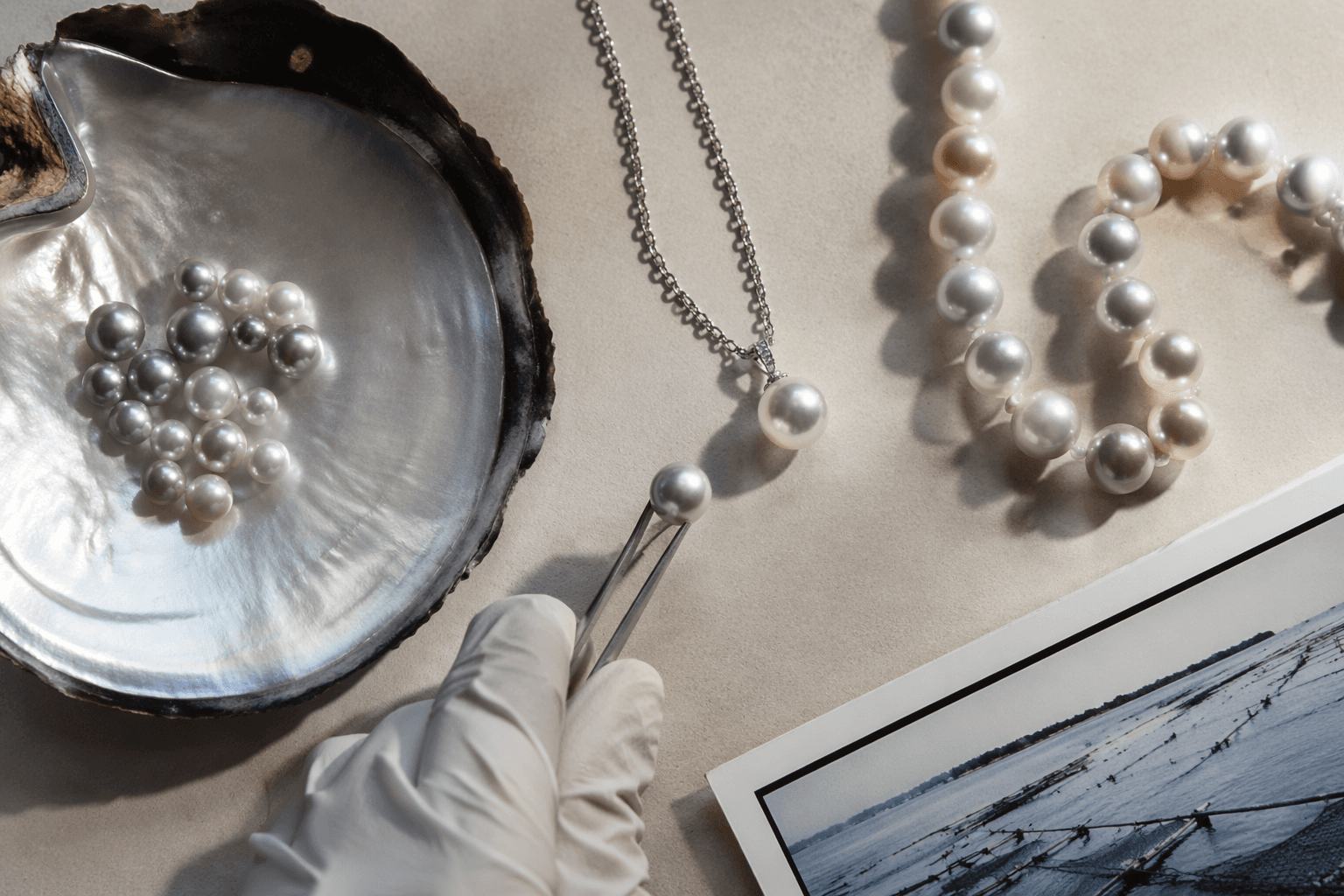
Pearls Stage Major Comeback Across Fashion, Pop Culture and Retail
Deborah Yonick reports that the global pearl jewelry market topped $13 billion in 2024 and is “no longer nostalgia” but momentum, with pearls moving from wedding cases to handbags, shoes and denim.
“Pearls have quietly moved from the back of the case to the center of the conversation,” Deborah Yonick wrote in Southern Jewelry News on February 26, 2026, and the numbers underline the claim: “The global pearl jewelry market surpassed $13 billion in 2024 and is projected to double over the next decade.” That combination of cultural visibility and a large market figure is the clearest signal yet that pearls are shifting from a niche category into mainstream retail strategy.
Yonick places the shift in sharp retail terms. “For years, pearls were treated as heritage inventory, weddings and milestones. Reliable, refined, predictable,” she observed, and then framed the change bluntly: “But what’s happening now isn’t nostalgia. It’s momentum.” Southern Jewelry News serves independent jewelers and Mid‑America Jewelry News readers, so the piece reads like an industry brief: a call to rethink merchandising, SKU depth and customer conversations for pieces that were once seasonal.
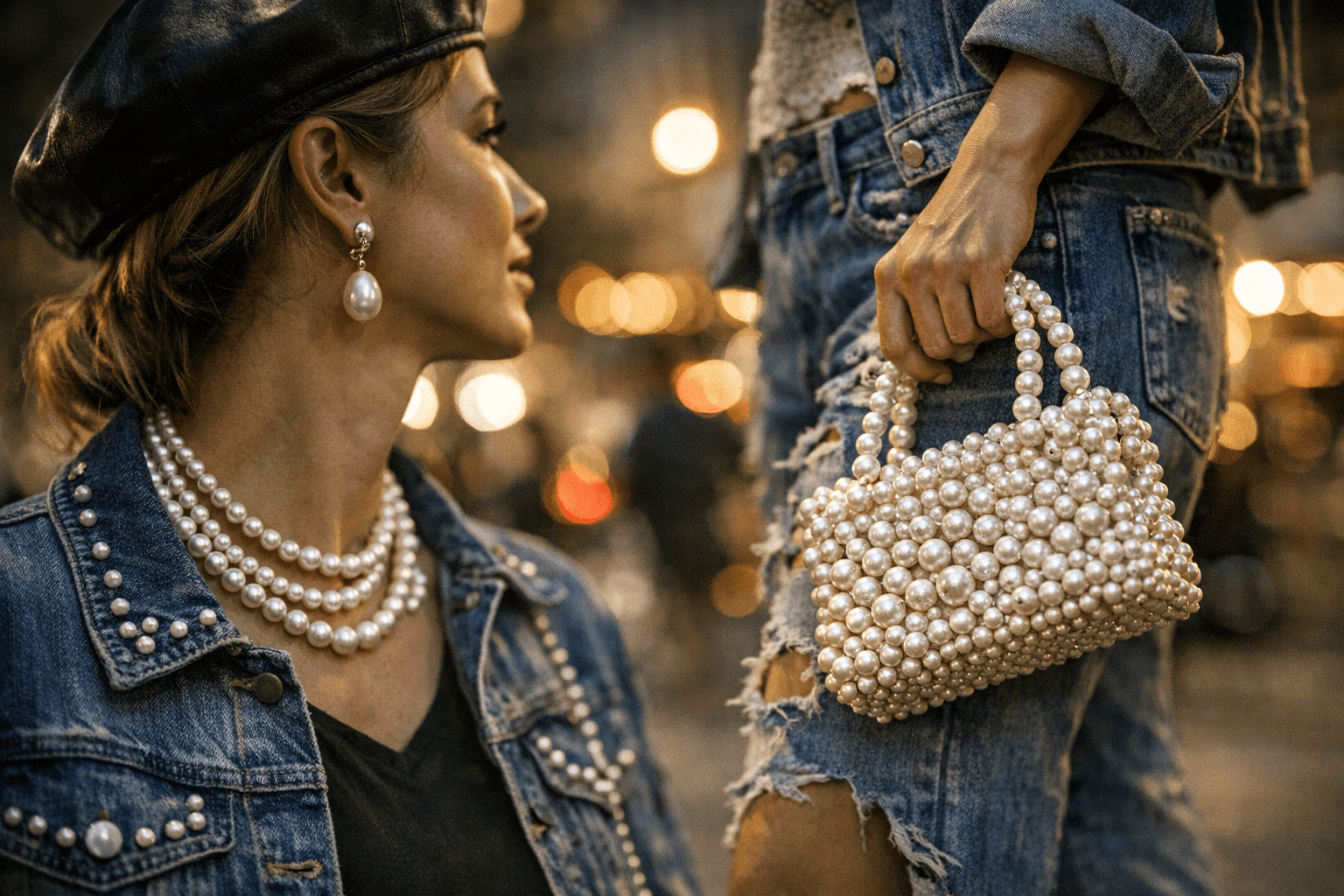
Fashion coverage has been the engine of that rethink. Byrdie cast the phenomenon as “The Pearl Trend in 2025,” noting that “Pearl jewelry is elegant and timeless, but the power of pearls doesn't stop at necklaces or earrings. This season, pearls are appearing everywhere, from structural handbags and accessorized shoes to cardigans and denim.” The outlet documents a wide stylistic range - single-earring designs through showstopping pendants - and characterizes the look as a modern revamp of the coastal grandmother aesthetic, mixing heritage craftsmanship with street-forward placement.
High-visibility moments have supplied the imagery buyers and editors reproduce. Byrdie recalls that “Kim Kardashian wore a look featuring 50,000 freshwater pearls, by Schiaparelli’s Daniel Roseberry, at the 2023 Met Gala, which paid homage to the late Karl Lagerfeld.” The same coverage highlights editorial styling: “For her recent Byrdie cover story, Alicia Keys shone in a similarly layered look from Cult Gaia,” with image credits including Anairam and social handles such as @cultgaia and @shashinyc appearing alongside Getty Images material. These touchpoints stitch historical precedent to present demand; Byrdie also notes that pearls “really began to trend in the 1920s, thanks to flapper style and the influence of Coco Chanel,” and it invokes Audrey Hepburn’s layered strands in 1961’s Breakfast at Tiffany’s as an enduring template.
For retailers and collectors the implications are specific. A market that exceeded $13 billion in 2024 and is forecast to double over the next decade alters inventory math: freshwater strands, baroque drops and pearl-embellished accessories now compete for floor space with bridal classics. Independent jewelers reading Southern Jewelry News will recognize the recommendation embedded in Yonick’s prose - re-merchandise beyond milestone sales and cultivate cross-category collaborations with designers and accessories houses.
The convergence of runway reinventions, cultural moments from the Met Gala to celebrity editorials, and a sizeable market projection suggests pearls are not merely cyclical ornamentation but a category with measurable commercial heft. For designers, retailers and collectors, that means pearls deserve renewed attention as both a craft discipline and a practical line item in assortments for the next decade.
This article was produced by Prism’s automated news system from verified source data, official records, and press releases, then run through automated quality and moderation checks before publishing. The system is built and supervised by the people who set the standards it runs under. Read our full AI policy.
Did this article answer your question?