Tahitian pearls not just black: color range, formation and value drivers
Tahitian pearls are not simply "black", they span greens, blues, lavenders and peacock overtones; know how color, formation and technical qualities together determine value.

1. Color range: more spectrum than “black”
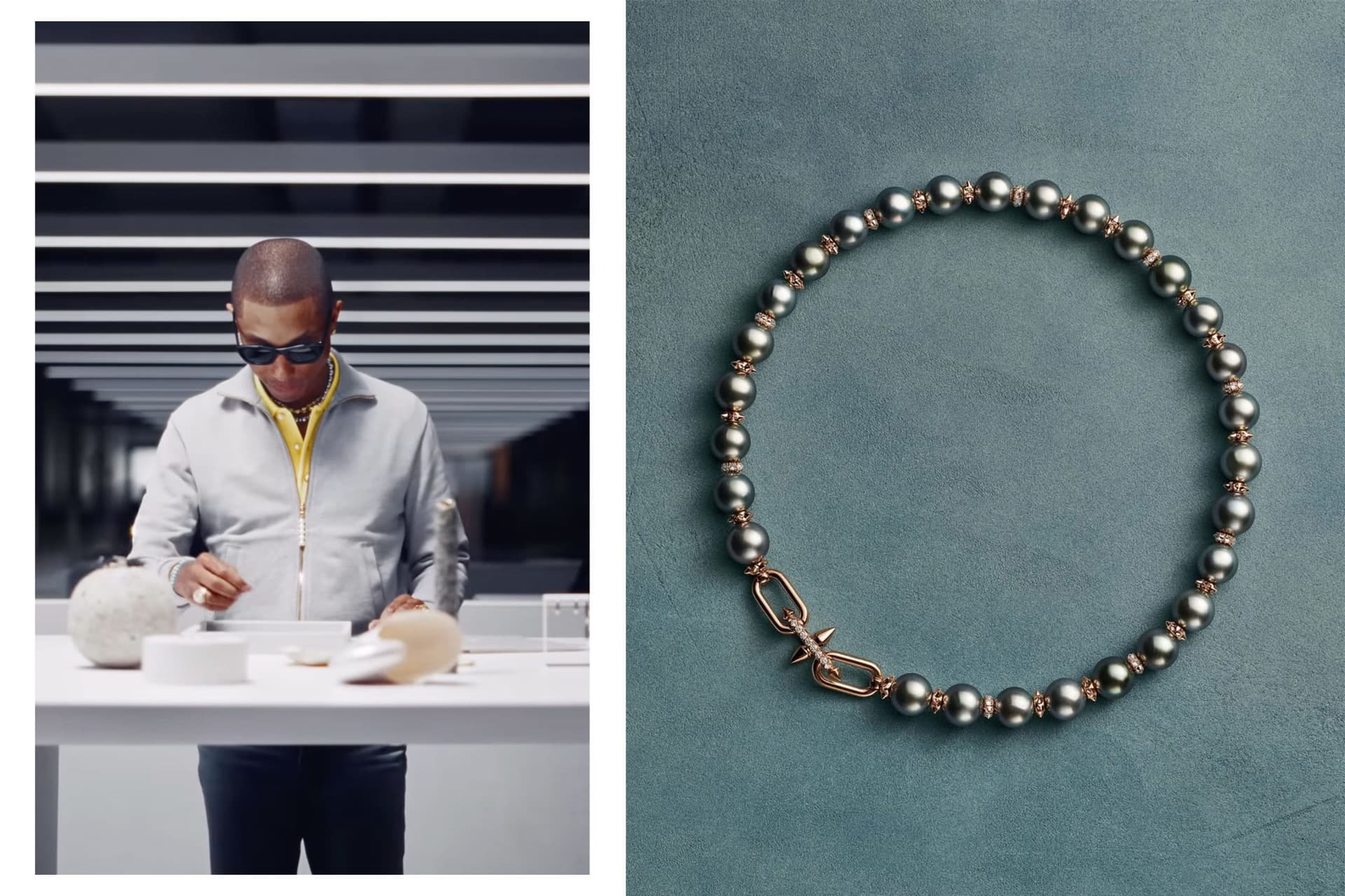
Tahitian pearls are often mislabeled as black, but their palette runs from silvery gray to deep peacock green, from inky blue to soft lavender. The most sought-after descriptors, peacock, peacock green, and aubergine, try to capture layered effects of body color, overtone and orient; the research notes specifically list green, blue and lavender as common hues. Color in Tahitian pearls is not a flat pigment but an interplay of the oyster’s dark lip nacre, light interference in microscopic layers, and the angle of view, so a single pearl can read green in one light and blue in another. When assessing color, look past the shorthand “black”: note the bodycolor (the underlying shade), overtone (a thin wash of another hue), and orient (iridescent, spectral flashes); collectors pay premiums for rare, clear overtones like pronounced peacock or strong lavender.
2. Formation: how Tahitian pearls acquire their hues and shapes
Tahitian pearls are produced by the black-lipped oyster, Pinctada margaritifera, cultivated primarily in French Polynesian lagoons. Color begins with genetics, the oyster’s dark mantle tissue and lip pigmentation, and is refined by nacre deposition: successive microscopic layers of aragonite and conchiolin that create interference effects responsible for overtone and orient. Culture is a patient craft; growers surgically graft a nucleus and a mantle tissue piece, then return the oysters to sheltered atoll waters for a maturation period that can range broadly depending on target size and luster. The species’ natural tendency toward thicker, darker nacre yields the deeper, shimmering hues associated with Tahitian production, and the same biological realities explain why baroque and drop shapes are common, even when perfectly round specimens command the highest prices.
3. Value drivers: what raises or lowers price
Size, luster, surface quality, shape, color and matching are the principal determinants of value for Tahitian pearls, each carrying measurable impact on price and desirability.
- Size, Measured in millimeters, larger Tahitians (often 8–18 mm in commercial offerings) are rarer and command significant premiums; incremental increases in diameter have outsized effect on value because larger pearls require more nacre and longer culture times.
- Luster, The single most visible quality: high luster means sharp, mirror-like reflections and crispness of reflected images; pearls with strong luster reveal color depth and overtone more vividly and are priced accordingly.
- Surface quality, Blemishes, pits or calcified spots reduce value; buyers should expect some natural surface variation, but clean-to-nearly-clean surfaces fetch top dollar.
- Shape, Round pearls remain the pinnacle and are scarce in larger sizes; near-round, button, drop and baroque shapes are common and desirable for different design uses, but shape premiums are highest for well-matched rounds.
- Color rarity and purity, Certain color combinations, deep peacock with a clearly defined green overtone, or a true lavender bodycolor with silvery orient, are considered rarer and often more valuable than generic dark gray or brown tones.
- Nacre thickness and durability, Thicker nacre measured in tenths of a millimeter ensures longevity and better luster; buyers should prefer pearls with substantial nacre, especially in larger sizes where thin nacre is a risk.
- Matching and strand quality, A well-matched strand multiplies value: tight color, size and luster consistency across 40–50 pearls is a technical achievement that commands a premium.
- Provenance and certification, Pearls identified as cultured in French Polynesia from Pinctada margaritifera carry market cachet; independent gemological reports that itemize bodycolor, overtone, nacre thickness and any treatments provide essential assurance.
4. Treatments, misnomers and buyer protections
Natural coloration is the hallmark of Tahitian pearls, but the market also includes treatments and imprecise labeling that affect value and durability. Some pearls receive surface treatments to enhance color or luster; others are marketed under simplified names, “black pearl”, that erase nuance and can mislead buyers about rarity. Request transparent documentation: ask for laboratory reports or retailer disclosures that state whether color enhancements have been applied and that detail nacre thickness and origin. When a certificate lists overtone and bodycolor separately, you gain measurable information that clarifies value rather than relying on marketing shorthand.

5. Design and setting considerations for Tahitian pearls
Tahitian pearls’ dramatic tones call for settings that respect color contrast and protect nacre. Classic choices include white or rose gold and platinum, which emphasize cool overtones and let peacock greens and blues sing; warm metals like yellow gold can bring out aubergine and brown overtones when a wearable warmth is desired. Settings should minimize stress on the drill hole and provide cushion, bezel cups, peg settings with quality adhesives, and custom mounts that cradle baroque forms all preserve integrity. For a matched strand, invest in proper knotting between pearls to reduce abrasion and potential loss; for single-stone jewels, a well-proportioned mount that balances the pearl’s size and shape elevates both comfort and visual impact.
6. How to buy: practical steps and red flags
1. Inspect in natural and directional light to verify overtone and orient; a pearl that loses its character under daylight likely carries less premium.
2. Ask for nacre thickness measurement and a report on treatments; thin nacre or undisclosed dyeing are legitimate reasons to negotiate or walk away.
3. Compare matching across strands: look at length, color gradation and the number of pearls, consistency in those metrics is what you are paying for.
4. Prefer reputable dealers who provide documentation of origin or laboratory grading; provenance adds both peace of mind and resale value.
Conclusion Tahitian pearls deserve to be read as a spectrum, a conversation between oyster biology, lagoon terroir and human craft, rather than reduced to a single color label. Understanding the layered interplay of bodycolor, overtone and orient alongside technical metrics like size, luster and nacre thickness is the collector’s advantage. Armed with exacting inspection, transparent documentation and an eye for rare overtones such as peacock green or lavender, you buy more than a pearl; you buy a moment of oceanic complexity captured in nacre.
Know something we missed? Have a correction or additional information?
Submit a Tip