Tahitian Pearls Turn Sculptural in New Gender-Fluid Fine Jewelry
Tahitian pearls are leaving classic strands behind. Tiffany, Annette Welander and Gellner are turning their dark, naturally varied color into sculptural pieces that feel distinctly modern.
The color story buyers need to know
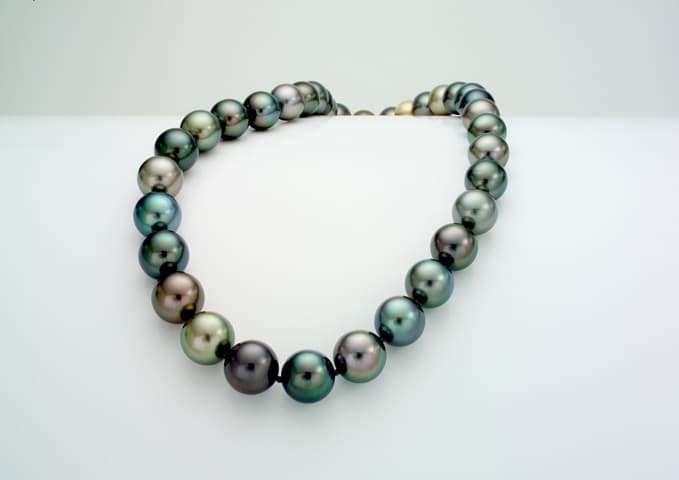
Tahitian pearls are the only naturally black pearls, but black is the least interesting thing about them. Raised by the black-lip oyster, *Pinctada margaritifera*, across French Polynesia, from Moorea to the Tuamotu Atolls, they move through a full range of hues rather than landing on a single shade. Tahiti Tourisme describes the most popular color as a very dark green with a pearly sheen, and that nuance is exactly why the gem feels so current. It is not a flat substitute for a white pearl; it is a pearl with depth, overtone, and attitude.
That matters because modern luxury favors materials that look rare without looking precious in a brittle way. A Tahitian pearl can be graphite-dark, green-leaning, or softly iridescent, which gives designers far more room than the classic white strand ever did. The best pieces do not try to tame that variation. They let the pearl’s darkness, luster, and subtle color shift do the work.
Why Tiffany made the pearl feel architectural
Tiffany & Co. gave Tahitian pearls one of their sharpest modern presentations with Titan by Pharrell Williams, first launched in May 2024. The Tahitian-pearl styles arrived as the third phase of the collection, following an earlier phase built around freshwater pearls, and they came in five forms: pendant, earrings, necklace, bracelet and ring. Each piece is crafted in 18k rose gold with pavé diamonds, a combination that makes the pearl feel less like a traditional jewel and more like a designed object.
That detail is crucial. Rose gold warms the dark pearl instead of flattening it, while pavé diamonds add light without stealing attention from the surface of the pearl itself. The result is a line that feels sculptural and wearable, the kind of fine jewelry that can move from a sharp blazer to eveningwear without losing its edge. Pharrell Williams has helped make the pearl read as contemporary and gender-fluid, which is precisely why the collection resonates now.
How to read a Tahitian pearl piece before you buy
Investment-worthy Tahitian jewelry is not about adding sparkle for its own sake. It is about how the pearl is framed, how much of its surface is visible, and whether the setting respects the gem’s natural character. A bezel setting, which wraps metal around the stone, creates a more architectural, continuous look; prongs leave more of the pearl exposed and can feel lighter and more open. On Tahitian pearls, that difference shapes the entire mood of the jewel.
- Look for color with overtone, not dead black. The richest pearls have visible depth, especially the dark green tone buyers prize most.
- Pay attention to shape. A pearl can be round, near-round, or more sculptural, but the form should feel intentional rather than accidental.
- Read the metal pairing. 18K rose gold flatters the pearl’s darkness and gives it warmth; white metal pushes the look colder and more graphic.
- Let diamonds punctuate, not overwhelm. Pavé works best when it sharpens the silhouette instead of turning the pearl into a background element.
The strongest Tahitian pieces feel deliberate from every angle. If the pearl disappears under metal or ornament, the design is missing the point.
Annette Welander’s spheres make the contrast visible
Annette Welander’s Sphere Collection, introduced in late 2024, takes the same idea and makes it more explicit. The collection uses naturally formed black Tahitian pearl spheres with diamond cubes and 18K gold, creating a conversation between organic shape and geometric precision. Welander has said the work is inspired by the contrast between man-made and naturally formed objects, and that concept gives the pieces their charge. They are polished, but never slick; symmetrical, but never sterile.
The appeal lies in the tension. The pearl stays visibly natural, while the cube-like diamond elements bring a crisp architectural logic that feels unmistakably current. Welander also worked with sustainable Tahitian farms for the collection’s pearls, which adds another layer of value for buyers who want provenance to matter as much as appearance. In a market that increasingly rewards traceability, that is not a side note.
Why Gellner’s approach feels especially relevant now
Jörg Gellner’s pearl philosophy, which he calls Blue Luxury, places sustainability and the protection of natural habitats at the center of the category. That framing is smart, because Tahitian pearls already carry a strong origin story. They are born in the lagoons and atolls of French Polynesia, and their rarity is inseparable from the environment that produces them.
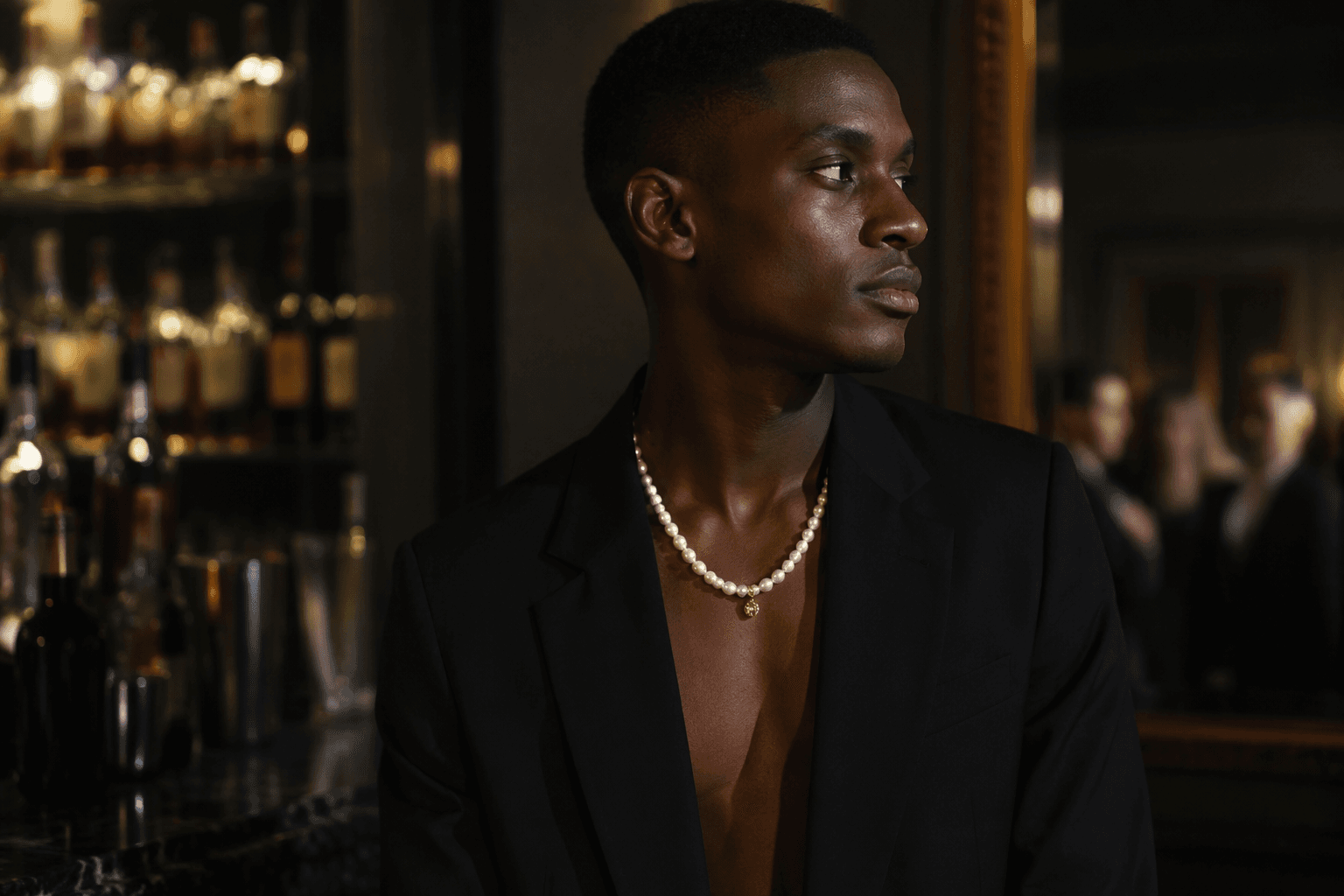
Gellner’s Tahitian-pearl work, like the best of the category right now, reads as gender-fluid and contemporary rather than formal or nostalgic. That is a significant shift. White pearls still belong to a classic dress code, but Tahitian pearls speak fluently to the broader luxury wardrobe of 2026: tailored jackets, clean knits, layered chains, and jewelry that looks equally convincing on any hand or neckline. Their darkness gives them authority; their luster keeps them from feeling severe.
What separates a future heirloom from a trend piece
The most convincing Tahitian pearl jewelry shares a clear set of signals. The pearl is treated as the center of gravity. The setting is chosen to sharpen its presence, not dilute it. The design has enough restraint to let the pearl’s natural color and surface do the talking.
That is why these pieces feel stronger than trend-driven pearl jewelry built around nostalgia alone. Tiffany’s rose-gold Titan designs, Welander’s pearl-and-diamond geometry, and Gellner’s sustainable, sculptural language all understand the same thing: Tahitian pearls are not interesting because they are black, but because they are not simply black. They are rare, variable, and visually alive, which is exactly why they now look like the future of fine jewelry rather than a polished echo of its past.
This article was produced by Prism’s automated news system from verified source data, official records, and press releases, then run through automated quality and moderation checks before publishing. The system is built and supervised by the people who set the standards it runs under. Read our full AI policy.
Did this article answer your question?