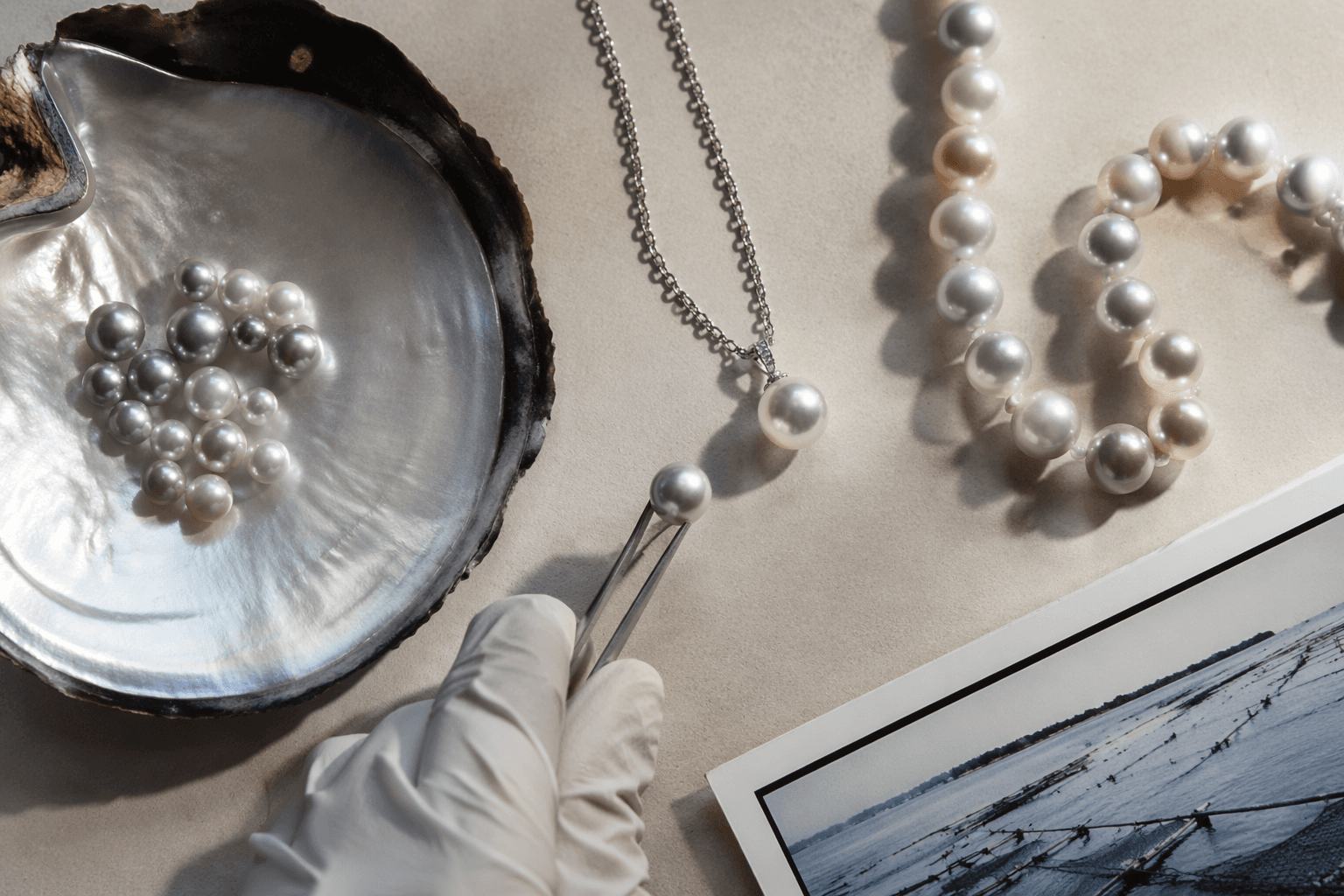
U.S. and European demand lifts Japanese pearl exports as China softens
White Japanese pearls are drawing steadier U.S. and European buying, even as China cools, tightening supply around the most coveted Akoya and South Sea strands.
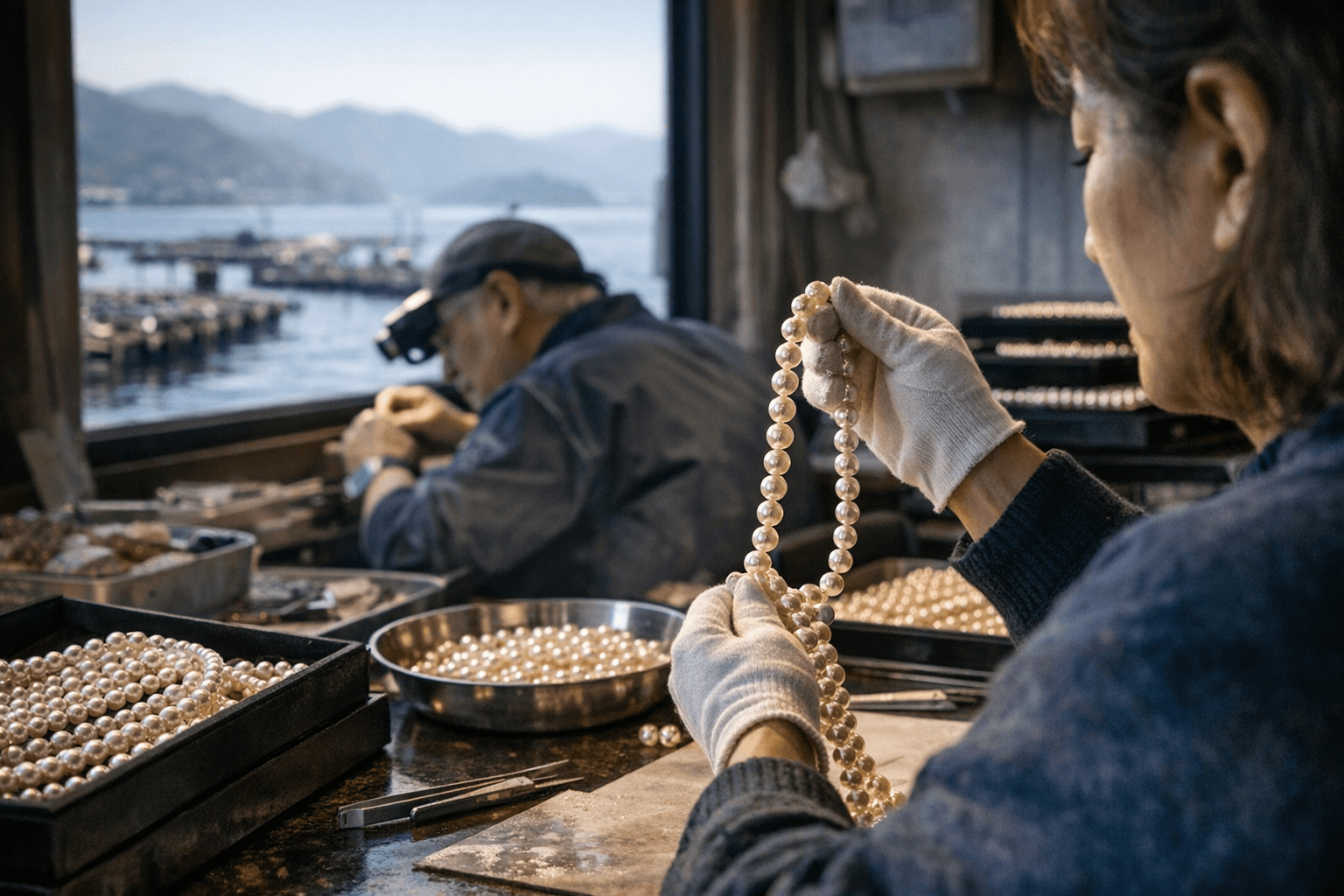
George Kakuda’s read on the pearl trade was blunt: the market was no longer leaning on China alone. U.S. and European buyers were stepping in, and that shift was helping Japan’s white Akoya and South Sea pearls hold their ground even as Chinese demand softened.
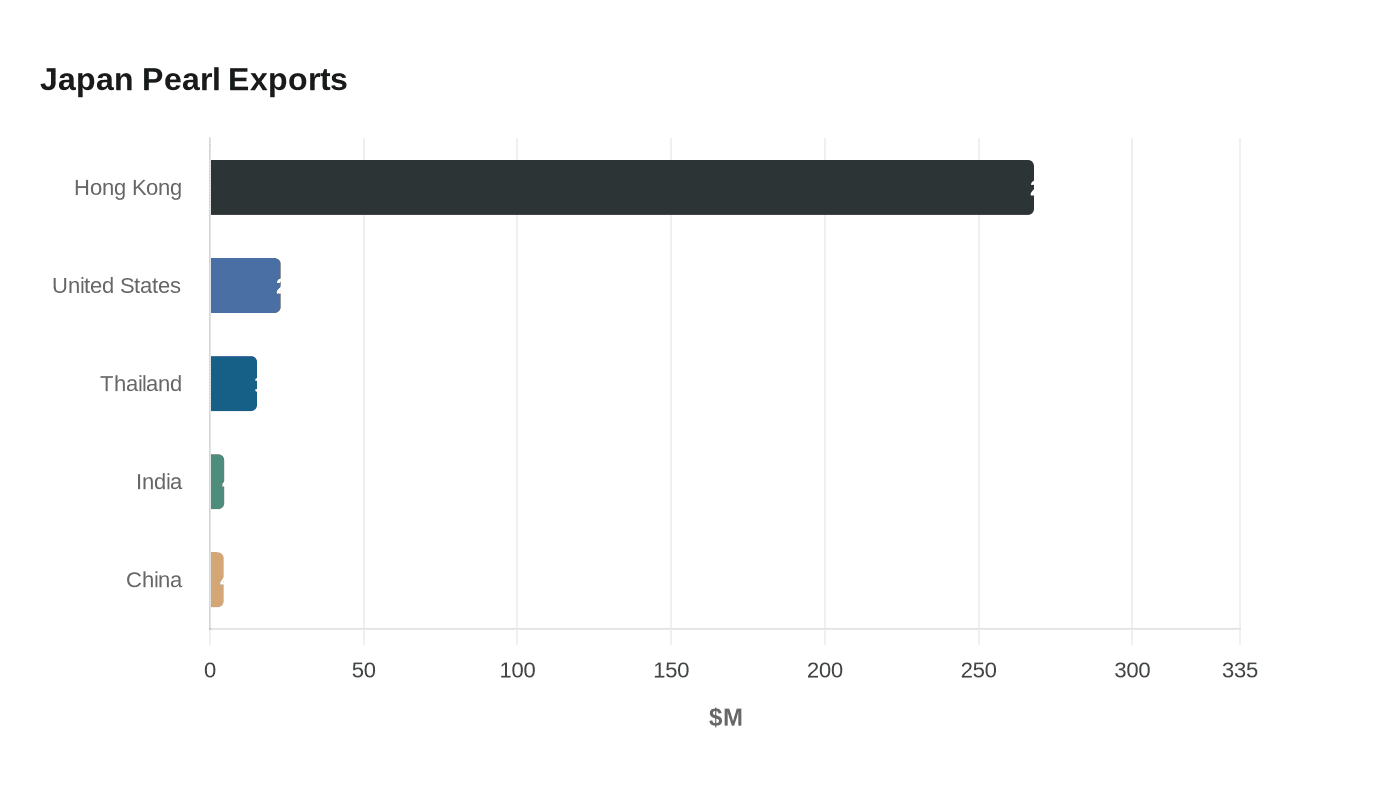
The numbers show how uneven the trade still is, and why the new buyer mix matters. Japan exported about $332 million of pearls in 2024, with Hong Kong still the dominant destination at $268 million. The United States was a distant second at $23 million, followed by Thailand at $15.3 million, India at $4.62 million and China at $4.42 million. Yet American buying was moving in the right direction: U.S. pearl imports from Japan rose by about $1.48 million from 2023 to 2024, a modest gain that points to firmer interest at the counter and in the showroom.
For buyers, the more important signal is that prices had been stabilizing. That steadier pricing was encouraging U.S. and European customers to return, and it was not only the highest-grade goods that were moving. Mid-range pearls and commercial pieces were selling too, which suggests a broader recovery rather than a narrow rush for trophy strands. In a category where waiting for a steep markdown can mean losing access to the right size, luster or color, stability is its own kind of pressure.
Supply is not loosening to match the demand. Kakuda told CIBJO in 2025 that Japanese cultured pearl production had been reduced by rising ocean temperatures, a reminder that environmental strain is now part of the pricing story. When fewer shells produce fewer pearls, and more countries compete for the best white lots, the market has less room to soften.
That is why labeling has become such a sensitive issue. The Japan Pearl Exporters’ Association warned in February 2025 about Chinese nucleated freshwater pearls being sold under names such as “Chinese Akoya,” “Baby Akoya” and “Freshwater Akoya.” As demand diversifies, education becomes more valuable: the difference between a Japanese Akoya pearl and a similar-looking freshwater pearl can be significant in origin, quality and long-term value.
Japan has also been pressing its case overseas. The association brought key opinion leaders to Uwajima and Kobe in June 2025 for a Japan Pearl tour, and a related video project won a Cool Japan Platform Award in March 2026. That kind of promotion is not just branding; it is a defense of provenance at a moment when provenance increasingly determines price. For collectors and first-time buyers alike, the practical takeaway is straightforward: the best white Japanese pearls are benefiting from both tighter supply and wider demand, which usually argues for buying with confidence rather than waiting for a bargain that may never arrive.
This article was produced by Prism’s automated news system from verified source data, official records, and press releases, then run through automated quality and moderation checks before publishing. The system is built and supervised by the people who set the standards it runs under. Read our full AI policy.
Did this article answer your question?