Ten Days Inside Japan’s Protected Akoya Pearl World Reveals Industry Secrets
A warm July message led Esther Ligthart to spend ten days embedded with the Japan Pearl Exporters Association, from the misty bays of Tsushima and Sasebo to Kobe’s high-stakes sorting floors.
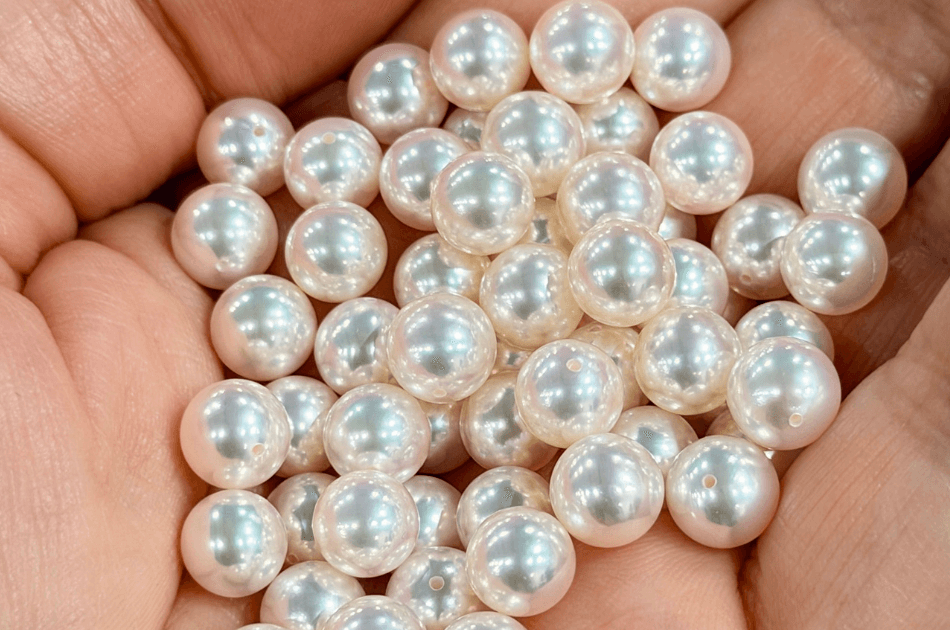
It was a warm July evening when a message appeared on my phone, the kind of message that feels casual when you first read it, yet lingers longer than expected once the screen goes dark." That message, "I would like to connect you with the president of the Pearl Association of America", set Esther Ligthart on a ten-day immersion into Japan’s Akoya world, a field report published February 24, 2026.
Ligthart spent ten days embedded with the Japan Pearl Exporters Association (JPEA), traveling from remote island bays to the high-stakes sorting rooms of Kobe. "What does it actually take to create a single Akoya pearl? I spent ten days behind the scenes with the Japan Pearl Exporters Association (JPEA), traveling from remote island bays to the high-stakes sorting rooms of Kobe," she wrote, and she frames the trip as more than commerce: "It wasn't just a business trip; it was a lesson in harmony, history, and the 400-year thread connecting the Netherlands to Japan."
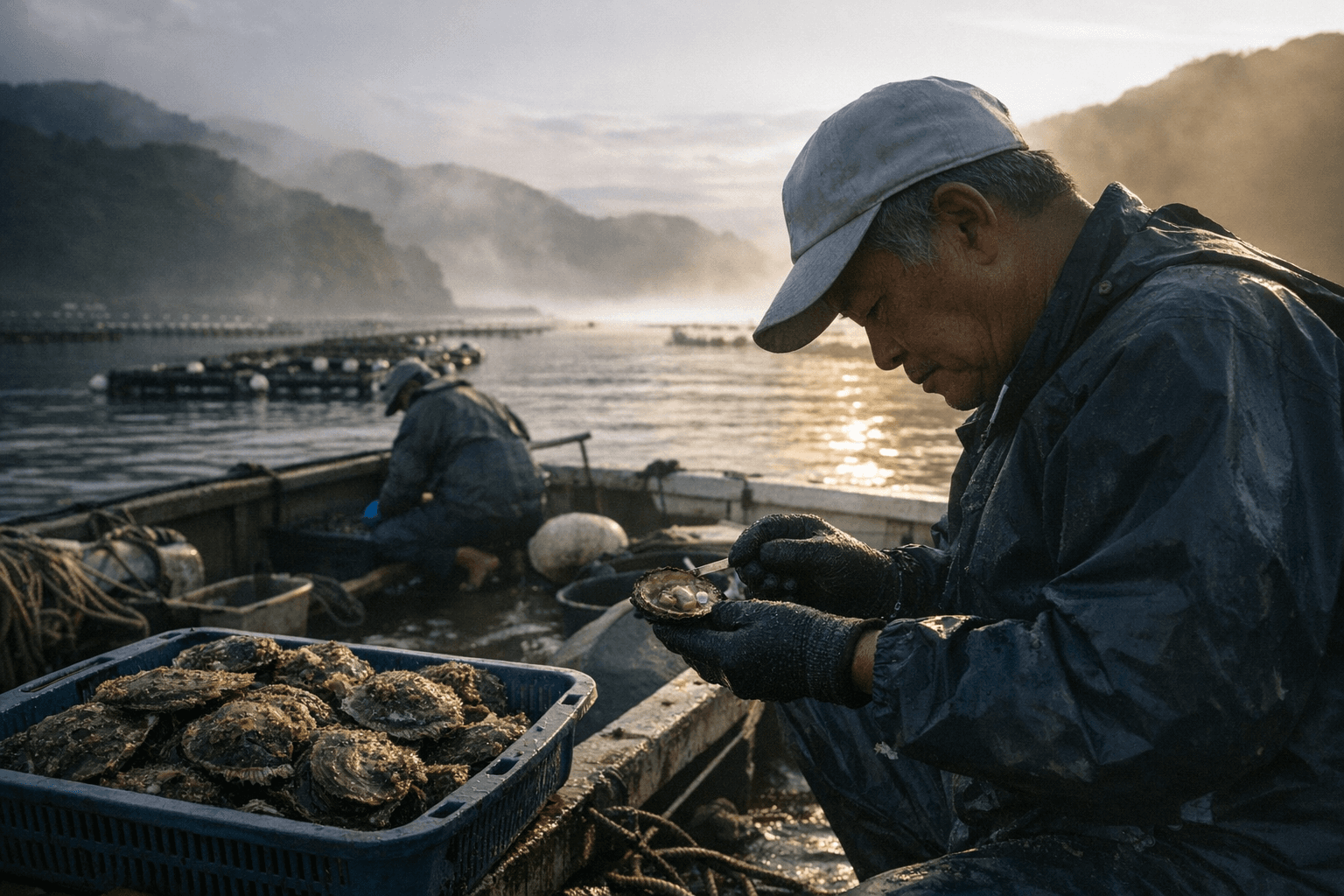
The feature centers on a provocation Ligthart repeats in social excerpts: "Pearl-farming is not manufacturing. It is closer to agriculture. Nature decides. Humans adapt." That formulation anchors observations about animal welfare and environmental stewardship made on site. Ligthart names care for the sea, attention to the oyster, and acceptance of risk as operating principles, and she warns that "Typhoons, rising temperatures, and time itself all have veto power."
Her scenes are specific. In the oyster bays of Tsushima and Sasebo she describes the "quiet patience of the farmers," methods that accept mortality and seasonal risk rather than force uniform output. In Kobe she documents "high-stakes sorting floors" where the nuances of luster, nacre thickness, and matching drive decisions that turn a harvested bead into a market-ready strand. Those contrasts are repeated throughout the piece: "From the quiet patience of the farmers to the high-stakes sorting floors of the Japan Pearl Exporters Association (JPEA) in Kobe, here is what it truly takes to bring a pearl from the sea to the light."
Ligthart structures her findings as "10 Insights: The Reality of Japanese Akoya Pearls" and offers a "Short-List" before the detailed lessons. Excerpts of the feature have been republished on a site using the page metadata jshepherd and the tag Pearl Paradise, and the republication displayed an image asset named "lustrous akoya pearls.png." On LinkedIn the author used hashtags #Japan, #pearls, #Akoyapearls, and #Pearlfarming while restating that the trip "changed my perspective" and that the report was written "as a field report rather than a trend piece." Readers and commenters on the republication echoed the language of harmony and stewardship.
The practical takeaway is concrete: value in Akoya pearls is bound to provenance, patient husbandry, and documented handling from bay to sorting floor. That repositioning, seeing Akoya as the outcome of maritime agriculture shaped by weather, temperature, and time, reframes both price and ethics; it makes provenance and the JPEA’s protected practices central to any assessment of worth.
This article was produced by Prism’s automated news system from verified source data, official records, and press releases, then run through automated quality and moderation checks before publishing. The system is built and supervised by the people who set the standards it runs under. Read our full AI policy.
Did this article answer your question?