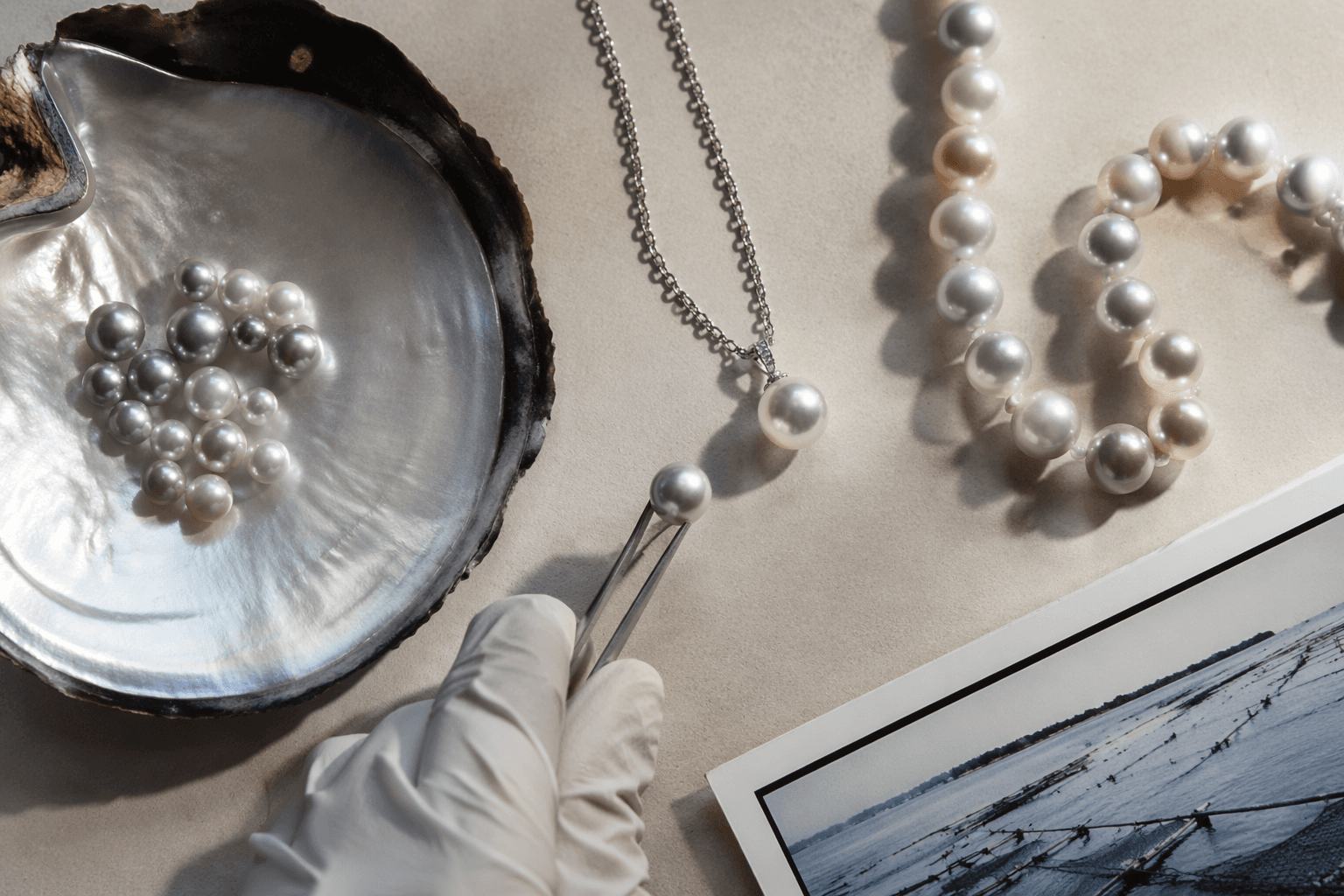
The South Sea Pearl Exposes Myths About Tahitian Pearl Color, Authenticity, Price
The South Sea Pearl's Feb. 23, 2026 blog post flatly rejects the idea that Tahitian pearls are all black, listing grey, green, blue, purple and brown overtones and stressing authentic cultivation in French Polynesia.

The South Sea Pearl published a post on Feb. 23, 2026 titled "Unveiling the Myths of Tahitian Pearls" to tackle common misconceptions and to offer selection guidance for buyers. The blog opens by reframing Tahitian pearls as more than the so-called "black pearls," stating, “Tahitian pearls, often called 'black pearls,' are unique gems cultivated in French Polynesia, known for their diverse colors beyond just black.”
The piece singles out one persistent error under the heading "Myth 1: All Tahitian Pearls are Black." The post notes, “One of the biggest misconceptions is that all Tahitian pearls are black,” and then specifies color variety: grey, green, blue, and even shades of purple and brown, along with darker tones. The entry explains the role of the overtone in color perception, writing, “The overtone, or subtle hue that can be seen over the primary color, adds to their uniqueness.” The blog cautions that believing every Tahitian pearl is black “can limit the appreciation of the variety and beauty of Tahitian pearls.”
Under "Myth 2: Tahitian Pearls are Fake Pearls," the blog directly addresses authenticity concerns. It states, “Unfortunately, some individuals believe that Tahitian pearls do not exist and are merely a marketing gimmick or a synonym for fake pearls. This is far from the truth.” The post reiterates that “Authentic Tahitian pearls are genuine, natural gems created by living mollusks,” and places cultivation on a clear timeline: “Their cultivation is a process that requires both skill and patience, taking anywhere from 18 months to 2 years for a pearl to develop within an oyster.” The blog adds a purchasing caveat: “Recognizing the authenticity of Tahitian pearls is essential when purchasing, as there are imitations in the market that can mislead unwary buyers.”
A third heading in the post, "Myth 3: Tahitian Pearls are Overly Expensive," appears without substantive text in the excerpt provided; no pricing data or counterarguments are supplied in the available passage. The blog does, however, present practical selection topics elsewhere, noting guidance on colour ranges, nacre and overtones, and baroque forms versus rounds for jewellery selection.

Structurally the post includes an Overview, a Table of Contents, and a "Frequently Asked Questions" section with items labeled “1. What are Tahitian pearls?,” “2. Are all Tahitian pearls black?,” and “3. Are Tahitian pearls fake pearls?” The blog also underscores cultivation origin and care in plain terms: “These pearls undergo a meticulous cultivation process and should be cared for properly to maintain their beauty.”
For collectors and first-time buyers alike, the Feb. 23, 2026 post from The South Sea Pearl centers two verifiable touchstones: origin in French Polynesia and a cultivation timeframe of 18 months to 2 years. Those facts, alongside the explicit color taxonomy and the warning about imitations, reframes Tahitian pearls as a spectrum of natural beauty rather than a single monochrome luxury.
This article was produced by Prism’s automated news system from verified source data, official records, and press releases, then run through automated quality and moderation checks before publishing. The system is built and supervised by the people who set the standards it runs under. Read our full AI policy.
Did this article answer your question?