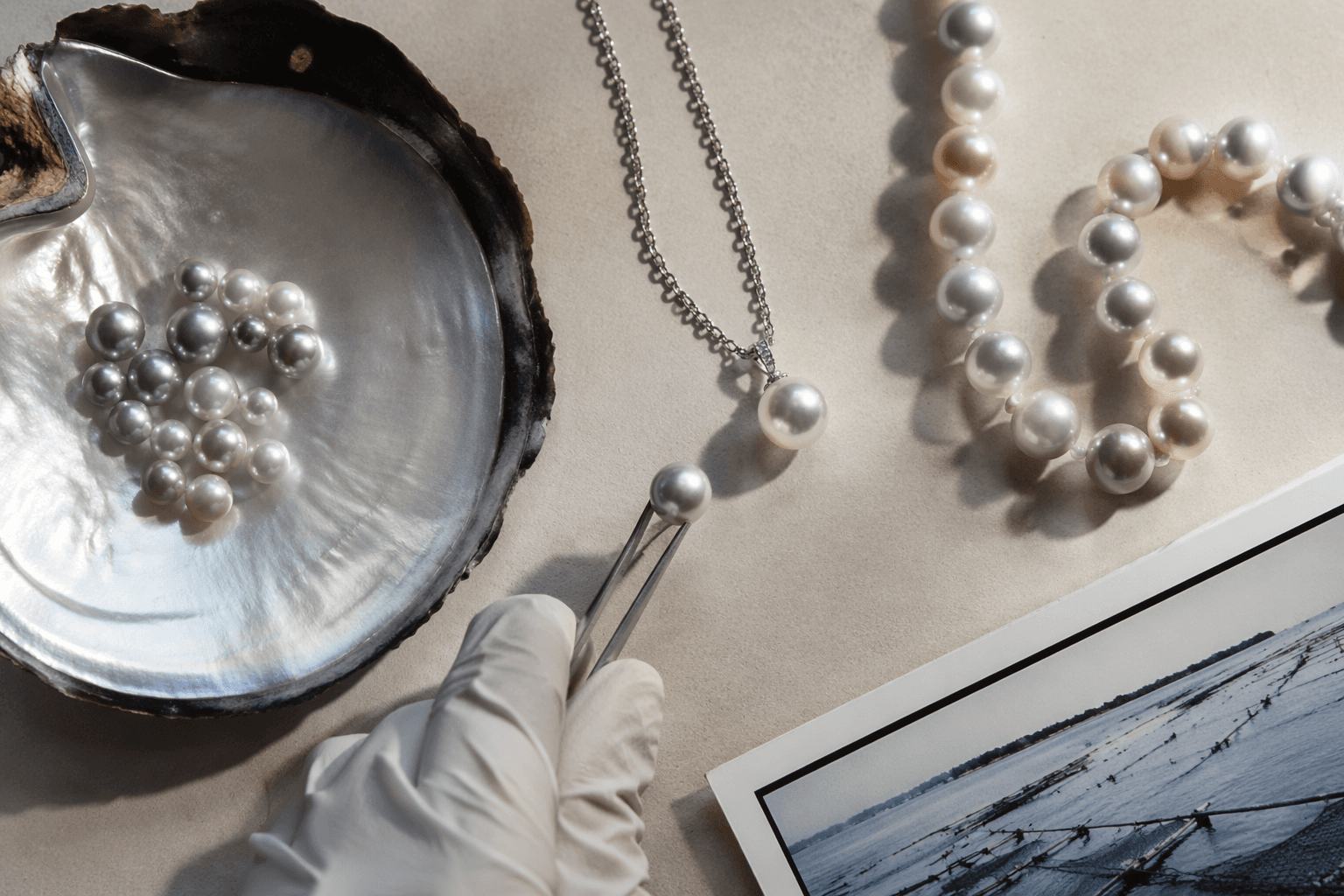
Your Guide to Buying Tahitian Pearls in French Polynesia
Buying Tahitian pearls directly from Gambier or Tuamotu atoll farms can cost 30-50% less than boutique retail — if you know what to look for in 10 minutes.
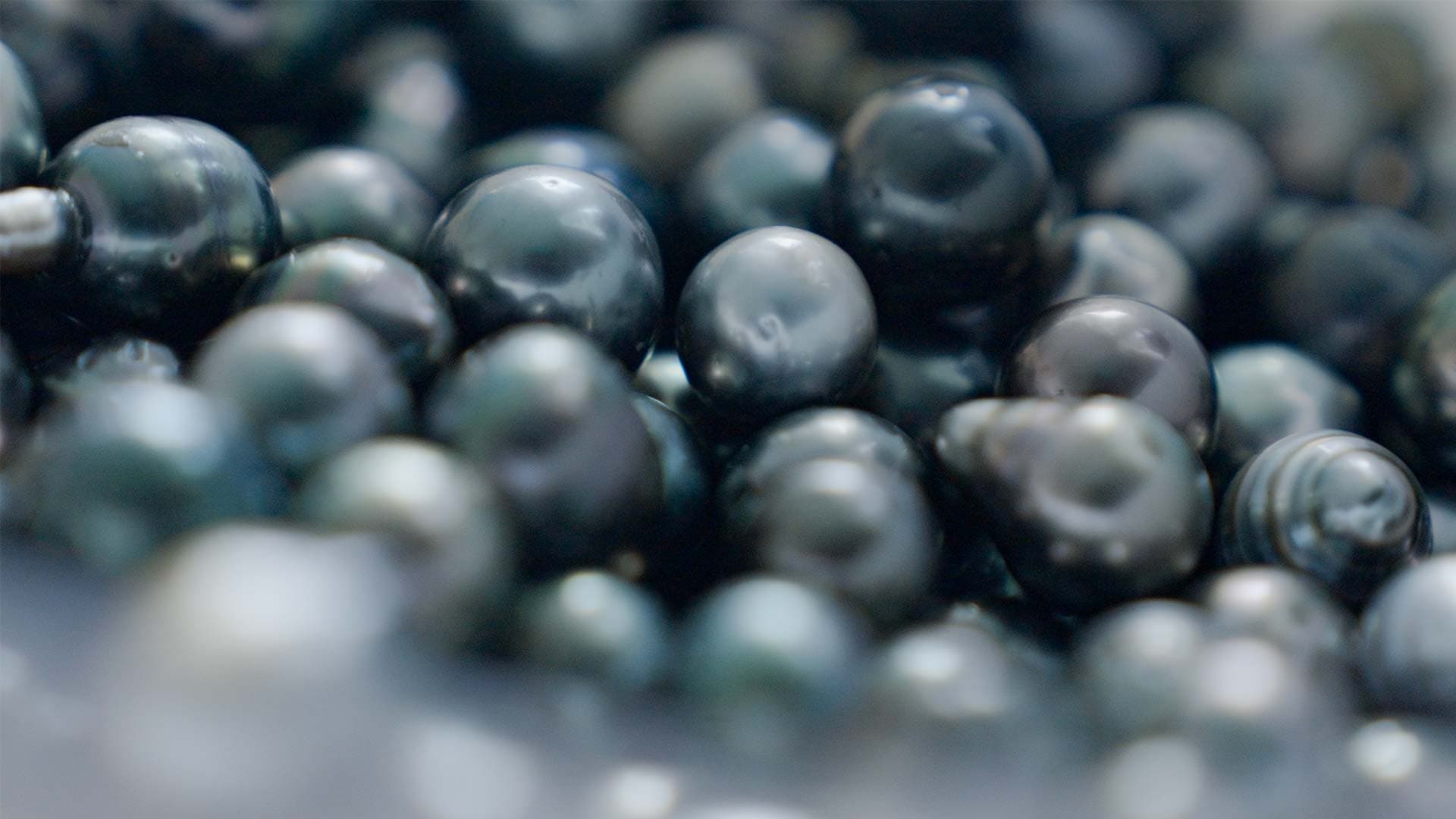
Few purchases made on vacation carry as much promise and peril as a Tahitian pearl. The gem is genuinely extraordinary: produced by the black-lipped Pinctada margaritifera oyster in the atolls of French Polynesia, it grows a nacre so thick and so alive with color that it can look like it was carved from a tropical lagoon at sunset. It also attracts a robust ecosystem of tourist-trap vendors who will happily sell you a dyed freshwater pearl at Tahitian prices. The difference between the two outcomes comes down almost entirely to preparation, and ten focused minutes of inspection before you hand over your card.
Where Tahitian Pearls Actually Come From
The name is misleading. The island of Tahiti itself has no pearl farms; it has pearl stores. The overwhelming majority of authentic Tahitian pearls are produced in two remote archipelagos: the Tuamotu atolls and the Gambier Islands, both several hundred miles from Papeete. Within the Tuamotu chain, atolls including Rangiroa, Manihi, Ahe, Apataki, Arutua, and Takaroa supply the bulk of commercial production. Manihi holds particular historical significance as the original site of modern grafting techniques in the 1960s, where local families and Japanese technicians together built the export industry that gave the Tahitian pearl its global reputation.
The Gambier Islands occupy a different tier. Their volcanic substrate and tightly controlled lagoon conditions produce pearls that pearl farmers and gemologists consistently describe as among the most lustrous in French Polynesia. Gambier pearls are rarer, command higher prices, and are worth asking about by name when you're standing in a shop. Any reputable seller should be able to tell you which atoll or archipelago a given pearl came from; if they cannot, that absence of information is itself useful data.
The Color Question: Forget "Black"
The marketing shorthand "Tahitian black pearl" has created a widespread misconception that a darker pearl is automatically a better pearl. It is not. The body color of a genuine Tahitian pearl ranges from pale dove grey and silver through medium charcoals to very dark near-black, and the most prized attribute is not the body color at all: it is the overtone. Overtones are the iridescent secondary colors that shimmer across the surface when light hits the nacre at different angles. Peacock (a green-to-violet mix), deep green, blue-green, rose, aubergine, silver, and gold are all naturally occurring overtones, and the more saturated and vivid that shimmer is, the more valuable the pearl.
This matters practically because a seller who pushes the "blackest" pearl in the case may be steering you away from a more beautiful specimen in silver or grey with a spectacularly rich peacock overtone. Train your eye before you shop: roll the pearl slowly under a light source and watch how many colors move across its surface. That depth of color is nacre doing its job.
A 10-Minute Quality Inspection
French Polynesia's official grading system judges pearls on five criteria: sheen, smoothness, color, size, and form, with classifications ranging from Perfect (also called TOP GEM) down through A, B, C, and D. Retailers also use a commercial scale of A through AAAA. Here is what to examine before you commit:
- Luster first. Hold the pearl near a light source and look for your reflection in its surface. Top-grade Tahitian pearls have a satin-to-mirror-like reflectivity; you should see a sharp, crisp image. Hazy or dim reflections indicate thin or low-quality nacre.
- Nacre thickness. AAAA-grade pearls carry a minimum nacre depth of 0.8mm. Ask the seller directly; they should know. Thin nacre compromises durability and gives the pearl a plasticky, flat appearance over time.
- Surface quality. Under good light, examine the full circumference for pits, ridges, or bumps. A-grade allows minor blemishes over no more than roughly a third of the surface; Perfect-grade shows none. Minor surface characteristics on an otherwise lustrous pearl are acceptable; heavy pitting concentrated at the drill hole on a strung pearl is a warning sign.
- Shape. Perfectly round pearls are the rarest and command the highest prices. Near-round, drop, button, and baroque shapes each have their own market. Baroque pearls, irregular and sculptural, can be extraordinary for statement jewelry and are often significantly less expensive than rounds of equivalent luster.
- The tooth test. Gently drag the pearl across the edge of your front teeth. A genuine Tahitian pearl will feel faintly gritty or sandy due to its crystalline nacre layers. Glass or plastic imitations feel smooth.
Where to Shop: Farm, Boutique, or Market
The purchase context changes the price and the conversation you can have about provenance.
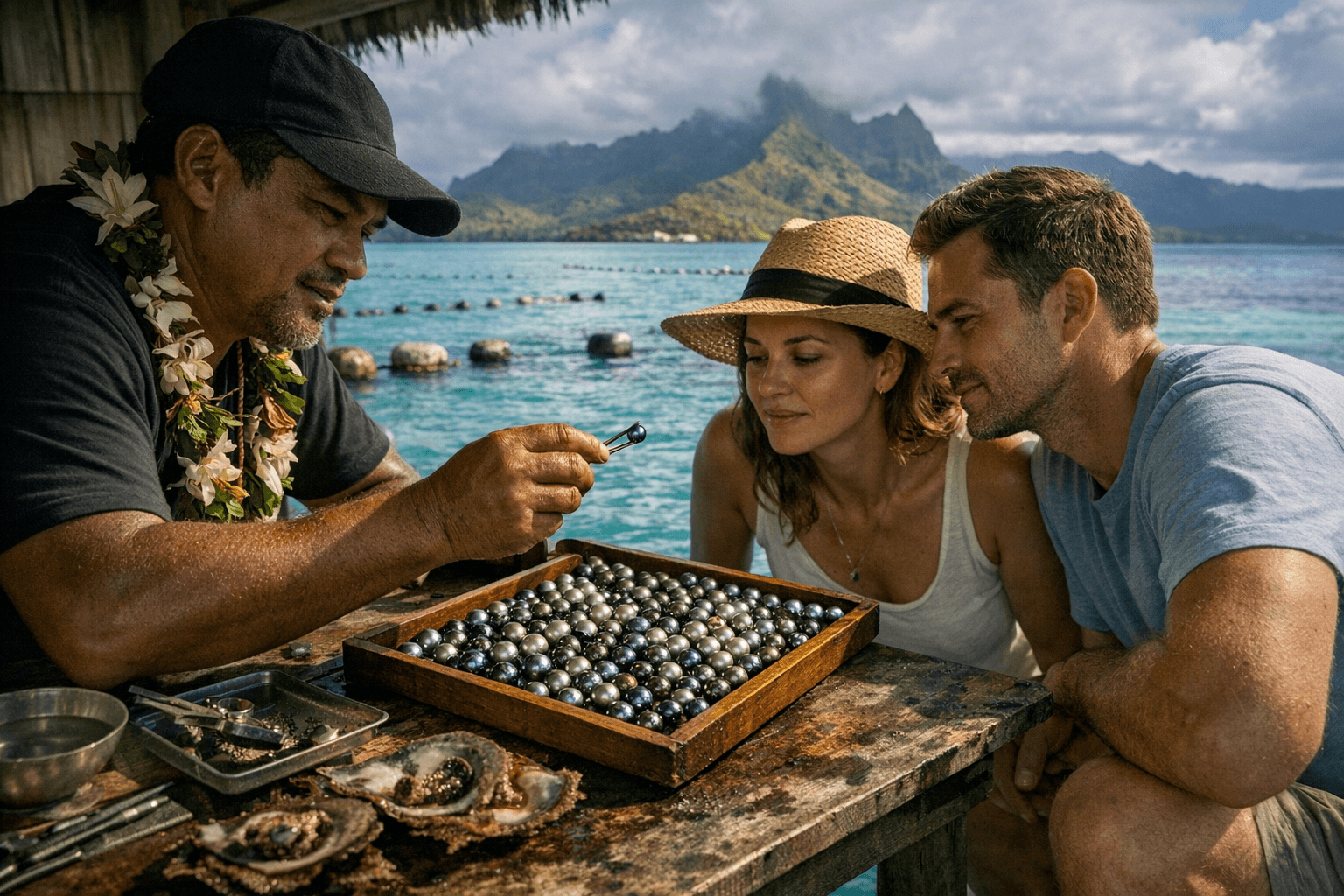
*Farm visits* offer the most direct connection to the source and the best prices. Working farms on Rangiroa (Gauguin's Pearl, on the motu Tiputa), Huahine (Huahine Pearl Farm), and Taha'a operate guided tours that include grafting demonstrations and on-site sales. Buying directly from a farm can run 30 to 50 percent below boutique retail prices, and the provenance conversation is as straightforward as it gets: the farmer can tell you exactly which concession produced the pearl you are holding. Tours typically cost between $23 and $46.
*High-end boutiques* in Papeete, Moorea, and Bora Bora offer curated selections and more consistent quality control, but prices are higher and negotiation is expected. The Robert Wan Pearl Museum in Papeete, free to enter, is an excellent first stop: it covers the history and science of pearl cultivation and calibrates your eye before you spend anything. Recommended boutiques include Manapearl Tahiti in Papeete, Pearl Romance in Moorea, and Arc-En-Ciel in Bora Bora. The Vaima Center in central Papeete also hosts several specialist pearl retailers worth comparing.
*Village markets and pier-side vendors* are appropriate for casual purchases at the lower end of the price spectrum. The upper floor of Papeete's Marché de Papeete sells loose pearls and pearl jewelry alongside pareos and woodcarvings. The pearls here vary widely in quality; use your inspection checklist and do not expect farm-quality documentation.
Red Flags and Tourist Traps
The most common deception targeting visitors is dyed Chinese freshwater pearls sold as Tahitians. Dyed pearls often show unnaturally uniform black coloration with no visible overtone, and a close look at the surface may reveal tiny dark specks where dye has pooled. Genuine Tahitian pearls have a fluid, living play of color; a pearl that looks uniformly black under multiple light sources deserves skepticism. Price is also a signal: a large, fine, round Tahitian pearl costs upward of $1,000 as a single gem, and a necklace of matched, high-quality Tahitians requires 30 to 50 pearls. If a strung necklace of apparently round, lustrous pearls is being offered for a few hundred dollars, the math does not work.
Always ask whether the pearl has been treated or dyed. French Polynesian law requires sellers to disclose treatments, and a reputable vendor will answer without hesitation. If the question is deflected, walk away.
The Provenance Questions Worth Asking
Responsible sourcing in pearl farming is relatively straightforward compared to mined gemstones: the oyster remains in the lagoon, the pearl is harvested, and the oyster is often returned to the water for re-nucleation. Still, the quality of farming practices varies, and asking specific questions connects your purchase to the people and places behind it:
- Which atoll or island did this pearl come from?
- Is this farm a family concession or a larger commercial operation?
- Has this pearl been treated in any way after harvest?
- Can I have a Certificate of Classification and Authenticity?
French Polynesian legislation requires that authenticated pearls be sold with a Certificate of Classification and Authenticity. That document should state "Tahitian Cultured Pearl" and include the pearl's grade. No certificate is a deal-breaker; with one, you have legal recourse if the pearl is later found to be misrepresented.
Loose Pearls and Bespoke Settings
If you have a specific setting in mind, or if you want to work with a jeweler at home after your trip, ask to purchase loose pearls rather than mounted jewelry. Boutiques and farms alike can sell unmounted, and you will have more freedom to inspect the full surface of the pearl before committing. Many Papeete jewelers will also set pearls on-site, which the local trade recommends for saving time and ensuring the setting is done by hands familiar with the material.
A Tahitian pearl bought with your eyes open and the right questions asked is one of the most genuinely site-specific souvenirs in the world: grown over years in a specific lagoon, shaped by a particular atoll's current and chemistry, brought to you by a family who has likely worked the same concession for generations. That story is worth protecting with ten minutes of due diligence.
This article was produced by Prism’s automated news system from verified source data, official records, and press releases, then run through automated quality and moderation checks before publishing. The system is built and supervised by the people who set the standards it runs under. Read our full AI policy.
Did this article answer your question?