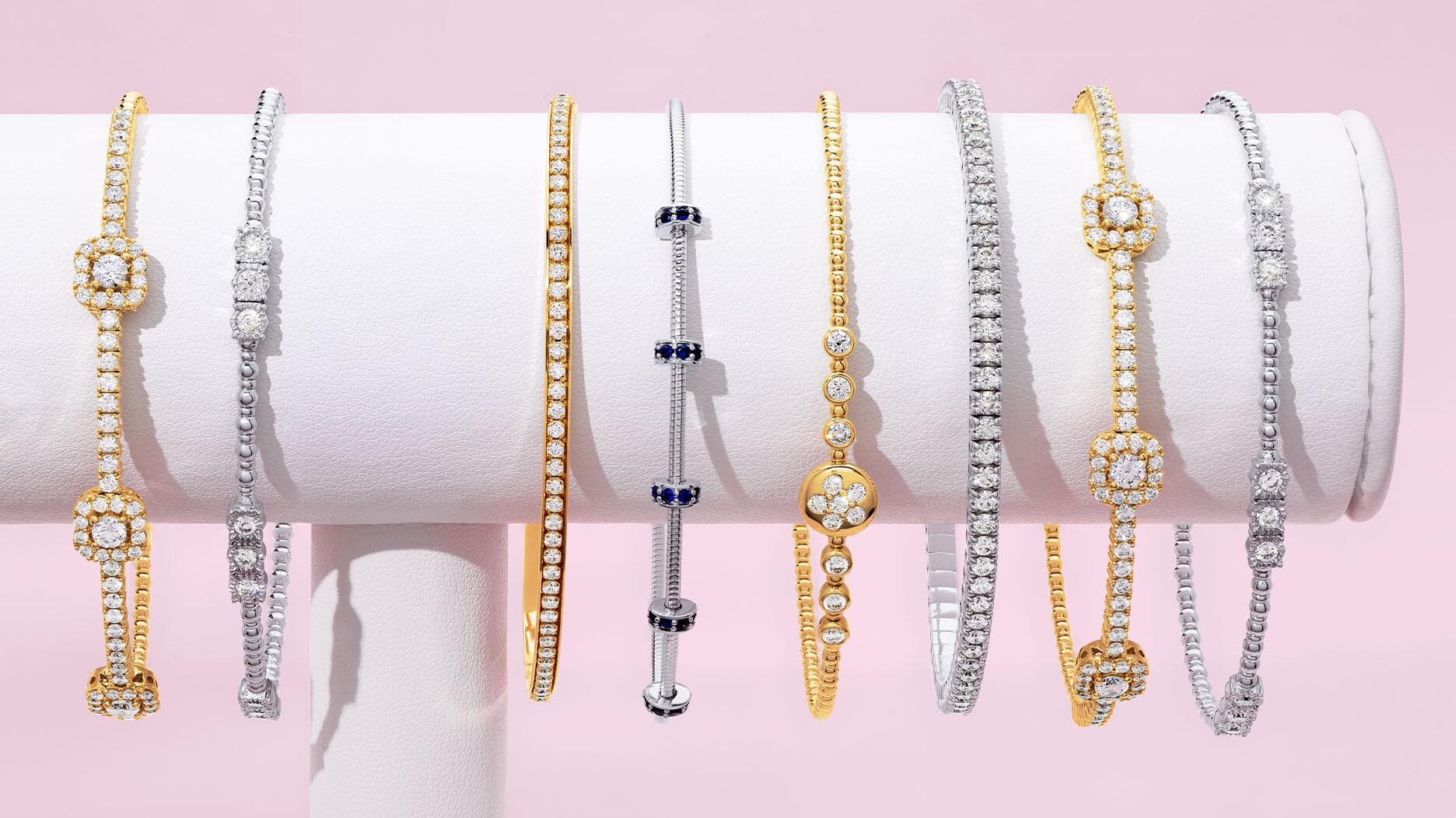
Charm bars turn personalized jewelry into a social media draw
Charm bars make jewelry feel like a memory in the making, with TikTok-fueled builds and keep-forever charms pulling shoppers toward more personal purchases.
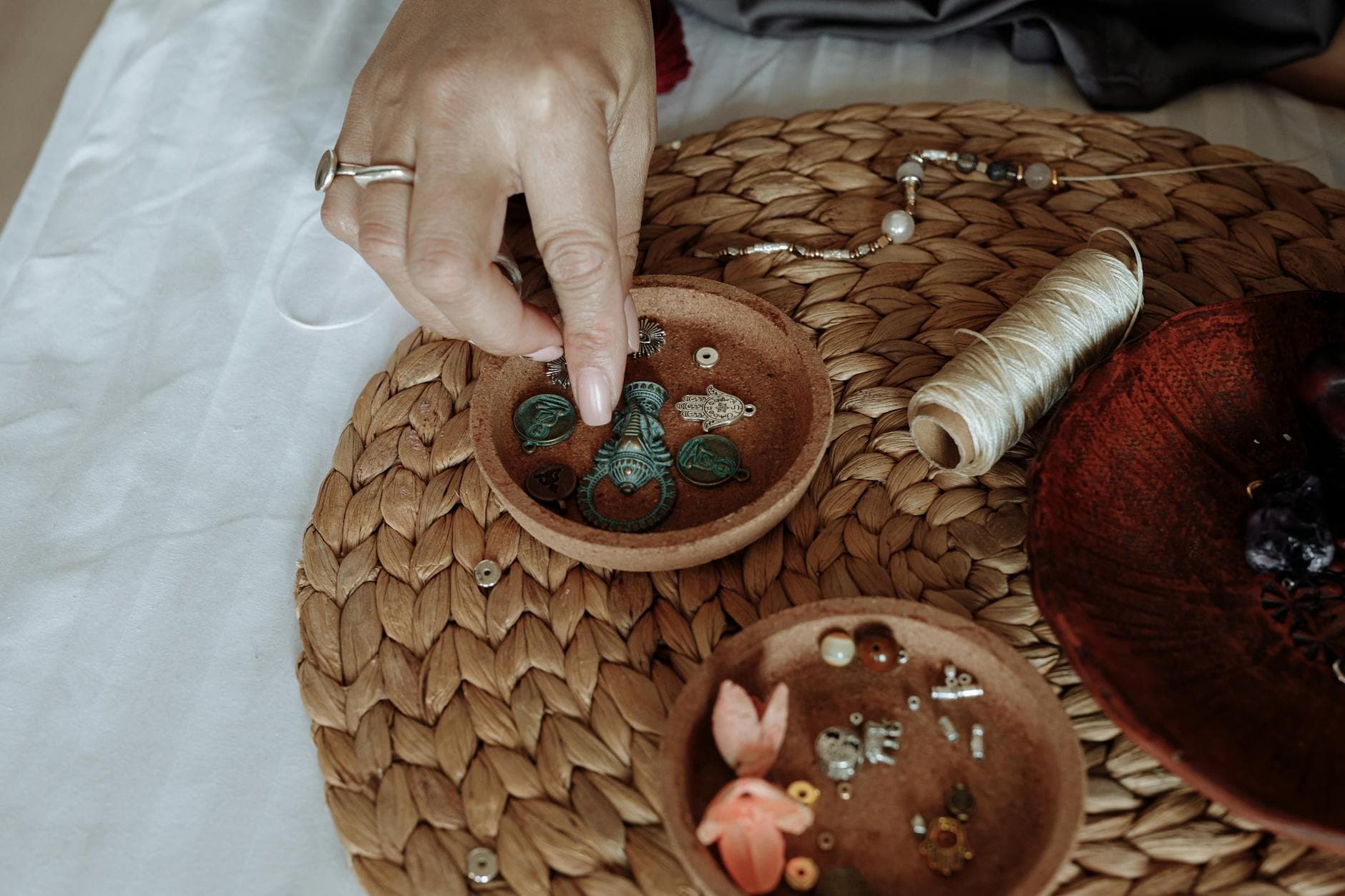
The charm bar works because it slows jewelry shopping down. Instead of grabbing a finished necklace or bracelet, customers sort through symbols, initials, stones, and tiny keepsakes, then leave with something that feels specific to a birthday, a trip, a relationship, or a private joke. That moment of choosing is the product: a build-your-own experience that turns a purchase into a memory-driven keepsake and makes the result far easier to gift, post, and wear again.
Why the charm bar feels personal
Personalized jewelry has always traded on meaning, but charm bars make that meaning visible in real time. A customer can mix and match pieces until the chain, the color palette, and the charms line up with a person, a milestone, or an aesthetic mood, which is why the format reads as more intimate than an off-the-shelf accessory. The final piece is not just personalized in theory, it is assembled under the buyer’s eye, with each choice adding another layer of story.
That immediacy matters on social platforms, where the process is part of the appeal. People do not only want to show the finished necklace or bracelet, they want to show the decision-making itself: the search for a birthstone, the pull of a symbol, the way one charm pairs with another. In a market crowded with mass-produced jewelry, the charm bar gives shoppers a way to make a piece feel like a small archive of their life rather than a generic accessory.
How Brooklyn Charm helped define the format
Brooklyn Charm is often treated as the pioneer of the charm-bar model, and its path explains why the format has staying power. The company opened its storefront in Williamsburg, Brooklyn, in 2010, then closed those Williamsburg doors at the end of 2020 before later reopening in Greenpoint, Brooklyn, and adding a storefront in Ventura, California. It also operates at Chelsea Market in New York City, a footprint that shows how the concept has moved from niche neighborhood shop to a repeatable retail format.
The scale of its inventory is part of the draw. Brooklyn Charm says it offers hundreds of chains and thousands of charms, which gives shoppers enough range to build pieces that do not feel templated. By October 2023, WWD reported that the brand’s TikTok videos had drawn more than 4.1 million views, evidence that the retail theater of the charm bar translates cleanly to short-form video. Founder and CEO Tracie Campbell describes charms as talismans and memory objects, a framing that captures why the category lands so strongly with buyers looking for something emotionally sticky.
Social media turned the build into the story
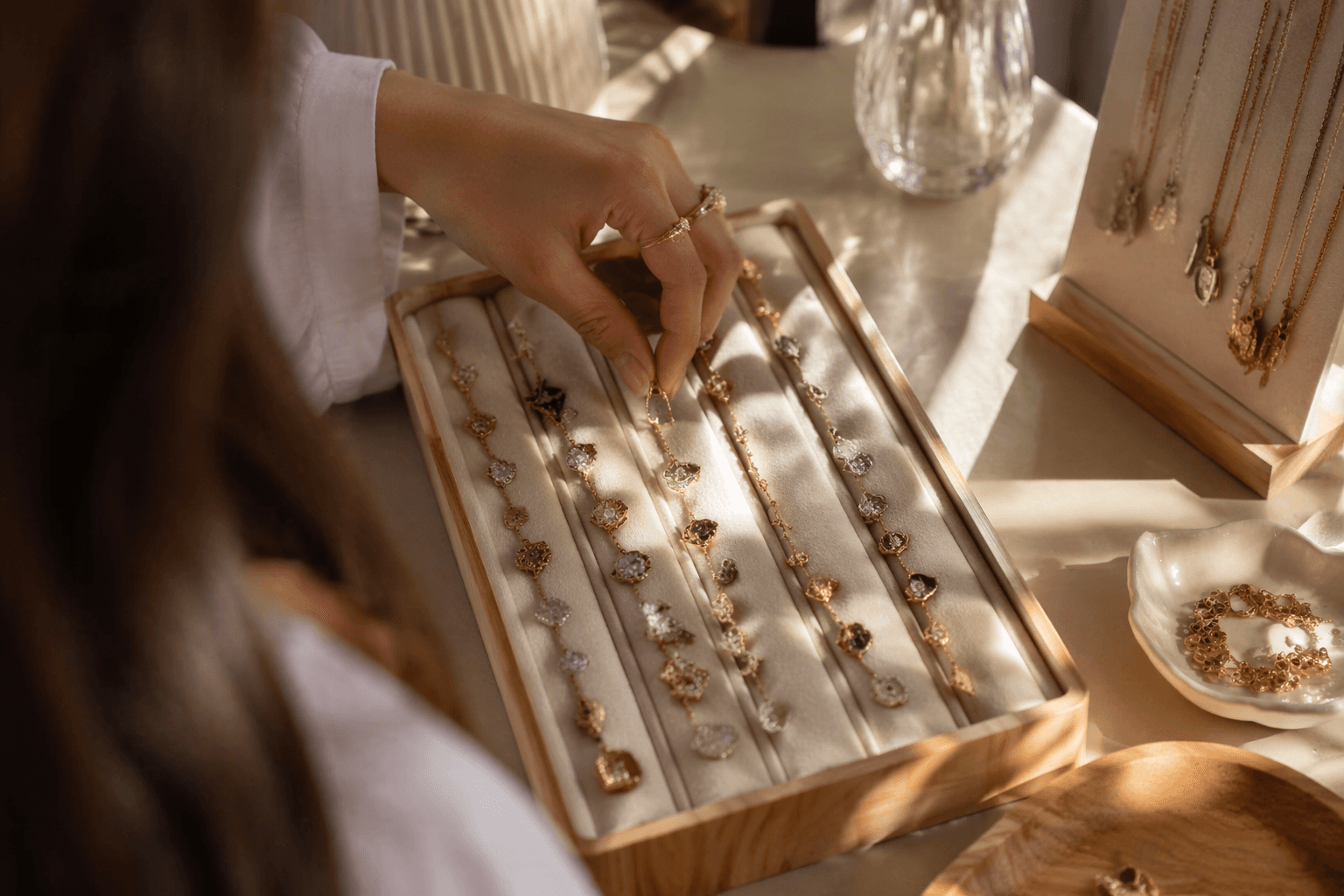
Charm bars thrive because social media rewards visible transformation. A tray of loose charms is inherently watchable, and the finished piece is satisfying to film because the before-and-after is so clear. Younger shoppers, especially, have embraced the format because it gives them a way to participate in design without needing formal jewelry knowledge, and the result feels more collaborative than prescriptive.
Good Stock Charm Bar in Kennebunk, Maine, shows how quickly that energy can move from online attention to store traffic. The shop held its grand opening on June 15, 2024, then went viral on TikTok within weeks. Its owner said the store sold out its first weekend and then ran out of charms and chains, a useful reminder that charm bars are not just a content-friendly idea, they are a demand generator when the inventory is wide enough and the story is compelling enough to travel.
The retail case for pop-ups and permanent shops
The format is also attractive to retailers because it can scale in different ways. Craft Industry Alliance describes charm bars as interactive, personalized jewelry retail and notes that pop-ups can be launched for as little as $2,000 to $50,000. That makes the model unusually flexible: it can live as a temporary market stall, a short-run activation, or a permanent storefront with enough stock depth to keep repeat customers coming back.
The appeal is not limited to low-cost experimentation. Permanent shops like Brooklyn Charm benefit from the same theater that powers a pop-up, but they can also support the bigger inventory required for serious build-your-own shopping. When a store can offer hundreds of chains and thousands of charms, the customer experience stops feeling like a novelty and starts functioning like a design service. That is the difference between a passing display and a destination.
What shoppers are actually buying now
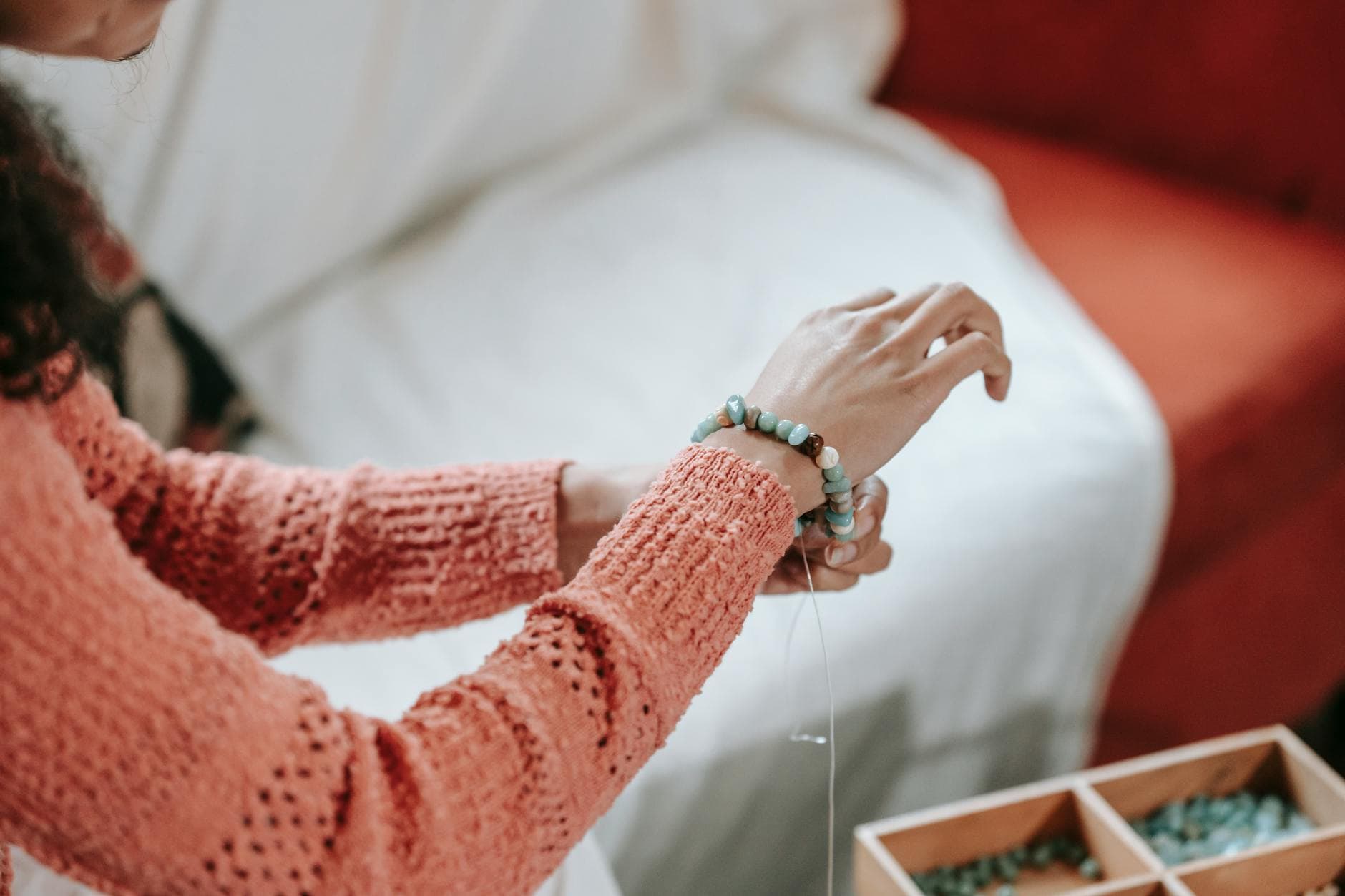
The surge in travel charm bracelets makes the category’s emotional logic even clearer. Professional Jeweller reported in April 2025 that searches for “travel charm bracelets” had increased by more than 150% over the previous year, and described the bracelets as souvenir scrapbooks for Gen Z travelers. That language gets at the heart of the trend: shoppers want souvenirs that feel wearable, personal, and worth keeping long after the trip is over.
The broader shift is toward meaningful keepsakes, with sustainability folded into the appeal when people choose one piece they will actually wear instead of a drawer full of disposable souvenirs. In practice, that means the charm bar is selling more than jewelry. It is selling a memory structure, one charm at a time, and that is why the format keeps showing up in gifting, travel, and social sharing all at once.
Why the business world is paying attention
The charm bar’s rise also fits a retail environment that rewards engagement as much as sheer scale. The National Retail Federation says its Hot 25 Retailers ranking measures year-over-year domestic sales growth, which is a reminder that the strongest retailers are often the ones that can convert attention into repeat traffic. Charm bars do that especially well because the experience is participatory, visual, and easy to refresh with new symbols and motifs.
Third-party market reports place personalized jewelry in the tens of billions globally and project growth in the high single digits, although those estimates vary from report to report. The exact number matters less than the direction: personalization is not a niche indulgence anymore, it is a core retail language. Charm bars succeed because they make that language legible on the sales floor, then magnetic on the feed, where a necklace built for one person can still inspire everyone else.
This article was produced by Prism’s automated news system from verified source data, official records, and press releases, then run through automated quality and moderation checks before publishing. The system is built and supervised by the people who set the standards it runs under. Read our full AI policy.
Did this article answer your question?