Rio Grande spotlights personalized layering and bracelet stack trends
Personalized jewelry is moving into full view, with Rio Grande framing layered necklaces and bracelet stacks as the easiest way to make names, charms, and links feel current.
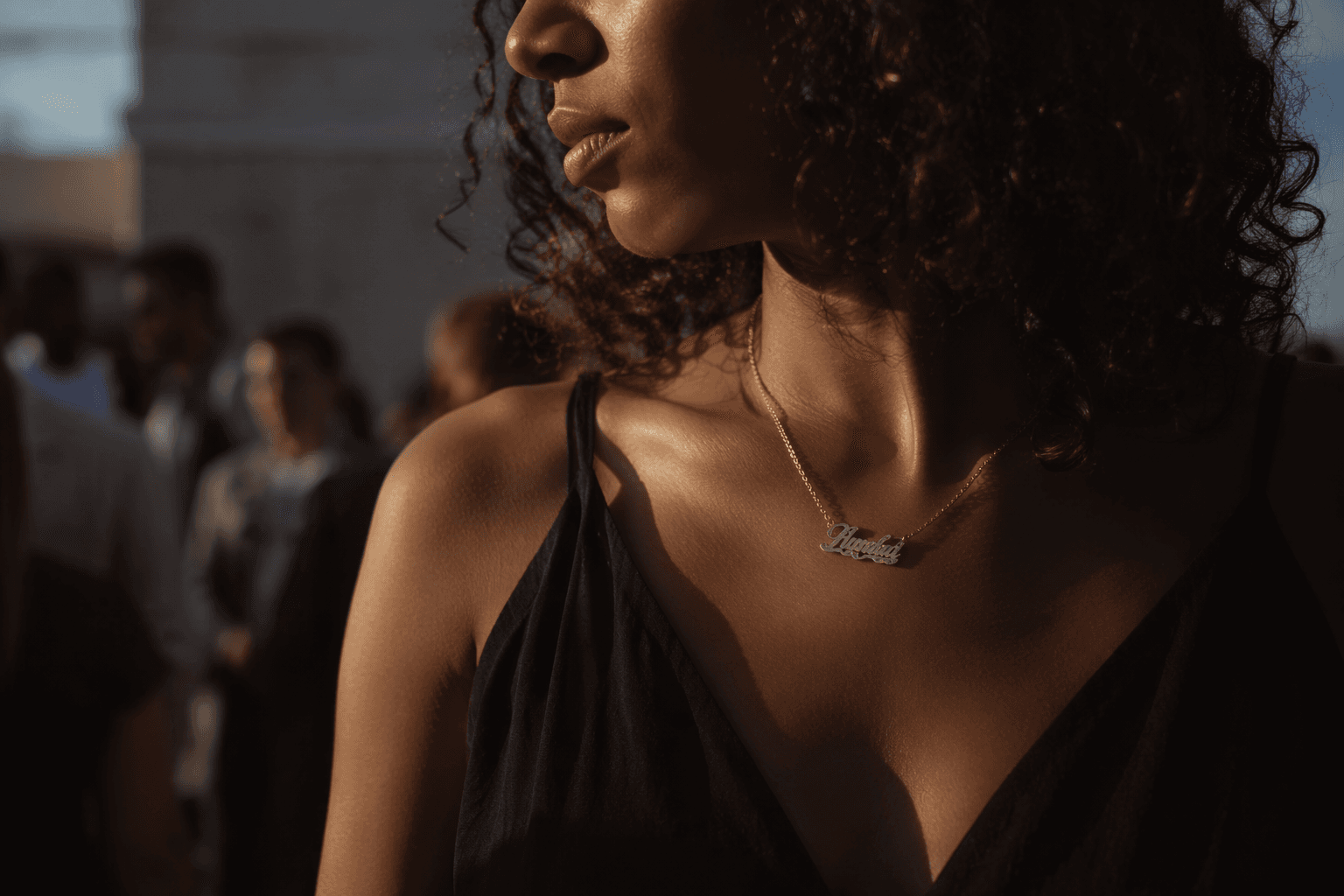
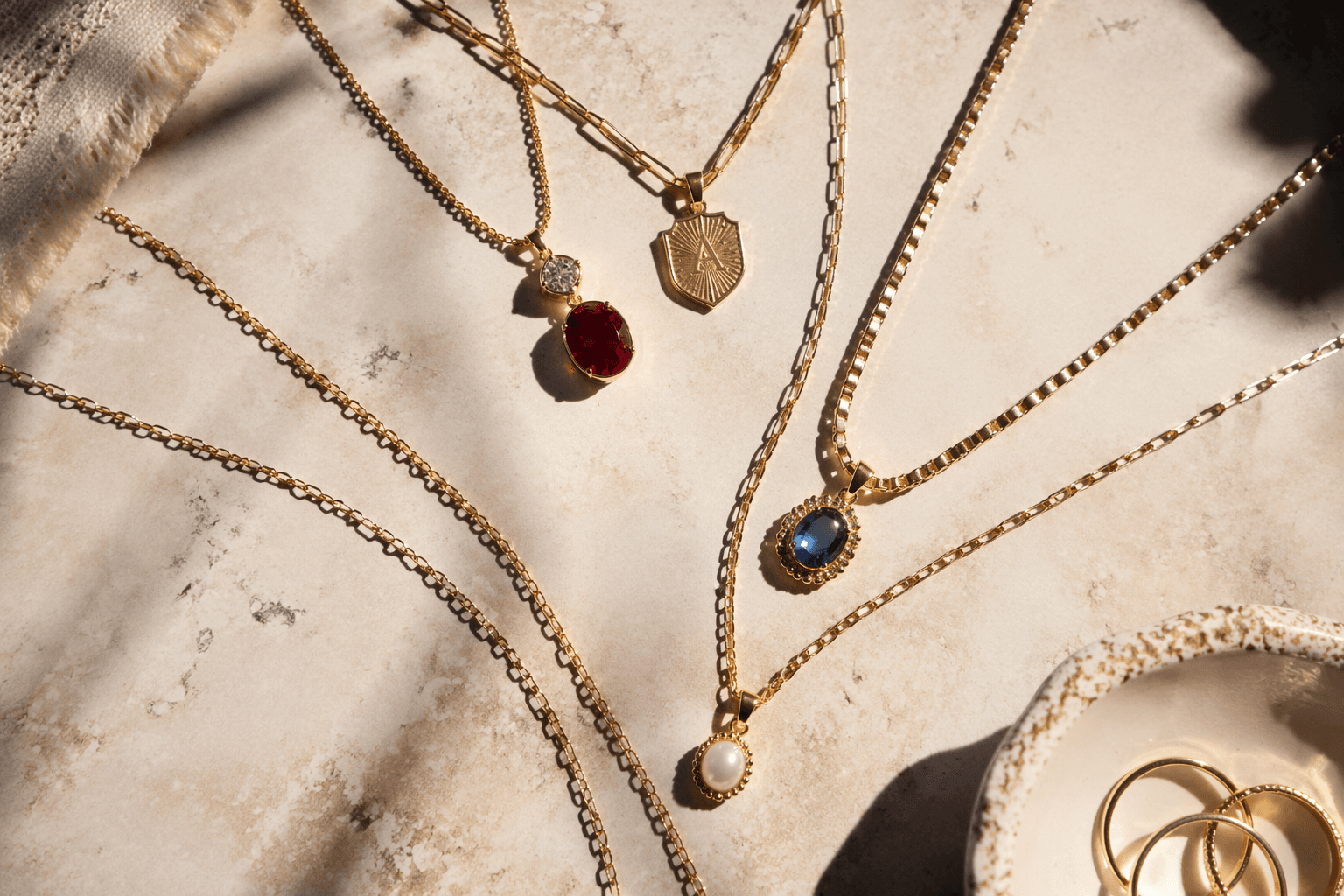
A collarbone built in layers, a wrist that looks collected rather than matched, and mixed textures that make custom details feel modern instead of precious define the current jewelry look. Rio Grande’s July 2, 2026 trend read calls it “dimensional accessorizing.” The effect depends on how a piece sits against the body, with nameplates, initials, charms, and stronger link chains working together.
The new formula for personal jewelry
The cleanest way to wear the trend is through contrast. A short necklace can carry the most literal message, such as an initial or nameplate, while a longer chain adds movement and a third piece, ideally with a charm or a simple drop, prevents the look from flattening out. The look relies on multi-length layering, bracelet stacks, and personalized pieces that mix delicate textures with substantial links.
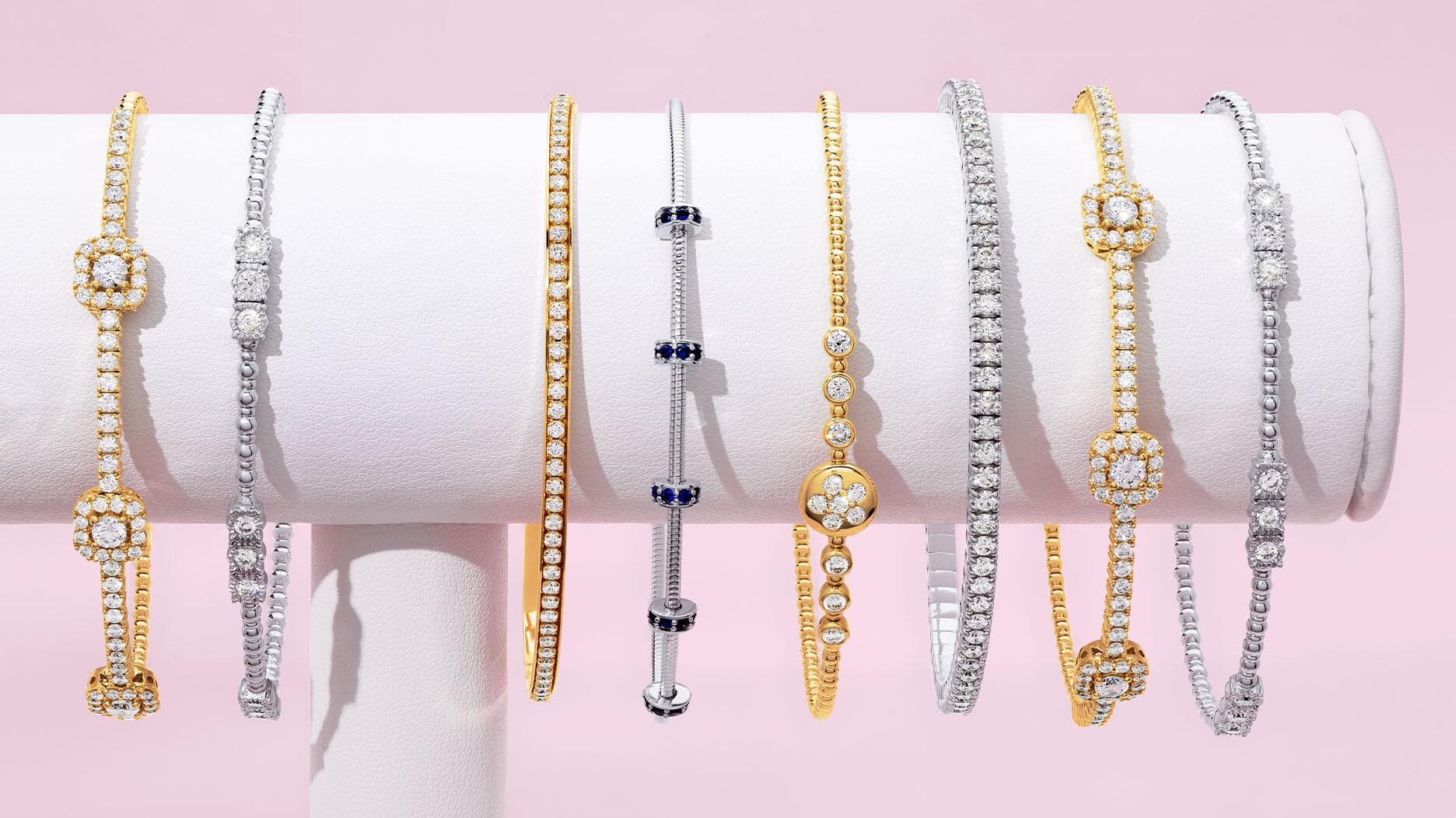
That same principle works on the wrist. One slender chain bracelet, one bold link, and one bangle create enough rhythm to make a stack feel intentional without becoming noisy. Sculptural fluid metal forms help here too, because they break up a row of predictable circles and links. If a small gemstone is part of the story, a bezel setting tends to make more sense than a prong setting in a stack, since the smooth edge wears more comfortably against cuffs and sleeves.
Why retailers are treating the trend as inventory strategy
Personalization is also an inventory strategy. Rio Grande is positioning itself as a supplier partner with a new selection of finished necklaces and bracelets, a signal that personalization has become a merchandising category, not just a custom-order service. The company also expanded personalization services in July 2025, a move that tracks with demand for pieces customers can adapt rather than simply select.
Statista projects worldwide jewelry revenue at US$408.64 billion in 2026, with a 5.10% annual growth rate through 2031. In the United States, there were about 17,600 jewelry stores in operation in 2023, according to Statista, and that number has continued to decline since 2015.
Deloitte’s 2025 retail outlook uses its “mass to micro” framing for the move from broad, supply-driven retail to hyper-personalized consumer experiences. Personalized layering fits that shift because it lets a store sell a ready-made story in pieces: a chain, a charm, a bracelet, then another layer that extends the look.
Why the stack keeps winning
In late 2025, JCK put it plainly: “the stack is definitely back,” tying the return to multistrand chain layering and bangle stacks driving maximalism in jewelry. JCK also pointed to spring 2026 storyteller jewelry, pieces designed to be personalized, layered, and stacked so they reflect the wearer’s life rather than a single occasion.
That helps explain why nameplates and initials still matter. A personalized piece has immediate recognition value, the kind that makes someone stop and imagine a daughter’s name, a wedding date, a birthstone, or a nickname on the skin. But the current version of personalization builds around that center with additional chains, charms, and bracelets.
Jewelers of America has also been highlighting personalized pieces and layered styles in its media appearances.
How to build the look with real jewelry, not clutter
Build the look with one anchor piece, then add one layer that changes scale and one that changes texture. A polished nameplate can sit beside a fine chain and a heavier link necklace; on the wrist, a slim chain, a rigid bangle, and one charm bracelet will read as composed rather than crowded.
For retailers, that means showing combinations instead of lone objects. A shopper should be able to picture the same initials pendant worn two ways, once alone and once threaded into a fuller stack. Rio Grande’s emphasis on finished necklaces and bracelets makes sense because ready-made pieces are easier to layer than made-to-order one-offs, and they let stores merchandise a story in multiples without losing clarity.
De Beers said its 2026 Diamond Report is based on a study of 18,500 women, and the findings point to a market where natural diamonds remain the most desired luxury jewelry product, average purchase prices have risen 25%, Gen Z has become the second-largest generation buying diamonds, and non-bridal occasions account for three-quarters of U.S. diamond demand.
This article was produced by Prism’s automated news system from verified source data, official records, and press releases, then run through automated quality and moderation checks before publishing. The system is built and supervised by the people who set the standards it runs under. Read our full AI policy.
Did this article answer your question?