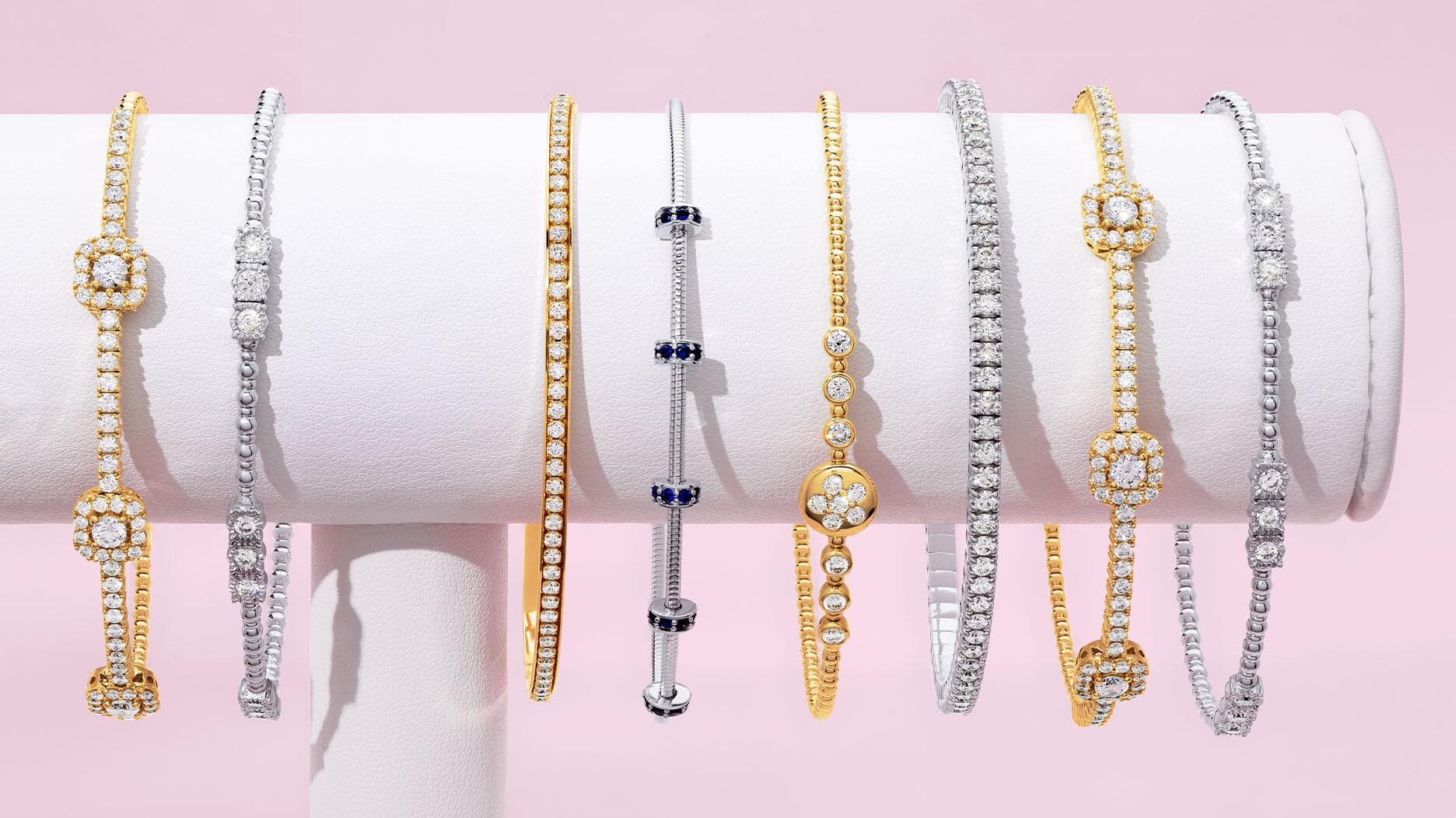
Jared turns personalized jewelry into a custom design process
Jared turns custom jewelry into a sequence of decisions, from sketch and wax model to casting and polish. The real luxury is approval at every stage before the piece becomes permanent.
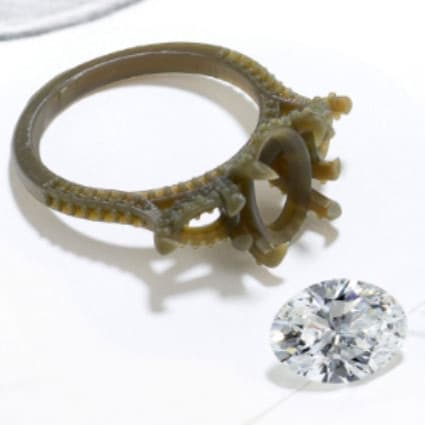
A custom ring at Jared does not begin with a tray of finished jewelry. It begins with an idea, a family heirloom, a snapshot, or even a rough sketch, then moves through a process that makes the wearer part of the build long before the metal is cast. That is the quiet appeal of the program: personalization is not treated as an add-on, but as the design itself.
The design begins with a story, not a stock setting
Jared says every store has a Custom Design Studio staffed by Certified Diamontologists and Master Artisans, which gives the process the feel of a small atelier rather than a standard sales floor. The point is not just to select a ring style, but to translate a memory, a photograph, or a name into something wearable. In that setup, the customer is not choosing from a finished case; the customer is shaping what gets made.
The emotional charge comes from how open the starting point is. A sketch can become a ring, but so can a family heirloom that needs a modern reset or a passing idea that has not yet taken a physical form. That flexibility matters because personalized jewelry is often less about novelty than recognition, the moment when a piece starts to feel like it could only belong to one person.
The model stage is where the piece becomes real
Jared breaks the custom process into four steps: design, model, casting, and completion. The model stage is the most revealing, because it gives the customer an exact replica or wax figure to approve before anything is cast in metal. That is the stage where proportion, height, and surface feel can still be adjusted without committing to a final form.
For jewelry, that approval step is more than procedural. It changes wearability, because a model lets you judge whether a ring sits too high, whether a stone setting feels balanced, or whether a band needs to be slimmer for everyday comfort. It also changes the final look, since even small revisions at the wax stage can alter how light plays across the finished piece once gemstones are set.
Design choices now move between the studio and the screen
Jared’s online create-your-own tool extends the same logic into a digital space, letting shoppers build a custom engagement ring in real time by selecting styles and then choosing a colorless or fancy-colored diamond. Some stores also offer expanded capabilities through Jared Foundry, which adds another layer of customization beyond the standard online flow. The result is a hybrid experience: the customer can visualize options instantly, then bring those choices into a more tactile design conversation.
That blend of software and studio work is part of why modern personalization feels different from the engraved keepsakes of the past. A shopper can test shape, stone type, and style before the piece exists, then move into the hands-on parts of the process with much more clarity. The technology does not replace craftsmanship; it sharpens the decisions that craftsmanship has to execute.
The details that make a piece feel personal
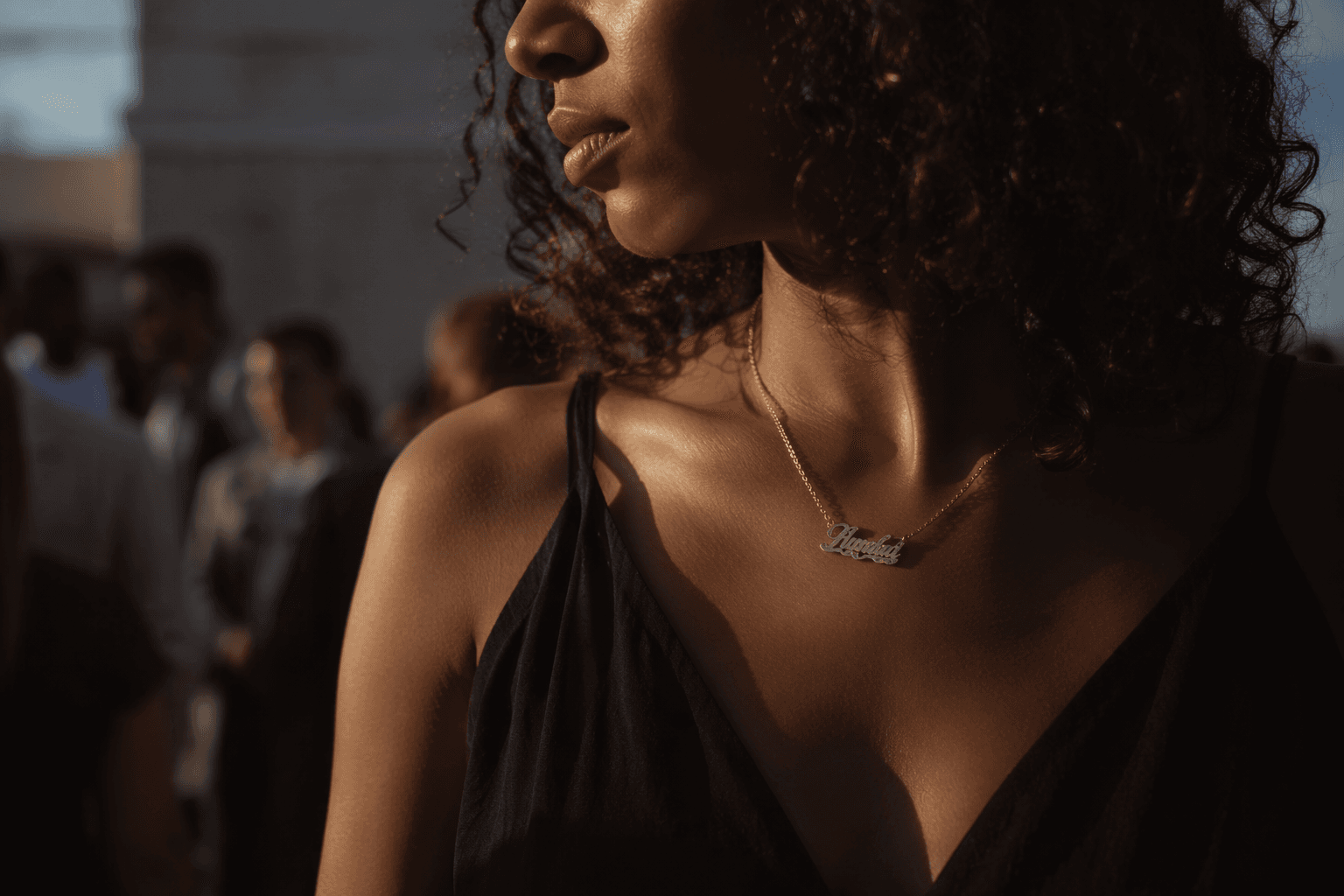
The personalization page makes the emotional language explicit. Customers can add meaningful dates, a child’s name, a phrase like “love you more,” a monogram, initials, or special symbols. Those details may seem small, but in fine jewelry they are often the difference between a generic gift and a piece that carries a private grammar.
Engraving and inscriptions also change the way jewelry is worn. A child’s name inside a band or a date tucked into a hidden surface lets the piece carry meaning without overwhelming the design from the outside. Monograms and symbols can be used more visibly, turning the finished object into a public statement, while still preserving the intimate reason it was made.
What gives these choices lasting value is their relationship to scale and placement. A phrase, a set of initials, or a single symbol has to be balanced against the width of the band, the metal color, and the setting style so the jewelry still reads as elegant rather than crowded. Good personalization is not simply added on; it is composed into the proportions of the piece.
The trade-side view shows how many decisions a custom piece really contains
Rio Grande’s 3D jewelry manufacturing category makes the production side visible through tools such as 3D printers, resins, CAD software, and casting solutions. Its customization services go further by letting jewelers build an entire ring through choices that include stone origin, shape, size, clarity, color family, setting style, metal type, metal color, engraving, and matching bands. That list is a useful reminder that a custom jewel is built from a chain of linked decisions, not from a single flourish.
From a design perspective, those choices affect both appearance and comfort. A prong setting will read differently from a more enclosed setting, a warm metal color will shift the mood of a stone, and a matching band changes the silhouette of the set on the hand. Even the stone’s origin and color family can alter how the finished ring feels, because personalization is as much about visual tone as it is about inscription.
Finishing is where individuality becomes permanent
Rio Grande also offers laser engraving services and metal tags with quality marks, logos, text, or line art, which shows how personalization can extend beyond a ring or pendant into a broader manufacturing workflow. The finishing stage is where a piece receives its final clarity: edges are refined, surfaces are polished, and the last marks of process are removed or intentionally preserved. In custom jewelry, that finishing touch is what turns a proof of concept into an object that looks inevitable on the hand.
Jared’s sequence, from design to model to casting to completion, makes that transition visible to the customer. The wearer gets to test the piece before it hardens into permanence, then sees it return with the weight and brightness of finished metal and gemstones. That is why personalized jewelry can feel so much more intimate than a standard purchase: the design choices are not hidden behind the counter, they are built into the piece from the first sketch to the final polish.
This article was produced by Prism’s automated news system from verified source data, official records, and press releases, then run through automated quality and moderation checks before publishing. The system is built and supervised by the people who set the standards it runs under. Read our full AI policy.
Did this article answer your question?