LegacyTouch turns fingerprints into one-of-a-kind keepsake jewelry
LegacyTouch builds fingerprint jewelry around a secure PIN workflow, turning a captured print into a handcrafted keepsake and making reorders possible later.
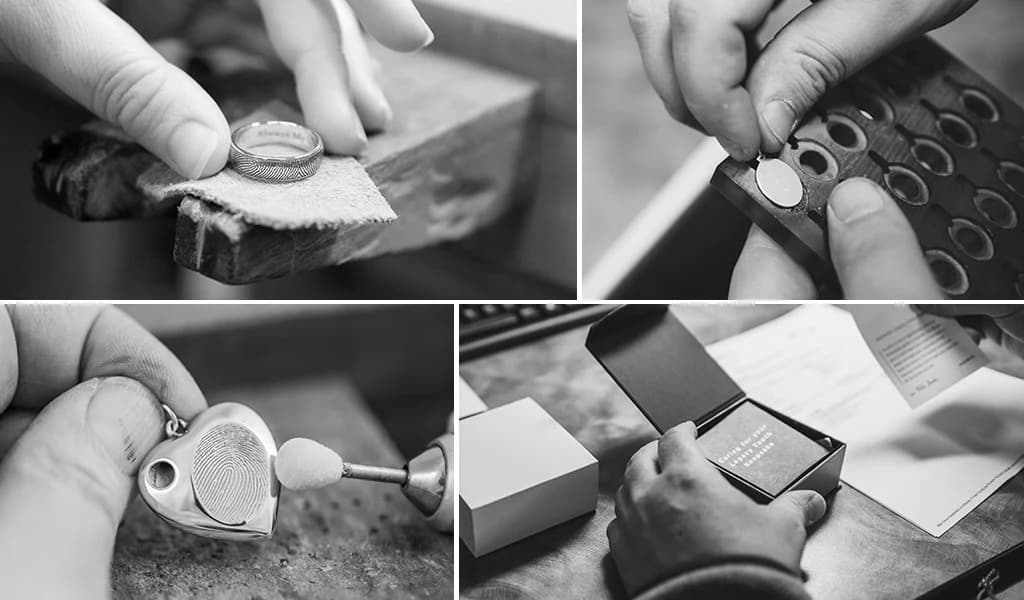
Fingerprint jewelry asks for more than a name or a date. It begins with a real print, then relies on a capture-and-approval process that has to preserve ridge detail cleanly enough to become a pendant, ring, bracelet, or charm without turning into a smudge. LegacyTouch puts that process at the center of the piece, pairing a secure database, a unique PIN, and handcrafted finishing to keep the result tied to the right person.
From fingerprint to finished keepsake
LegacyTouch says every Fingerprint Keepsake and piece of jewelry starts with a fingerprint, then is carefully handcrafted by artists and jewelers into a one-of-a-kind keepsake. That distinction matters because the print is not treated as a decorative motif. It is the source image, and the final piece has to preserve the identity of that image across metal surfaces that may be small, curved, or worn daily.
The company’s education pages say its process is designed to work across a wide range of prints, from the compact prints of an infant to the distinct life lines of older adults. That range tells you something practical about the category: the best fingerprint jewelry brands have to do more than reproduce an image. They have to translate different print sizes and levels of definition into something legible when struck, engraved, or otherwise worked into metal.
Why the PIN is the make-or-break step
The most important part of the workflow is not the jewelry design itself. It is the PIN. LegacyTouch says customers can upload fingerprint images, where they are captured and stored in a secure database, and then receive a unique, alpha-numeric Personal Identification Number assigned to those prints. The company also says it will automatically generate the PIN and provide it immediately, so customers can begin personalizing jewelry and keepsakes right away.
That PIN does several jobs at once. It gives the family a way to order additional pieces later without recapturing the fingerprint, and it helps ensure the fingerprints used are the correct ones. In a category where one missing ridge or one swapped print can turn a memorial piece into an expensive remake, that kind of verification is the difference between a keepsake and a mistake.
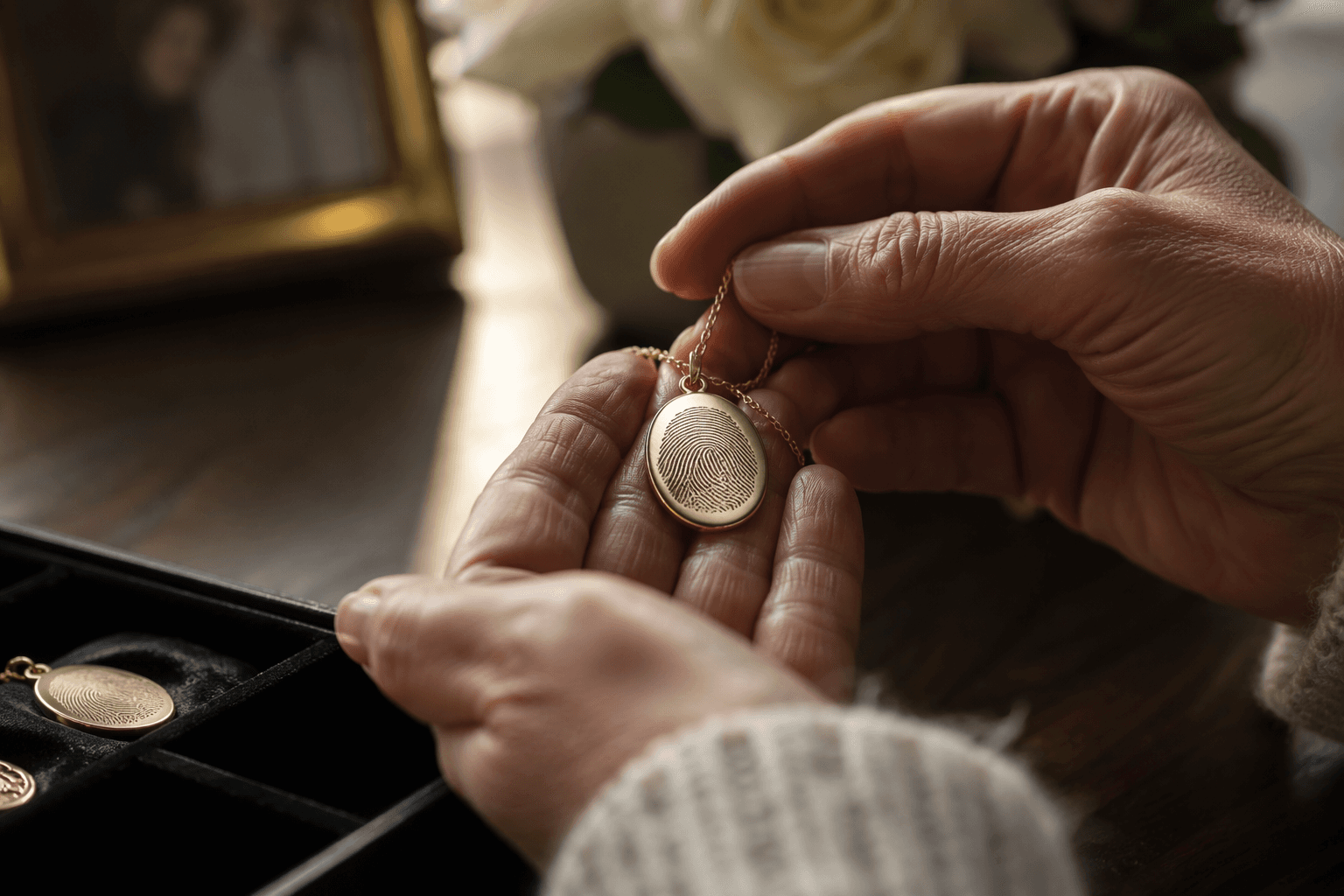
For shoppers comparing brands, this is the first question to ask:
- Is the print captured and uploaded to a secure database, or is it just emailed around as an image?
- Is there a unique PIN or other repeatable identifier tied to the exact print?
- Can that identifier be used to order matching pieces later without starting over?
- Does the brand explain how it confirms the right print before production begins?
A fingerprint jewelry purchase should feel personal, but the process itself has to be precise. The PIN-based workflow gives that personalization structure, which is especially important when families want to reorder for siblings, spouses, or multiple generations.
What the collection includes
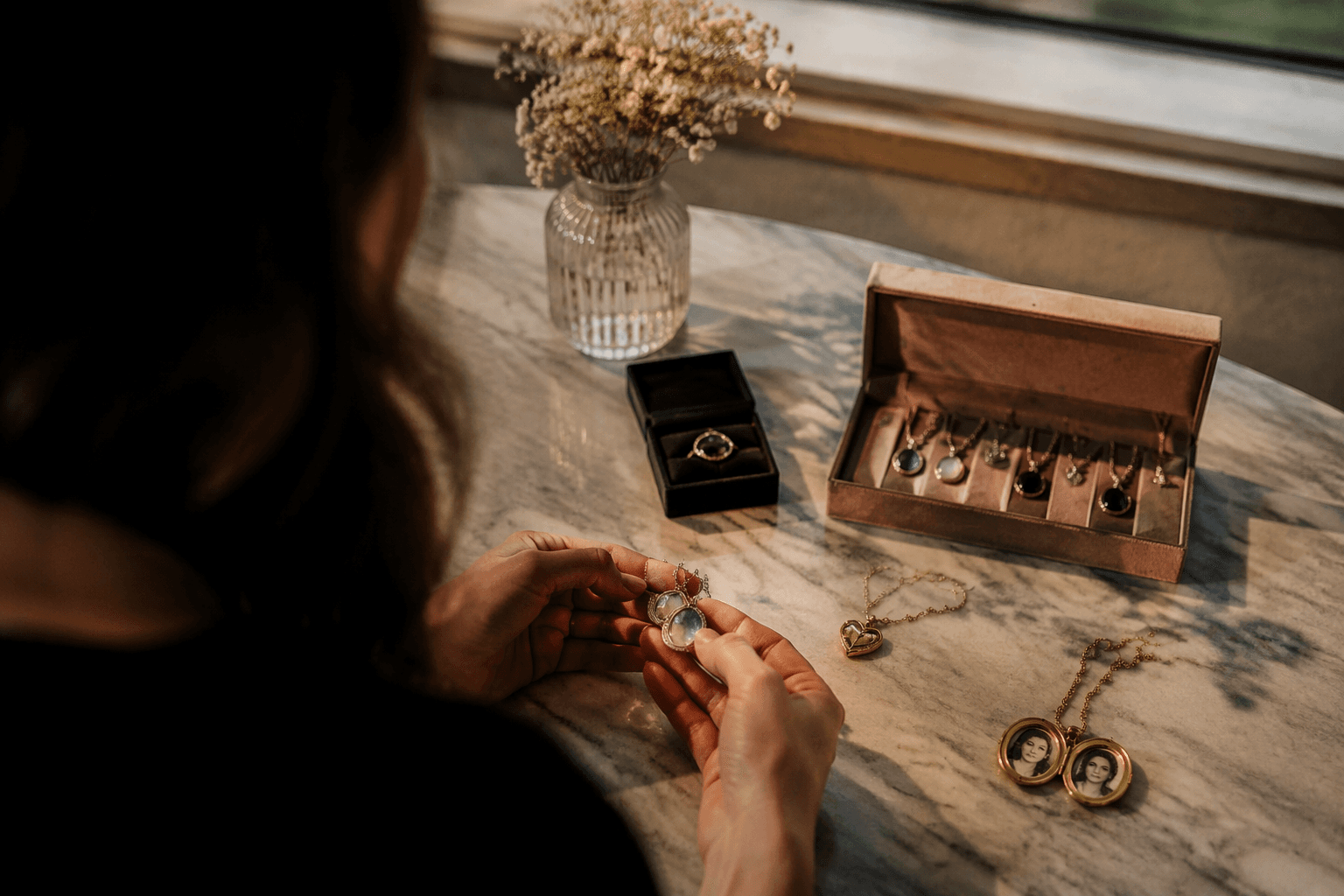
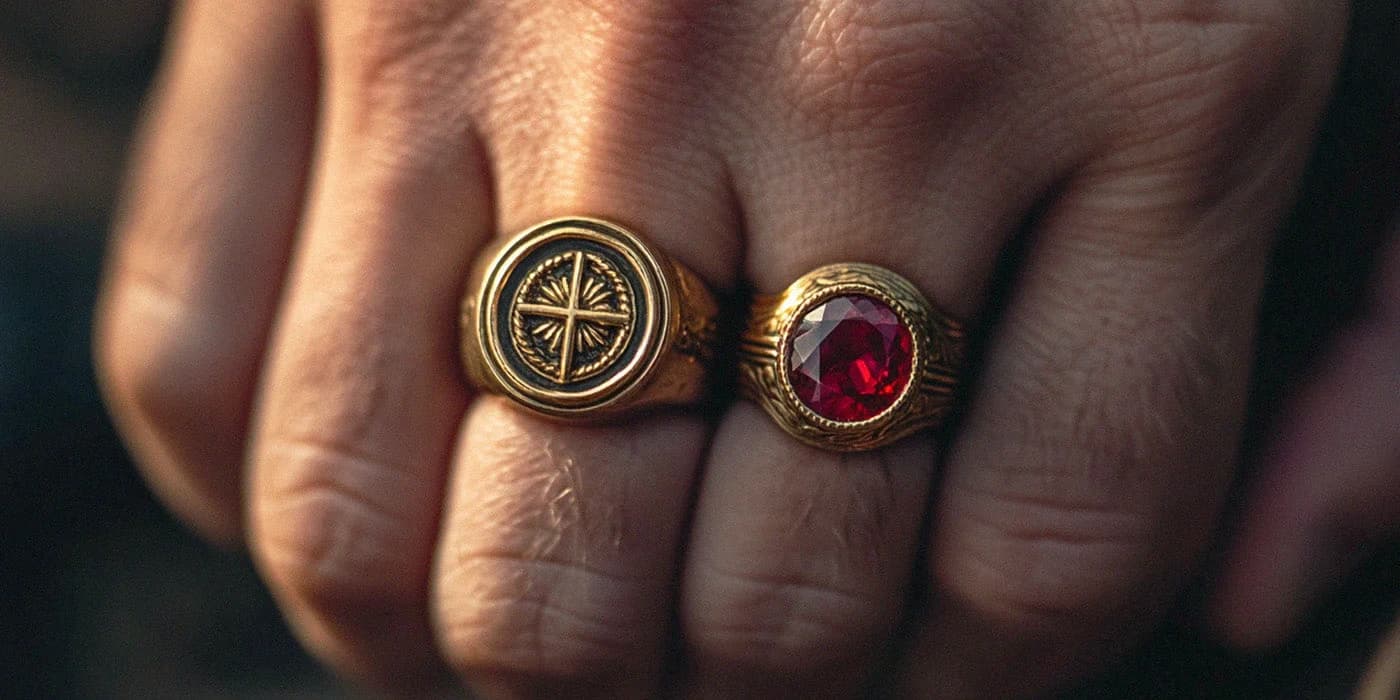
LegacyTouch says its handcrafted personalized fingerprint jewelry includes custom pendants, charms, rings, bracelets, and more. Its memorial and funeral-related pages expand that range with dog tags, bookmarks, keychains, and keepsakes. That breadth matters because different pieces suit different kinds of wear: a pendant keeps the print visible near the heart, a ring brings it into daily contact, and a charm or keychain makes the memory part of an object that travels everywhere.
The category also sits between jewelry and memorial design. LegacyTouch says its fingerprint keepsakes bring comfort and create a unique connection to a loved one who has died. It also frames the pieces as gifts for someone you care about or as objects worn to honor the life of a beloved family member. That emotional role is why the craftsmanship has to be exact. The fingerprint is not just a pattern. It is the point of the piece.
Turnaround, timing, and the funeral context
LegacyTouch says 24-hour turnaround is available, which is unusually specific for a personalized jewelry program. In practice, that speed can matter as much as design. The company has also published funeral-related content asking whether custom fingerprint jewelry can be made in time for a funeral, a sign that many of these purchases are made under tight deadlines and with real emotional pressure.
That timing pressure is another reason the approval and PIN stages matter. If a family is making decisions quickly, they need a process that reduces the chance of a recut or remake. A captured print, an assigned PIN, and a clear way to order later create a record that can be used for follow-up pieces without repeating the most fragile part of the process.
How memorial jewelry fits a longer tradition
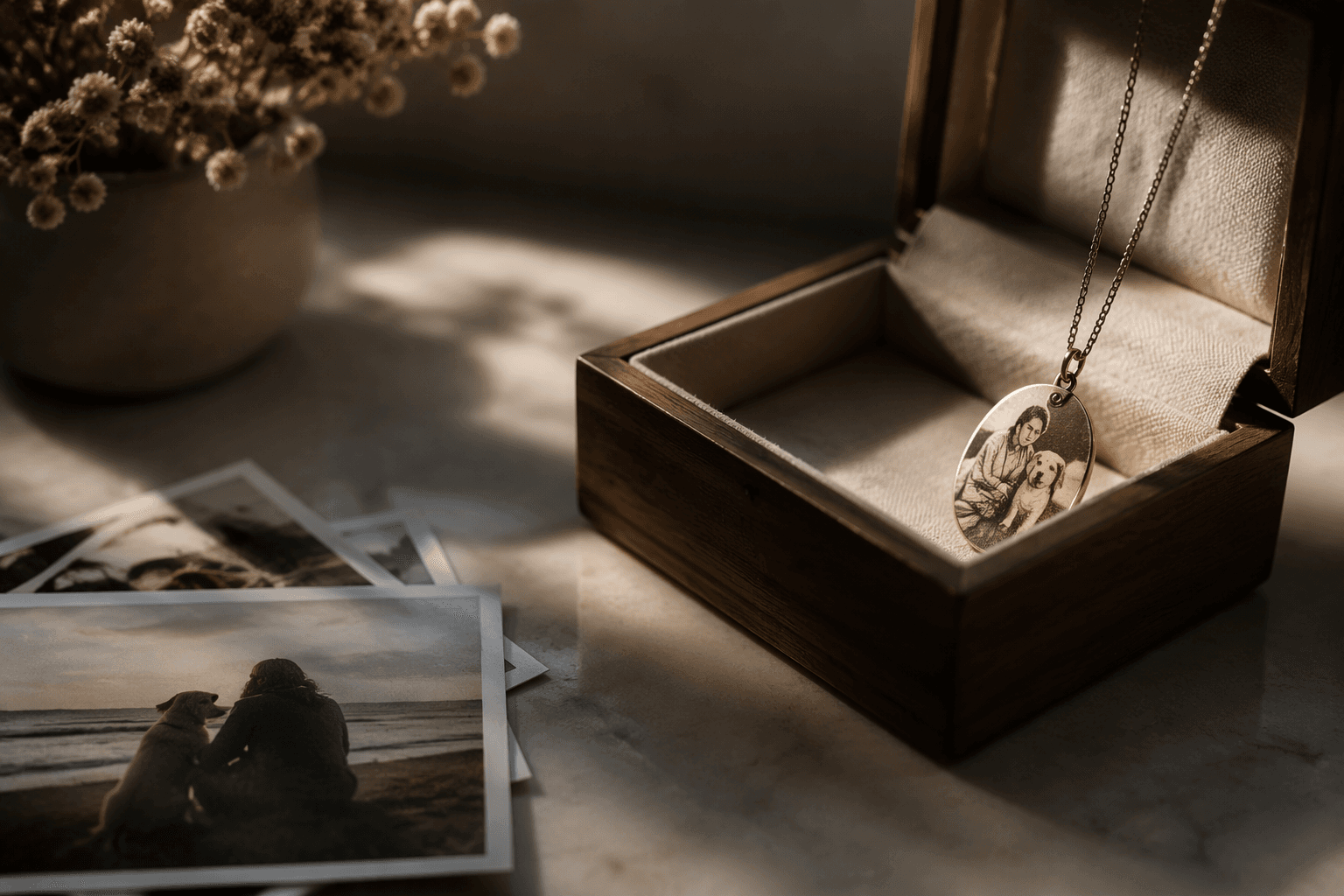
Fingerprint jewelry may feel newly intimate, but memorial jewelry has a long lineage. A 2024 Sugarberry Memorials article traces memorial jewelry from Victorian times to today, placing fingerprint pieces inside a broader tradition of remembrance jewelry that has long included engraved pendants, lockets, photo pendants, ash pendants, and similar keepsakes. The modern fingerprint version is more specific, but the impulse is familiar: to carry evidence of a life close to the body.
That history also explains why the category keeps expanding. The emotional demand has stayed constant, while the methods have become more exact. A fingerprint is more individualized than a name or a date, and when it is captured well, it gives the jewelry a level of intimacy that standard engraving cannot match.
Why print quality is everything
A fingerprint piece is only as good as the original impression. In r/askfuneraldirectors, one commenter described receiving poor-quality ink fingerprints after a grandmother’s death and not wanting smudged pendants or necklaces. That reaction is blunt, but it gets to the heart of the category: weak, smeared, or incomplete prints do not disappear in production. They become the object.
That is why capture method should matter as much as the finished design. Before ordering, look for a brand that explains how the print is taken, how it is uploaded, how it is stored, and how it is matched back to the final piece. If the company cannot describe that workflow clearly, the jewelry may look personalized without offering the accuracy or repeatability that makes a fingerprint keepsake worth commissioning.
LegacyTouch’s model shows why this category works best when sentiment and process move together. The keepsake starts with a real fingerprint, passes through a secure PIN system, and ends as a handcrafted object that can be reordered later without losing its connection to the original print. In fingerprint jewelry, trust is built long before the metal is polished.
This article was produced by Prism’s automated news system from verified source data, official records, and press releases, then run through automated quality and moderation checks before publishing. The system is built and supervised by the people who set the standards it runs under. Read our full AI policy.
Did this article answer your question?