Personalized jewelry needs the right fit, from rings to bracelets
Fit is part of personalization, not an afterthought. In engraved rings, charm bracelets, and pendants, width and drape decide whether the piece looks intentional or awkward.
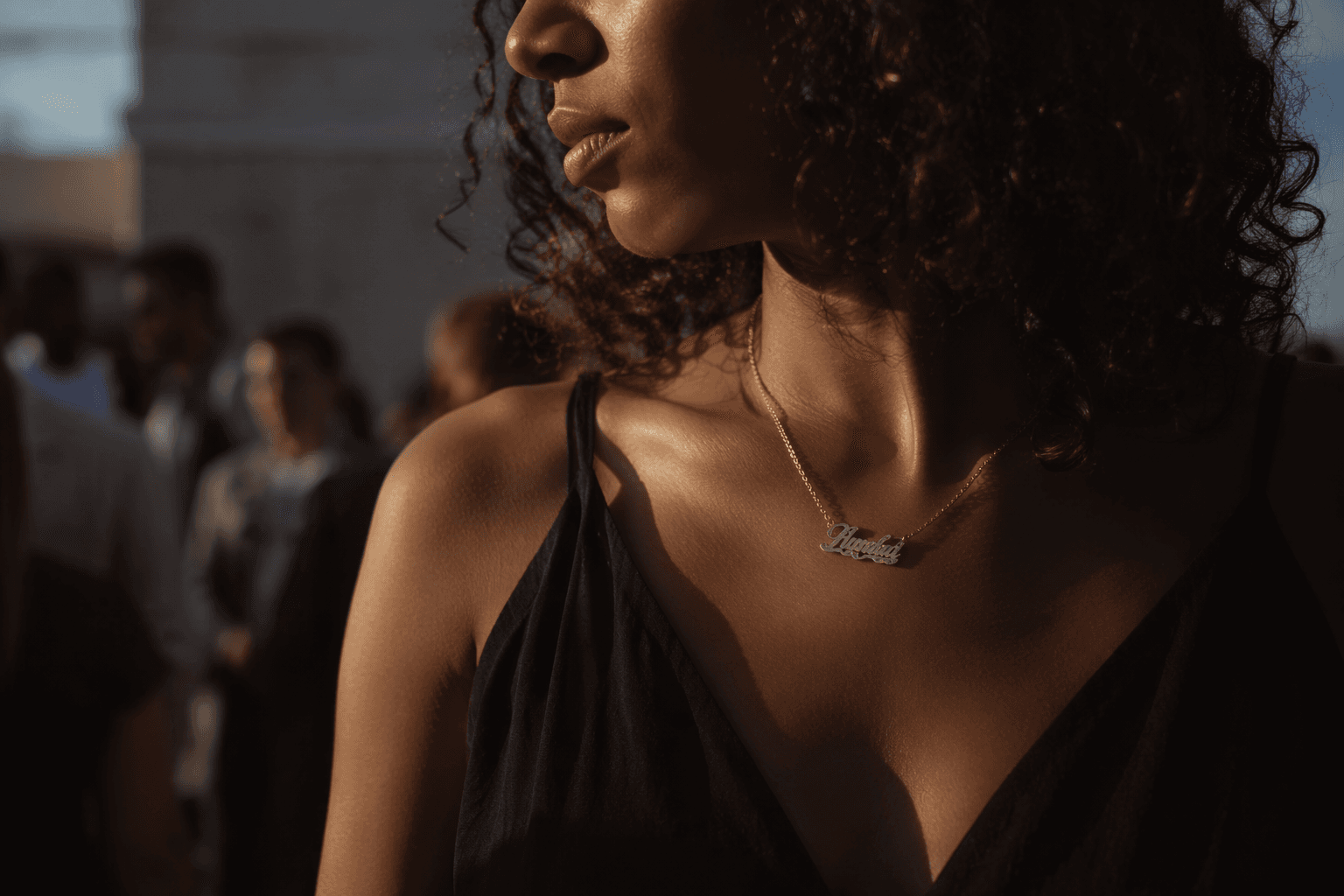
A name engraved on a ring only feels complete when the proportions are right. Personalized jewelry has to fit the body as well as the mood. A charm bracelet carrying initials or a pendant that marks a birthday changes character with size, because fit affects how the piece sits, moves, and layers. Once a jewel is customized, the wrong fit is harder to correct and easier to regret.
Rings: width changes the answer
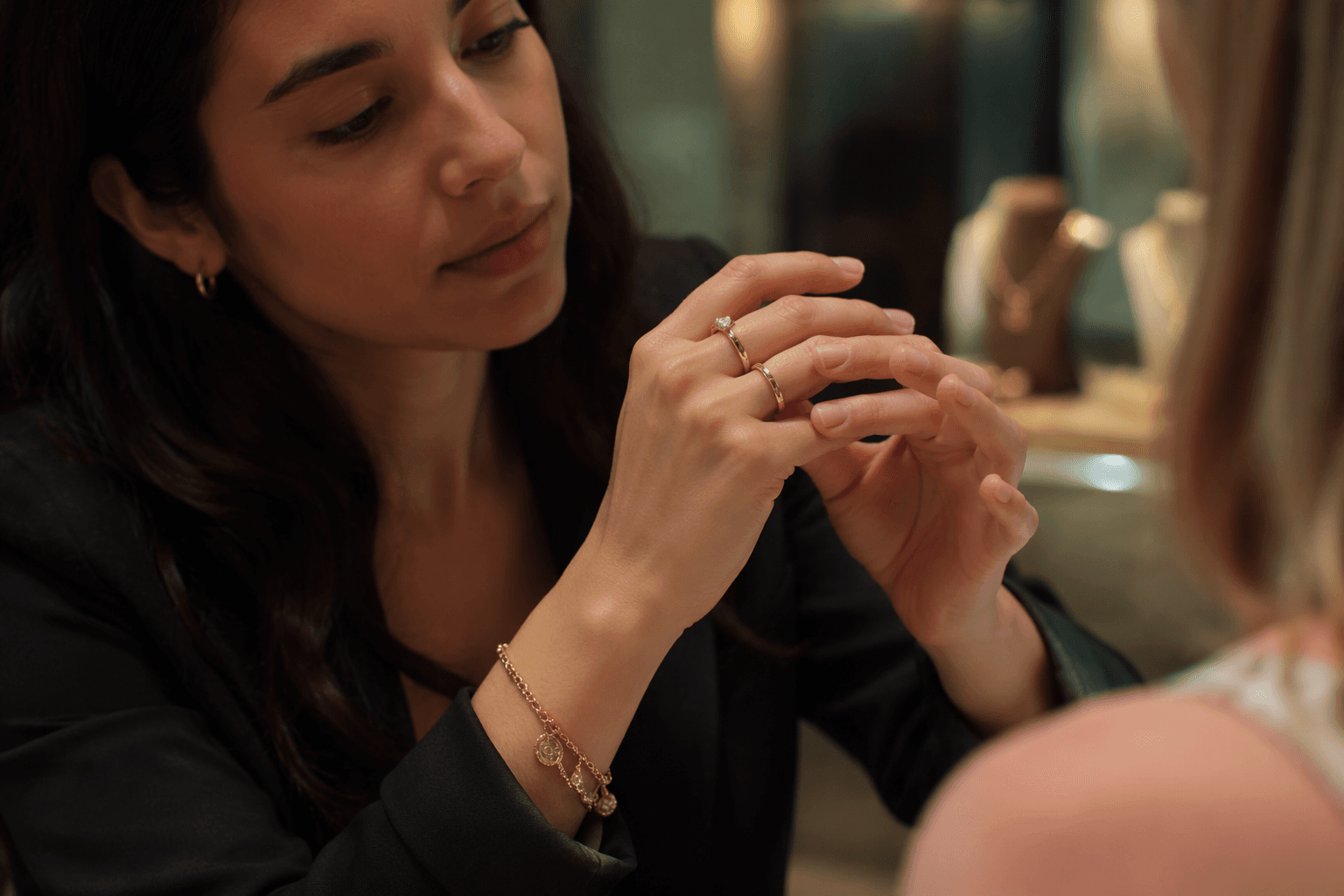
A ring has to do two things at once: pass over the knuckle comfortably and settle securely once it is on. James Avery’s sizing guidance accounts for band width. A tapered ring may wear true to size, while a band that is 1/4 inch wide or wider may call for a half size larger.
That detail matters most when the ring carries a name, date, or symbol that turns it into a personal object. James Avery’s chart includes full and half sizes. Most women fall between sizes 5 and 7, most men between 8 and 10, and traditional baby rings are often sized 1 or 1.5. Those benchmarks are useful starting points, but they are only starting points, because ring sizing is not standardized worldwide.
The International Gem Society’s ring-size comparison chart aligns U.S. sizes with British, French, German, Swiss, and Japanese equivalents. A size chosen confidently in one market can translate differently in another, especially when a ring is bought online and cannot be tried on before engraving.
Bracelets: drape is part of the design
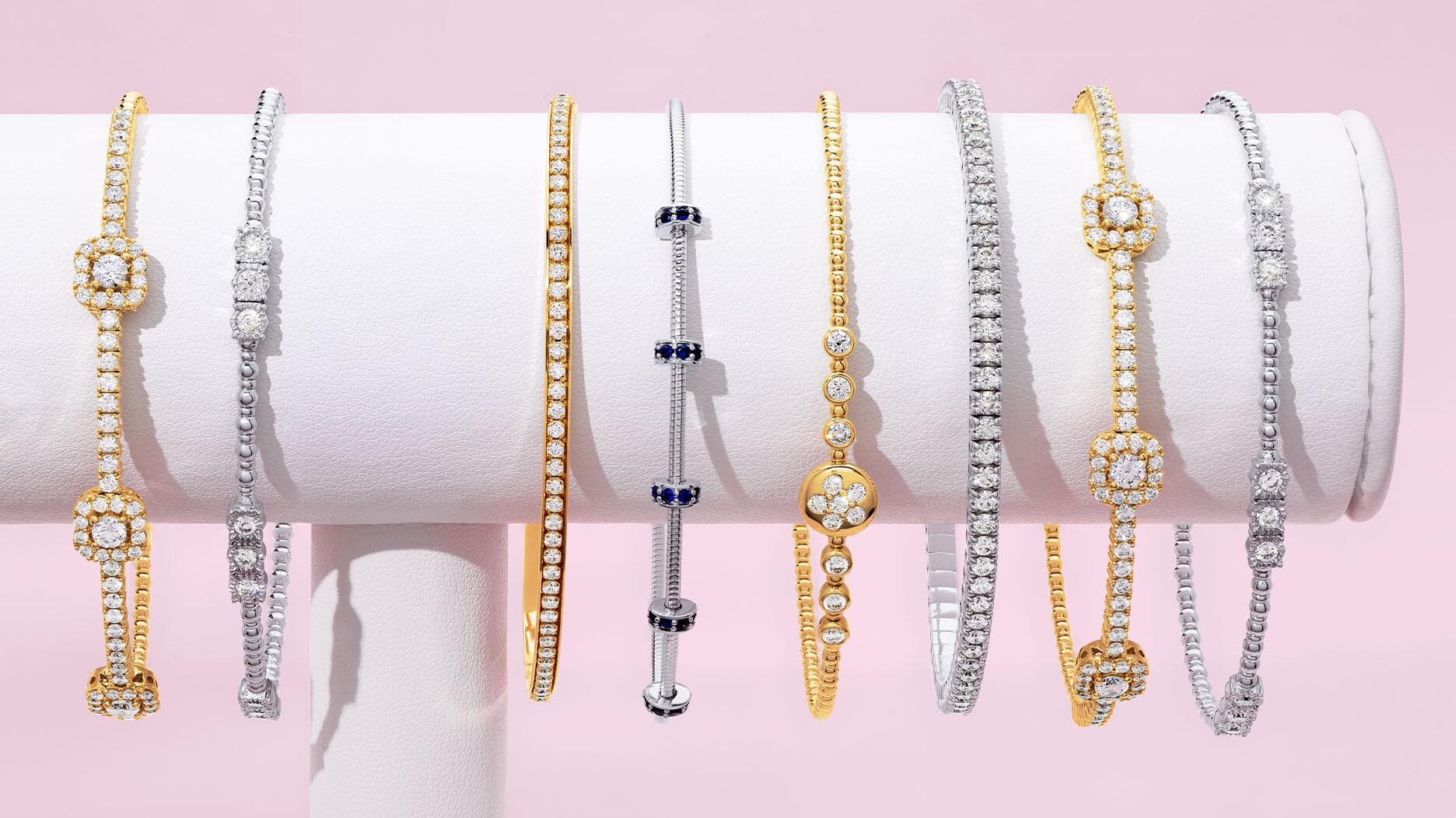
Bracelets behave differently from rings because the wrist moves constantly, and personalization changes how the piece swings, twists, and catches the light. At James Avery, bracelet sizing starts just below the wrist bone, then adds 1 inch for charm bracelets, 1/2 inch for leather bracelets, and 1/2 inch for multi-link bracelets. Bangle, cuff, and hook-on styles are sized by wrist diameter rather than circumference.
The common women’s range for charm and multi-link bracelets runs from 6 1/2 to 7 1/2 inches, with 7 inches as the most common women’s length. For men, the usual range is 7 1/2 to 9 inches, with 8 inches common. Pandora uses a similar formula: measure the wrist, wrap the tape tightly around the broadest part, add 1 inch for classic charm and bangle bracelets, and choose the next size up if you are between sizes.
A bracelet that sits too tightly can twist and bury an engraving or charm against the wrist, while one that is too loose can make a nameplate or decorative element feel sloppy. Leather styles often use a smaller add-on, so the material changes the fit calculation.
Necklaces: the chain has to support the story
Necklaces add one more layer of judgment, because the chain does not only carry the pendant, it frames it. James Avery’s necklace guidance takes torso length, chest size, and overall body type into account, since the same chain can appear shorter on a larger frame or longer torso. A necklace that looks perfectly placed on a tray can sit quite differently once it is worn.
Length also affects practicality. In James Avery’s guidance, chains 28 inches and longer can slip over the head without unclasping, and magnetic clasp sets and chain extenders can make daily wear easier. For pendants, the size of the ornament should match the chain’s strength and visual weight: charms and small pendants under 1 inch pair with fine chains, medium pendants over 1 inch work with medium chains, and large pendants over 2 inches need heavier chain styles.
The International Gem Society’s necklace chart includes 14 inches and 16 inches, which sit closer to the neck, and 18 inches, 20 inches, 24 inches, and 30 inches, which fall progressively lower across the chest. In personalized jewelry, that placement changes the read of a piece. A nameplate at 16 inches sits near the collarbone; the same pendant at 24 inches is more visible in layered looks.
Why personalization raises the stakes
Custom jewelry comes with stricter return rules. Blue Nile does not accept returns or exchanges on personalized jewelry, custom orders, engraved items, and items resized after purchase. Kay takes a similar position on engraved or modified jewelry, and Brilliant Earth excludes engraved fine jewelry from standard returns, though an engraved ring can sometimes be returned with a fee to remove the engraving.
Fit has to be settled before the lettering, stone, or symbol goes on the piece. A ring that needs to be stretched after engraving, or a bracelet that should have been loosened before an initial was added, is not the same as an ordinary sizing correction. The National Retail Federation estimated U.S. retail returns at $890 billion in 2024. Lost sales from returns were more than $400 billion in 2020 and more than $761 billion in 2021.
The Federal Trade Commission’s Jewelry Guides set standards around material claims and disclosures.
This article was produced by Prism’s automated news system from verified source data, official records, and press releases, then run through automated quality and moderation checks before publishing. The system is built and supervised by the people who set the standards it runs under. Read our full AI policy.
Did this article answer your question?