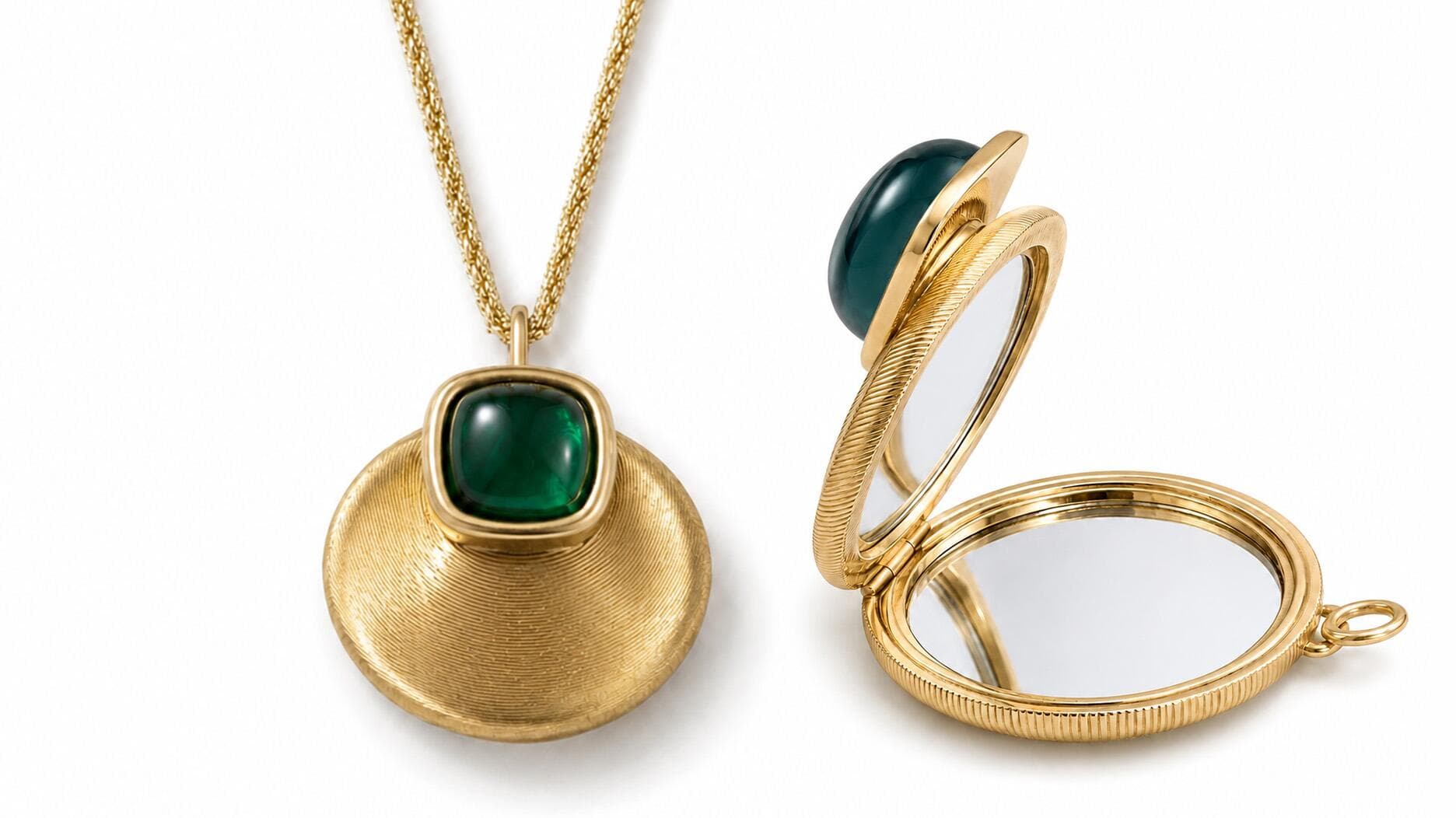
Diamonds Shine as April Birthstone in Everyday Spring Jewelry Styling
April’s diamond moment reads differently in vintage: seek old cuts, low settings, and marks that tell you a piece was made to be worn every day.
1. Start with the everyday-wear test
A good April diamond piece should sit close, feel secure, and keep its sparkle without demanding a special occasion. That is why vintage and antique diamonds can feel so modern: the best ones were built for repeat wear, not just display.
2. Read the marks before you read the sparkle
Flip a ring over and look inside the shank, along the clasp, or on the back of a brooch, because those small impressions are the object’s identity record. Maker’s marks, metal marks, and size marks can point you toward period, origin, and construction before you ever study the stone.
3. Know why diamond keeps returning every April
Diamond is the officially recognized April birthstone on modern U.S. birthstone lists, and that standard was set in 1912 by the American National Association of Jewelers. In vintage terms, that makes diamond pieces especially easy to decode: they belong to a long, codified tradition of birthstone gifting.
4. Favor old cuts when you want softer, more wearable light
Antique cushion cuts, old mine cuts, old European cuts, and rose cuts often throw a gentler, more romantic kind of sparkle than many modern brilliant stones. For spring styling, that softer flash reads beautifully in daylight and tends to feel less stiff than highly calibrated contemporary sparkle.
5. Look for low-profile settings if you plan to wear it often
A bezel, flush, or gypsy setting can keep a diamond snug against the hand, which matters if you want the piece to move through a full day without catching. Many older rings were designed with this kind of practical logic, and it is one reason they still feel elegant on a busy wrist or hand.
6. Use white metal to echo the clean, bright April look
Platinum and 14-karat white gold give diamond a crisp outline that suits spring clothes, from pale knits to navy tailoring. If you find a vintage piece with that cool-toned frame, the stone usually reads sharper and more contemporary without losing its age.
7. Treat monogram jewelry as personal jewelry, not novelty
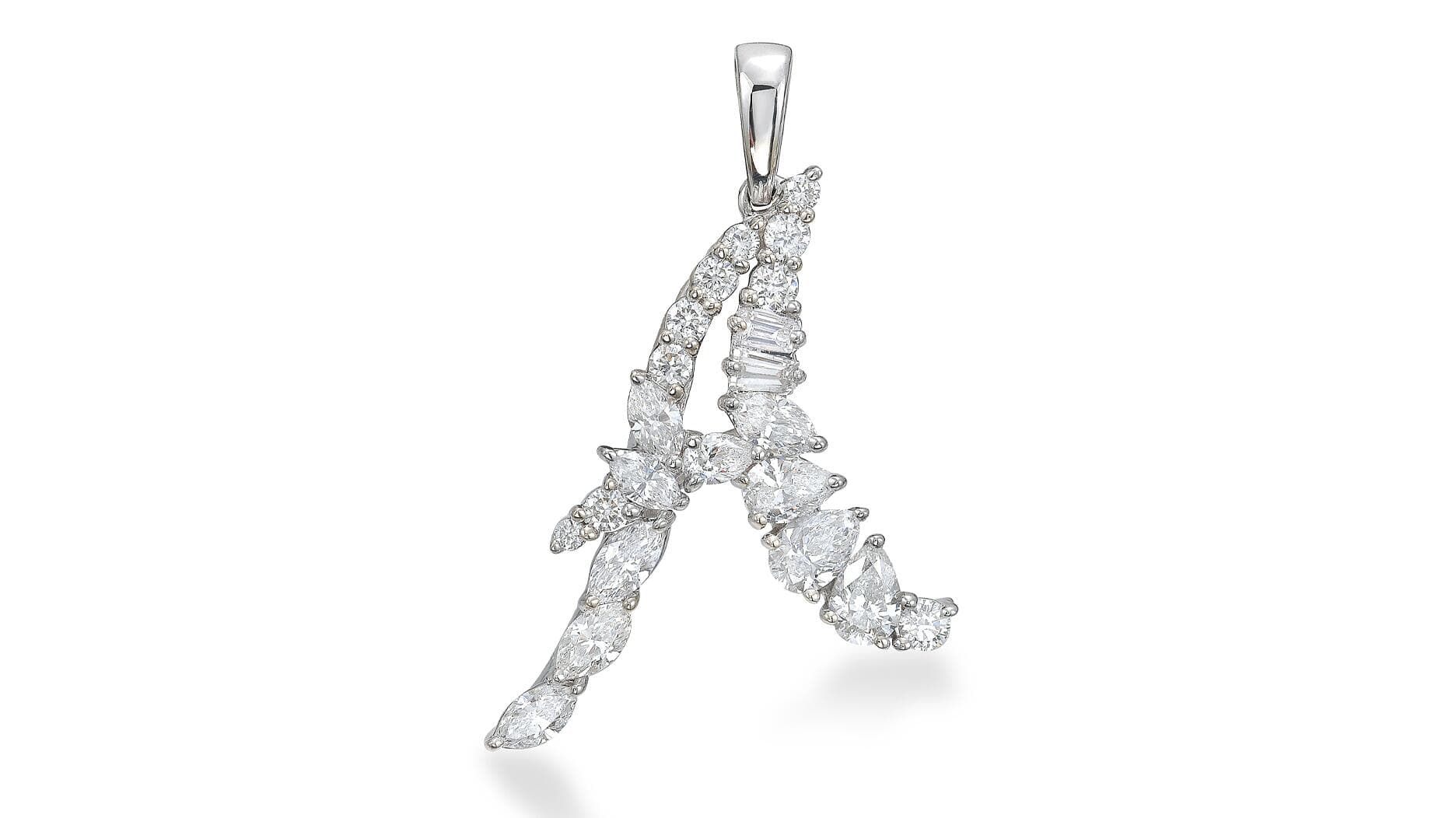
Isabel Delgado’s diamond “A” initial pendant in 14-karat white gold, priced at $15,000, shows how a diamond can work as a signature rather than a statement of size alone. In vintage buying terms, initials, plaques, and name jewels often deliver the same intimate appeal as a favorite heirloom, especially when the setting is refined and the proportions are restrained.
8. Choose a piece that can move from sweater to silk
The strongest everyday diamond jewels are the ones that do not rely on a single styling formula. A vintage pendant, slim ring, or compact brooch can shift from denim to evening because the stone does the work while the setting stays quietly elegant.
9. Check for a secure basket or gallery under the stone
The underside of a ring often tells you more than the top view. A sturdy basket, sound prongs, or a well-engineered gallery suggests the jewel was made to survive real life, which is exactly what you want if you are buying for daily wear.
10. Let the hardness work for you
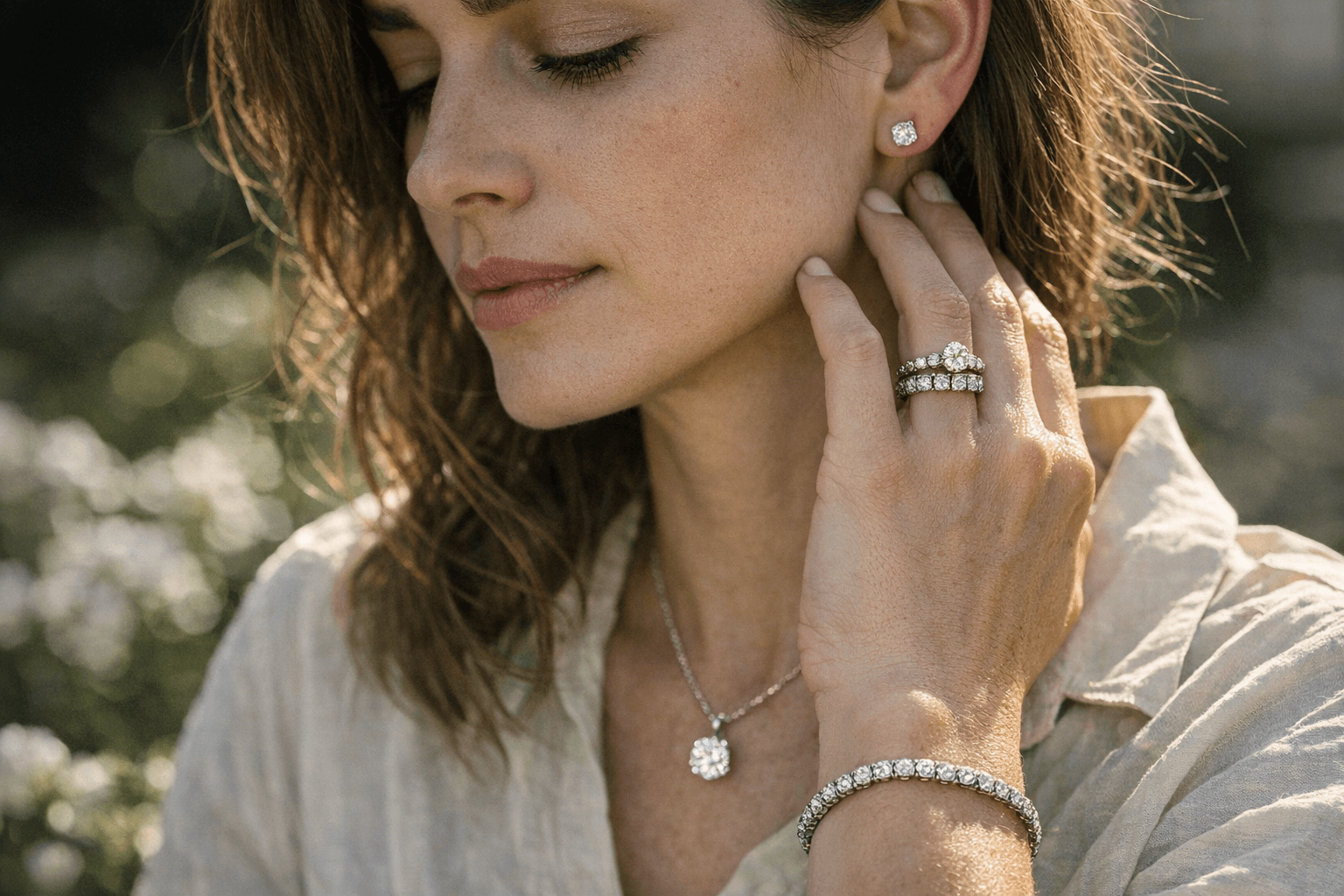
Diamond ranks 10 on the Mohs scale, and GIA describes it as the hardest natural material, 58 times harder than anything else in nature. That is the practical reason diamond has always made sense as an everyday birthstone jewel: it is not just beautiful, it is resilient.
11. Trace the stone’s older routes when provenance matters
GIA places diamond’s early trade in India as far back as the fourth century BCE, with later movement through Venice into European markets. For collectors, that history gives antique and vintage diamonds a deeper narrative, especially when the piece itself carries the marks of old-world craftsmanship.
12. Remember that the engagement-ring story begins early
The first recorded diamond engagement ring was given in 1477 by Archduke Maximilian of Austria to Mary of Burgundy. Rings that echo that lineage, whether through a single stone, a refined halo, or a poised solitaire, connect a spring purchase to one of jewelry’s most enduring customs.
13. Think beyond rings and turn to brooches
A diamond brooch can be one of the easiest vintage pieces to wear now, especially on a blazer, cardigan, or scarf. Look for compact forms, secure pin backs, and settings that keep the stones close to the metal so the piece sits neatly rather than swinging away from the garment.
14. Notice how scale changes the mood
A small diamond pendant or petite ring often feels fresher for daily wear than a large cocktail jewel, even when both are antique or vintage. The National Jeweler roundup of 18 diamond pieces makes that range clear, from understated formats to more overtly luxurious statements.
15. Use anniversary symbolism as a buying clue
Diamond marks the 60th and 75th wedding anniversaries on GIA’s anniversary list, which is one reason it still carries so much emotional weight. Vintage diamond jewelry often feels special at this level because it has already been assigned the language of milestone giving.
16. Prioritize craftsmanship over carat weight alone
A finely made older setting can make a modest diamond feel more interesting than a larger stone in a weak mount. In vintage terms, the quality of the cut, the proportion of the setting, and the elegance of the metalwork often matter as much as the stone’s size.
17. Read annual April diamond coverage as a market signal
National Jeweler’s April diamond feature is now a recurring editorial ritual, with 2025’s “Diamond Showers” followed by the April 8, 2026 roundup that gathered 18 pieces. That repetition says something useful to collectors: diamond is still the classic stone editors return to when they want to define the season’s most wearable sparkle.
18. Buy the piece that feels like it has already lived a life
The best vintage April diamond jewel does more than fit the birthstone category. It carries the trace of another era, the reassurance of durable construction, and the kind of everyday polish that lets it leave the jewelry box without ceremony.
This article was produced by Prism’s automated news system from verified source data, official records, and press releases, then run through automated quality and moderation checks before publishing. The system is built and supervised by the people who set the standards it runs under. Read our full AI policy.
Did this article answer your question?