GemGenève Grows as Vintage Jewelry Fair Blends Trade, Culture, Education
GemGenève’s 10th edition turns vintage jewelry into a living archive, pairing 249 exhibitors with talks, demonstrations, and curatorial lessons.
GemGenève as a classroom for collectors
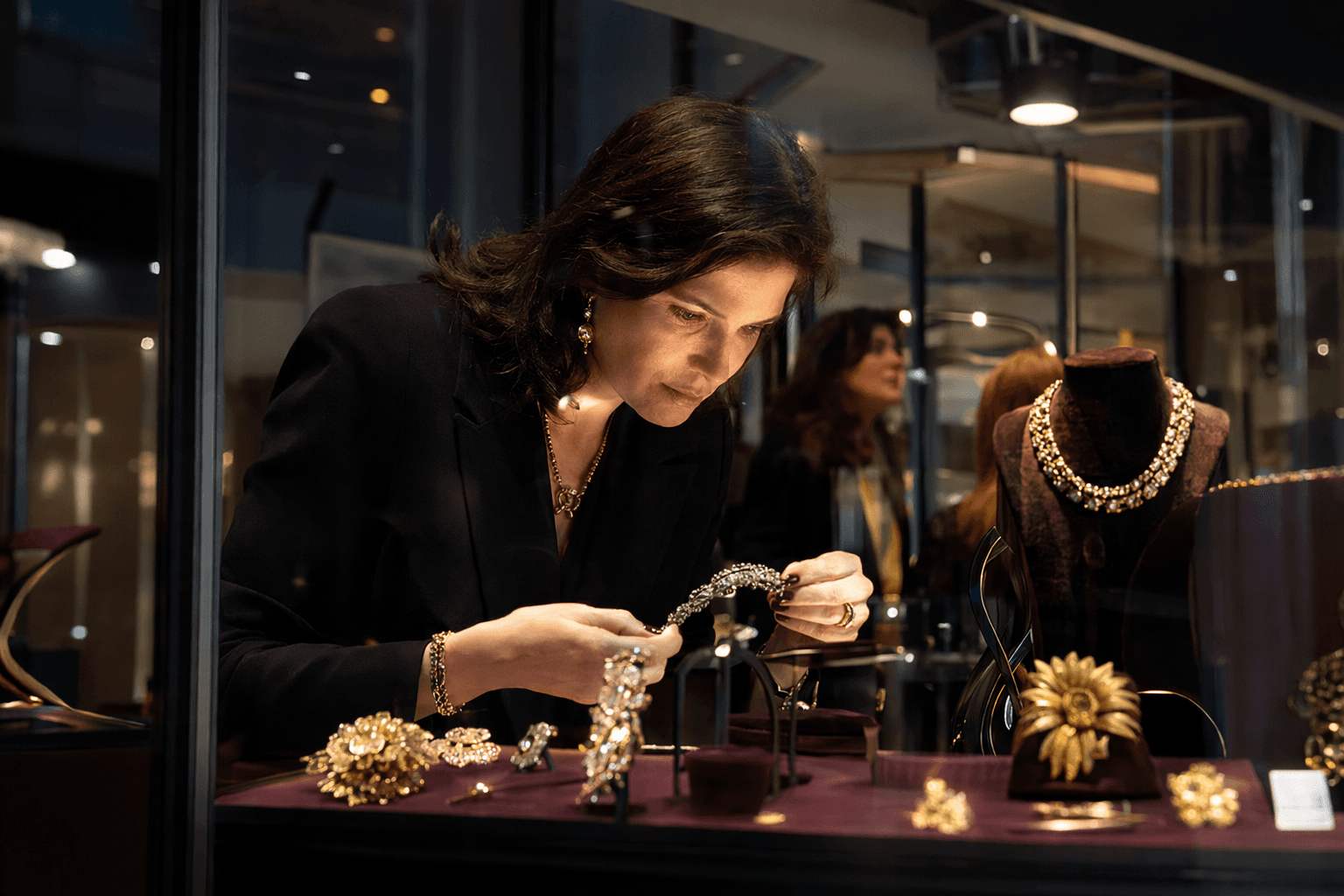
The most useful thing about GemGenève is that it treats a jewel as evidence. In its 10th edition, the fair runs May 7 to 10, 2026 at Palexpo in Geneva with 249 exhibitors, but the real draw is the way it lets you read jewelry as a record of style, craft, and provenance rather than as a simple object for sale.
That dual identity is the point. GemGenève presents itself as a trade show organized by industry insiders, yet it is equally a public-facing cultural platform, with virtual access to talks and a schedule that reaches beyond commerce. The fair describes its ambition as a hub of creativity rooted in centuries of tradition, and that combination is exactly what makes it useful to an education-minded collector.
Why the numbers matter
The scale of the fair is not just a vanity metric. Forbes reported that the 2025 edition drew 4,970 unique visitors and 7,259 admissions, a 34 percent increase over the previous year, which says something important about appetite: antique, vintage, and high-end contemporary jewelry now attracts a crowd that wants more than a display case and a price tag.
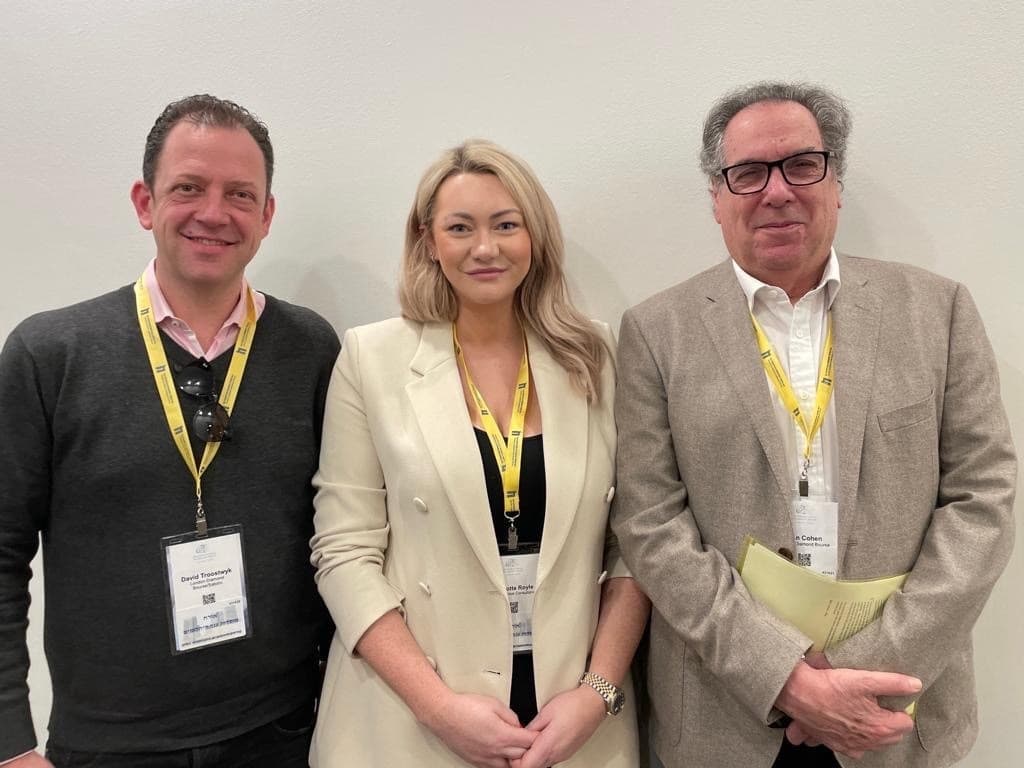
Founded by Ronny Totah and Thomas Faerber, the fair has become a fixture for traders, craftspeople, researchers, students, collectors, and enthusiasts. Thomas Faerber says professionals come for direct access to international dealers, emerging designers, museums, and collectors, while the public can move through curated exhibitions, Métiers d’Art demonstrations, and thematic talks that blend culture, history, and design. That mix makes GemGenève less a sales floor than an intellectual marketplace, where a conversation about a clasp or a signature can be as revealing as a sale.
Where connoisseurship gets sharpened
If you want to learn how jewelry history is actually built, the fair’s talks and exhibitions are where the work happens. The hybrid format matters because it lets a broader audience sit in on presentations that connect jewelry to art history and design, and not in a vague, promotional sense. The best sessions are the ones that place a jewel in context, showing how a silhouette, a setting, or a surface treatment belongs to a particular moment in visual culture.
That is especially valuable for vintage jewelry readers who want to move beyond instinct and into identification. A well-placed object can teach you how maker signatures anchor a piece in a workshop tradition, how period styling signals a date range, and how provenance becomes persuasive only when it is specific. At GemGenève, the difference between scholarship and salesmanship often comes down to whether the story can be traced through objects, not adjectives.
What to study in the vintage cases
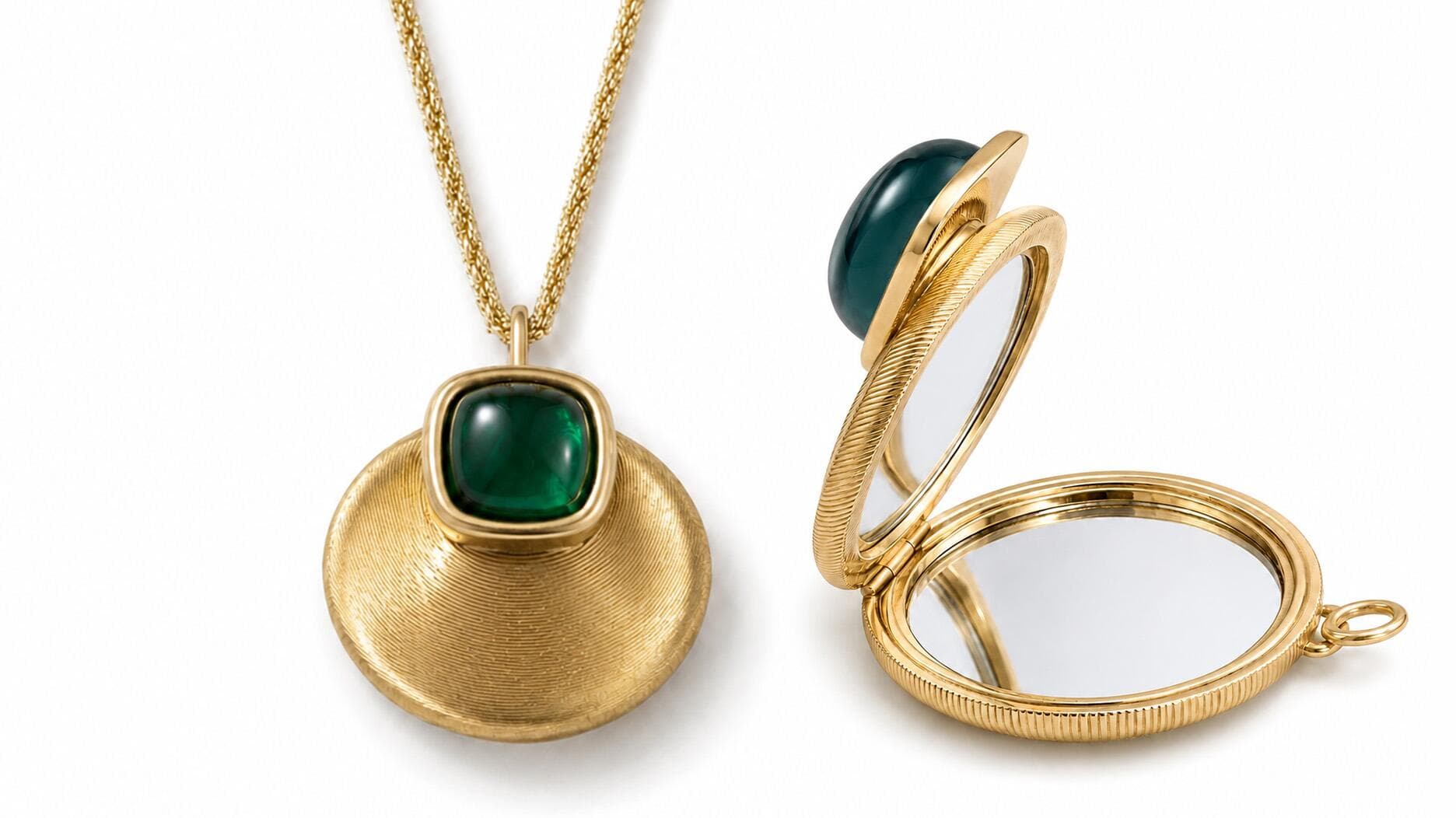
GemGenève has a strong reputation for antique and vintage jewels, and that breadth gives the fair its collector’s value. You can trace a line from early cameos through Art Nouveau and Art Deco pieces to signed 20th-century jewelry, which means the show functions almost like a crash course in taste history. For a reader trying to train the eye, that range is invaluable.
Cameos reward close looking because their value lies in carving, material, and condition. Art Nouveau pieces teach you to recognize movement, asymmetry, and natural forms translated into metal and stone. Art Deco, by contrast, sharpens the eye for geometry, contrast, and architectural control, while signed 20th-century jewels reveal how a maker’s hand can become a collecting category in itself. The fair’s long-running habit of organizing thematic exhibitions, including Art Deco-focused programming in earlier editions, shows that it understands jewelry not as a static luxury commodity, but as part of design history.
The Ukrainian presentation adds a contemporary lens
One of the most compelling presentations in 2026 comes from Strong & Precious Art Foundation, which centers its display on Ukrainian modernism and the avant-garde movements of the 1920s and 1930s. The foundation’s mission is to present the wide range of Ukrainian jewelry designers and introduce them to industry professionals, media, and the public, and that mandate gives the fair an important contemporary edge.
The significance here is not only national, but stylistic. By drawing a line from historical avant-garde art to contemporary jewelry, the presentation shows how visual language migrates across decades and disciplines. For a collector, that is a reminder that modern jewelry does not emerge in a vacuum. It is shaped by the same forces that animate painting, architecture, and graphic design, and GemGenève is one of the few fairs where that relationship is given room to breathe.
How to separate scholarship from salesmanship
The easiest way to read GemGenève well is to pay attention to what is being documented, not merely displayed. A serious talk will usually name a period, a maker, a movement, or a workshop tradition, and it will connect those claims to objects you can inspect. A weaker pitch will lean on mood, rarity, or glamour without showing how the piece actually fits into history.
The fair’s strength lies in that distinction. Because it is built around antiques, vintage jewels, and high-end contemporary work, it rewards visitors who look for evidence in construction, signature, and style. A piece that can be placed within a historical lineage carries a different kind of authority from one that simply looks expensive.
Why GemGenève keeps growing
The fair’s growth is not accidental. Its 2025 attendance surge suggests that collectors, students, and dealers alike are looking for a place where jewelry can be studied with seriousness and pleasure at the same time. GemGenève gives them that space, and it does so in a city that already understands the language of luxury, expertise, and international exchange.
For the vintage-jewelry reader, the lesson is clear. GemGenève is most valuable when it is treated as a field guide in real time, a place to compare period styles, inspect signatures, hear scholars and makers frame their arguments, and watch provenance become something more than a slogan. At its best, it teaches you to read jewelry the way an archivist reads paper, by noticing what the object has kept, and what it quietly reveals.
This article was produced by Prism’s automated news system from verified source data, official records, and press releases, then run through automated quality and moderation checks before publishing. The system is built and supervised by the people who set the standards it runs under. Read our full AI policy.
Did this article answer your question?