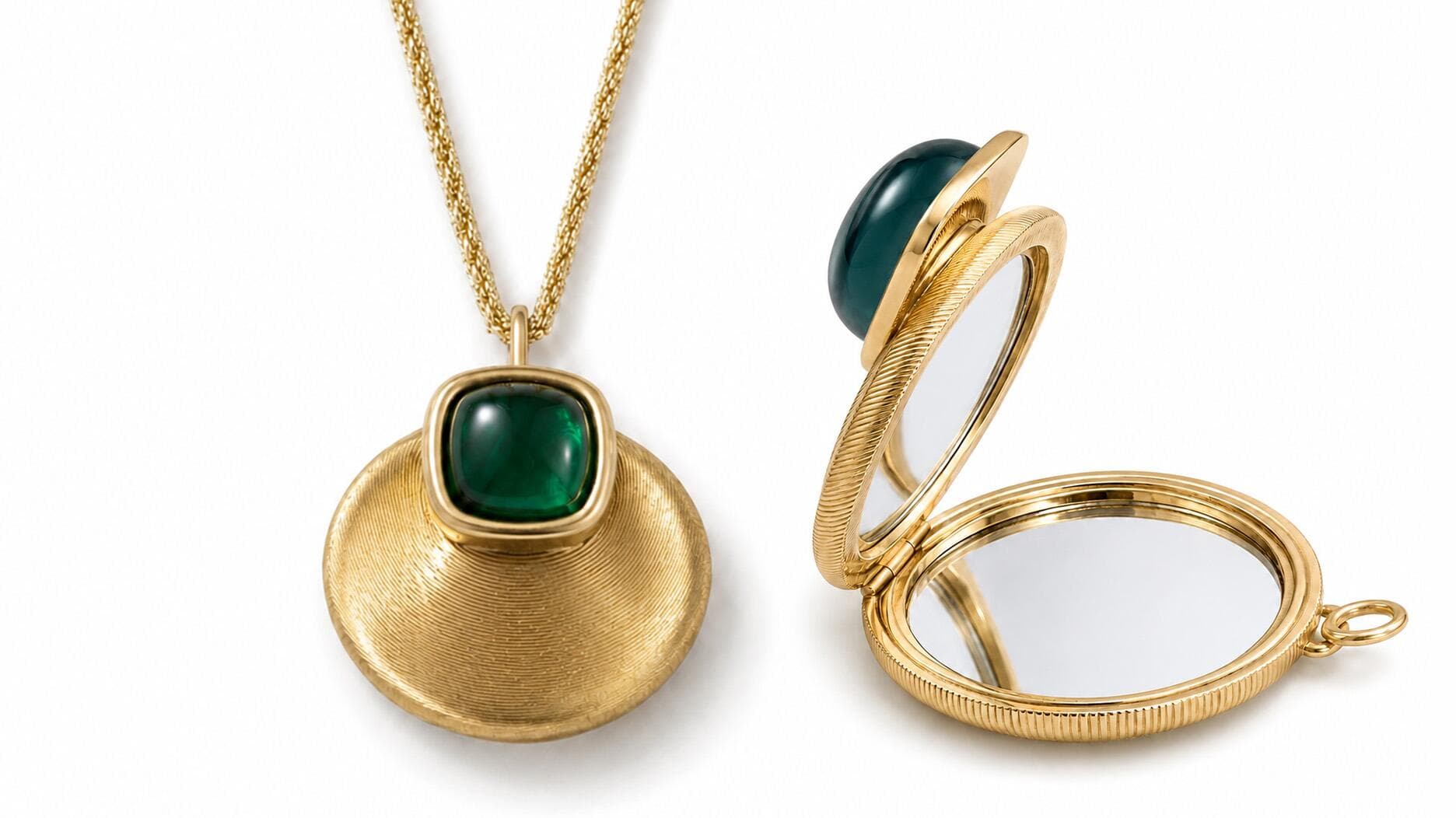
Homes & Gardens Spotlights May Antique Fairs Where Vintage Jewelry Surfaces
A brooch is a small archive, and May’s antique fairs are where maker marks, old cuts, and signed pieces surface fastest.
May’s most useful jewelry hunt starts outdoors
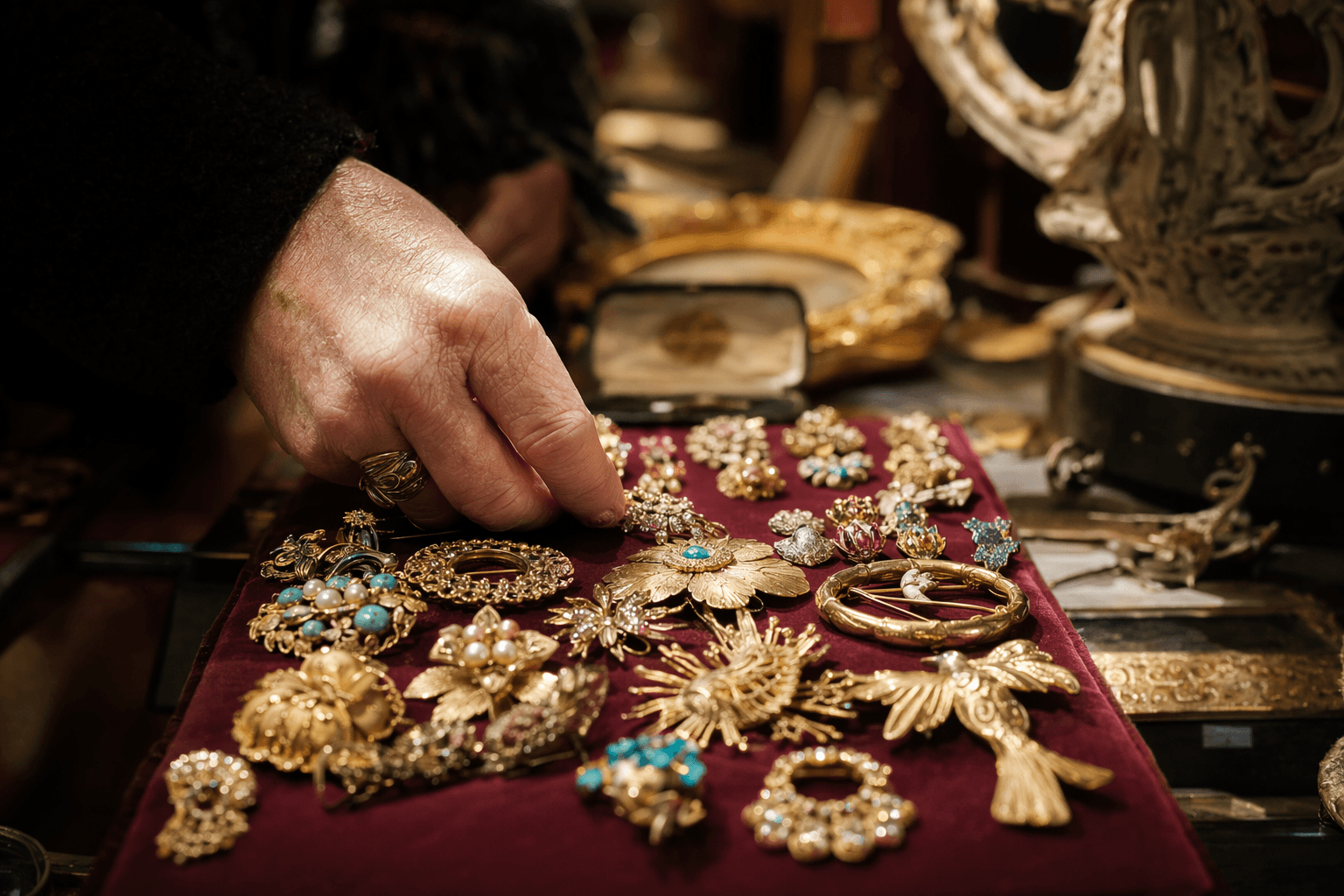
A good vintage piece gives itself away in the smallest places: the clasp, the hinge, the tiny stamp inside a ring shank, the weight of a pearl strand against the hand. May is the month when those details turn up in quantity, because the antique calendar is crowded with outdoor fairs, sprawling flea markets, and trade events where jewelry sits beside furniture, textiles, and everything else collectors dig through for clues.
Homes & Gardens frames May as a strong month for this kind of shopping, and the timing makes sense. Many of the fairs mix collecting with food or live music, which means the hunt feels social, but the real draw is practical: more dealers, more turnover, and more chances to find signed estate pieces, brooches, old diamond cuts, pearl necklaces, and 1970s gold before they disappear into private hands.
Brimfield is the place for the widest sweep of estate material
Brimfield Antique Shows in Brimfield, Massachusetts, runs May 12 to 17, 2026, from 9:00 a.m. to 5:00 p.m., and its reputation as America’s oldest outdoor antique market still matters. That scale is exactly why jewelry buyers should take it seriously: when a market is this large, estate dealers, general antique sellers, and pickers all show up with different levels of knowledge, which creates openings for a sharp eye.
At Brimfield, the best strategy is early arrival and a slow first pass. Outdoor booths are vulnerable to sun, dust, and handling, so check for worn prongs, bent pin backs, cloudy stones, replacement clasps, and hairline cracks in glass or paste before you fall for the sparkle. For vintage jewelry, especially brooches and older necklaces, look where the object keeps its evidence: the reverse side, the clasp, the safety catch, the solder points, and any maker’s mark hidden where the piece closes.
Chicago’s Randolph Street Market leans fashion-forward
Randolph Street Market Festival in Chicago opens its 2026 season May 23 and 24, 2026, from 10 a.m. to 5 p.m., with more than 200 dealers and a mix of art, antiques, vintage, decor, fashion, jewelry, food, and music. That blend makes it one of the best May stops for costume jewelry and statement pieces that can live in a wardrobe as easily as a display case.
This is the market where a strong vintage brooch, a chunky signed necklace, or a well-preserved cocktail ring can stand out against more decorative stock. Shop it differently from Brimfield: look for construction first, sparkle second. Rhinestones should sit evenly in their settings, enamel should not feel chalky or over-restored, and a true vintage clasp will usually feel sturdier and less generic than the smooth, mass-made hardware used on many modern reproductions.
The Rose Bowl is the giant field where patience pays off
The Rose Bowl Flea Market in Pasadena says it has more than 2,500 vendors and takes place the second Sunday of every month. That kind of scale can feel overwhelming, but for jewelry buyers it is also the point: when a market is that vast, the odds of finding estate pieces, mixed lots, and overlooked costume jewelry rise with the number of stalls.
Treat the Rose Bowl as a layered search. Start with the dealers who specialize in small objects, then circle back for the booths that look less curated, because the best jewelry is often tucked into trays beside watches, vanity items, and loose accessories. Watch for signs of originality in materials, not just style: old cut stones may have a softer, candlelit faceting pattern than modern replacements, and older gold often carries a different heft and wear pattern than newer, lighter pieces.
Long Beach is a practical stop for value and estate browsing
The Long Beach Antique Market runs the third Sunday of each month, with admission at $10 general or $15 for early admission, and free parking. That combination makes it especially useful for buyers who want a serious search without the logistical strain that can come with larger destination fairs.
Long Beach is a smart place to hunt for estate jewelry in mixed-condition lots, where a dealer may be moving several categories at once rather than presenting a tightly edited collection. Early admission is worth it here because the strongest pieces often leave first, but even later in the day you can still find useful material if you know what outdoor conditions can do to jewelry: watch for verdigris on base metals, loosened stones from heat exposure, tarnish that may obscure a maker’s mark, and repairs that were done to keep a piece saleable rather than original.
For fine jewelry, the trade show is the most focused stop
The Las Vegas Antique Jewelry & Watch Show runs May 28 to 31, 2026, at The Wynn Resort in Las Vegas, and Jewelers of America describes it as the largest trade-only event serving the antique and estate jewelry and watch industry, with nearly 400 exhibitors. If the outdoor fairs are about discovery, this is about concentration: the room is built for antique and estate jewelry buyers, dealers, and collectors who want to compare signatures, periods, and condition across multiple cases.
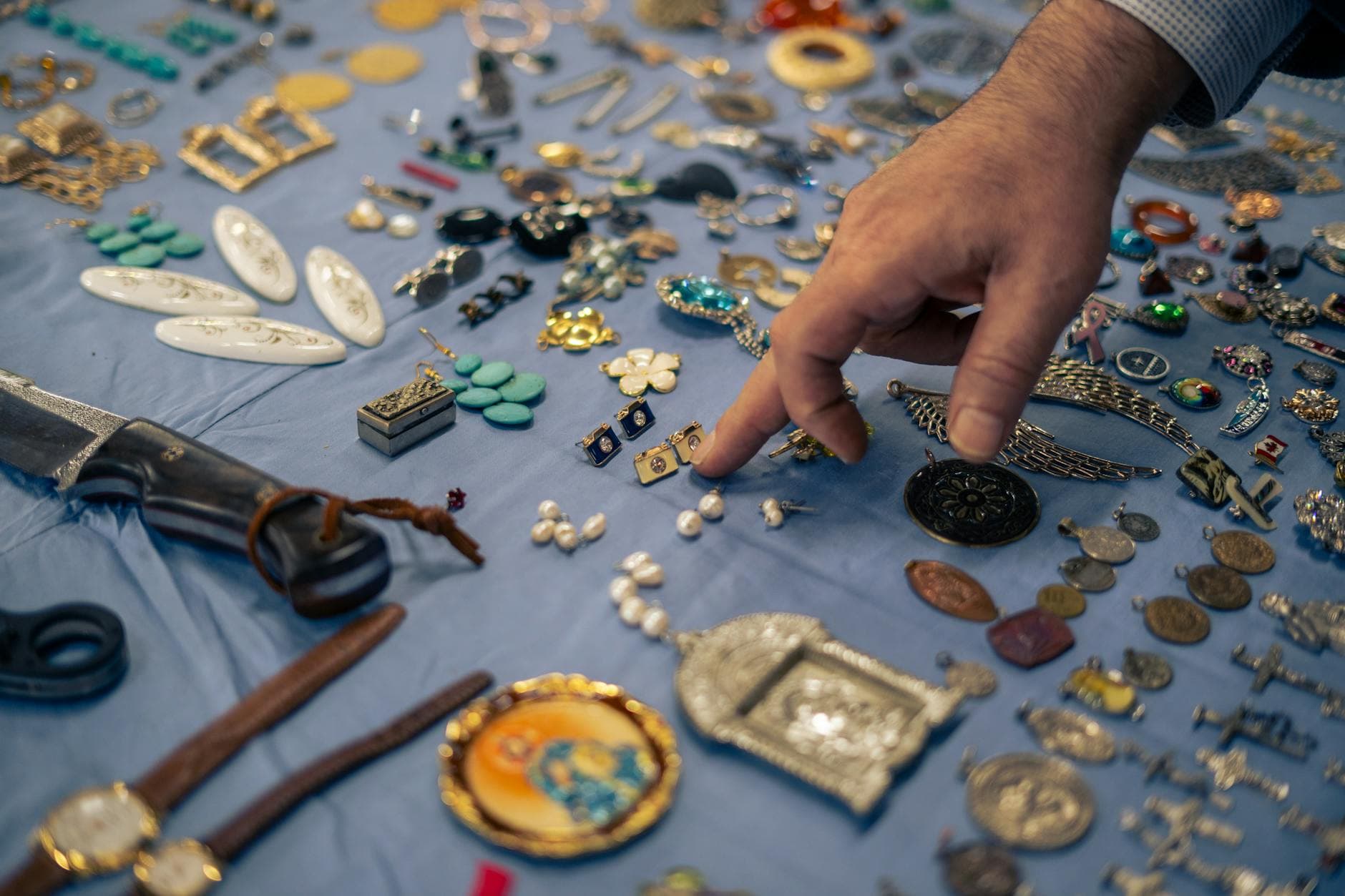
This is the best May venue for readers looking for signed pieces, high-grade estate jewelry, and better-documented watches. It is also the easiest place to ask serious questions about provenance, repairs, and any paperwork that travels with the piece. For diamonds and colored stones, ask what has been replaced, what has been reset, and whether a modern stone has been inserted into an older mounting, because the mounting may be antique even when the stone is not.
Why vintage jewelry feels newly central now
JCK has been blunt about the momentum: antique and vintage jewelry is having a moment in 2026. It pointed to nearly 7,000 attendees at the November NYC Jewelry, Antique, & Object Show, a number large enough to force organizers to add a January edition, and linked the surge to the Taylor Swift effect, Gen Z’s thrift-first mentality, the continuing brooch trend, and tariff pressure pushing shoppers toward resale and secondhand luxury goods.
That matters on the ground at May fairs because the market is no longer just about decor collectors. The same forces driving fashion resale are pulling more people toward signed brooches, old-cut diamonds, and estate gold, which means the most desirable pieces are being recognized faster than they used to be. The advantage now belongs to the shopper who can decode a clasp, read a hallmarked edge, and tell the difference between a true period piece and a reproduction dressed up as vintage.
How to shop each market with a jeweler’s eye
The best May route depends on what you want to bring home.
- For fine jewelry, prioritize the Las Vegas Antique Jewelry & Watch Show, then use Brimfield and the Rose Bowl for broader estate discovery.
- For costume jewelry and fashion pieces, Randolph Street Market is the sharpest bet because jewelry sits alongside fashion and decor, where styling and era overlap.
- For estate finds with room to negotiate, Long Beach and Brimfield reward patience, especially when you inspect the backs, clasps, and settings instead of the front view alone.
- For any outdoor market, arrive early, carry a loupe if you use one, and check pieces in natural light before dust, glare, or a polished display case hides the flaws.
A piece that survives decades of wear should look like it has lived, not like it was manufactured yesterday to imitate age. The most convincing vintage jewelry carries the evidence of its making in the places the seller cannot easily stage: the clasp that opens with a little resistance, the stamp tucked inside a band, the patina that settles into recesses rather than floating evenly across the surface. May’s fairs reward the buyer who reads those details first, because in this market, authenticity is rarely loud. It is built into the small, surviving marks.
This article was produced by Prism’s automated news system from verified source data, official records, and press releases, then run through automated quality and moderation checks before publishing. The system is built and supervised by the people who set the standards it runs under. Read our full AI policy.
Did this article answer your question?