How to redesign heirloom jewelry, preserve memories and value
A drawer-bound heirloom can become a new ring, a pendant, or a family relic kept intact if you know what to save before the first cut.
Start by reading the piece, not remaking it
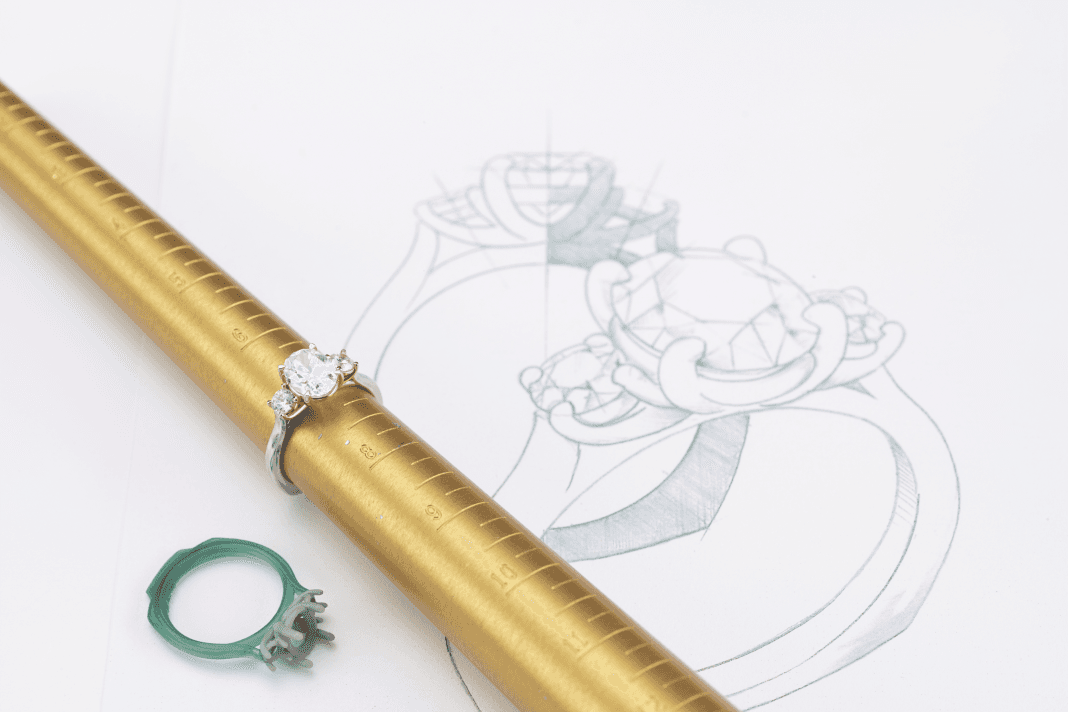
An heirloom ring tucked in a drawer, a brooch sleeping in a bank vault, a necklace never worn from a jewelry box, all of them are small archives. Before you imagine a new silhouette, look closely at what you already have: the stones, the metal, the clasp, the setting, and the marks that can tell you what should stay untouched. GIA points out that people often rethink these pieces because fashions have dated, damage has made them impractical, or they simply want something more wearable while keeping a loved one close.
The first decision is not design, it is diagnosis. If you do not know a piece’s historical or monetary value, GIA advises taking it to a jeweler or appraiser before you alter anything. That single step can protect both sentiment and resale value, especially when the piece may be antique, vintage, or simply more significant than it looks.
Learn what the piece is before you decide what it can become
The jewellery world uses its own calendar. The Jewellery Editor defines antique jewelry as more than 100 years old, vintage as more than 20 years old, and estate jewelry as any piece that belongs to someone’s estate, whether modern or antique. That distinction matters because age often shapes both craftsmanship and value. Fine antique jewelry has become increasingly sought-after precisely because of its workmanship and the rarity of seeing the same piece on someone else.
Look for the details that reveal a piece’s identity: hallmarks, maker’s marks, evidence of hand-finishing, and the style of the setting. A hand-cut stone in a delicate old mount tells a different story from a later replacement stone in a repaired shank. If the workmanship is especially fine, the safest choice may be to preserve the piece as is, clean it carefully, and wear it with minimal intervention.
Choose preservation when the history is the point
Some jewelry should remain intact because the original design is the appeal. That is often true when the piece is an antique with strong craftsmanship, when it carries clear family provenance, or when its proportions and setting are part of its identity. A brooch with original pin hardware, an old mine-cut diamond in a period mount, or a filigree ring with crisp handwork can lose much of its character if overworked.
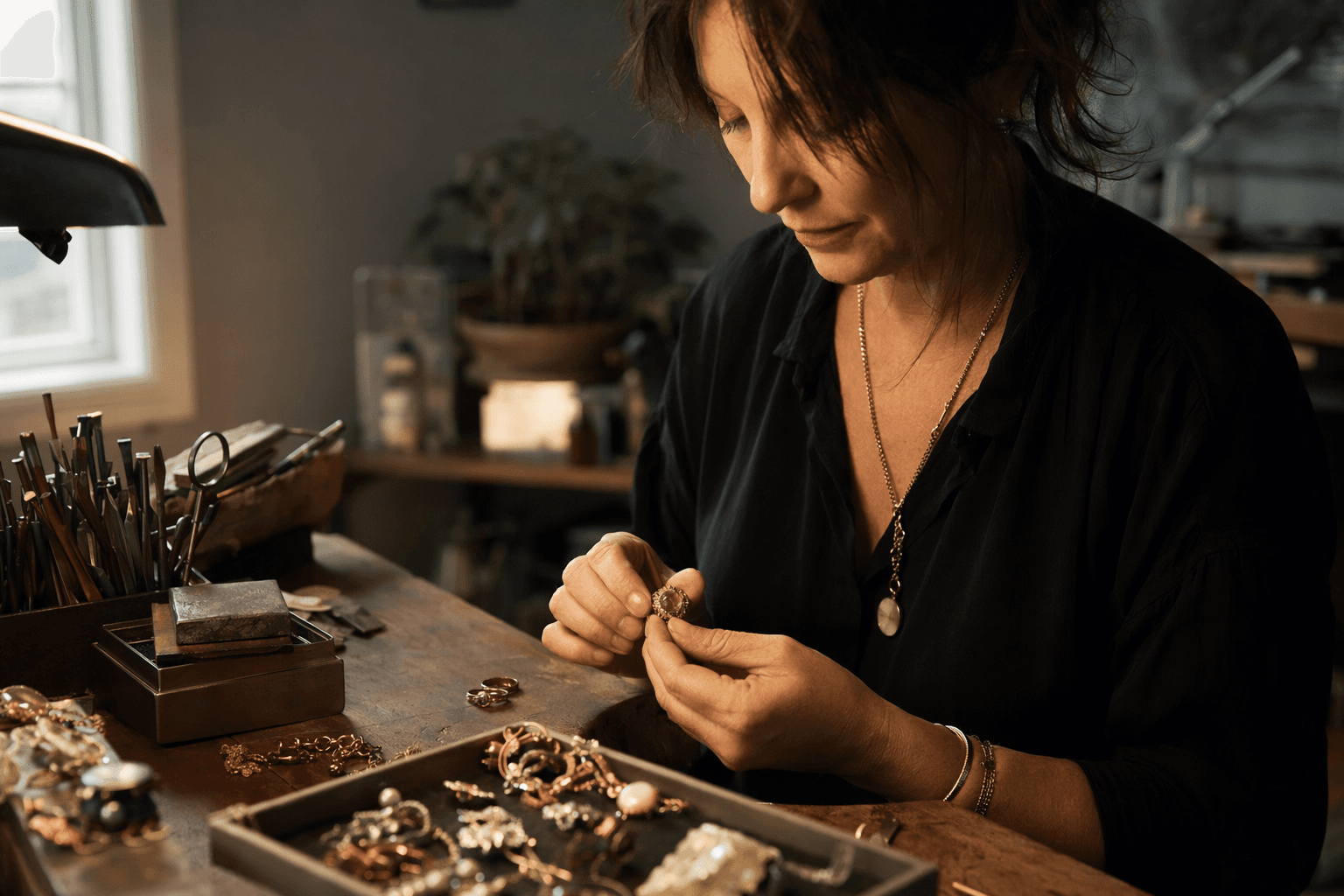
Preservation does not mean inaction. It can mean sizing a ring discreetly, reinforcing a weak clasp, or replacing only what is necessary to make the piece safe to wear. The goal is to keep the object legible as itself, so the next generation sees not a generic jewel, but the same object that once lived in another era.
Use partial reuse when the most valuable elements deserve a second life
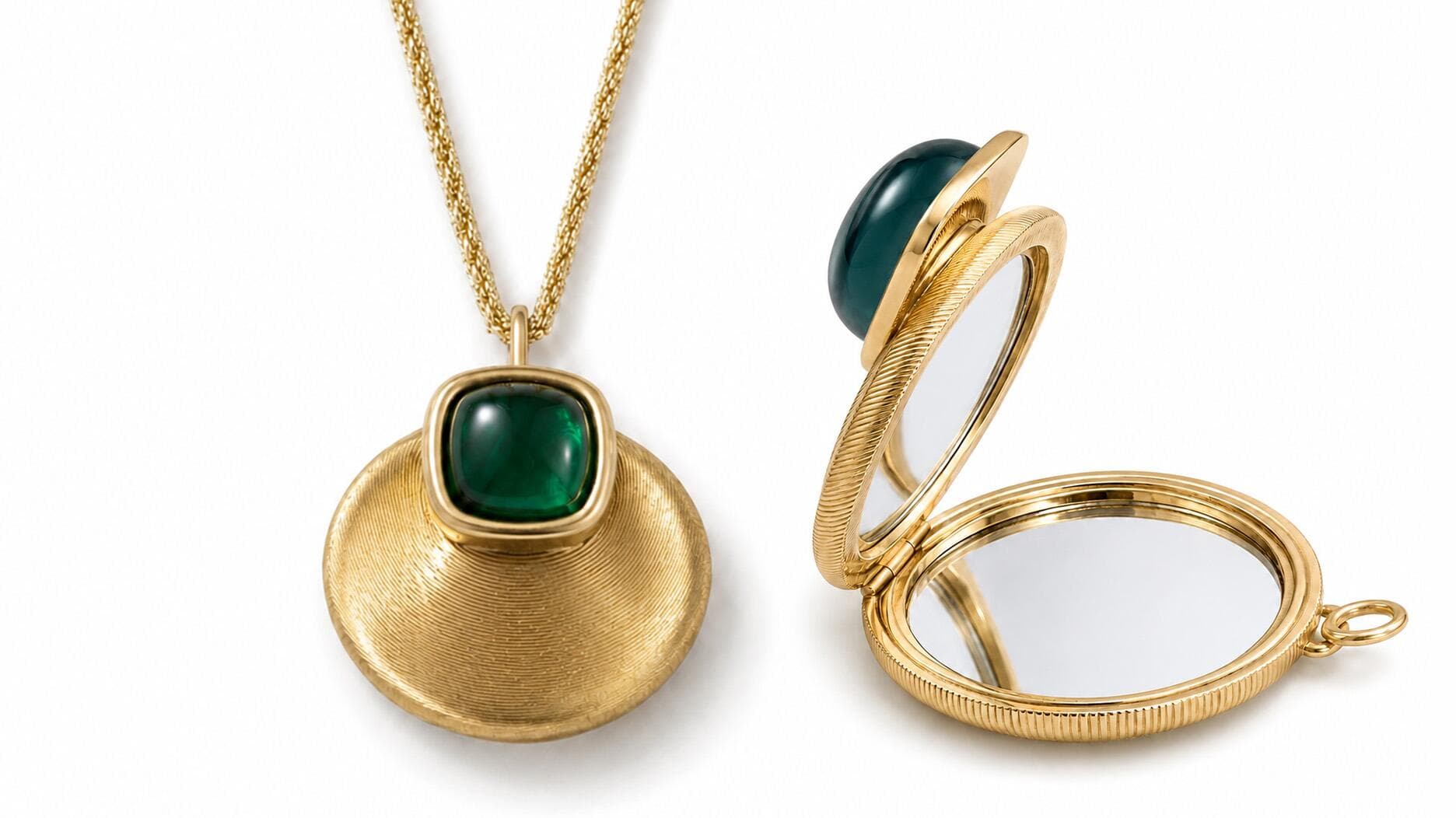
GIA’s most practical advice is to think component by component. A necklace can become a bracelet. A brooch can be reset as a pendant or even adapted as a hair ornament. Larger stones can be divided into smaller jewels, and diamonds from several rings can be combined into one new piece that feels more current without discarding the original material.
This approach is especially intelligent when the stones are strong but the mount is not. A cracked setting, an outdated cluster, or a cocktail ring too large for daily life may not justify complete preservation, yet the diamonds or colored stones inside may be perfect candidates for a new design. Partial reuse lets you keep the important substance while shedding the parts that no longer serve you.
- Save the best stones first.
- Keep original findings if they can be reused safely.
- Ask whether any part of the original silhouette has sentimental weight before it is removed.
- Photograph the piece from every angle before it goes to the bench.
Redesign fully when wearability, damage, or personal style demand it
There are times when a full redesign is the most respectful option. GIA notes that pieces often remain unused because they are too dated, too damaged, or simply too difficult to wear. In those cases, the right transformation can make the jewelry alive again instead of locked away.
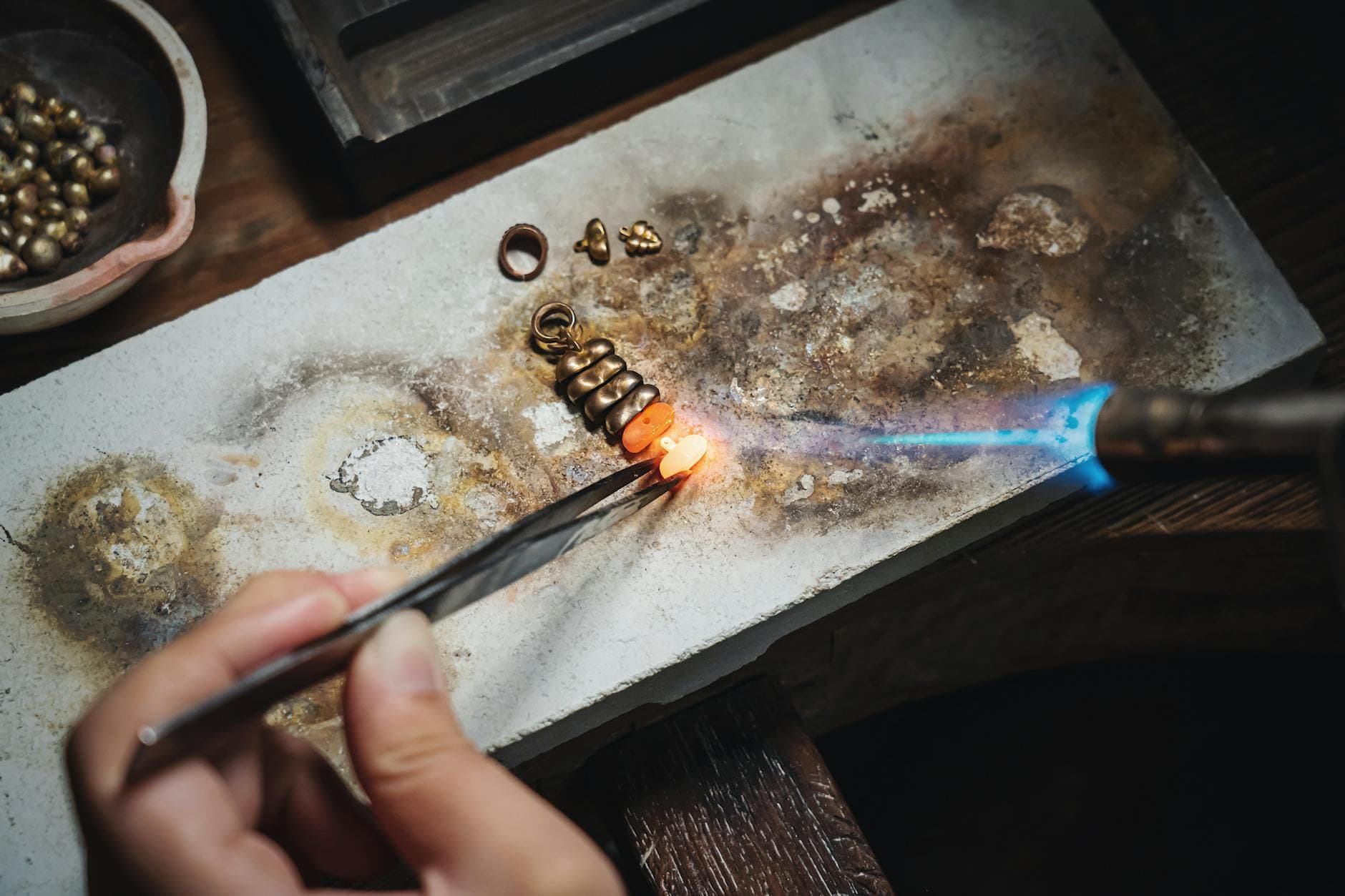
A colorless diamond in platinum or white gold can be recast into a more contemporary setting that better suits today’s wardrobe. A large inherited ring can become a pendant. A cluster of older stones can be reset into a cleaner line that feels less formal and more personal. The point is not to erase the past, but to shape it into something that fits the present.
The sustainability case for redesign is no longer theoretical
De Beers launched ReSet on October 5, 2020 as a sustainability-focused jewelry design initiative, and its first ReSet Collective brought together Jade Trau, Jennie Kwon, Julez Bryant, Sara Weinstock, and Zoë Chicco. The designers traveled to Botswana and later created one-of-a-kind pendant pieces incorporating De Beers diamonds, with proceeds donated to charity. That project made an elegant argument: redesign can be both creative and responsible.
The same idea shows up in the market. In 2022, Forbes reported that Chelsey Bartrum’s Heirloom Revival was created to help customers repurpose old jewelry into new pieces, including engagement rings, at a moment when many people no longer have a family jeweler to call. Her business verifies whether materials can be reused before work begins, a practical safeguard that keeps sentiment from being sacrificed to impulse. Forbes also noted that her main brand, Starling, was bringing in more than $1 million annually, which underscores how much demand there is for this kind of careful reinvention.
A simple framework before you hand the piece over
Start with three questions: what is worth keeping, what is safe to alter, and what should never be touched? That means separating the piece into categories before you speak about design.
1. Inventory the object. Note the stones, metal, hallmarks, clasps, and any visible repairs.
2. Decide what carries the story. It may be the center diamond, a hand-engraved shank, a particular brooch back, or the exact outline of the original piece.
3. Get an appraisal if the value is unclear. GIA is explicit on this point, and it is the best defense against accidental loss.
4. Consider reuse options. Stones can be reset, findings can be reused, and larger pieces can be broken into smaller jewels.
5. Only then choose the level of intervention: preserve, partially reuse, or fully redesign.
The best heirloom redesigns do not flatten memory into trend. They make room for the original object to remain visible, even when it has been given a new form. When the process is handled with care, the result is not a replacement, but a continuation, one that lets history stay wearable.
This article was produced by Prism’s automated news system from verified source data, official records, and press releases, then run through automated quality and moderation checks before publishing. The system is built and supervised by the people who set the standards it runs under. Read our full AI policy.
Did this article answer your question?