How to spot vintage jewelry value, marks, condition, and price
A vintage jewel tells you its value in three places: the mark, the wear, and the sold price. Read those first, and the wrong piece stops looking like a bargain.
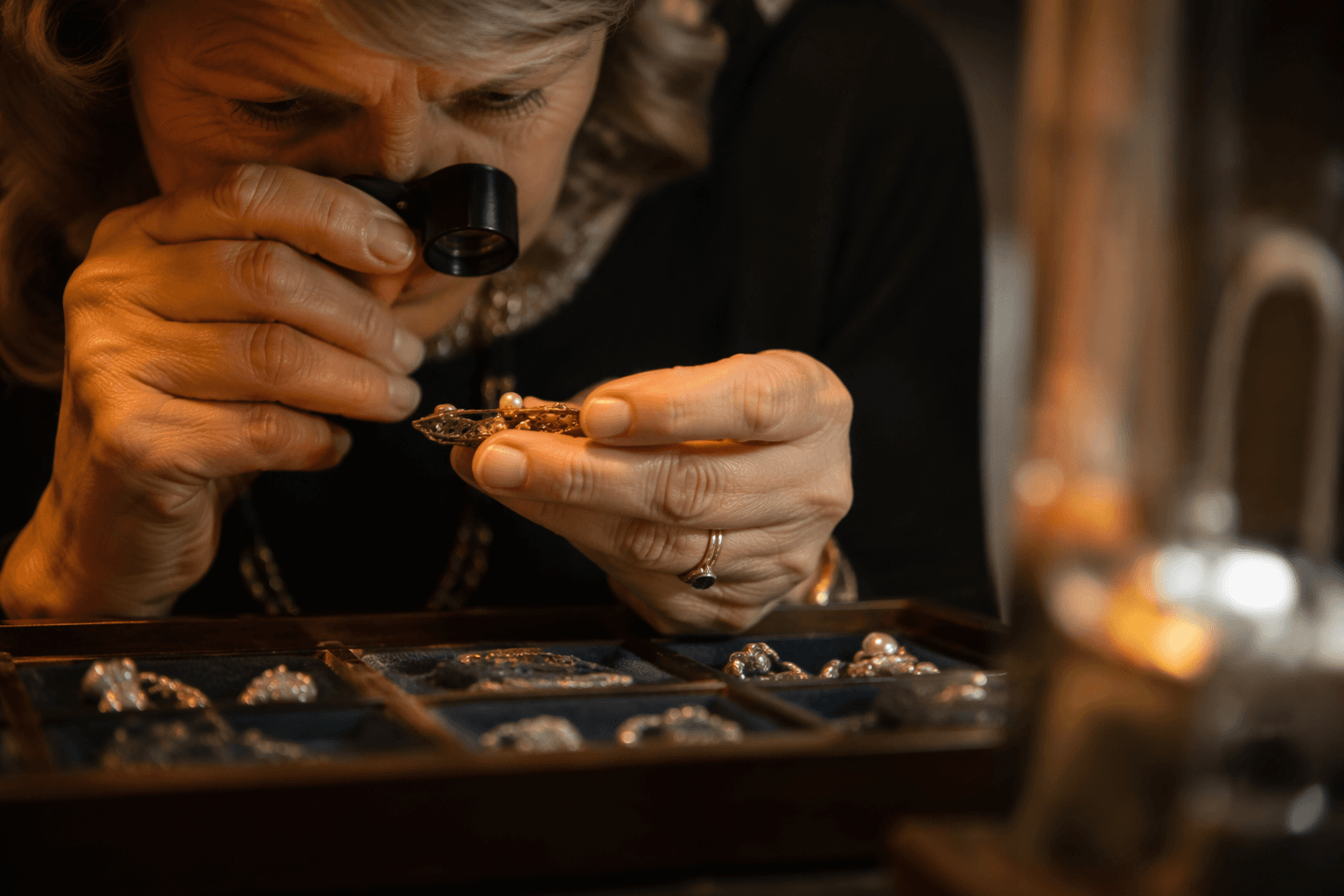
In a tray of tangled chains, a brooch can hide its maker’s mark on the back, wear in the clasp, and its real price in sold comparisons rather than on the ticket. Before you fall for sparkle, look for the maker’s mark, judge the condition, then compare what similar pieces have actually sold for.
Start with the mark, not the shine
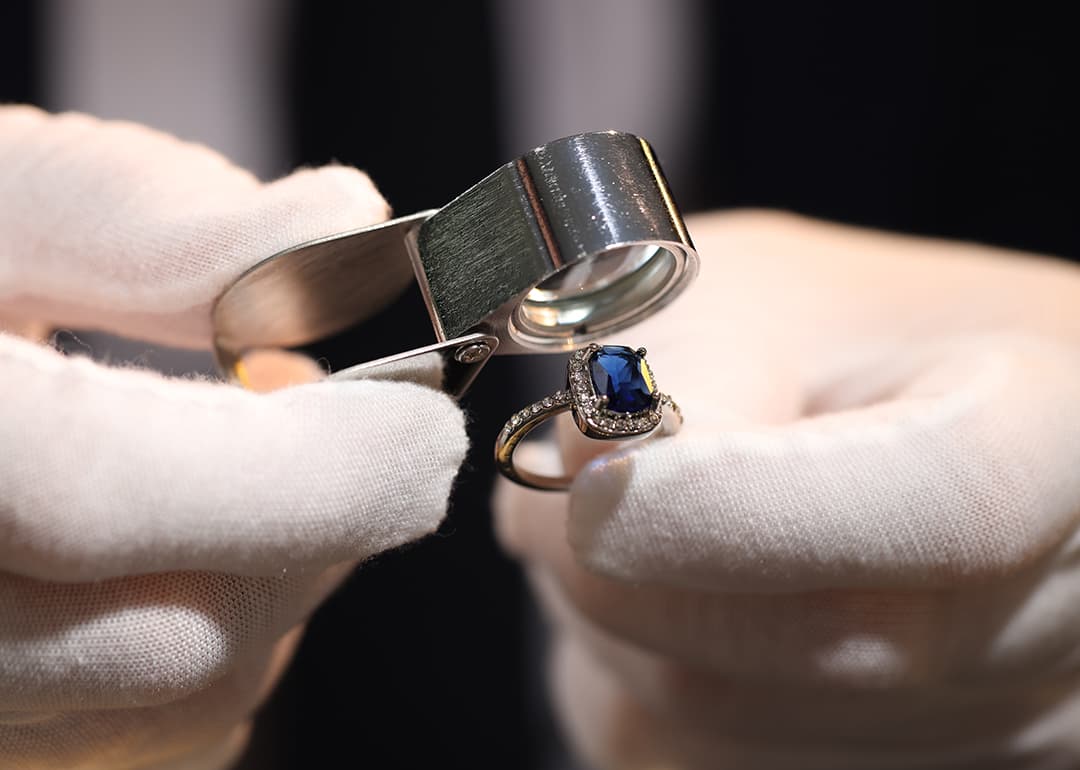
Hallmarks and maker’s marks are the quickest filter between a promising find and costume dead end. On vintage jewelry, the stamp may be tiny, soft from wear, or tucked into an unexpected place such as a clasp, pin stem, foldover catch, or the inside of a ring shank. A clear signature can lift a mid-century clip from generic to collectible in a single glance, while a plausible gold stamp on a chain can mean very different things depending on whether the link structure is solid, hollow, or plated.
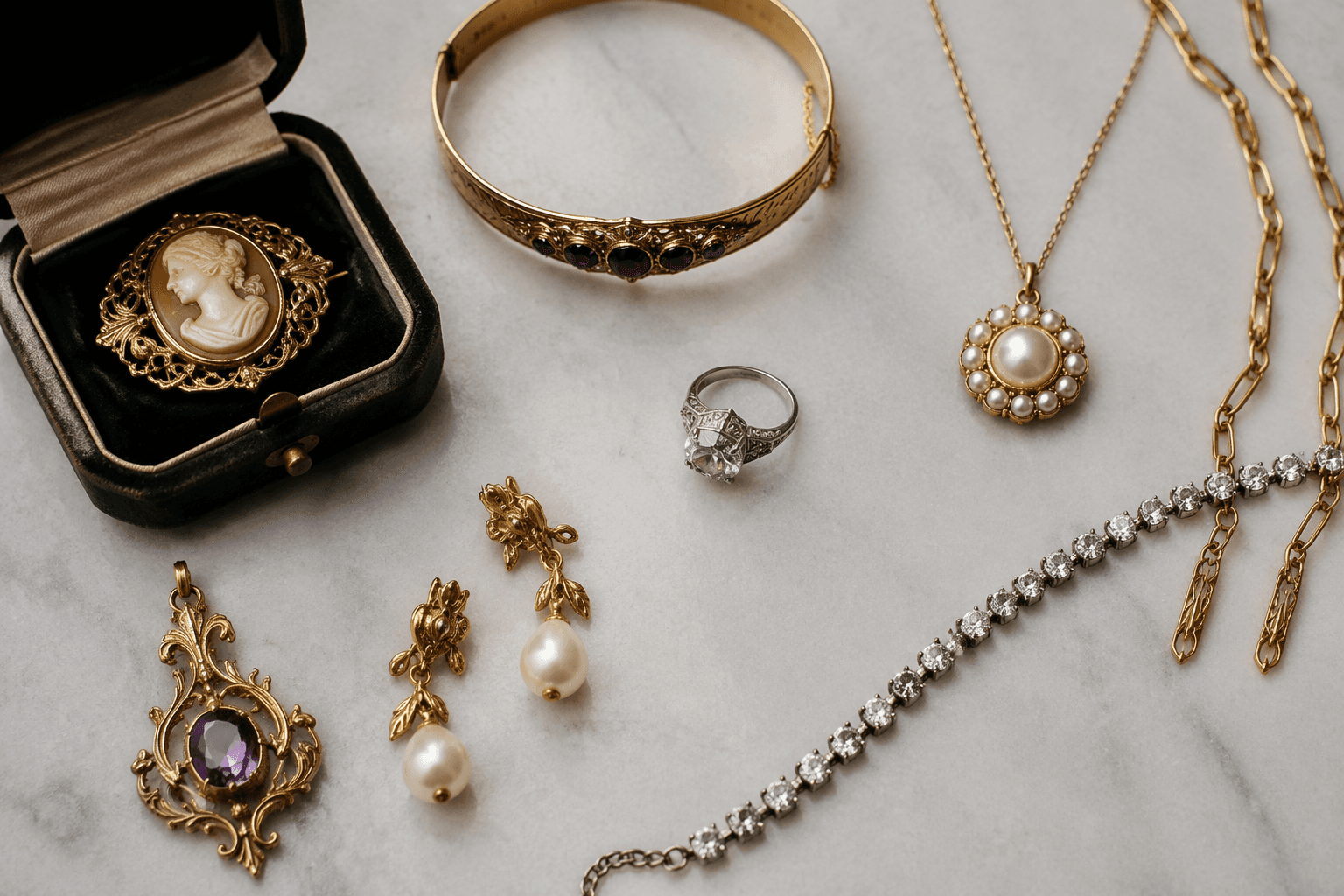
A Victorian brooch may be unsigned yet still show the hand-built clues that place it in period: a pin-and-paste body, older findings, or visible repair where later owners strengthened a clasp. A signed mid-century clip often depends on the name on the back as much as the design on the front, because signature and period together can anchor value. An unmarked gold chain demands even more caution, since a warm color alone does not prove karat content; the clasp, end ring, and wear at the links tell a deeper story than the sheen.
Condition changes value faster than almost anything else
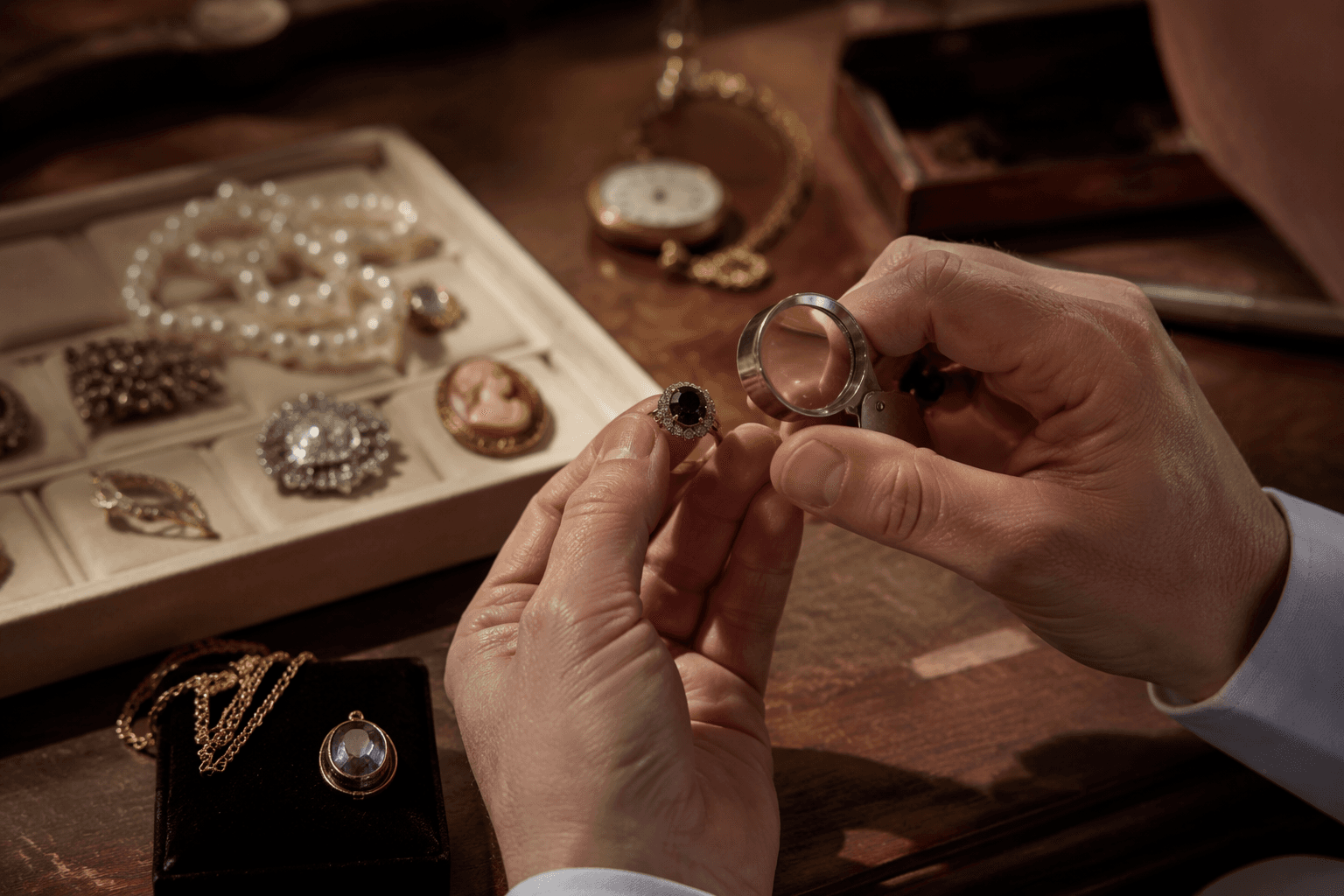
Condition is where many buyers overpay by appraising too broadly. A jewel can be old, attractive, and still lose value if prongs are thin, stones rattle, hinges sag, or a clasp has been replaced with a modern part that breaks the original construction. Appraising jewelry requires gemological and appraisal training and a thorough understanding of how jewelry is made, and that is exactly why construction details matter in the field.
On a Victorian brooch, look for bent pins, cracked enamel, missing seed pearls, solder repairs, and evidence that the piece has been polished so hard that detail has softened. On a signed mid-century clip, test the clip tension and check whether the mechanism closes firmly, because a beautiful signed back means less if the fastening no longer works as designed. On an unmarked gold chain, watch for stretched links, worn solder points, and clasp replacements, since a chain that looks heavy may have hollow sections or later repairs that change both durability and value.
Use appraisals from professional, independent appraisers when condition is complicated. A seller’s opinion can help you understand the story they want to tell; it cannot replace an independent assessment when a piece shows age, repair, or mixed-era parts. GIA does not perform appraisals; a laboratory report independently confirms the quality characteristics that determine value.
Compare sold prices, not asking prices
The third check is price, but only if you compare the right numbers. Sold comps, not active listings, show what buyers have actually paid for similar pieces with the same maker, similar era, comparable condition, and comparable size. A Victorian brooch with original stones and a visible period clasp should not be measured against a modern reproduction with the same general shape, and a signed clip in excellent condition should not be priced off an unsigned pair with worn clips and replaced stones.
If you treat all gold chains as interchangeable, you miss the difference between a solid vintage link chain and a later plated or hollow example. If you treat all brooches as decorative metal, you miss the market premium that often attaches to a documented maker, original findings, or period-specific craftsmanship. If you treat all signed clips as equal, you ignore condition, rarity, and whether the signature actually belongs to the design era you think you are buying.
Why provenance and era still matter
Vintage jewelry is not priced by metal weight alone. GIA has archival research on European royal jewel sales and other history-related jewelry topics. Provenance and design history can materially affect value. A piece tied to a particular maker, moment, or ownership history can move well beyond what its gold, silver, or stones would suggest on scrap terms.
A brooch that feels distinctly Victorian because of its construction and motif can carry more weight than a similar-looking later reproduction. A mid-century clip with a recognized signature may be worth far more than an unsigned cousin from the same decade. An unmarked gold chain can still be valuable, but only if its construction, wear, and test results support what the eye hopes to see.
Tenoris put U.S. jewelry market growth at 5.6% in 2025.
This article was produced by Prism’s automated news system from verified source data, official records, and press releases, then run through automated quality and moderation checks before publishing. The system is built and supervised by the people who set the standards it runs under. Read our full AI policy.
Did this article answer your question?