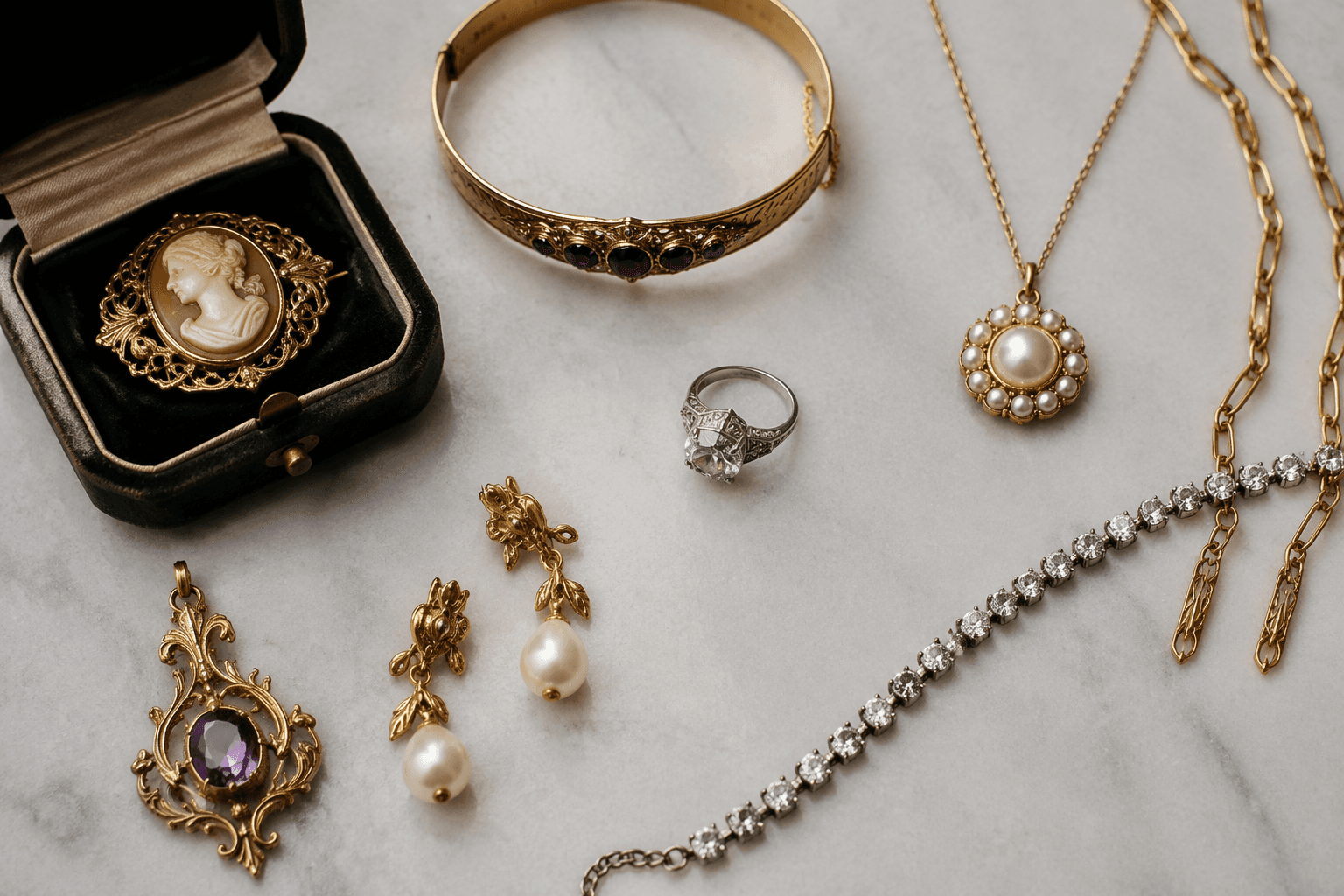
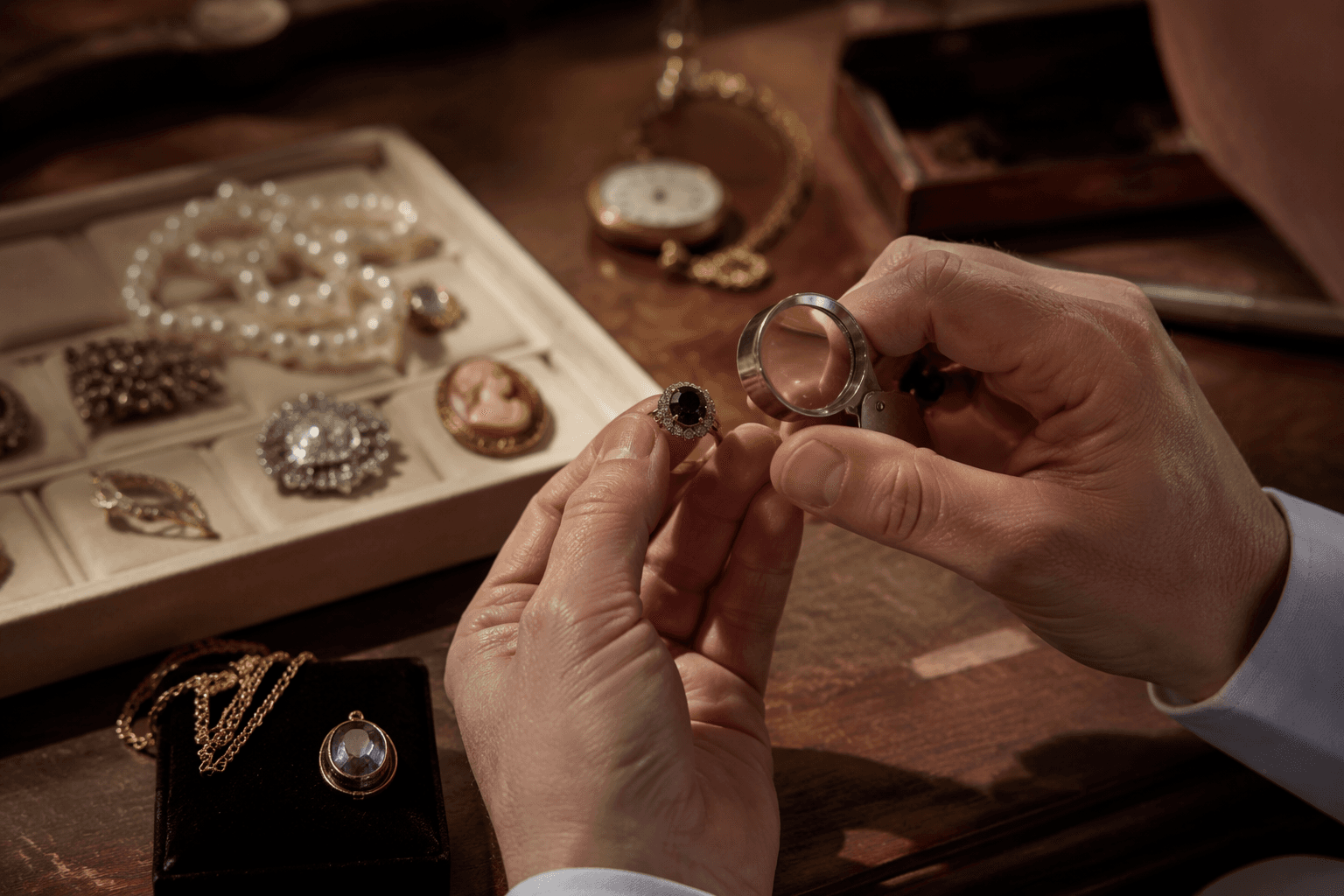
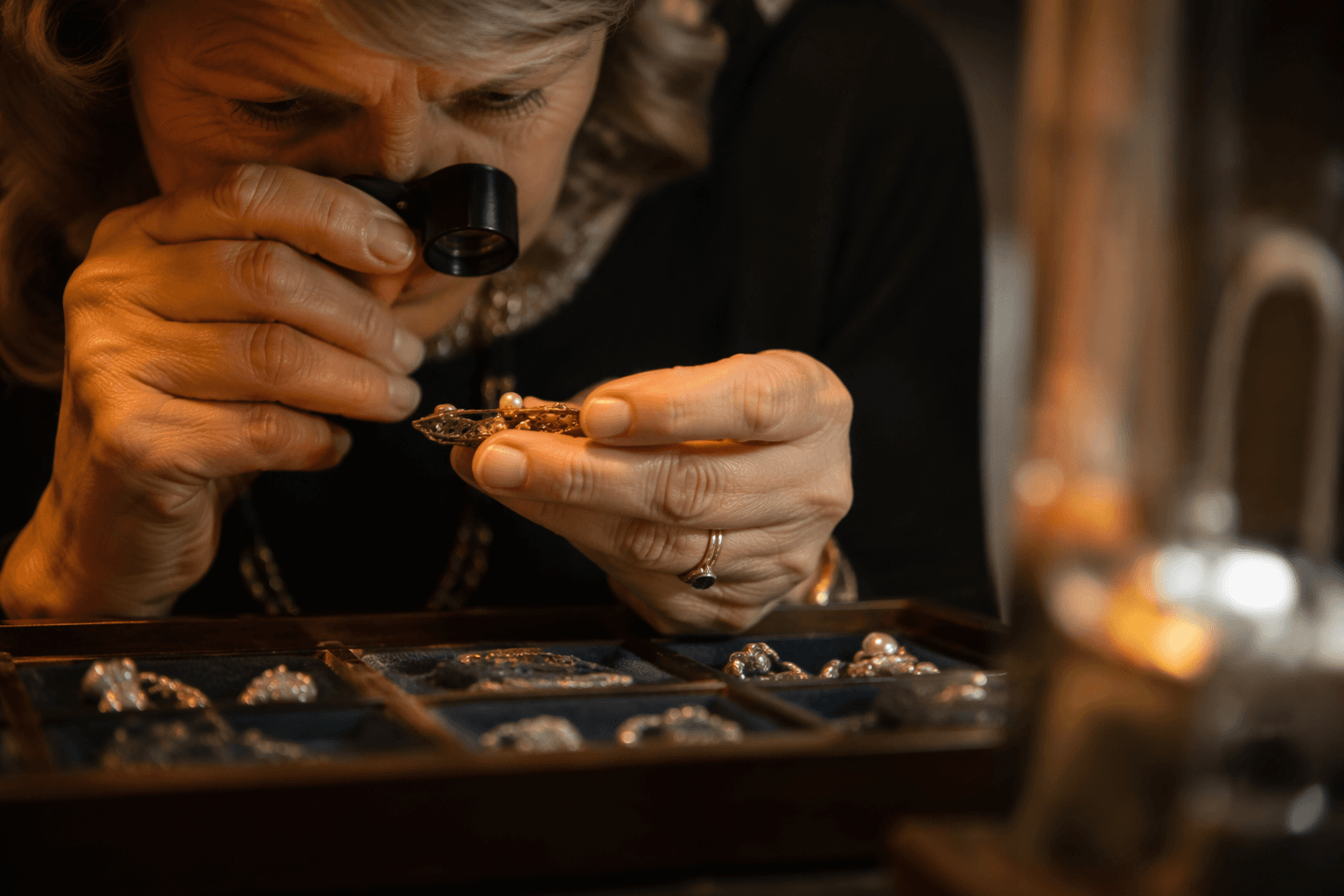
Why vintage jewelry should be reappraised every two to three years
Vintage jewelry ages in paperwork as fast as in wear. Fresh appraisals catch maker marks, repairs, and stone swaps before an old number starts to miss the real value.
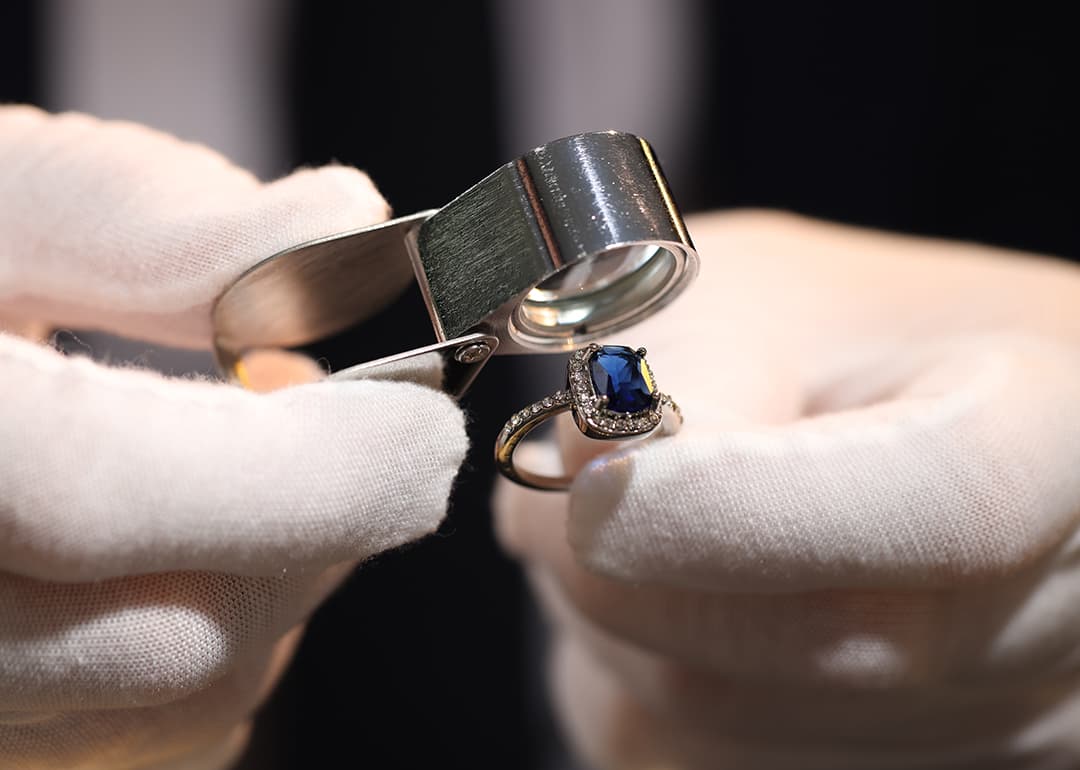
A grandmother’s diamond ring worn every day can look unchanged until a prong loosens, a stone is reset, or the insurer asks for a current number. That is why vintage jewelry is best treated like a small archive, with marks hidden in bands and clasps that can alter value as much as the stones themselves. The usual cadence is every two to three years, and sooner after a repair, a major life change, or a market shift.
When the two-to-three-year rule is not enough
For modern jewelry, that refresh cycle is a useful rule of thumb. For vintage pieces, it can be too blunt, because replacement value can move for reasons that have nothing to do with daily wear and everything to do with what the object is, who made it, and how intact it remains. Replacement values, metal prices, and stone pricing can change quickly, so an appraisal that once matched the market can drift away from it faster than many owners expect.
Inherited and frequently worn pieces need the closest attention. An heirloom brooch sitting in a drawer may not need the same attention as a signed Art Deco ring on a hand every day, but the moment a piece is worn often, repaired, or altered, the paperwork should follow.
What actually changes value in vintage jewelry
Vintage jewelry is priced on more than gold, platinum, diamonds, or colored stones. Age, craftsmanship, provenance, condition, and how the item will be used in the future can all affect the number on the page. A maker’s signature tucked inside a shank or clasp can lift a piece beyond its metal and gemstone content, while period desirability can make one retro bracelet more sought after than another with the same carat weight.
Several object-level changes should trigger a fresh look:
- A stone swap, especially if a center stone has been replaced with something of different quality
- A repair that changes original fabric, such as rebuilding a head, replacing a shank, or tightening a clasp
- A mounting change, where a ring, pendant, or bracelet has been remade into a new form
- A provenance update, such as learning the piece came from a known collection or family line
- A new maker attribution, where a signed or documented piece is newly connected to a workshop or designer
These changes affect what an appraiser must describe, and they change what an insurer would need to replace. A vintage ring with its original mounting is a different object from the same stones set into a newer basket, just as a bracelet with undocumented repairs is not the same claim as one with a clean, intact history.
Why the purpose of the appraisal matters
Jewelry appraisals are not one-size-fits-all documents. They are used for insurance coverage, estate settlement, divorce, donation, and resale, and each use demands a different kind of value. An insurance appraisal is built around replacement value, while a resale or estate-related valuation may point in a different direction entirely.
Insurers may require an appraisal for high-value jewelry worth more than a few thousand dollars. If that insured jewelry is stolen, lost, or damaged, the insurer may pay the appraised value so the owner can replace it with one equal in value. For vintage jewelry, that replacement may not mean a perfect duplicate of the original object, but it does mean the report has to reflect the piece as it exists now, not as it did before repairs, stone changes, or remounting.
Many insurance companies require an appraisal to determine a diamond engagement ring’s replacement value, and a GIA diamond grading report is an industry standard for accurate diamond evaluation. When a vintage ring carries a diamond center, that report helps anchor the stone’s identity and quality before the broader appraisal assigns a replacement figure.
What a strong vintage appraisal should include
An appraisal should come from an independent appraiser, not from the organization issuing the grading material. For vintage work, the appraiser has to read wear, repair, and alteration without trying to sell a piece at the same time. A proper appraisal should contain a quality analysis, description, and valuation of the gemstone or jewelry item.
For a vintage ring, bracelet, or brooch, a useful report should clearly describe:
- The maker attribution, if present
- The era or style, such as Art Deco or Retro
- The metal type and fineness
- The stones, including any swaps or replacements
- The condition of the mounting, clasp, and settings
- Any repairs, resizing, re-tipping, or remounting
Why documentation ages as fast as the jewelry
In its 2023-2024 sustainability report, GIA calls itself the leading global authority on gems and jewelry and says its mission is to foster public confidence through ethical standards, research, scientific analysis, and professional expertise. A Fall 2006 issue of Gems & Gemology says jewelers, appraisers, and insurers who use high-quality jewelry insurance documentation can properly insure jewelry and confidently settle claims.
This article was produced by Prism’s automated news system from verified source data, official records, and press releases, then run through automated quality and moderation checks before publishing. The system is built and supervised by the people who set the standards it runs under. Read our full AI policy.
Did this article answer your question?