Inherited jewelry values hinge on provenance, condition, and maker marks
A stamped clasp, a receipt, or a family story can change an inherited jewel’s value more than glitter ever will.
Start with the evidence
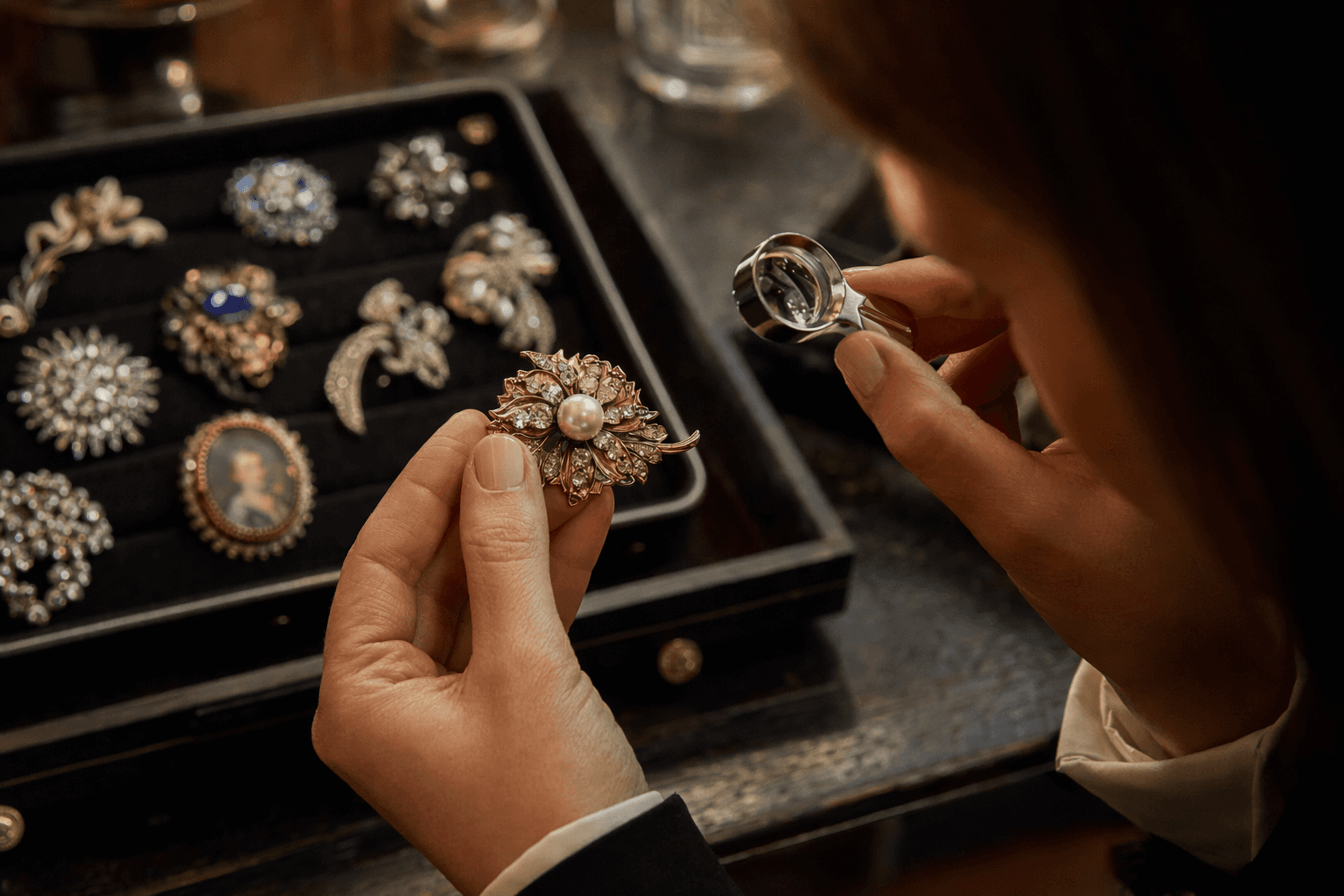
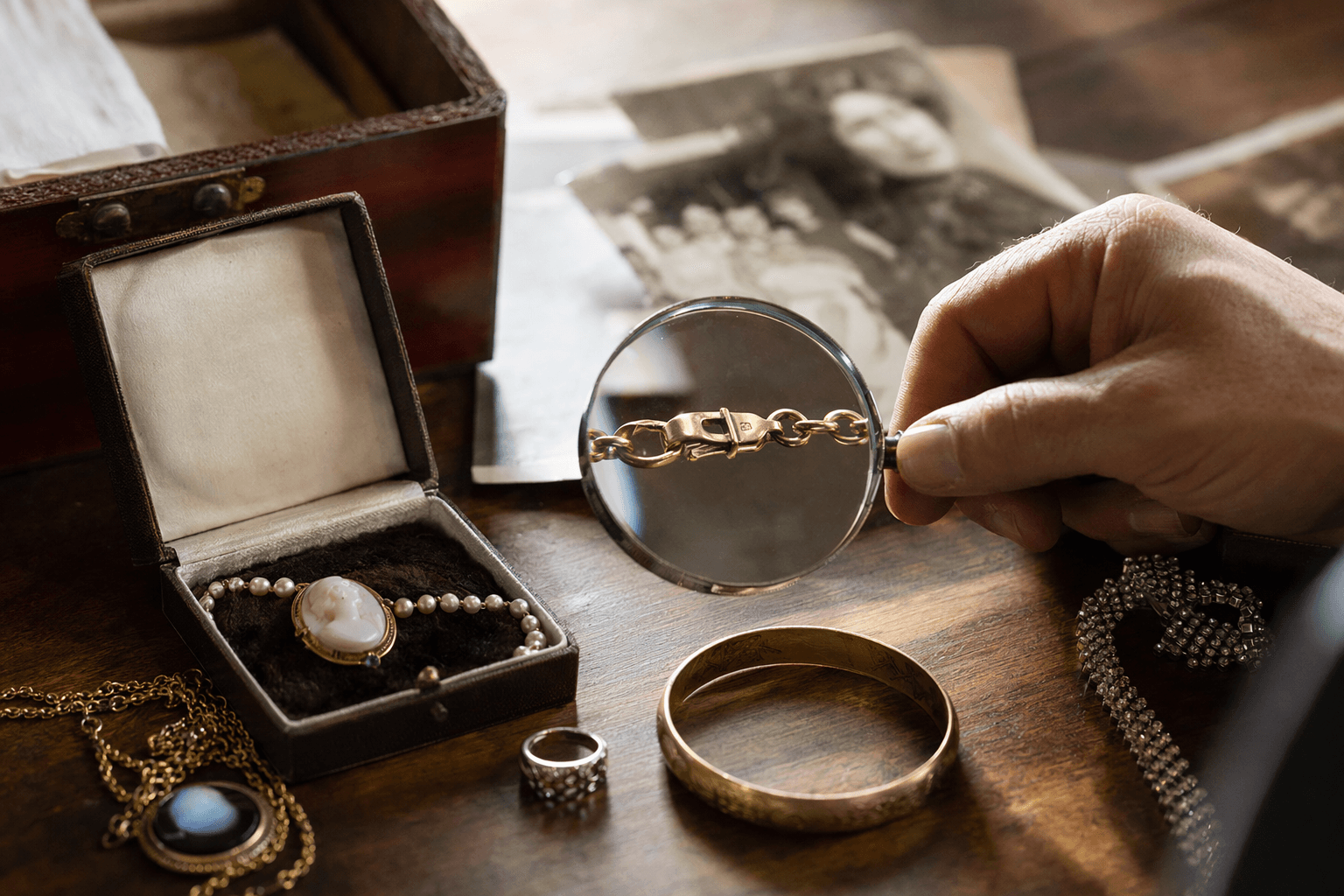
Before an appraisal, treat every inherited jewel like a small archive. Photograph the piece front and back, then close-up the inside of bands, clasps, cartouches, and any purity stamps or maker’s marks. Gather receipts, old boxes, warranty papers, and every family note you have, because a missing detail can change not just price but also insurance coverage, resale expectations, and how a valuer reads the piece in the first place.
The reason is simple: jewelry is not priced by beauty alone. The Internal Revenue Service treats jewelry as tangible personal property, and its valuation guidance in estate and gift tax contexts relies on fair market value, meaning the price the property would sell for on the open market. In practical terms, that means an inherited ring or brooch is judged by what can be proven, not just what can be admired.
The checklist that protects value
1. Photograph everything clearly.
Take straight-on images, side views, clasp shots, and macro photos of any marks. A clear picture of a stamp or signature can help identify a house, a period, or a metal standard before the piece is ever touched by a specialist.
2. Record every mark and stamp.
Note hallmarks, purity marks, serial numbers, workshop signatures, and any retailer’s tag. Hallmarking has been common in jewelry making for centuries, and those tiny symbols often provide the first hard clue about origin and age.
3. Save paperwork and family context.
Keep receipts, auction cards, insurance schedules, letters, and inheritance notes together. A family story alone does not prove provenance, but it can direct further research and sometimes help connect a jewel to a known owner or event.
4. Describe the stones as they appear.
Write down the visible shape, color, size, and setting style, and note whether any stones appear loose, chipped, cloudy, or replaced. Inherited pieces often need this kind of initial map because settings can obscure what a stone actually is until it is examined in person.
5. List repairs and changes.
Solder marks, replaced prongs, shortened chains, re-tipped claws, and swapped stones all matter. A repair history can explain both condition and authenticity, and it can keep a valuer from assuming a piece is untouched when it is not.
Why provenance matters more than polish
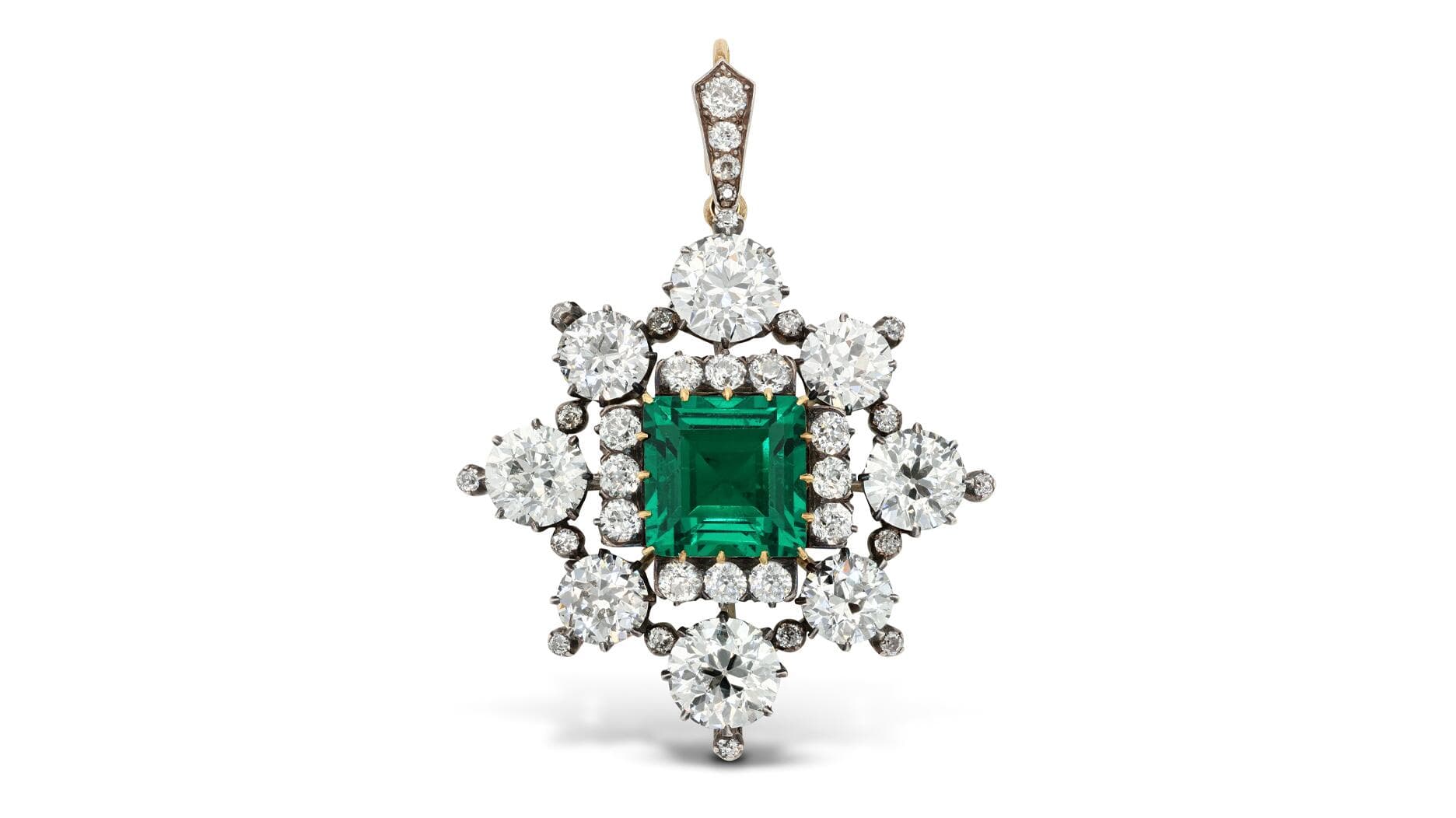
A bright, intact jewel is not automatically a valuable one. Christie’s says provenance can support authentication and attribution, and it can also inform market value. Tracing ownership shows the fuller life of an object, which is why a piece with a documented chain of custody often carries more weight than a similar jewel with no history at all.
Sotheby’s makes the same point from a collector’s angle: a signature or brand indicates that a piece is an authentic product of a maison, conferring prestige and provenance. That distinction matters in estates, where a signed jewel from a recognized house can be worth far more than an unsigned piece with the same carat weight or metal content.
The market’s appetite for named houses is especially clear in collector-focused work on Tiffany & Co. and Van Cleef & Arpels, where craftsmanship, design signatures, provenance, condition, and rarity are the value drivers. A 1930s Cartier bracelet once owned by Marlene Dietrich is a vivid example of how celebrity ownership can deepen the story behind a jewel and lift its desirability in the eyes of buyers.
Condition can make or break the number
Condition is one of the most expensive details you can ignore. Christie’s says auction estimates are based on condition, rarity, quality, provenance, and recent auction prices of comparable items. That means a stone’s sparkle is only one part of the equation; wear, damage, and alteration can move value as much as the gem itself.
The Gemological Institute of America adds an important practical warning: jewelry reports include metal testing, item weight, markings, and a photo of the jewelry, but grading is performed only to the extent the mounting permits. In plain terms, a setting can limit what can be fully assessed without more invasive inspection. A closed back, heavy bezel, or elaborate vintage mount may preserve a jewel’s look while obscuring what lies beneath.
That is why inherited pieces should be handled gently before appraisal. Do not clean aggressively, pry at settings, or attempt home repairs. A bent prong, over-polished band, or amateur stone swap can erase clues a specialist would have used to date, attribute, or insure the piece correctly.
What an appraiser needs to see
- clear photos
- all hallmarks and maker’s marks
- receipts or prior appraisals
- a written family history
- stone observations
- condition notes
- repair records
A strong appraisal file usually travels with the object, not beside it in memory. The most useful packet includes:
Each missing item can narrow the appraisal in a different way. Without marks, attribution becomes harder. Without photos, condition is easier to misread. Without receipts or family documentation, provenance weakens. Without repair history, a specialist may not know whether the piece is original, altered, or partially restored.
Why estates need more than a quick estimate
Inherited jewelry is often valued for probate, insurance, donation, or sale, and each purpose can demand a different level of proof. Bonhams warns that auction estimates based on photographs are preliminary and can change after first-hand inspection and research. That is a reminder that a screen can flatten detail, while a bench jeweler or specialist can detect wear, inconsistencies, and construction clues that images miss.
Bonhams also notes that valuation reports can include provenance and acquisition value, and that regular reappraisals may be needed to reflect current market conditions. For a family settling an estate, that means one appraisal is not always the final word, especially if the piece moves from inheritance to insurance coverage to eventual resale.
The details that usually decide the outcome
In vintage jewelry, the smallest facts often carry the heaviest weight. A maker’s mark can turn an unsigned-looking ring into a maison piece. A family letter can connect a brooch to a known owner. A replaced clasp can explain why a necklace no longer dates cleanly to its period. A clean, complete record can keep a gem from being undervalued simply because its story was not assembled in time.
That is the real lesson behind inherited jewelry valuation: the stone matters, but so do the marks, the mounting, the repairs, and the paper trail. The pieces that survive with their evidence intact are the ones most likely to be understood correctly, insured properly, and valued for what they truly are.
Know something we missed? Have a correction or additional information?
Submit a Tip