Philadelphia's Jewelers' Row, America's Oldest Diamond District, Dazzles With Historic Charm
Before New York's 47th Street or LA's jewelry district existed, Philadelphia's Jewelers' Row was already selling diamonds — and it's been at it since 1851.

New York City's diamond exchange along 47th Street between Fifth and Sixth Avenues claims the title of largest in the United States. Los Angeles has its own eclectic jewelry corridor. But neither can claim what Philadelphia's Jewelers' Row holds with quiet confidence: the distinction of being the oldest diamond district in America, a title it has earned across nearly 175 years of continuous trade.
Extending along the historic brick-paved stretch of Sansom Street between 7th and 9th Streets in Center City, the district traces its origins to 1851. The Jewelers' Row District website describes its full footprint as spanning from Walnut to Market Street and 7th to 9th Street, encompassing jewelry stores, retail shops, restaurants, and businesses of every kind. The Sansom Street corridor, though, is its beating heart: a dense, sparkling concentration of storefronts that rewards both the serious buyer and the devoted window-shopper.
Built Before the Diamonds Arrived
The architecture alone would justify a visit. The district was designed in part by Thomas Carstairs, a Scottish immigrant and architect whose neoclassical sensibility shaped much of what you see today. His influence was significant enough that the neighborhood was originally called Carstairs Row. The buildings, which include what are cited as the country's oldest townhouses, reflect a British neoclassicist style that has survived remarkably intact. The proportions are precise, the facades restrained, the craftsmanship of the built environment echoing something of what lies behind the glass inside the shops. Walking Sansom Street, you are moving through more than a commercial district; you are walking through a preserved architectural argument for permanence.
This proximity to American history is not coincidental. Jewelers' Row sits just a few blocks from Old City, which bills itself as America's most historic square mile and is home to Independence Hall and the Liberty Bell. The district, in other words, occupies the same geography that witnessed the founding of the country. There is a pleasing symmetry in the fact that a place dedicated to objects meant to last forever sits so close to documents written to do the same.
What You'll Find There
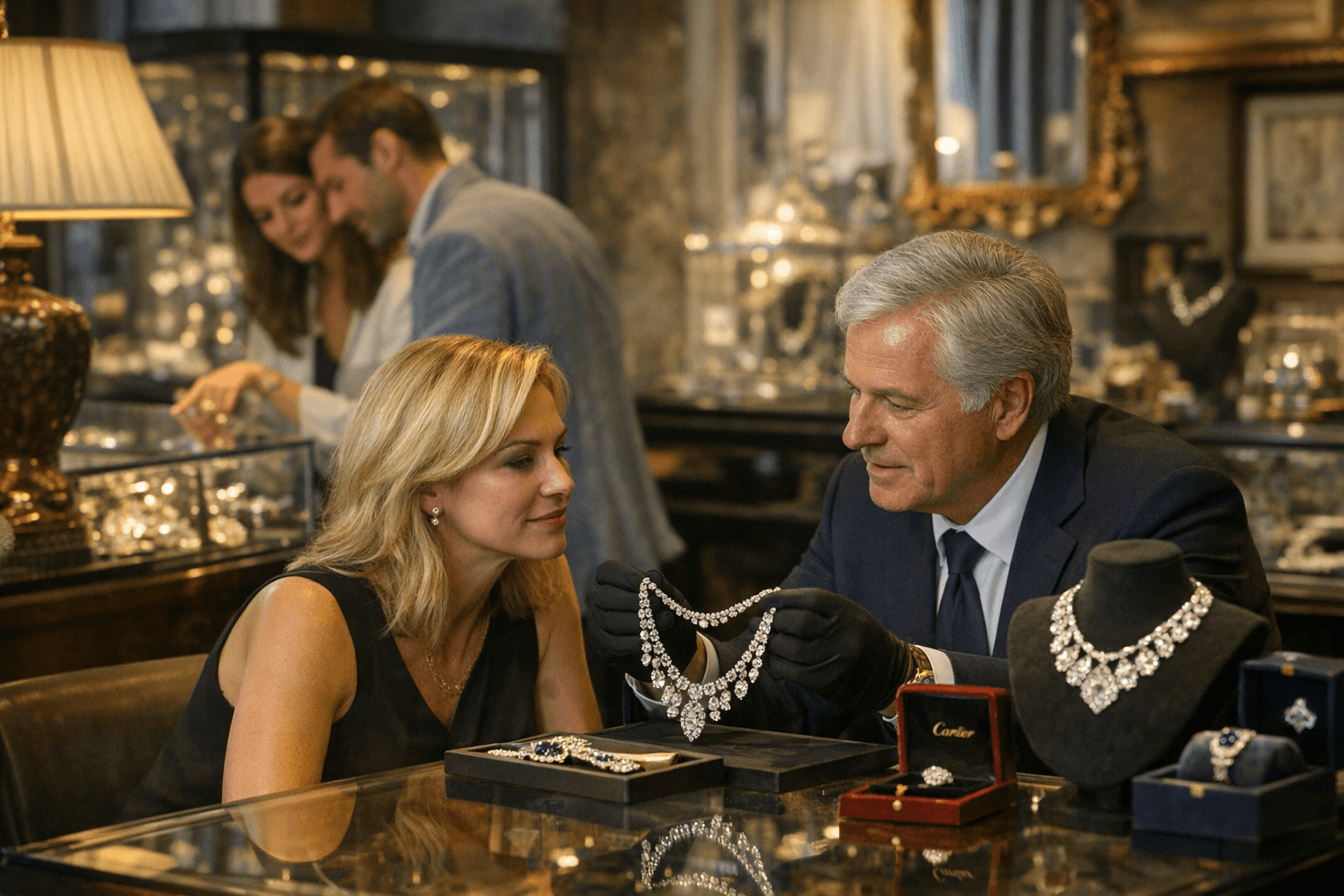
The district's primary identity remains what it has always been: the place to shop for engagement rings, gemstones, and jewelry in Philadelphia. The concentration of dealers, jewelers, and specialists along this short stretch makes it possible to comparison-shop with a granularity that online browsing cannot replicate. You can move from window to window, holding stones in natural light, comparing the warmth of a yellow gold bezel setting against the crispness of a white gold prong, asking questions of people who have spent careers learning the answers.
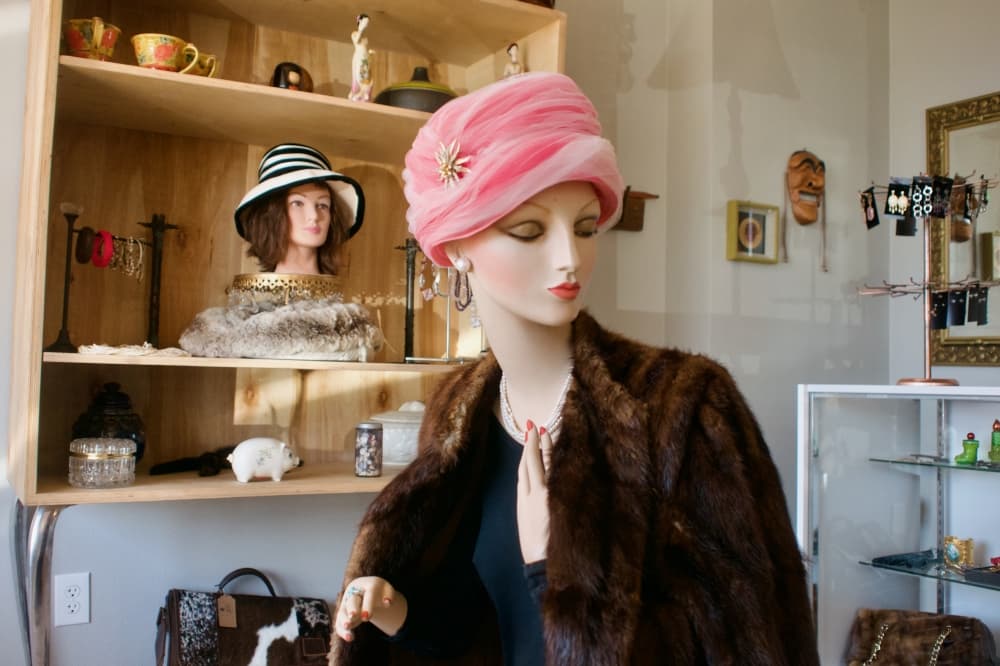
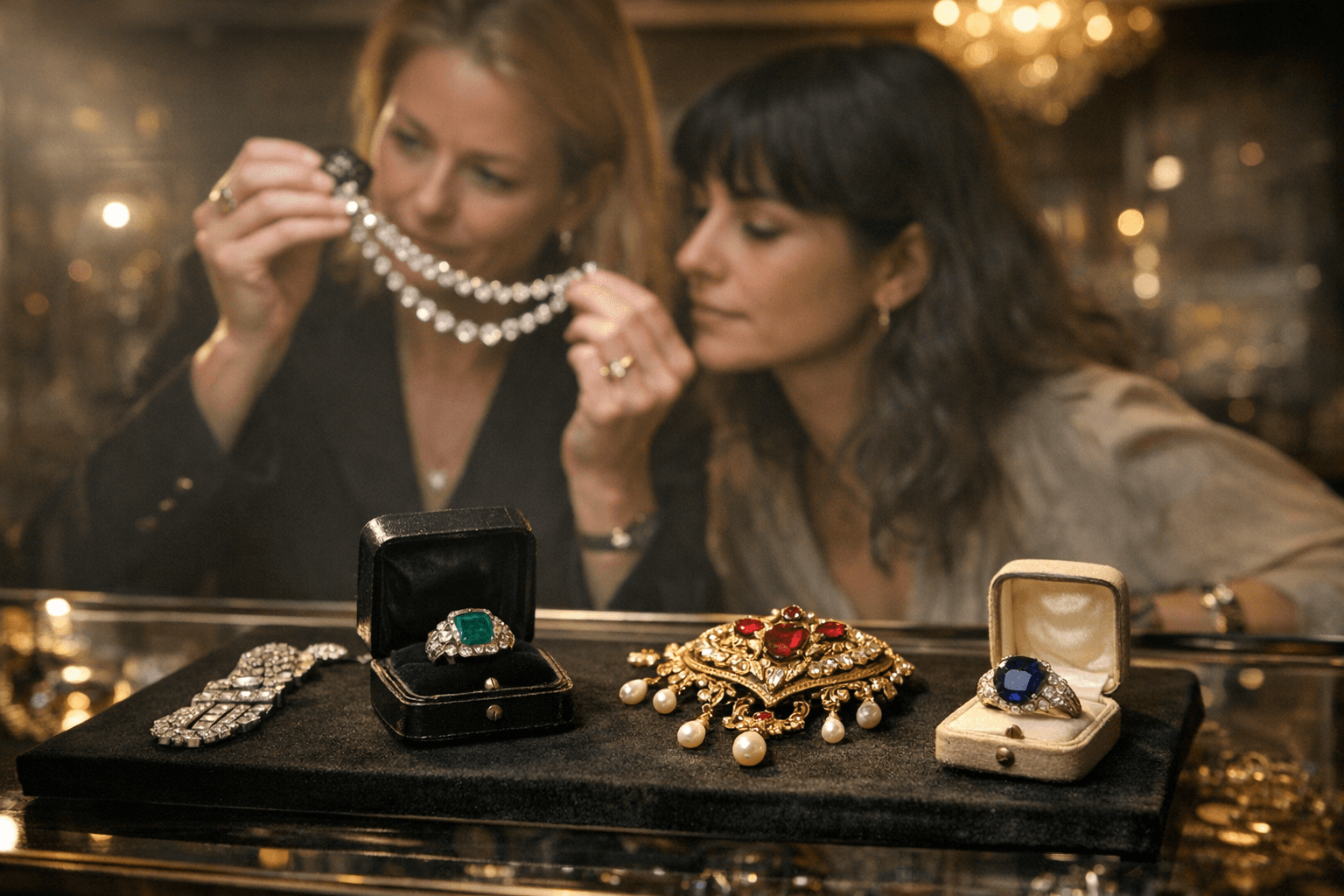
For those drawn specifically to vintage and antique pieces, Harry Merrill & Son is the name to know. Open most days from 10 a.m. to 5 p.m., the shop specializes in antique and vintage jewelry, which means the inventory spans eras, styles, and the kind of provenance that modern pieces simply cannot have. Finding a well-preserved Edwardian filigree ring or a mid-century cocktail piece at a shop like this is not just a purchase; it's an acquisition with a story already attached.
Also worth noting is LXY Philly, open most days from 10 a.m. to 5 p.m., which extends the district's appeal beyond jewelry proper into luxury accessories including watches and handbags. It's a reminder that Jewelers' Row, while rooted in diamonds, has evolved to reflect the broader vocabulary of fine objects.
The Case for Going in Person
There is a particular pleasure to walking a jewelry district that no e-commerce platform has yet replicated. "Wandering through this district is a jewelry lover's dream," one recent visitor noted on Google. "So many shops and sparkling displays. It's the perfect spot to find something special or just window shop." That observation captures something real: the district functions beautifully as pure spectacle, even when you have no intention of buying.
The Jewelers' Row District itself puts it simply on its website: "Stroll down our historic brick-paved Sansom Street to enjoy some of the best window shopping you'll ever see." The invitation is genuine. Whether you arrive with a budget and a brief or simply with curiosity, the density of display cases, the variety of styles across adjacent storefronts, and the tactile pleasure of handling pieces you might not see elsewhere all conspire to make the visit worthwhile.
It also helps that the surrounding neighborhood delivers on every front a full afternoon requires. The district encompasses restaurants and businesses well beyond jewelry retail, and Center City's dining scene means that after several hours of deliberating over stones and settings, a proper meal is never far away.
Why Seniority Matters
In the world of gemology, age and continuity carry weight. A dealer who has been in the same location for decades, buying and selling the same categories of goods, develops a depth of market knowledge that newer entrants cannot manufacture. Jewelers' Row, as a collective, has been accumulating that knowledge since before the Civil War. The 1851 founding date is not just a marketing claim; it represents generations of expertise layered into a few city blocks.
That seniority also shapes the physical inventory. Antique and vintage jewelry circulates through established districts like this one because the dealers know one another, know the provenance chains, and have the relationships that bring significant pieces to market. Harry Merrill & Son's focus on antique and vintage jewelry makes particular sense in this context: Jewelers' Row is precisely the kind of place where a Georgian mourning brooch or an Art Deco platinum bracelet might surface, because this is where such things have always moved.
Planning Your Visit
The core of Jewelers' Row runs along Sansom Street between 7th and 9th Streets in Center City Philadelphia. Harry Merrill & Son and LXY Philly are both open most days from 10 a.m. to 5 p.m., making a morning arrival sensible if you want unhurried time with the dealers. The proximity to Old City means the visit pairs naturally with an afternoon at Independence Hall or a walk along the Delaware waterfront.
For anyone serious about vintage jewelry acquisition, it is worth arriving with some homework done: know your preferred eras, have a sense of the settings you respond to (the security of a bezel versus the light exposure of a prong, the architectural geometry of an emerald cut versus the romanticism of an old European cut), and be prepared to ask questions. The dealers here have seen enough to have opinions, and those opinions, freely shared, are part of what you come for.
Jewelers' Row is not trying to compete with the scale of New York's 47th Street or the eclecticism of Los Angeles. It is doing something more specific and, for the right buyer, more valuable: offering nearly two centuries of accumulated expertise, set inside architecture that has barely changed, in a city that has always understood the weight of lasting things.
Know something we missed? Have a correction or additional information?
Submit a Tip