Sotheby's Magnificent Jewels Sale Hits $30 Million, Led by Record Alexandrite and Rare Burmese Ruby
A 16.53-carat alexandrite set a world auction record at $1.9 million, and an untreated 10.33-carat Burmese ruby fetched $5.5 million at Sotheby's $30 million Magnificent Jewels sale.
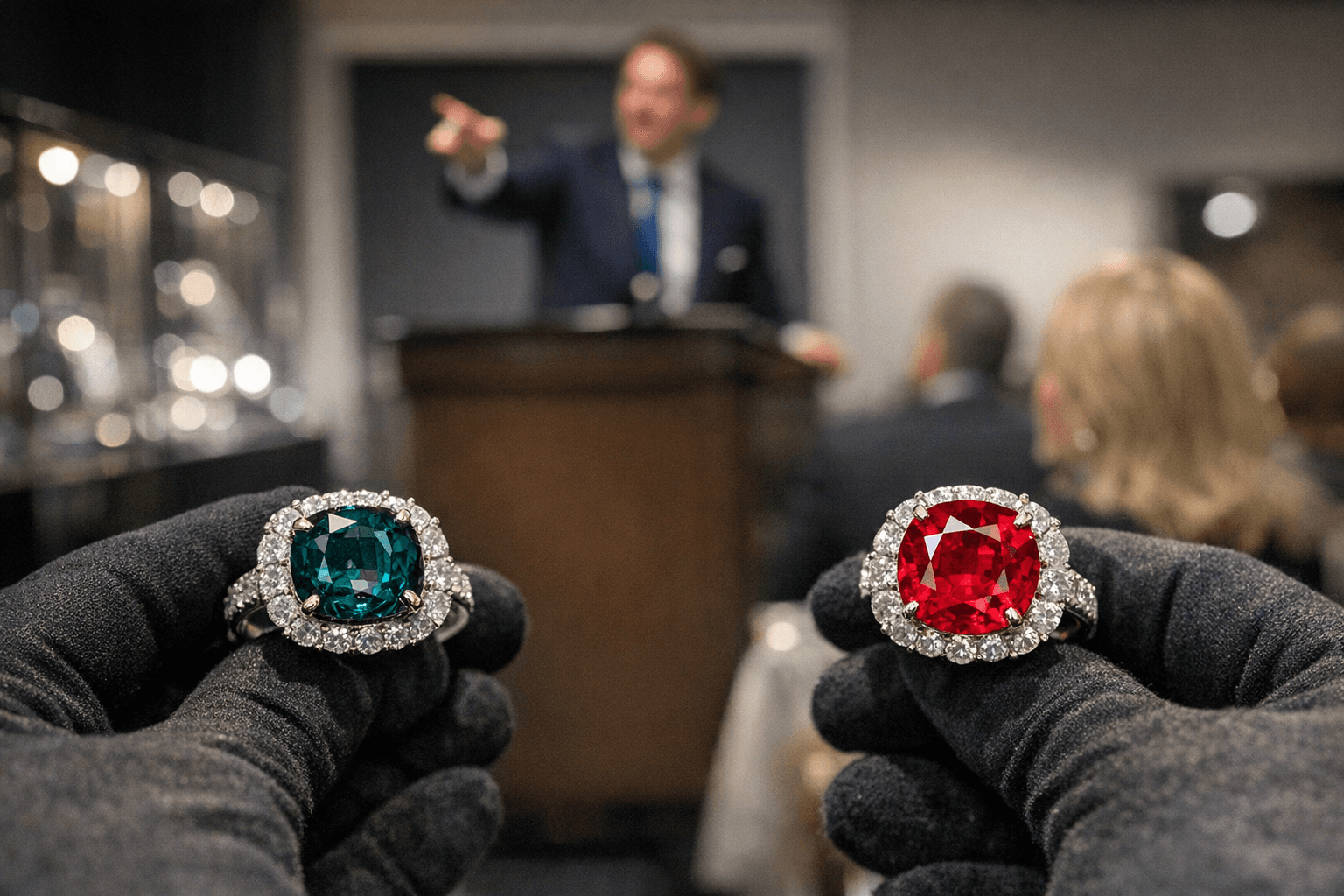
The star of Sotheby's Magnificent Jewels sale in New York was a 10.33-carat cushion-cut Burmese ruby that pulled two telephone bidders and one person in the room into a six-minute standoff. The hammer fell at $5.5 million, more than double the $2 million high estimate. The sale closed at $30 million in total, with 92 percent of lots finding buyers and participants representing more than 35 countries.
The dollar figures matter less than what five standout lots can teach. Read as a group, they form a portable identification guide for anyone hunting estate jewelry at auction or in shops.
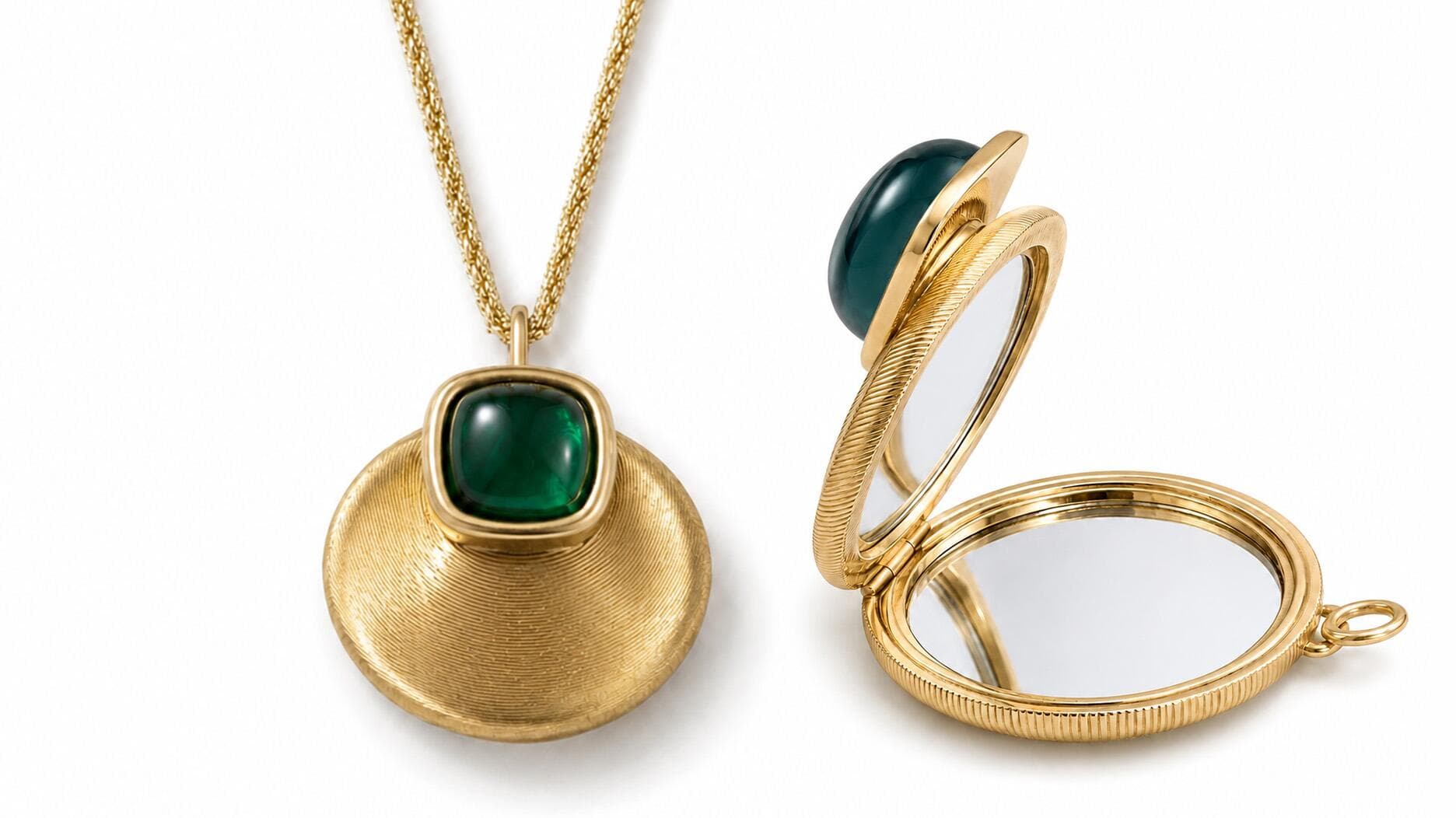
The clearest era lesson came from a Van Cleef & Arpels diamond "tie" necklace made in 1929. Seven bidders competed for six minutes before it sold at $3.6 million, tripling its pre-sale estimate. The construction is a near-complete Art Deco checklist: platinum throughout, graduated diamond-set links, elongated tassel motifs engineered to rotate slightly for fluid drape, and strict bilateral symmetry. When you see platinum, matched symmetry, and graduated geometric forms on a necklace, narrow your date estimate to 1920-1935.
The ruby offers a different kind of lesson. Cushion cuts, which follow the irregular geometry of the rough stone rather than a standardized optical formula, dominated jewelry production before the late nineteenth century and remained common through the 1930s. The AGL certified this particular stone as Classic Burmese origin with no indication of heating, a finding confirmed independently by a second SSEF report. The AGL letter went further, describing the color as meeting the threshold for "pigeon blood" quality. That description, combined with the cushion shape and zero heat treatment, signals a stone that traveled almost untouched from Myanmar's Mogok Valley. Modern Burmese rubies of comparable size are nearly always recut to round or oval brilliant standards to maximize light performance. A surviving old cushion means the stone has been protected rather than optimized.
The 16.53-carat oval alexandrite that set a new world auction record at $1.9 million, clearing a high estimate of $600,000 by more than three times, provides a third signal in its mounting. The ring was set with round and baguette-cut diamonds. Baguettes are a reliable era flag: the step-cut rectangular stone entered wide use during the Art Deco period and remained central through the Retro era (roughly 1935-1950). When you see a center stone flanked by slim rectangular baguettes rather than a pavé halo or tapered trilliants, you are almost certainly looking at pre-1960 craftsmanship. The alexandrite earrings in the same sale, set with a 7.69-carat and a 7.38-carat stone, reached $1.2 million after a four-minute phone duel employing the same baguette-dominant diamond vocabulary.
Anna Ruzhnikov, Sotheby's specialist and head of Magnificent Jewels, described the alexandrite group as "the finest and largest examples we've ever encountered at auction" and called the record-setting ring's price "a well-deserved reflection of its exceptional quality."
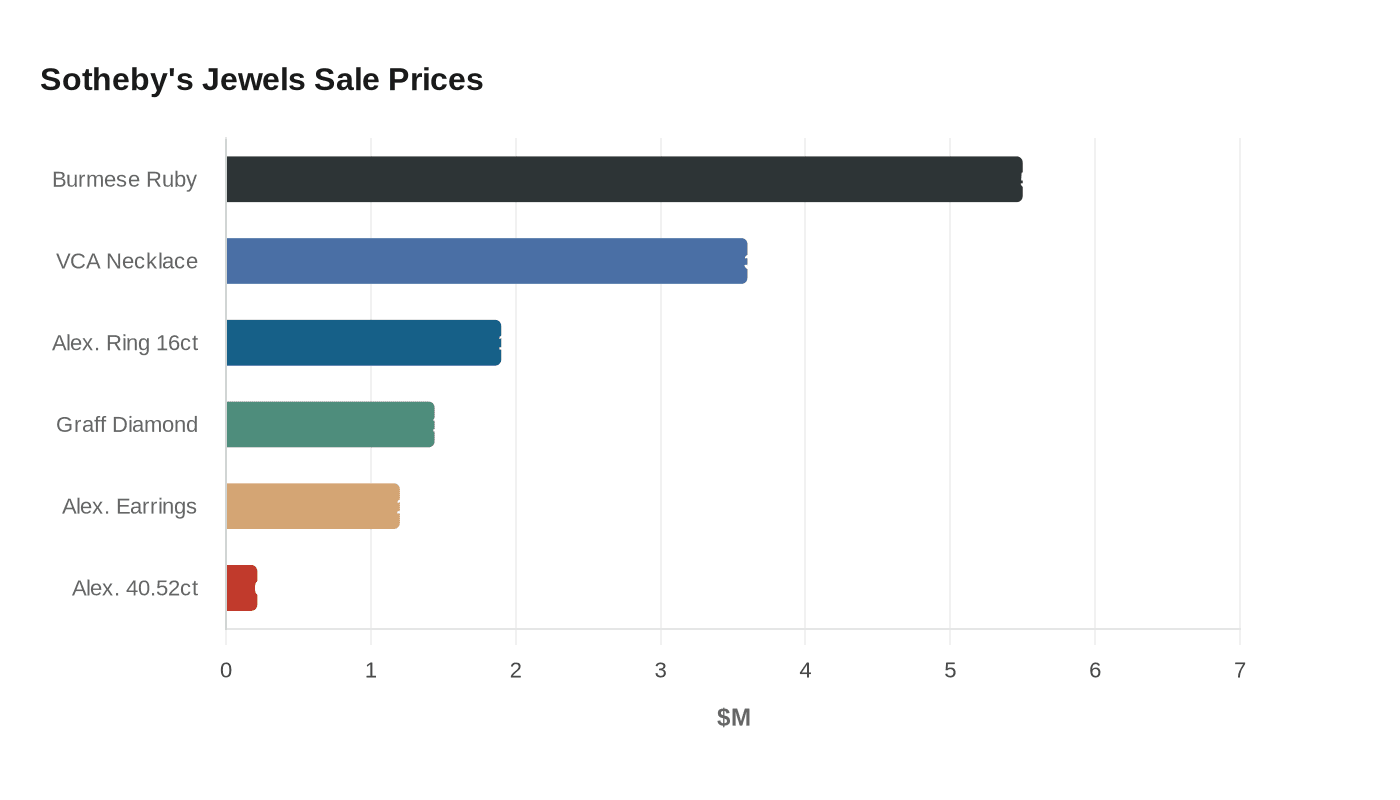
The Graff diamond ring of 21.54 carats, which sold for $1.44 million, illustrates the house-signature premium that makes signed pieces trade at a structural advantage over comparable unsigned stones. On any post-1950 ring, the inside of the band is the first place to check with a loupe. Signatures from Graff, Van Cleef & Arpels, Cartier, or Bulgari are almost always stamped there, and their presence can shift a piece's value by a factor of two or three relative to an equivalent unsigned stone in a generic mount.
A 40.52-carat oval alexandrite in the same sale reinforced that point: no signature, sold within estimate at $216,000 to an online bidder, at roughly one-ninth the per-carat price of the record stone. At auction and in estate shops alike, weight is the beginning of a conversation, not its conclusion.
This article was produced by Prism’s automated news system from verified source data, official records, and press releases, then run through automated quality and moderation checks before publishing. The system is built and supervised by the people who set the standards it runs under. Read our full AI policy.
Did this article answer your question?