Allendale grew around the railroad, shifting from Buddenville in 1872
Allendale did not grow in place, it moved. The railroad pulled the town from Buddenville to the depot, and by the early 1880s it already had more than 600 residents and 31 stores.
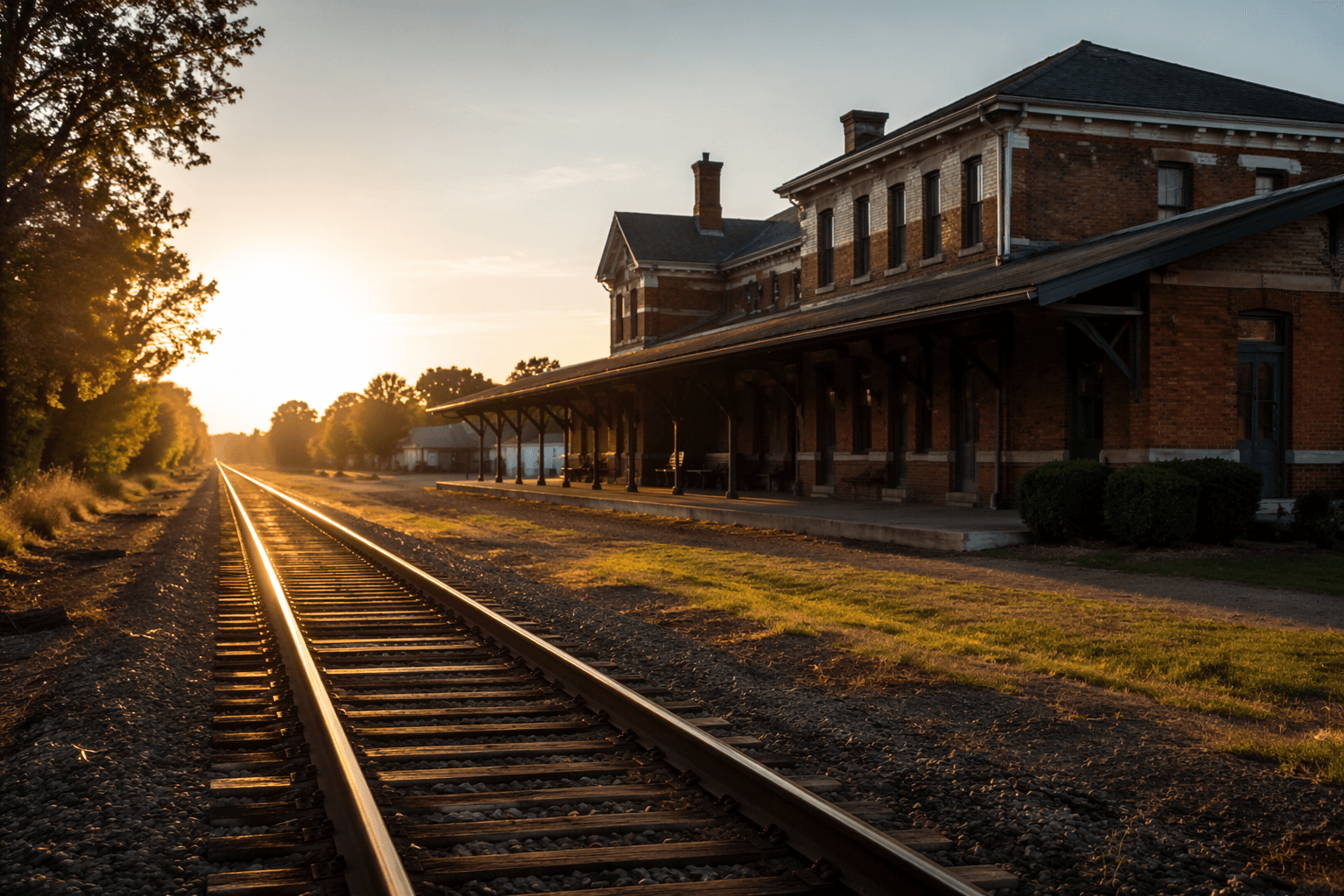
When the Charleston and Western Railroad sent the first train through the area in 1872, a new town rose beside the tracks and pulled commercial life away from Old Allendale, also known as Buddenville. The result still shows on today’s map in the railroad-era street grid, depot-centered landmarks and Allen family names.
From Buddenville to the depot
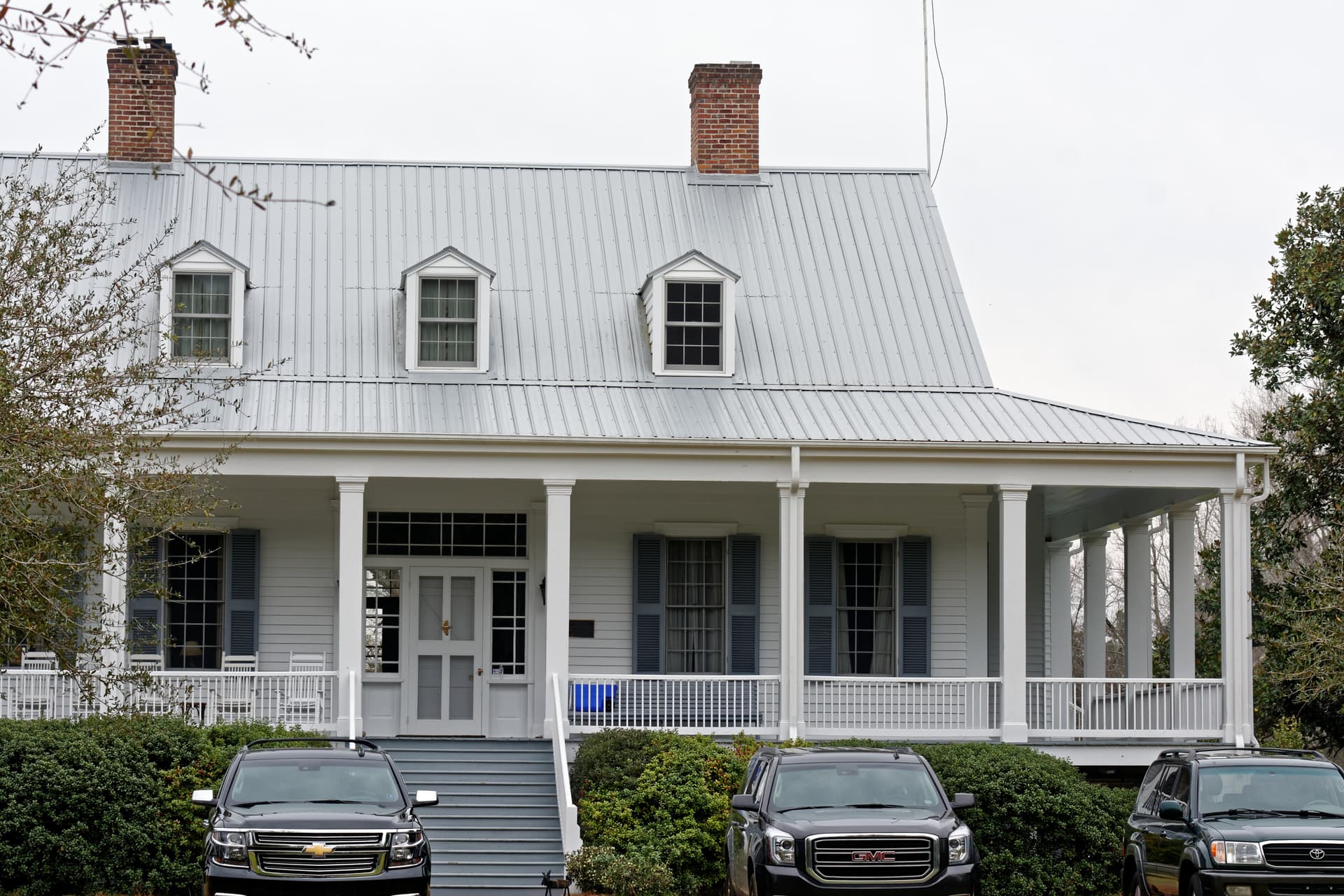
Before the tracks redrew the settlement, the first large community in this part of the county sat about six miles from today’s town center, southwest of the present site near Roads 107 and 47. Old Allendale, or Buddenville, had four stores, an academy established in 1870, and a Baptist church with a parsonage, so it was already a real community before the move. Sherman’s troops under Gen. Kilpatrick camped there, which gives the old village a place in Civil War history as well as local memory.
The railroad created a new center, and the older one lost its pull as commerce and daily life followed the depot. By 1873, the town had shifted to its present site, and the South Carolina General Assembly chartered Allendale on December 20 of that year.
The depot became the town plan
Allendale was named for the Allen family, and the name still runs through the town’s public history. Paul Allen became the first postmaster, and the first post office was built 800 yards from the railroad depot, close enough to serve the new rail town but still set within the growing street pattern. The county marker in front of the administration building links the town’s identity to an 1810 land grant to Benjamin and G. Washington Allen and to the later arrival of the Port Royal Railroad by 1873.
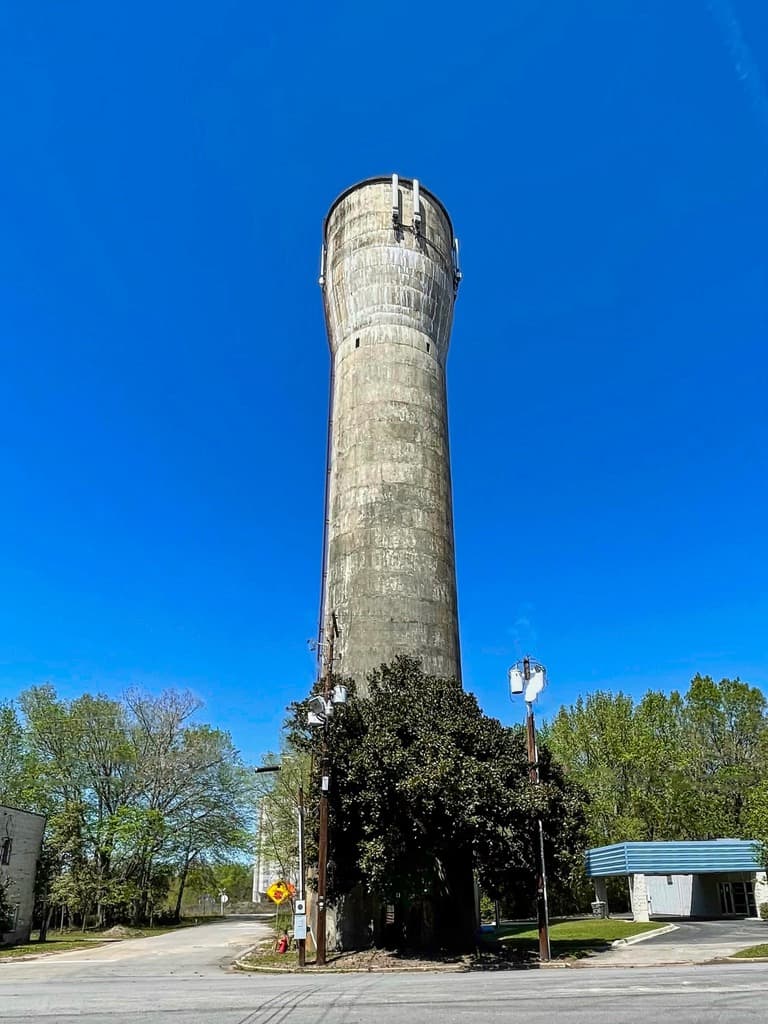
The rail line sat at the center of the design. Town planners laid out streets and lots on 50 acres surrounding the depot, and some of the streets were planned as boulevard-style corridors 100 feet wide with trees and flowers in the medians. Early marker text placed the town limits in a three-quarter-mile radius from the depot.
That layout is still legible in the street names people use every day. Railroad Avenue points back to the tracks. Main Street and Flat Street mark where business clustered as the town matured. Memorial Avenue and the roads leading to the original site show the distance between the old river landing community and the depot town that replaced it.
What grew around the tracks
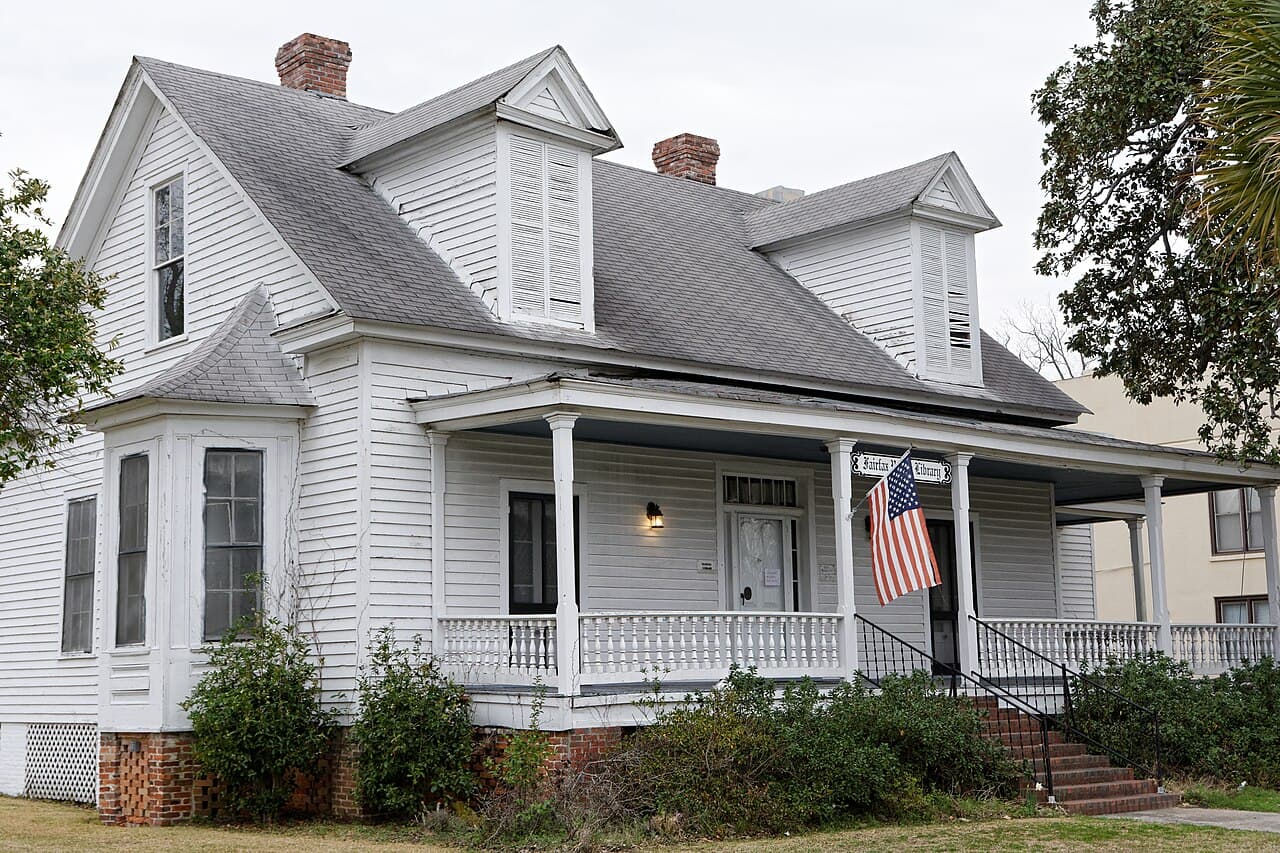
By the early 1880s, Allendale had more than 600 inhabitants and 31 stores. The town’s business pattern also shows how geography shaped daily life. African American businesses clustered near Main Street and Flat Street, while a livery operated at the corner of Railroad Avenue and Memorial Avenue, tying transportation, trade and services together in the same compact downtown.
Allendale became the seat of Allendale County in 1919, and later the rise of U.S. 301 brought tourism and through traffic that helped downtown commerce. When Interstate 95 shifted traffic away, many commercial buildings were left vacant.
Where the story is still visible
Allendale’s history is still visible in the places that remain. The original site near Roads 107 and 47 ties Buddenville to Sherman’s troops under Gen. Kilpatrick and to the town’s move by 1873. In town, the county administration building marker connects the later settlement to the Allen family, the Port Royal Railroad and the post office era.
The Allendale County Historical Society, founded in 2005, is now working to restore three historic commercial buildings it owns on Railroad Avenue.
This article was produced by Prism’s automated news system from verified source data, official records, and press releases, then run through automated quality and moderation checks before publishing. The system is built and supervised by the people who set the standards it runs under. Read our full AI policy.
Know something we missed? Have a correction or additional information?
Submit a Tip