Apache County museum preserves diverse county history and family roots
St. Johns’ summer-only museum turns a few warm months into the best window for Apache County family research, heritage tourism, and a close look at the county’s mixed history.

The Apache County Historical Society Museum at 180 W. Cleveland St. in St. Johns, the county seat, is open only in summer. That short season gives families, descendants, and visitors a limited window to trace names, places, and stories tied to Apache County’s past, from tribal history to the paper trail left by ranching towns.
A seasonal stop with county-wide reach
The Apache County Historical Society Museum was established in the 1970s largely through the efforts and leadership of Dewey Farr and Esther Farr, who helped turn it into a small nonprofit institution rooted in local stewardship.
The museum’s purpose is to “collect, preserve, interpret, display and otherwise protect” Apache County and Arizona history.
What the museum interprets, and why that matters now
The museum interprets the histories of the Apache, Hopi, Navajo, and Zuni peoples and how those histories clashed and meshed with Hispanic and Mormon settlers.
Inside the museum, visitors can expect artifacts and exhibits that make that past tangible. Items include arrowheads, firearms, diaries, photographs, tools, musical instruments, household goods, and dioramas of daily life.
Who should go now
The summer opening matters most for three kinds of visitors: families with Apache County roots, people building a genealogy file, and travelers who want a deeper stop than a quick photo on the way through St. Johns. The museum is especially useful if your relatives lived in or around St. Johns, Springerville, Eagar, Window Rock, or other places where county history was recorded in local institutions rather than in one centralized archive.
If you are trying to identify a surname, match an obituary to a household, or place a grandparent in a school yearbook or newspaper notice, the museum works best as an entry point rather than a finish line. It connects to the county’s wider memory network of library collections, genealogy sites, and digitized newspapers.
How to use the museum as a family-history base
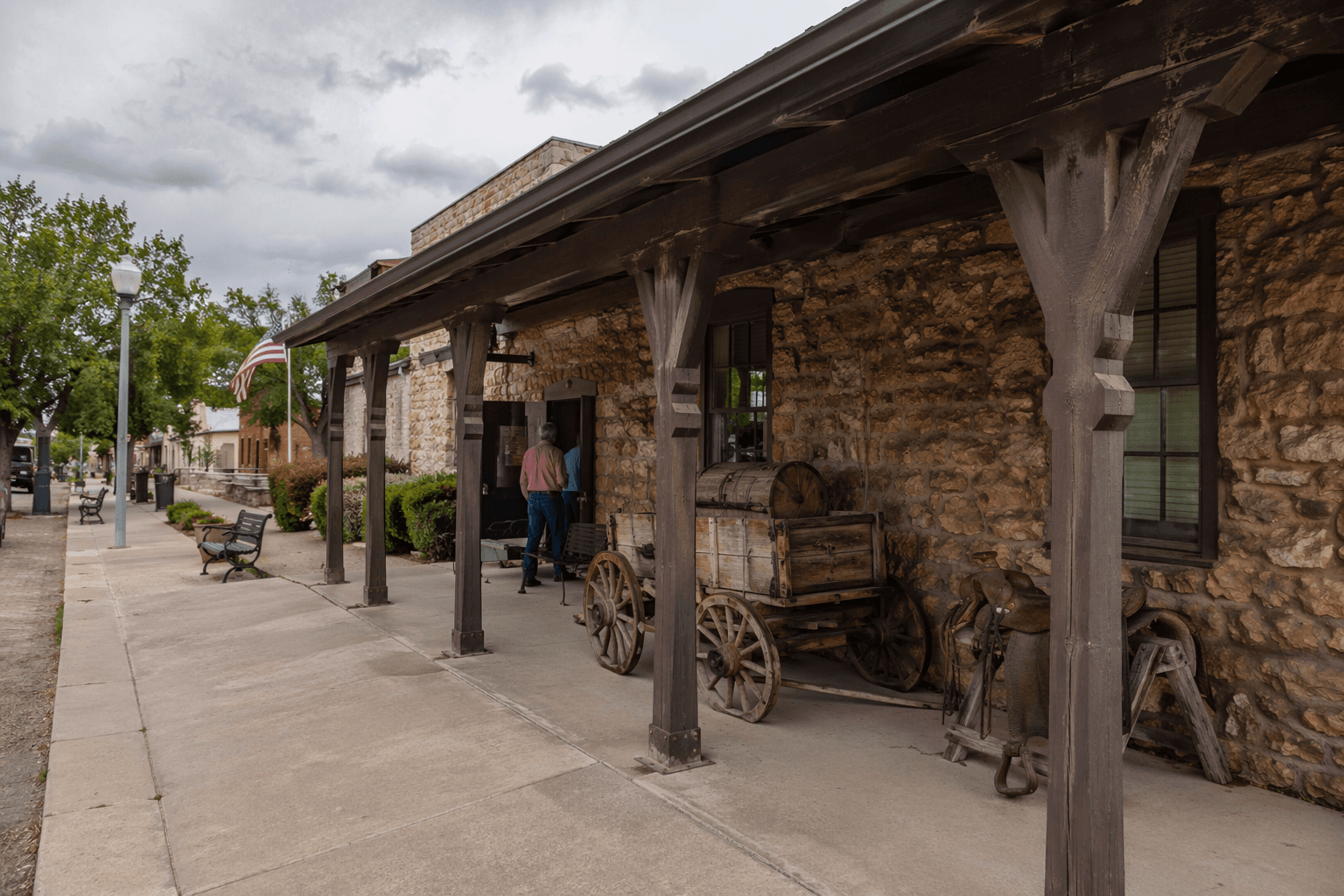
Apache County Libraries groups the museum with other local-history resources, including the Navajo Nation Museum in Window Rock, the Springerville Heritage Center, the Butterfly Lodge Museum, and FamilySearch Centers in St. Johns and Eagar. Family research in Apache County often requires moving between places rather than waiting for one perfect record to appear in one drawer.
Useful tools include the Arizona Memory Project, FamilySearch, Find a Grave, Arizona genealogy tools, and digitized newspaper collections. Taken together, those resources create a practical research route for anyone trying to connect a name on a grave marker or family Bible to a date, a place, or a newspaper notice.
For people planning a visit, the most useful approach is simple:
- Start at the Apache County Historical Society Museum in St. Johns during its summer opening.
- Bring a list of family names, likely towns, and approximate dates.
- Use the county library network to extend the search through genealogy tools and digital records.
- Follow up in the Arizona Memory Project and FamilySearch collections for corroborating records.
Why the newspapers matter as much as the exhibits
Apache County’s history is preserved not only in artifacts but in newspapers. Apache County Libraries’ county history holdings include digitized heritage collections, veterans materials, yearbooks, and historical newspapers, with the museum linked directly to those archives.
The Apache County Historical Newspapers collection on the Arizona Memory Project was digitized in partnership with the Apache County Historical Society Museum and the State of Arizona Research Library. It includes the St. Johns Herald from 1923 to 1938, the St. Johns Observer from 1923 to 1939, and the St. Johns Herald-Observer from 1938 to 1946. For anyone tracing births, marriages, obituaries, school events, civic meetings, or ranching news, those titles can be the difference between a family legend and a documented record.
St. Johns Herald issues from 1917 to 1922 were digitized through a National Digital Newspaper Grant from the Library of Congress and the National Endowment for the Humanities in 2010. That gives family researchers a longer run of searchable local reporting, especially valuable when names repeat across generations and one small item in a newspaper column can confirm a relationship.
St. Johns as a paper trail town
The St. Johns Herald was established in 1885 as a weekly Republican newspaper under Henry Reed. Archive material calls it a “cattle paper,” a reminder that ranching shaped the county’s public life as much as politics and religion did. By 1947, the merger of local papers created the sole newspaper published in Apache County at that time, showing how much of the county’s public record passed through St. Johns.
If your family spent time in Apache County, there is a real chance that names, land transactions, church notices, school activities, and obituaries were recorded in the local papers now tied to the museum’s archival ecosystem. Researchers can move from physical exhibits to digitized newspapers to genealogy databases without leaving the county’s own historical footprint.
What the county loses when the doors are closed
Because the museum is only open in summer, access to that history narrows for the rest of the year. It means fewer chances for walk-in family research, fewer heritage-tourism stops in downtown St. Johns, and fewer spur-of-the-moment visits from descendants passing through on their way to other parts of Apache County. When the museum is closed, the county’s paper records, artifacts, and interpretive context remain available through digital and library channels, but the tactile experience of standing in the room where those stories are gathered goes away.
This article was produced by Prism’s automated news system from verified source data, official records, and press releases, then run through automated quality and moderation checks before publishing. The system is built and supervised by the people who set the standards it runs under. Read our full AI policy.
Know something we missed? Have a correction or additional information?
Submit a Tip