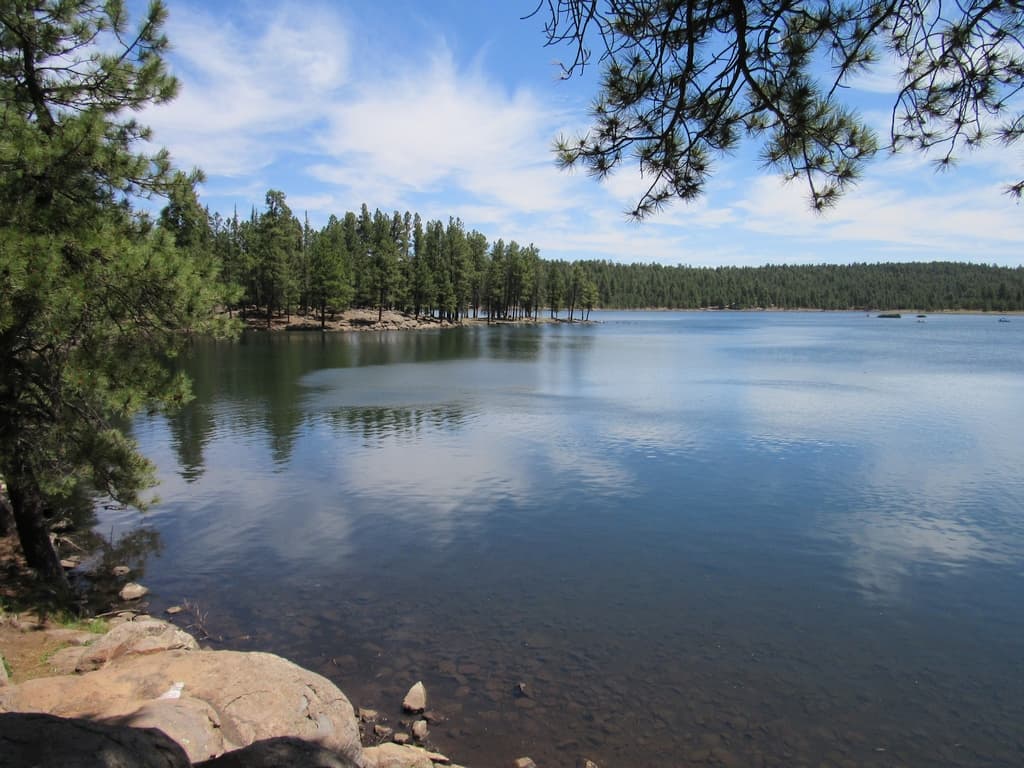
Lyman Lake offers boating, camping and trails in Apache County
Lyman Lake packs boating, camping, trails and Hopi petroglyphs into one Apache County stop, with lake access, cabins and a year-round base camp off US 191.
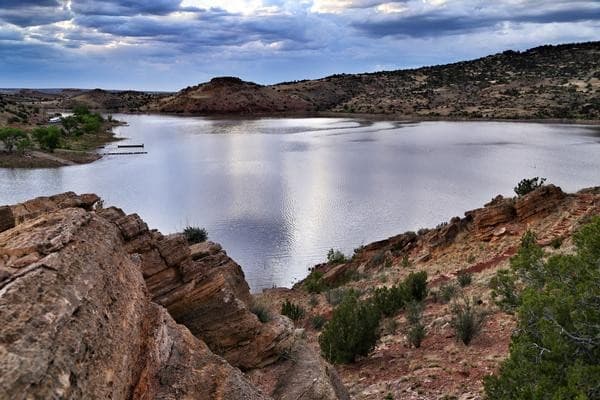
Lyman Lake State Park is one of Apache County’s most practical all-in-one outdoor stops because it lets you boat, camp, hike and see archaeology in a single trip. Set in St. Johns along the Little Colorado River between St. Johns and Springerville, just off US 191, the park feels different from lower-desert Arizona destinations: it sits at about 6,000 feet, wraps around a 1,500-acre reservoir, and spreads across 1,200 acres.
A high-country lake with a working-water reality
The lake was created as an irrigation reservoir by damming the Little Colorado River, and that history still matters today. Arizona State Parks says Lyman Lake can experience a considerable annual drawdown for irrigation purposes, so visitors are looking at a working reservoir as much as a recreation site. The water is fed by snowmelt from Mount Baldy and Escudilla Mountain, which helps explain the lake’s strong seasonal character and its ties to the White Mountains region.
That mix of function and scenery is part of what makes the park so useful to Apache County. A day here can be about launching a boat, but it can also be about watching the shoreline shift with water levels, hiking near cultural sites, and using the campground as a base for the whole northeastern Arizona corridor.
Boating, swimming and fishing in one place
Lyman Lake stands out because it is one of the few bodies of water in northeastern Arizona with no size restrictions on boats. That makes it a rare place where water skiing, wakeboarding, jetskiing and open-water cruising can all happen without the narrow limits that apply at many smaller lakes. The west end is a designated no-wake zone, which gives anglers and smaller craft a calmer stretch of water.
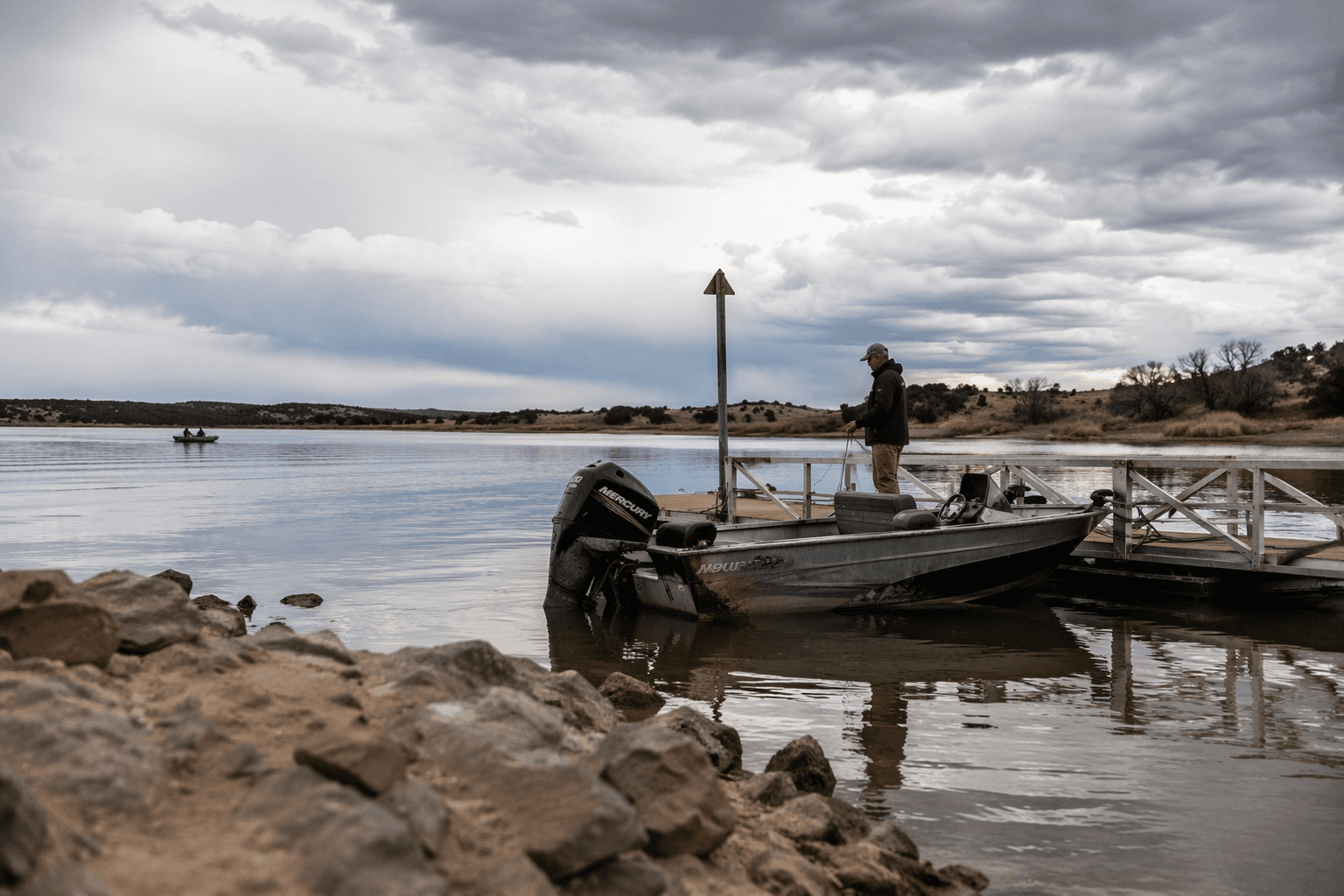
The park has two paved boat ramps, making access straightforward for trailers. Fishing is another major draw, with walleye featured by Arizona State Parks and channel catfish and largemouth bass commonly sought by anglers. Fishing access is available from a boat, from shore and from a fishing pier, so the lake works for both serious anglers and families that want a simpler setup.
Swimming is centered in the designated area between the park store and the petroglyph trail. Arizona State Parks says there is no lifeguard on duty, so swimming is at your own risk. The lake temperature can vary widely from shallow water to open water, which is worth remembering before anyone wades in.
Camping for RVs, tents and cabin stays
Lyman Lake is built for overnight use, not just day trips. Current reservation information lists 56 campsites, including 38 full-hookup sites and 18 non-hookup sites, and the park also offers eight camping cabins. The cabins come with lake views, covered porches and comfortable features, which gives visitors a roof without leaving the park setting.
The campground offers expansive views, restrooms and showers, and there is a park store on site. One practical detail matters right away: the park currently has no drinking water, so anyone planning to stay overnight needs to bring enough for the trip. Even with that limitation, the park remains a strong fit for RV travelers, tent campers and families that want a simple base near the water.
The park is open 24 hours a day, year-round, which adds flexibility for early launches, late arrivals and longer stays. Its weather pattern also makes it more usable across the calendar than many expect. Summer highs are usually in the mid- to high 80s or low 90s, and summer nights often fall into the high 50s and low 60s, making the elevation a real advantage.
Trails and petroglyphs add a cultural layer
The trail system gives Lyman Lake a second identity beyond recreation on the water. Arizona State Parks says three trails are readily accessible from the campground area, making it easy to build a short hike into a camping or boating trip. The most notable is the petroglyph trail, which links outdoor time with cultural history in a way few Apache County recreation sites can.
More than 200 petroglyphs are visible directly from the trail, and Arizona State Parks identifies them as originating from the Hopi people. Interpretive signs help explain the site, and the trail connects the carvings to Hopi oral tradition and ancestral migrations. That makes the hike more than a scenic walk: it is a chance to see a documented cultural landscape tied to living Native tradition.
For a county guide, that matters because Lyman Lake is not just about activity density. It offers a rare combination of access and meaning, with the petroglyph trail giving visitors a reason to slow down and read the landscape rather than simply pass through it.
Why it matters for Apache County
Lyman Lake’s value reaches beyond the park boundary. It gives Apache County a destination that can hold several types of visitors at once: boaters, anglers, campers, hikers, history-minded travelers and families looking for a manageable place to spend a day or a weekend. That kind of multi-use appeal helps stretch visitor traffic across different businesses, from fuel stops and groceries in St. Johns to service stops for travelers coming off US 191.
Arizona State Parks says its system contributes through visitor spending, tax revenues and job creation, and Lyman Lake fits that broader pattern as a dependable stop in northeastern Arizona. County-level tourism and economic data also point to the lake as a continuing visitor draw. For Apache County, that makes the park more than a scenic asset. It is part of the local recreation economy and a visible piece of regional identity.
Lyman Lake opened and was dedicated on July 1, 1961, which gives it decades of use as one of Arizona’s early state parks. That long run helps explain why it still functions as a year-round base camp for northeastern Arizona: the boating is flexible, the camping options are broad, the trails are close to camp, and the petroglyph site gives the park a lasting sense of place.
This article was produced by Prism’s automated news system from verified source data, official records, and press releases, then run through automated quality and moderation checks before publishing. The system is built and supervised by the people who set the standards it runs under. Read our full AI policy.
Know something we missed? Have a correction or additional information?
Submit a Tip