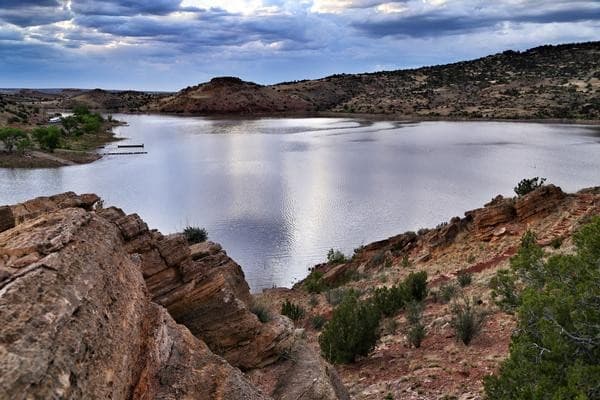
Hawley Lake draws summer visitors with cabins, fishing and cool temperatures
Hawley Lake is more than a cool summer getaway: the White Mountain Apache Tribe’s cabin program turns recreation into jobs, rentals and local development.
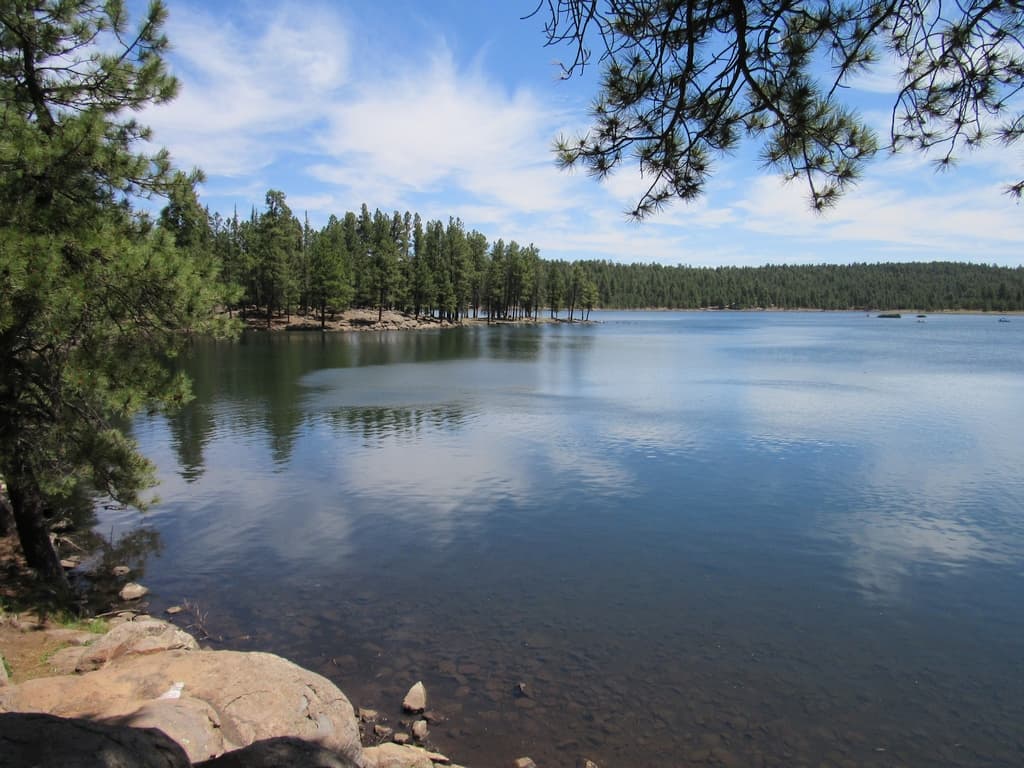
The White Mountain Apache Community Development Corporation now operates 68 rental cabins at Hawley Lake, using a high-country destination to support jobs, maintenance work and community development on the Fort Apache Reservation, also known as the White Mountain Apache Indian Reservation.
A summer market built on altitude and access
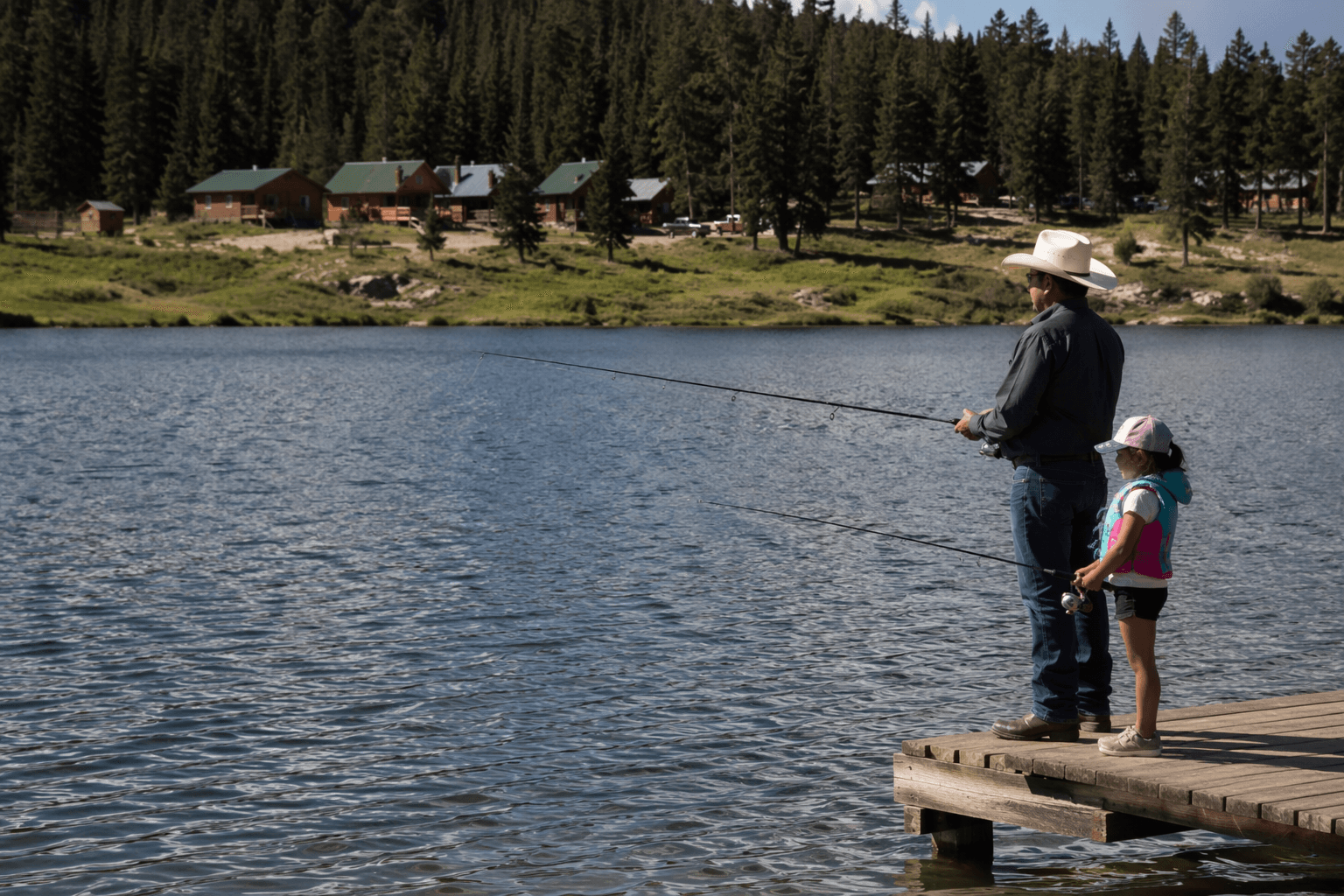
Hawley Lake draws visitors because it offers the kind of weather and setting that lower elevations cannot match. The lake sits above 8,000 feet, and visitor references describe it at about 8,200 feet and roughly 300 acres in size. Surrounded by Apache-Sitgreaves National Forest and framed by spruce, pine and aspen, the area offers cooler temperatures, fishing, sail boating, canoeing and kayaking when much of Arizona is baking.
Location is another advantage. Hawley Lake is within reach of Phoenix, Tucson, Albuquerque and El Paso through State Routes 473 and 260, which helps explain why the cabins draw repeat summer visitors.
How the cabin business took shape
The lake’s economy grew out of a long lease history. In the mid-1900s, the tribe granted 25-year ground leases for lots around Hawley Lake to many part-time summer residents, most of them from the Valley, and those residents built cabins on the leased land. There were about 275 homesite leases on 25-year terms, with leases beginning to expire in 1982 and ending in 2001.
As those leases ran out, cabins were moved, abandoned or donated. The White Mountain Apache Community Development Corporation, organized in 1981 and chartered under tribal law as a nonprofit charitable corporation, became the vehicle for operating rental cabins on that land as a revenue source and employment base.
What the tribe gets from the cabins
Cabin rental profits do more than cover operating costs. They help improve the Hawley Lake area, provide employment and support in-kind contributions for grants and affordable housing for reservation residents. Most profits go to improvements, furnishings, salaries, equipment and vehicles, keeping the money tied to local operations instead of outside ownership.
The work required to keep a donated cabin rentable is not small. Making a donated cabin suitable for rental can cost about $5,000 to $20,000 before furniture and supplies are added.
What visitors find when they arrive
The cabins are built for a simple, unplugged stay. Most are within walking distance of Hawley Lake or Earl Park Lake, and they come fully furnished with basic kitchen supplies. They do not include telephones, televisions, microwaves or radios, which keeps the focus on the lake, the forest and the cabin porch instead of indoor entertainment.
Guests check in at the CDC office, bring linens and extra towels, and follow rules that prohibit swimming in lakes or streams and outside fires. RVs, trailers and tents are kept in designated campground and RV park areas.
Why Hawley Lake is also a development site
The lake area is part of a broader cleanup and infrastructure effort. EPA grant material identifies the Hawley Lake Recreational Area as including 209 cabins built for White Mountain Apache Tribe members between 1959 and 1978. A 2026 EPA cleanup application places 113 rental cabins inside a 900-acre target area and seeks $2,801,695 in federal funds to support cleanup work.
The CDC has spent the past five years completing Phase II environmental site assessment-equivalent reports for rental cabins and infrastructure.
A larger reservation tourism circuit
The cabin area includes a small store, a gas station and a boat dock with rentals, which keeps visitors on site longer and channels more spending through tribal businesses. Nearby attractions such as Fort Apache Historic Park and Hon-Dah Resort Casino make Hawley Lake part of a broader Apache County tourism circuit.
This article was produced by Prism’s automated news system from verified source data, official records, and press releases, then run through automated quality and moderation checks before publishing. The system is built and supervised by the people who set the standards it runs under. Read our full AI policy.
Know something we missed? Have a correction or additional information?
Submit a Tip