Fort Defiance marks Treaty of 1868 with week of community events
Fort Defiance turned Treaty of 1868 remembrance into a week of running, song and dance, with Buu Nygren joining events tied to wellness and cultural continuity.

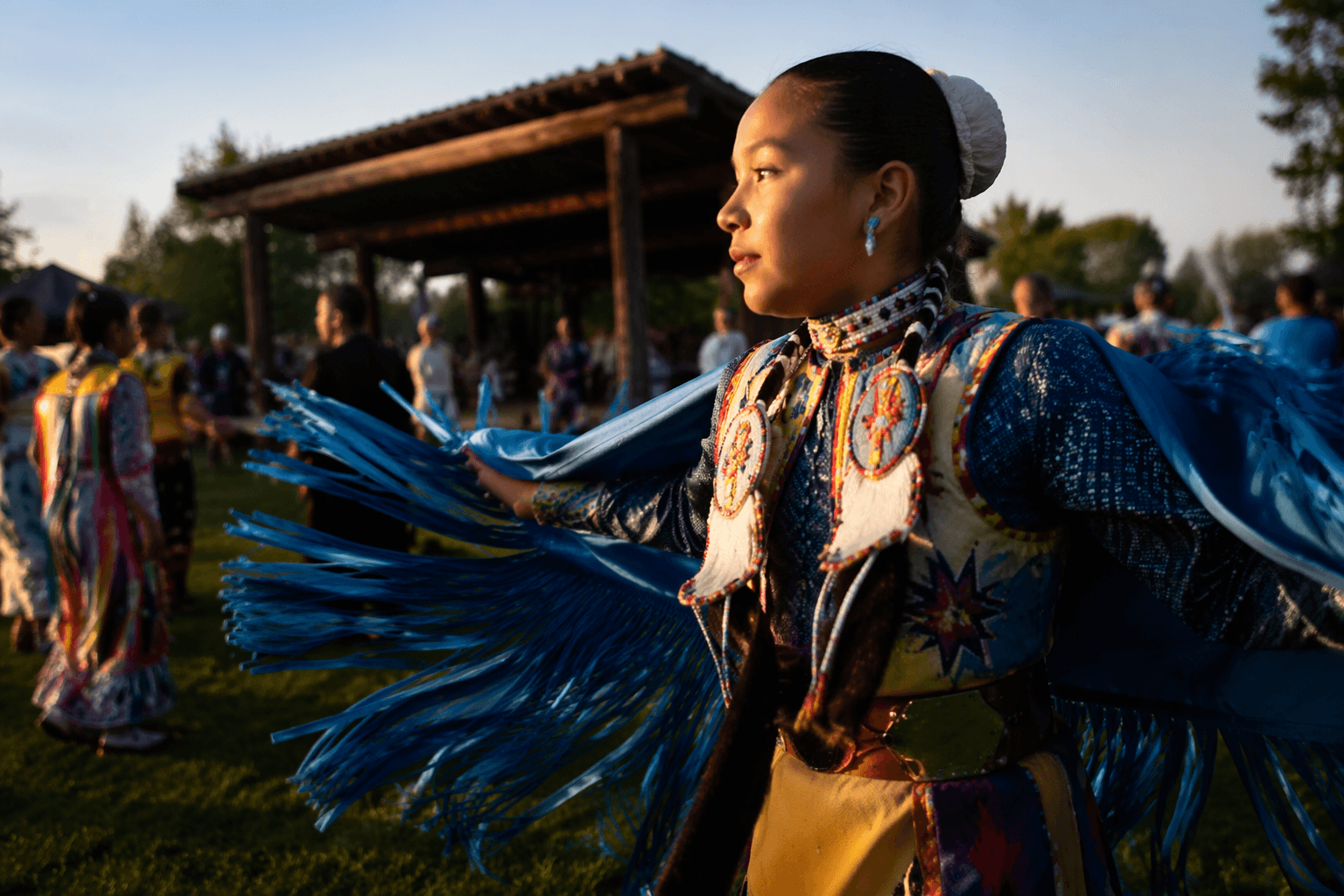
Fort Defiance turned Treaty of 1868 remembrance into a week of running, song and dance, with President Buu Nygren taking part in the June 1 fun run and walk and returning June 5 for the community celebration. The observance gave Apache County residents more than a ceremonial nod to history: it put wellness, cultural continuity and intergenerational participation at the center of a gathering that drew families, elders and youth.
The 11th annual Navajo Treaty of 1868 Run and Walk was held at the Fort Defiance Division of Behavioral and Mental Health Services office, a setting that reinforced the event’s wellness message. In a community where health access and social connection often travel together, the run and walk paired physical activity with a larger reminder that cultural events can also support mental and emotional resilience.
The treaty itself remains the anchor for that message. Signed on June 1, 1868, at Fort Sumner, New Mexico, by U.S. commissioners Lt. Gen. W.T. Sherman and Col. Samuel F. Tappan and Navajo leaders including Barboncito and Armijo, the agreement was ratified on July 25, 1868, and proclaimed on August 12, 1868. It ended Navajo confinement at Bosque Redondo and opened the way for the Diné to return home after forced exile.
That history still matters in Fort Defiance, one of the Navajo Nation’s most visible communities in Apache County and a major center for education, health and government operations. Chapter leaders used the treaty week to connect remembrance with day-to-day life, turning a historical milestone into a shared public gathering rather than a one-day observance.
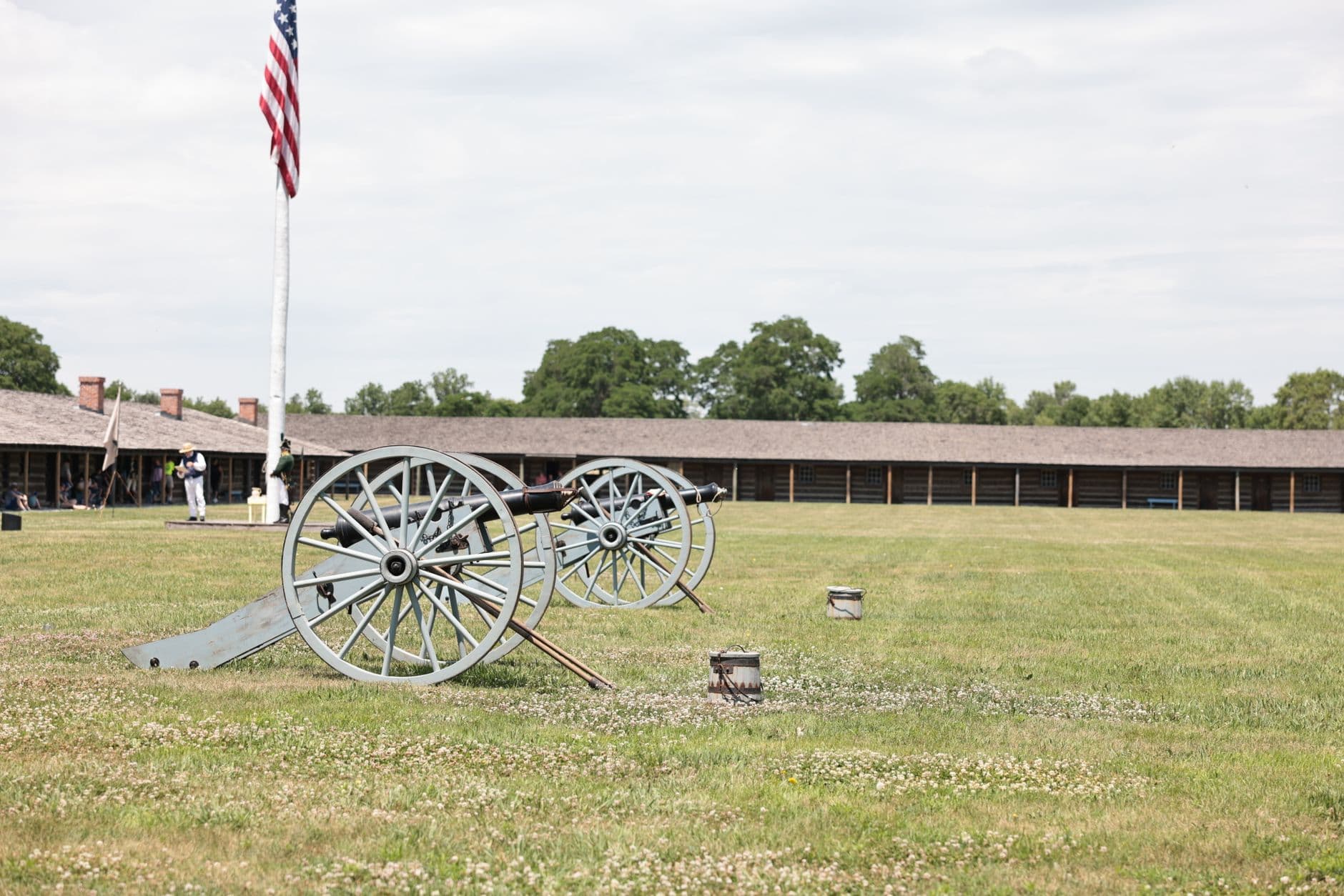
The celebration also overlapped with a public viewing of Naaltsoos Sání, the Navajo Treaty of 1868, at the Navajo Nation Museum from June 1 through June 5. Together, the museum exhibit, the run and walk, and the song and dance celebration created a weeklong arc that linked history, movement and community participation. For Fort Defiance, the value was not symbolic alone: the events drew residents into the same space around a document that helped define Navajo sovereignty, the government-to-government relationship with the United States and the Nation’s return to its homeland.
This article was produced by Prism’s automated news system from verified source data, official records, and press releases, then run through automated quality and moderation checks before publishing. The system is built and supervised by the people who set the standards it runs under. Read our full AI policy.
Know something we missed? Have a correction or additional information?
Submit a Tip