White Mountain Apache youth camp blends basketball, lacrosse, outdoor learning
Nearly 700 Native youth gathered in Whiteriver for a three-day camp that pairs basketball, lacrosse and outdoor learning with mentorship on tribal land.
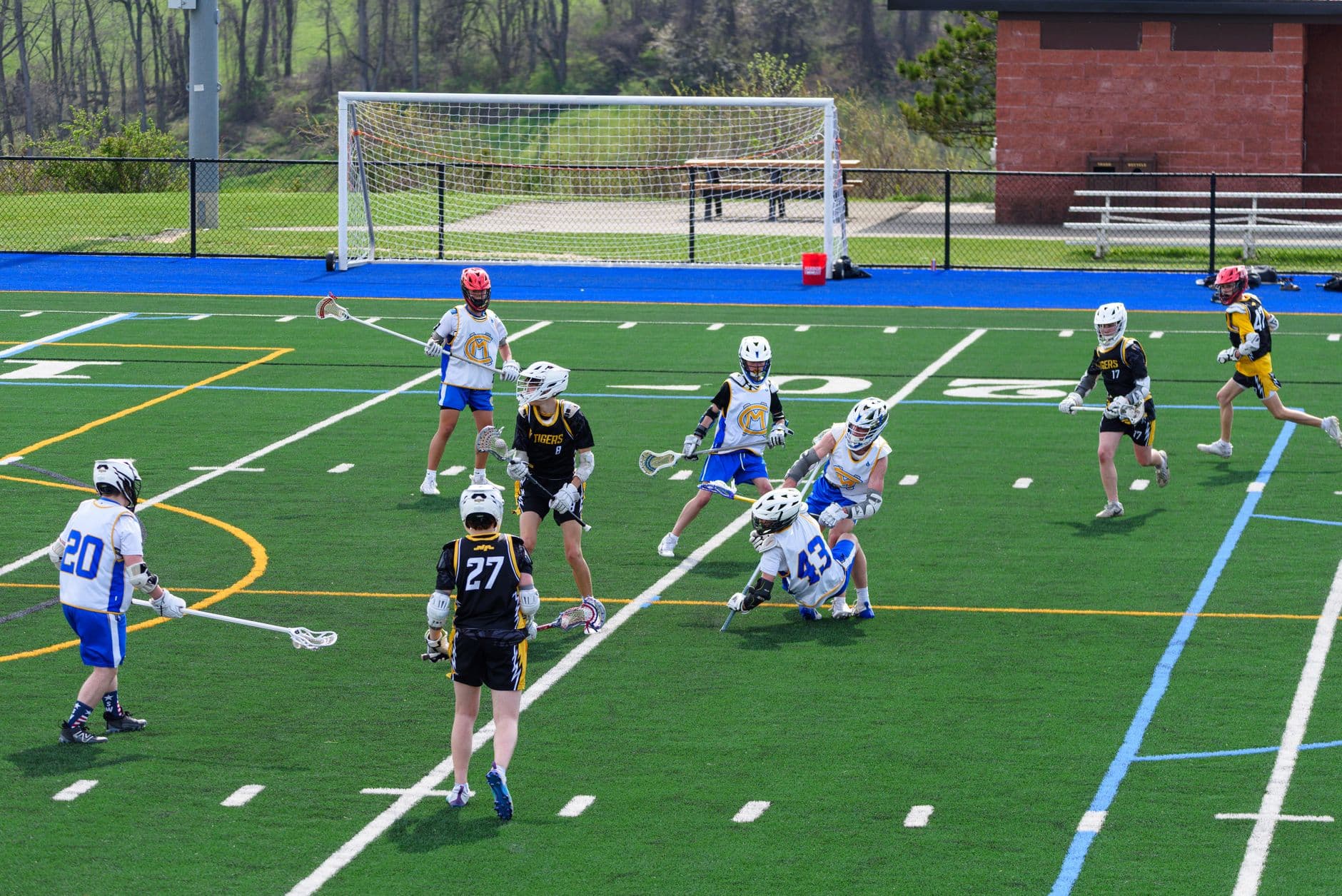
Nearly 700 Native youth packed Whiteriver for a three-day camp that blended basketball, lacrosse and outdoor learning on the White Mountain Apache Reservation. The program tied sports to life skills and tribal-community connection, giving Apache County families a local summer option that goes beyond simple recreation.
What NativeVision brings to Whiteriver
NativeVision is a program of the Johns Hopkins Center for Indigenous Health, and Johns Hopkins says it began in 1996. Its mission is to empower Native American youth to realize their full physical, mental, emotional and spiritual potential through physical fitness, healthy nutrition and positive life skills. That broader aim helps explain why the camp is built around more than drills and games.
The 10th Annual Native Vision Sports and Life Skills Camp ran June 4-6 in Whiteriver, Arizona. Nearly 700 Native youth from 25 American Indian tribes attended, giving the event a scale that reaches well beyond one school or one team. More than 50 professional and collegiate athletes from the NFL, NBA, Major League Soccer, volleyball and track served as instructors, creating a rare concentration of coaching experience for young players in rural Arizona.
Basketball and lacrosse sit at the center of the camp’s athletic mix. Basketball already carries strong cultural weight in many Apache County communities, while lacrosse adds a different skill set, with speed, stick work and teamwork that can broaden how young athletes see themselves on the field and court. Putting both sports under one umbrella gives families a program that feels familiar and new at the same time.
Why the outdoor learning piece matters
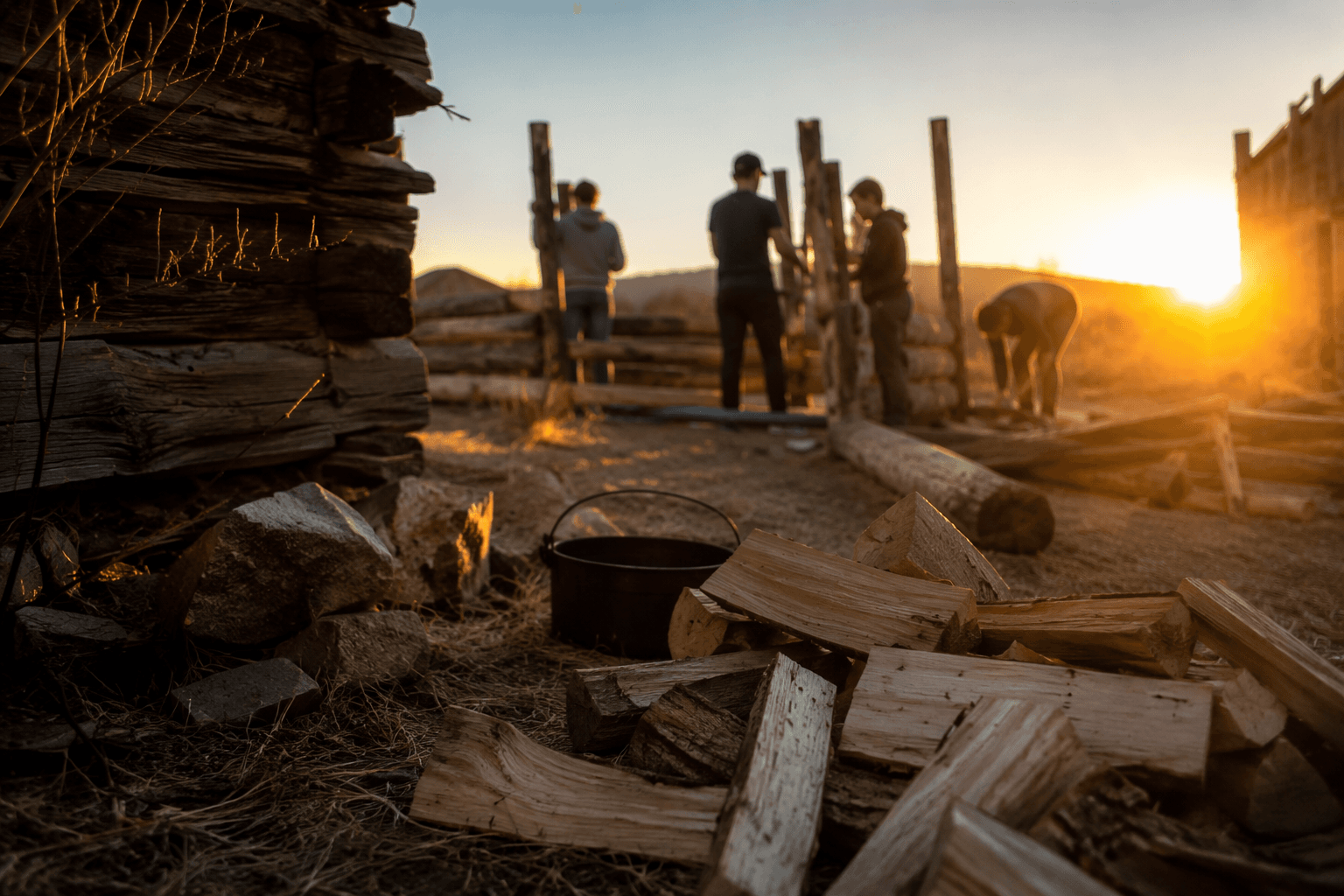
The Game and Fish component gives the camp a local identity that fits the White Mountain Apache Reservation. The White Mountain Apache Tribe Game and Fish Department says the tribal lands are known worldwide as a hunting, fishing, camping, hiking, skiing and rafting destination, and the reservation’s recreation map describes the Fort Apache Indian Reservation as home to the White Mountain Apache Tribe and 1.6 million acres of Arizona’s diverse, scenic and pristine lands. That landscape is not just scenery; it shapes how youth learn, play and move through their summers.
When outdoor education is paired with sports, the message changes from entertainment to responsibility. Youth can learn how to be active in the gym and also how to move safely and respectfully through forests, lakes and open land. In a place where recreation and homeland overlap, those lessons can matter as much as the scoreboard.
The reservation setting also gives the camp a practical advantage. Families do not have to treat Whiteriver as a distant destination when it is rooted in tribal land and community life. For Apache County households balancing work, transportation and summer schedules, that local grounding can make participation more realistic than an off-reservation program.
The reservation recreation system behind the camp
The White Mountain Apache Tribe Game and Fish Department also operates an online permit and recreation system for reservation activities. That matters because it shows the camp is part of a larger tribal framework for how people access and use the land, rather than a one-off event standing apart from the rest of reservation life.
The tribe’s recreation site lists annual permit categories that include fishing permits for youth and adults. That detail is important for families who use reservation recreation outside the camp, since it signals a structured system for access and stewardship. It also reinforces how the Game and Fish element can connect young people to the rules, habits and responsibilities that come with living near protected and heavily used outdoor spaces.
For parents, guardians and coaches, the takeaway is simple: the outdoor side of the camp is not an add-on. It sits alongside basketball and lacrosse as part of a wider approach to youth development that includes physical activity, outdoor awareness and respect for the land.
What families should know about participation
The camp is designed for Native youth and drew participants from 25 American Indian tribes, with activity centered in Whiteriver. Families looking at similar programs should expect a setting that combines athletic instruction with life-skills learning and outdoor education, all within a tribal-community framework that is tied closely to the White Mountain Apache Reservation.
- It ran for three days, June 4-6.
- It took place in Whiteriver, Arizona.
- Nearly 700 Native youth attended.
- More than 50 professional and collegiate athletes participated as instructors.
- The program sits within NativeVision, a long-running Johns Hopkins initiative that began in 1996.
Several concrete details stand out for families planning around the program:
The scale and structure of the camp make it more than a summer outing. It is a place where young people can pick up basketball and lacrosse skills, learn from high-level athletes, and spend time in an environment that reflects White Mountain Apache land, culture and outdoor traditions. That combination gives Apache County families a strong example of how youth programming can build confidence, structure and belonging at the same time.
This article was produced by Prism’s automated news system from verified source data, official records, and press releases, then run through automated quality and moderation checks before publishing. The system is built and supervised by the people who set the standards it runs under. Read our full AI policy.
Did this article answer your question?